CYBERMED LIFE - ORGANIC  & NATURAL LIVING
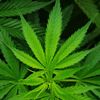
Cannabis

cannabisCannabis (/ˈkænəbɪs/) is a genus of flowering plants in the family Cannabaceae. The number of species within the genus is disputed. Three species may be recognized: Cannabis sativa, Cannabis indica, and Cannabis ruderalis; C. ruderalis may be included within C. sativa; or all three may be treated as subspecies of a single species, C. sativa. The genus is indigenous to central Asia and the Indian subcontinent.

Cannabis has long been used for hemp fibre, for hemp oils, for medicinal purposes, and as a recreational drug. Industrial hemp products are made from cannabis plants selected to produce an abundance of fiber. To satisfy the UN Narcotics Convention, some cannabis strains have been bred to produce minimal levels of tetrahydrocannabinol (THC), the principal psychoactive constituent. Many plants have been selectively bred to produce a maximum of THC (cannabinoids), which is obtained by curing the flowers. Various compounds, including hashish and hash oil, are extracted from the plant.

Globally, in 2013, 60,400 kilograms of cannabis were produced legally. In 2014 there were an estimated 182.5 million cannabis users (3.8% of the population aged 15–64). This percentage has not changed significantly between 1998 and 2014.

Cannabis is an annual, dioecious, flowering herb. The leaves are palmately compound or digitate, with serrate leaflets. The first pair of leaves usually have a single leaflet, the number gradually increasing up to a maximum of about thirteen leaflets per leaf (usually seven or nine), depending on variety and growing conditions. At the top of a flowering plant, this number again diminishes to a single leaflet per leaf. The lower leaf pairs usually occur in an opposite leaf arrangement and the upper leaf pairs in an alternate arrangement on the main stem of a mature plant.

The leaves have a peculiar and diagnostic venation pattern that enables persons poorly familiar with the plant to distinguish a cannabis leaf from unrelated species that have confusingly similar leaves (see illustration). As is common in serrated leaves, each serration has a central vein extending to its tip. However, the serration vein originates from lower down the central vein of the leaflet, typically opposite to the position of, not the first notch down, but the next notch. This means that on its way from the midrib of the leaflet to the point of the serration, the vein serving the tip of the serration passes close by the intervening notch. Sometimes the vein will actually pass tangent to the notch, but often it will pass by at a small distance, and when that happens a spur vein (occasionally a pair of such spur veins) branches off and joins the leaf margin at the deepest point of the notch. This venation pattern varies slightly among varieties, but in general it enables one to tell Cannabis leaves from superficially similar leaves without difficulty and without special equipment. Tiny samples of Cannabis plants also can be identified with precision by microscopic examination of leaf cells and similar features, but that requires special expertise and equipment.

The plant is believed to have originated in the mountainous regions northwest of the Himalayas. It is also known as hemp, although this term is often used to refer only to varieties of Cannabis cultivated for non-drug use.

Reproduction

Cannabis normally has imperfect flowers, with staminate "male" and pistillate "female" flowers occurring on separate plants. It is not unusual, however, for individual plants to bear both male and female flowers. Although monoecious plants are often referred to as "hermaphrodites", true hermaphrodites (which are less common) bear staminate and pistillate structures together on individual flowers, whereas monoecious plants bear male and female flowers at different locations on the same plant. Male flowers are normally borne on loose panicles, and female flowers are borne on racemes. "At a very early period the Chinese recognized the Cannabis plant as dioecious", and the (c. 3rd century BCE) Erya dictionary defined xi "male Cannabis" and fu (or ju ) "female Cannabis".

All known strains of Cannabis are wind-pollinated and the fruit is an achene. Most strains of Cannabis are short day plants, with the possible exception of C. sativa subsp. sativa var. spontanea (= C. ruderalis), which is commonly described as "auto-flowering" and may be day-neutral.

Biochemistry and drugs

Cannabis plants produce a group of chemicals called cannabinoids, which produce mental and physical effects when consumed.

Cannabinoids, terpenoids, and other compounds are secreted by glandular trichomes that occur most abundantly on the floral calyxes and bracts of female plants. As a drug it usually comes in the form of dried flower buds (marijuana), resin (hashish), or various extracts collectively known as hashish oil. In the early 20th century, it became illegal in most of the world to cultivate or possess Cannabis for sale or personal use.


  • Cannabis

    facebook Share on Facebook

    cannabisCannabis (/ˈkænəbɪs/) is a genus of flowering plants in the family Cannabaceae. The number of species within the genus is disputed. Three species may be recognized: Cannabis sativa, Cannabis indica, and Cannabis ruderalis; C. ruderalis may be included within C. sativa; or all three may be treated as subspecies of a single species, C. sativa. The genus is indigenous to central Asia and the Indian subcontinent.

    Cannabis has long been used for hemp fibre, for hemp oils, for medicinal purposes, and as a recreational drug. Industrial hemp products are made from cannabis plants selected to produce an abundance of fiber. To satisfy the UN Narcotics Convention, some cannabis strains have been bred to produce minimal levels of tetrahydrocannabinol (THC), the principal psychoactive constituent. Many plants have been selectively bred to produce a maximum of THC (cannabinoids), which is obtained by curing the flowers. Various compounds, including hashish and hash oil, are extracted from the plant.

    Globally, in 2013, 60,400 kilograms of cannabis were produced legally. In 2014 there were an estimated 182.5 million cannabis users (3.8% of the population aged 15–64). This percentage has not changed significantly between 1998 and 2014.

  • A Comprehensive Review of Cannabis in Patients with Cancer: Availability in the USA, General Efficacy, and Safety.

    Abstract Title:

    A Comprehensive Review of Cannabis in Patients with Cancer: Availability in the USA, General Efficacy, and Safety.

    Abstract Source:

    Curr Oncol Rep. 2019 Feb 1 ;21(1):10. Epub 2019 Feb 1. PMID: 30707319

    Abstract Author(s):

    Grant Steele, Tom Arneson, Dylan Zylla

    Article Affiliation:

    Grant Steele

    Abstract:

    PURPOSE OF REVIEW:As the legalization of medical cannabis continues across the USA, oncology care providers will be increasingly asked to provide recommendations regarding its use in the cancer setting. In this article, we review recent literature that analyzes cannabis use specifically in patients with cancer and provide an accessible guide for clinicians, researchers, and patients.

    RECENT FINDINGS:We aimed to answer questions about the availability of cannabis in the USA, the trials supporting its use in the cancer setting, and the important factors to consider related to safety. Thirty states plus the District of Columbia have established comprehensive medical cannabis programs, each with different regulations and products available. In June 2018, Epidiolex, a cannabis extraction product containing 99% CBD, was approved to treat refractory seizures; however, whole-plant products and non-prescription extraction products dominate the market. Recent randomized, placebo-controlled studies of nabiximols (Sativex) in patients with refractory cancer-pain have largely shown no significant benefits. Conversely, large observational studies suggest patients with cancer using cannabis report significant improvement of many common symptoms. Cannabis use appears well tolerated, with few serious adverse effects reported. Though prospective clinical trials are needed to provide the robust data required to establish the proper role of cannabinoid and cannabis-based therapy in cancer patients, physicians can draw upon the knowledge currently available to have informed discussions with their patients.

  • A double-blind, randomized, cross-over, placebo-controlled, pilot trial with Sativex in Huntington's disease.

    Abstract Title:

    A double-blind, randomized, cross-over, placebo-controlled, pilot trial with Sativex in Huntington's disease.

    Abstract Source:

    J Neurol. 2016 May 9. Epub 2016 May 9. PMID: 27159993

    Abstract Author(s):

    Jose Luis López-Sendón Moreno, Juan García Caldentey, Patricia Trigo Cubillo, Carolina Ruiz Romero, Guillermo García Ribas, M A Alonso Alonso Arias, María Jesús García de Yébenes, Rosa María Tolón, Ismael Galve-Roperh, Onintza Sagredo, Sara Valdeolivas, Eva Resel, Silvia Ortega-Gutierrez, María Laura García-Bermejo, Javier Fernández Ruiz, Manuel Guzmán, Justo García de Yébenes Prous

    Article Affiliation:

    Jose Luis López-Sendón Moreno

    Abstract:

    Huntington's disease (HD) is a neurodegenerative disease for which there is no curative treatment available. Given that the endocannabinoid system is involved in the pathogenesis of HD mouse models, stimulation of specific targets within this signaling system has been investigated as a promising therapeutic agent in HD. We conducted a double-blind, randomized, placebo-controlled, cross-over pilot clinical trial with Sativex(®), a botanical extract with an equimolecular combination of delta-9-tetrahydrocannabinol and cannabidiol. Both Sativex(®) and placebo were dispensed as an oral spray, to be administered up to 12 sprays/day for 12 weeks. The primary objective was safety, assessed by the absence of more severe adverse events (SAE) and no greater deterioration of motor, cognitive, behavioral and functional scales during the phase of active treatment. Secondary objectives were clinical improvement of Unified Huntington Disease Rating Scale scores. Twenty-six patients were randomized and 24 completed the trial.After ruling-out period and sequence effects, safety and tolerability were confirmed. No differences on motor (p = 0.286), cognitive (p = 0.824), behavioral (p = 1.0) and functional (p = 0.581) scores were detected during treatment with Sativex(®) as compared to placebo. No significant molecular effects were detected on the biomarker analysis. Sativex(®) is safe and well tolerated in patients with HD, with no SAE or clinical worsening. No significant symptomatic effects were detected at the prescribed dosage and for a 12-week period. Also, no significant molecular changes were observed on the biomarkers. Future study designs should consider higher doses, longer treatment periods and/or alternative cannabinoid combinations.Clincaltrals.gov identifier: NCT01502046.

  • Anti-neuroinflammatory effects of grossamide from hemp seed via suppression of TLR-4-mediated NF-κB signaling pathways in lipopolysaccharide-stimulated BV2 microglia cells.

    Abstract Title:

    Anti-neuroinflammatory effects of grossamide from hemp seed via suppression of TLR-4-mediated NF-κB signaling pathways in lipopolysaccharide-stimulated BV2 microglia cells.

    Abstract Source:

    Mol Cell Biochem. 2017 Apr ;428(1-2):129-137. Epub 2017 Feb 21. PMID: 28224333

    Abstract Author(s):

    Qian Luo, Xiaoli Yan, Larisa Bobrovskaya, Mei Ji, Huiqing Yuan, Hongxiang Lou, Peihong Fan

    Article Affiliation:

    Qian Luo

    Abstract:

    Grossamide, a representative lignanamide in hemp seed, has been reported to possess potential anti-inflammatory effects. However, the potential anti-neuroinflammatory effects and underlying mechanisms of action of grossamide are still unclear. Therefore, the present study investigated the possible effects and underlying mechanisms of grossamide against lipopolysaccharide (LPS)-induced inflammatory response in BV2 microglia cells. BV2 microglia cells were pre-treated with various concentrations of grossamide before being stimulated with LPS to induce inflammation. The levels of pro-inflammatory cytokines were determined using the enzyme-linked immunoassay (ELISA) and mRNA expression levels were measured by real-time PCR. The translocation of nuclear factor-kappa B (NF-κB) and contribution of TLR4-mediated NF-κB activation on inflammatory effects were evaluated by immunostaining and Western blot analysis. This study demonstrated that grossamide significantly inhibited the secretion of pro-inflammatory mediators such as interleukin 6 (IL-6) and tumor necrosis factor α (TNF-α), and decreased the level of LPS-mediated IL-6 and TNF-α mRNA. In addition, it significantly reduced the phosphorylation levels of NF-κB subunit p65 in a concentration-dependent manner and suppressed translocation of NF-κB p65 into the nucleus. Furthermore, grossamide markedly attenuated the LPS-induced expression of Toll-like receptor 4 (TLR4) and myeloid differentiation factor 88 (MyD88). Taken together, these data suggest that grossamide could be a potential therapeutic candidate for inhibiting neuroinflammation in neurodegenerative diseases.

  • Antitumorigenic effects of cannabinoids beyond apoptosis.

    Abstract Title:

    Antitumorigenic effects of cannabinoids beyond apoptosis.

    Abstract Source:

    J Pharmacol Exp Ther. 2009 Nov 4. PMID: 19889794

    Abstract Author(s):

    Nadine Freimuth, Robert Ramer, Burkhard Hinz

    Abstract:

    According to the World Health Organization the cases of death caused by cancer will have been doubled until the year 2030. By 2010 cancer is expected to be the cause of death number one. It is therefore necessary to explore novel approaches for the treatment of cancer. During past years the antitumorigenic effects of cannabinoids have emerged as an exciting field in cancer research. Apart from their proapoptotic and antiproliferative action, recent research has shown that cannabinoids may likewise affect tumor cell angiogenesis, migration, invasion, adhesion and metastasation. This review will summarize the data concerning the influence of cannabinoids on these locomotive processes beyond modulation of cancer cell apoptosis and proliferation. The findings discussed here provide a new perspective on the antitumorigenic potential of cannabinoids.

  • Cannabidiol as a Potential Treatment for Anxiety Disorders📎

    Abstract Title:

    Cannabidiol as a Potential Treatment for Anxiety Disorders.

    Abstract Source:

    Neurotherapeutics. 2015 Sep 4. Epub 2015 Sep 4. PMID: 26341731

    Abstract Author(s):

    Esther M Blessing, Maria M Steenkamp, Jorge Manzanares, Charles R Marmar

    Article Affiliation:

    Esther M Blessing

    Abstract:

    Cannabidiol (CBD), a Cannabis sativa constituent, is a pharmacologically broad-spectrum drug that in recent years has drawn increasing interest as a treatment for a range of neuropsychiatric disorders. The purpose of the current review is to determine CBD's potential as a treatment for anxiety-related disorders, by assessing evidence from preclinical, human experimental, clinical, and epidemiological studies. We found that existing preclinical evidence strongly supports CBD as a treatment for generalized anxiety disorder, panic disorder, social anxiety disorder, obsessive-compulsive disorder, and post-traumatic stress disorder when administered acutely; however, few studies have investigated chronic CBD dosing. Likewise, evidence from human studies supports an anxiolytic role of CBD, but is currently limited to acute dosing, also with few studies in clinical populations. Overall, current evidence indicates CBD has considerable potential as a treatment for multiple anxiety disorders, with need for further study of chronic and therapeutic effects in relevant clinical populations.

  • Cannabidiol Attenuates Experimental Autoimmune Encephalomyelitis Model of Multiple Sclerosis Through Induction of Myeloid-Derived Suppressor Cells📎

    Abstract Title:

    Cannabidiol Attenuates Experimental Autoimmune Encephalomyelitis Model of Multiple Sclerosis Through Induction of Myeloid-Derived Suppressor Cells.

    Abstract Source:

    Front Immunol. 2018 ;9:1782. Epub 2018 Aug 3. PMID: 30123217

    Abstract Author(s):

    David M Elliott, Narendra Singh, Mitzi Nagarkatti, Prakash S Nagarkatti

    Article Affiliation:

    David M Elliott

    Abstract:

    Multiple sclerosis (MS) is a chronic debilitating autoimmune disease without a cure. While the use of marijuana cannabinoids for MS has recently been approved in some countries, the precise mechanism of action leading to attenuate neuroinflammation is not clear. We used experimental autoimmune encephalomyelitis (EAE), a murine model of MS, to explore the anti-inflammatory properties of cannabidiol (CBD), a non-psychoactive cannabinoid. Treatment with CBD caused attenuation of EAE disease paradigms as indicated by a significant reduction in clinical scores of paralysis, decreased T cell infiltration in the central nervous system, and reduced levels of IL-17 and IFNγ. Interestingly, CBD treatment led to a profound increase in myeloid-derived suppressor cells (MDSCs) in EAE mice when compared to the vehicle-treated EAE controls. These MDSCs caused robust inhibition of MOG-induced proliferation of T cells. Moreover, adoptive transfer of CBD-induced MDSCs ameliorated EAE while MDSC depletion reversed the beneficial effects of CBD treatment, thereby conclusively demonstrating that MDSCs played a crucial role in CBD-mediated attenuation of EAE. Together, these studies demonstrate for the first time that CBD treatment may ameliorate EAE through induction of immunosuppressive MDSCs.

  • Cannabidiol attenuates high glucose-induced endothelial cell inflammatory response and barrier disruption📎

    Abstract Title:

    Cannabidiol attenuates high glucose-induced endothelial cell inflammatory response and barrier disruption.

    Abstract Source:

    Am J Physiol Heart Circ Physiol. 2007 Jul ;293(1):H610-9. Epub 2007 Mar 23. PMID: 17384130

    Abstract Author(s):

    Mohanraj Rajesh, Partha Mukhopadhyay, Sándor Bátkai, György Haskó, Lucas Liaudet, Viktor R Drel, Irina G Obrosova, Pál Pacher

    Article Affiliation:

    Mohanraj Rajesh

    Abstract:

    A nonpsychoactive cannabinoid cannabidiol (CBD) has been shown to exert potent anti-inflammatory and antioxidant effects and has recently been reported to lower the incidence of diabetes in nonobese diabetic mice and to preserve the blood-retinal barrier in experimental diabetes. In this study we have investigated the effects of CBD on high glucose (HG)-induced, mitochondrial superoxide generation, NF-kappaB activation, nitrotyrosine formation, inducible nitric oxide synthase (iNOS) and adhesion molecules ICAM-1 and VCAM-1 expression, monocyte-endothelial adhesion, transendothelial migration of monocytes, and disruption of endothelial barrier function in human coronary artery endothelial cells (HCAECs). HG markedly increased mitochondrial superoxide generation (measured by flow cytometry using MitoSOX), NF-kappaB activation, nitrotyrosine formation, upregulation of iNOS and adhesion molecules ICAM-1 and VCAM-1, transendothelial migration of monocytes, and monocyte-endothelial adhesion in HCAECs. HG also decreased endothelial barrier function measured by increased permeability and diminished expression of vascular endothelial cadherin in HCAECs. Remarkably, all the above mentioned effects of HG were attenuated by CBD pretreatment. Since a disruption of the endothelial function and integrity by HG is a crucial early event underlying the development of various diabetic complications, our results suggest that CBD, which has recently been approved for the treatment of inflammation, pain, and spasticity associated with multiple sclerosis in humans, may have significant therapeutic benefits against diabetic complications and atherosclerosis.

  • Cannabidiol differentially regulates basal and LPS-induced inflammatory responses in macrophages, lung epithelial cells, and fibroblasts.

    Abstract Title:

    Cannabidiol differentially regulates basal and LPS-induced inflammatory responses in macrophages, lung epithelial cells, and fibroblasts.

    Abstract Source:

    Toxicol Appl Pharmacol. 2019 Aug 19:114713. Epub 2019 Aug 19. PMID: 31437494

    Abstract Author(s):

    Thivanka Muthumalage, Irfan Rahman

    Article Affiliation:

    Thivanka Muthumalage

    Abstract:

    INTRODUCTION:Cannabidiol (CBD) containing products are available in a plethora of flavors including oral, sublingual, and inhalable forms. Immunotoxicological effects of CBD containing liquids were assessed by hypothesizing that CBD regulates oxidative stress and lipopolysaccharide (LPS) induced inflammatory responses in macrophages, epithelial cells, and fibroblasts.

    METHODS:Epithelial cells (BEAS-2B and NHBE), macrophages (U937), and lung fibroblast cells (HFL-1) were treated with varying CBD concentrations or exposed to CBD aerosols and reactive oxygen species (ROS), and the inflammatory mediators, were measured. Furthermore, monocytes and epithelial cells were stimulated with LPS in combination with CBD or dexamethasone to understand the anti-inflammatory effects of CBD.

    RESULTS:CBD showed differential effects on IL-8 and MCP-1, and acellular and cellular ROS levels. CBD significantly attenuated LPS-induced NF-κB activity and IL-8 and MCP-1 release from macrophages. Cytokine array data depicted a differential cytokine response due to CBD. Inflammatory mediators, IL-8, serpin E1, CXCL1, IL-6, MIF, IFN-γ, MCP-1, RANTES, and TNF-α were induced, whereas MCP-1/CCL2, CCL5, eotaxin, IL-1ra, and IL-2 were reduced. CBD and dexamethasone treatments reduced the IL-8 level induced by LPS when the cells were treated individually, but showed antagonistic effects when used in combination via MCPIP (monocytic chemotactic protein-induced protein).

    CONCLUSION:CBD differentially regulated basal pro-inflammatory response and attenuated both LPS-induced cytokine release and NF-κB activity in monocytes, similar to dexamethasone. Thus, CBD has a differential inflammatory response and acts as an anti-inflammatory agent in pro-inflammatory conditions but acts as an antagonist with steroids, overriding the anti-inflammatory potential of steroids when used in combination.

  • Cannabidiol Induces Cell Cycle Arrest and Cell Apoptosis in Human Gastric Cancer SGC-7901 Cells📎

    Abstract Title:

    Cannabidiol Induces Cell Cycle Arrest and Cell Apoptosis in Human Gastric Cancer SGC-7901 Cells.

    Abstract Source:

    Biomolecules. 2019 Jul 25 ;9(8). Epub 2019 Jul 25. PMID: 31349651

    Abstract Author(s):

    Xin Zhang, Yao Qin, Zhaohai Pan, Minjing Li, Xiaona Liu, Xiaoyu Chen, Guiwu Qu, Ling Zhou, Maolei Xu, Qiusheng Zheng, Defang Li

    Article Affiliation:

    Xin Zhang

    Abstract:

    The main chemical component of cannabis, cannabidiol (CBD), has been shown to have antitumor properties. The present study examined the in vitro effects of CBD on human gastric cancer SGC-7901 cells. We found that CBD significantly inhibited the proliferation and colony formation of SGC-7901 cells. Further investigation showed that CBD significantly upregulated ataxia telangiectasia-mutated gene (ATM) and p53 protein expression and downregulated p21 protein expression in SGC-7901 cells, which subsequently inhibited the levels of CDK2 and cyclin E, thereby resulting in cell cycle arrest at the G0-G1 phase. In addition, CBD significantly increased Bax expression levels, decreased Bcl-2 expression levels and mitochondrial membrane potential, and then upregulated the levels of cleaved caspase-3 and cleaved caspase-9, thereby inducing apoptosis in SGC-7901 cells. Finally, we found that intracellular reactive oxygen species (ROS) increased after CBD treatment. These results indicated that CBD could induce G0-G1 phase cell cycle arrest and apoptosis by increasing ROS production, leading to the inhibition of SGC-7901 cell proliferation, thereby suggesting that CBD may have therapeutic effects on gastric cancer.

  • Cannabidiol inhibits growth and induces programmed cell death in kaposi sarcoma-associated herpesvirus-infected endothelium📎

    Abstract Title:

    Cannabidiol inhibits growth and induces programmed cell death in kaposi sarcoma-associated herpesvirus-infected endothelium.

    Abstract Source:

    Genes Cancer. 2012 Jul ;3(7-8):512-20. PMID: 23264851

    Abstract Author(s):

    Yehoshua Maor, Jinlong Yu, Paula M Kuzontkoski, Bruce J Dezube, Xuefeng Zhang, Jerome E Groopman

    Article Affiliation:

    Yehoshua Maor

    Abstract:

    Kaposi sarcoma is the most common neoplasm caused by Kaposi sarcoma-associated herpesvirus (KSHV). It is prevalent among the elderly in the Mediterranean, inhabitants of sub-Saharan Africa, and immunocompromised individuals such as organ transplant recipients and AIDS patients. Current treatments for Kaposi sarcoma can inhibit tumor growth but are not able to eliminate KSHV from the host. When the host's immune system weakens, KSHV begins to replicate again, and active tumor growth ensues. New therapeutic approaches are needed. Cannabidiol (CBD), a plant-derived cannabinoid, exhibits promising antitumor effects without inducing psychoactive side effects. CBD is emerging as a novel therapeutic for various disorders, including cancer. In this study, we investigated the effects of CBD both on the infection of endothelial cells (ECs) by KSHV and on the growth and apoptosis of KSHV-infected ECs, an in vitro model for the transformation of normal endothelium to Kaposi sarcoma. While CBD did not affect the efficiency with which KSHV infected ECs, it reduced proliferation and induced apoptosis in those infected by the virus. CBD inhibited the expression of KSHV viral G protein-coupled receptor (vGPCR), its agonist, the chemokine growth-regulated proteinα (GRO-α), vascular endothelial growth factor receptor 3 (VEGFR-3), and the VEGFR-3 ligand, vascular endothelial growth factor C (VEGF-C). This suggests a potential mechanism by which CBD exerts its effects on KSHV-infected endothelium and supports the further examination of CBD as a novel targeted agent for the treatment of Kaposi sarcoma.

  • Cannabidiol inhibits human glioma cell migration through a cannabinoid receptor-independent mechanism📎

    Abstract Title:

    Cannabidiol inhibits human glioma cell migration through a cannabinoid receptor-independent mechanism.

    Abstract Source:

    Br J Pharmacol. 2005 Apr ;144(8):1032-6. PMID: 15700028

    Abstract Author(s):

    Angelo Vaccani, Paola Massi, Arianna Colombo, Tiziana Rubino, Daniela Parolaro

    Article Affiliation:

    Angelo Vaccani

    Abstract:

    We evaluated the ability of cannabidiol (CBD) to impair the migration of tumor cells stimulated by conditioned medium. CBD caused concentration-dependent inhibition of the migration of U87 glioma cells, quantified in a Boyden chamber. Since these cells express both cannabinoid CB1 and CB2 receptors in the membrane, we also evaluated their engagement in the antimigratory effect of CBD. The inhibition of cell was not antagonized either by the selective cannabinoid receptor antagonists SR141716 (CB1) and SR144528 (CB2) or by pretreatment with pertussis toxin, indicating no involvement of classical cannabinoid receptors and/or receptors coupled to Gi/o proteins. These results reinforce the evidence of antitumoral properties of CBD, demonstrating its ability to limit tumor invasion, although the mechanism of its pharmacological effects remains to be clarified.

  • Cannabidiol Modulates the Expression of Alzheimer's Disease-Related Genes in Mesenchymal Stem Cells📎

    Abstract Title:

    Cannabidiol Modulates the Expression of Alzheimer's Disease-Related Genes in Mesenchymal Stem Cells.

    Abstract Source:

    Int J Mol Sci. 2016 Dec 23 ;18(1). Epub 2016 Dec 23. PMID: 28025562

    Abstract Author(s):

    Rosaliana Libro, Francesca Diomede, Domenico Scionti, Adriano Piattelli, Gianpaolo Grassi, Federica Pollastro, Placido Bramanti, Emanuela Mazzon, Oriana Trubiani

    Article Affiliation:

    Rosaliana Libro

    Abstract:

    Mesenchymal stem cells (MSCs) have emerged as a promising tool for the treatment of several neurodegenerative disorders, including Alzheimer's disease (AD). The main neuropathological hallmarks of AD are senile plaques, composed of amyloid beta (Aβ), and neurofibrillary tangles, formed by hyperphosphorylated tau. However, current therapies for AD have shown limited efficacy. In this study, we evaluated whether pre-treatment with cannabidiol (CBD), at 5 μM concentration, modulated the transcriptional profile of MSCs derived from gingiva (GMSCs) in order to improve their therapeutic potential, by performing a transcriptomic analysis by the next-generation sequencing (NGS) platform. By comparing the expression profiles between GMSCs treated with CBD (CBD-GMSCs) and control GMSCs (CTR-GMSCs), we found that CBD led to the downregulation of genes linked to AD, including genes coding for the kinases responsible of tau phosphorylation and for the secretases involved in Aβ generation. In parallel, immunocytochemistry analysis has shown that CBD inhibited the expression of GSK3β, a central player in AD pathogenesis, by promoting PI3K/Akt signalling. In order to understand through which receptor CBD exerted these effects, we have performed pre-treatments with receptor antagonists for the cannabinoid receptors (SR141716A and AM630) or for the vanilloid receptor 1 (TRPVI). Here, we have proved that TRPV1 was able to mediate the modulatory effect of CBD on the PI3K/Akt/GSK3β axis. In conclusion, we have found that pre-treatment with CBD prevented the expression of proteins potentially involved in tau phosphorylation and Aβ production in GMSCs. Therefore, we suggested that GMSCs preconditioned with CBD possess a molecular profile that might be more beneficial for the treatment of AD.

  • Cannabidiol protects oligodendrocyte progenitor cells from inflammation-induced apoptosis by attenuating endoplasmic reticulum stress📎

    Abstract Title:

    Cannabidiol protects oligodendrocyte progenitor cells from inflammation-induced apoptosis by attenuating endoplasmic reticulum stress.

    Abstract Source:

    Cell Death Dis. 2012 ;3:e331. Epub 2012 Jun 28. PMID: 22739983

    Abstract Author(s):

    M Mecha, A S Torrao, L Mestre, F J Carrillo-Salinas, R Mechoulam, C Guaza

    Article Affiliation:

    M Mecha

    Abstract:

    Cannabidiol (CBD) is the most abundant cannabinoid in Cannabis sativa that has no psychoactive properties. CBD has been approved to treat inflammation, pain and spasticity associated with multiple sclerosis (MS), of which demyelination and oligodendrocyte loss are hallmarks. Thus, we investigated the protective effects of CBD against the damage to oligodendrocyte progenitor cells (OPCs) mediated by the immune system. Doses of 1 μM CBD protect OPCs from oxidative stress by decreasing the production of reactive oxygen species. CBD also protects OPCs from apoptosis induced by LPS/IFNγ through the decrease of caspase 3 induction via mechanisms that do not involve CB1, CB2, TRPV1 or PPARγ receptors. Tunicamycin-induced OPC death was attenuated by CBD, suggesting a role of endoplasmic reticulum (ER) stress in the mode of action of CBD. This protection against ER stress-induced apoptosis was associated with reduced phosphorylation of eiF2α, one of the initiators of the ER stress pathway. Indeed, CBD diminished the phosphorylation of PKR and eiF2α induced by LPS/IFNγ. The pro-survival effects of CBD in OPCs were accompanied by decreases in the expression of ER apoptotic effectors (CHOP, Bax and caspase 12), and increased expression of the anti-apoptotic Bcl-2. These findings suggest that attenuation of the ERstress pathway is involved in the 'oligoprotective' effects of CBD during inflammation.

  • Cannabidiol reduced the striatal atrophy caused 3-nitropropionic acid in vivo by mechanisms independent of the activation of cannabinoid, vanilloid TRPV1 and adenosine A2A receptors.

    Abstract Title:

    Cannabidiol reduced the striatal atrophy caused 3-nitropropionic acid in vivo by mechanisms independent of the activation of cannabinoid, vanilloid TRPV1 and adenosine A2A receptors.

    Abstract Source:

    Eur J Neurosci. 2007 Aug ;26(4):843-51. Epub 2007 Aug 2. PMID: 17672854

    Abstract Author(s):

    Onintza Sagredo, José A Ramos, Alessandra Decio, Raphael Mechoulam, Javier Fernández-Ruiz

    Article Affiliation:

    Onintza Sagredo

    Abstract:

    The neuroprotective potential of cannabinoids has been examined in rats with striatal lesions caused by 3-nitropropionic acic (3NP), an inhibitor of mitochondrial complex II. We used the CB1 agonist arachidonyl-2-chloroethylamide (ACEA), the CB2 agonist HU-308, and cannabidiol (CBD), an antioxidant phytocannabinoid with negligible affinity for cannabinoid receptors. The administration of 3NP reduced GABA contents and also mRNA levels for several markers of striatal GABAergic projection neurons, including proenkephalin (PENK), substance P (SP) and neuronal-specific enolase (NSE). We also found reductions in mRNA levels for superoxide dismutase-1 (SOD-1) and -2 (SOD-2), which indicated that 3NP reduced the endogenous antioxidant defences. The administration of CBD, but not ACEA or HU-308, completely reversed 3NP-induced reductions in GABA contents and mRNA levels for SP, NSE and SOD-2, and partially attenuated those found in SOD-1 and PENK. This indicates that CBD is neuroprotective but acted preferentially on striatal neurons that project to the substantia nigra. The effects of CBD were not reversed by the CB1 receptor antagonist SR141716. The same happened with the TRPV1 receptor antagonist capsazepine, in concordance with the observation that capsaicin, a TRPV1 receptor agonist, failed to reproduce the CBD effects. The effects of CBD were also independent of adenosine signalling as they were not attenuated by the adenosine A2A receptor antagonist MSX-3. In summary, this study demonstrates that CBD provides neuroprotection against 3NP-induced striatal damage, which may be relevant for Huntington's disease, a disorder characterized by the preferential loss of striatal projection neurons. This capability seems to be based exclusively on the antioxidant properties of CBD.

  • Cannabidiol Regulation of Learned Fear: Implications for Treating Anxiety-Related Disorders📎

    Abstract Title:

    Cannabidiol Regulation of Learned Fear: Implications for Treating Anxiety-Related Disorders.

    Abstract Source:

    Front Pharmacol. 2016 ;7:454. Epub 2016 Nov 24. PMID: 27932983

    Abstract Author(s):

    Regimantas Jurkus, Harriet L L Day, Francisco S Guimarães, Jonathan L C Lee, Leandro J Bertoglio, Carl W Stevenson

    Article Affiliation:

    Regimantas Jurkus

    Abstract:

    Anxiety and trauma-related disorders are psychiatric diseases with a lifetime prevalence of up to 25%. Phobias and post-traumatic stress disorder (PTSD) are characterized by abnormal and persistent memories of fear-related contexts and cues. The effects of psychological treatments such as exposure therapy are often only temporary and medications can be ineffective and have adverse side effects. Growing evidence from human and animal studies indicates that cannabidiol, the main non-psychotomimetic phytocannabinoid present in Cannabis sativa, alleviates anxiety in paradigms assessing innate fear. More recently, the effects of cannabidiol on learned fear have been investigated in preclinical studies with translational relevance for phobias and PTSD. Here we review the findings from these studies, with an emphasis on cannabidiol regulation of contextual fear. The evidence indicates that cannabidiol reduces learned fear in different ways: (1) cannabidiol decreases fear expression acutely, (2) cannabidiol disrupts memory reconsolidation, leading to sustained fear attenuation upon memory retrieval, and (3) cannabidiol enhances extinction, the psychological process by which exposure therapy inhibits learned fear. We also present novel data on cannabidiol regulation of learned fear related to explicit cues, which indicates that auditory fear expression is also reduced acutely by cannabidiol. We conclude by outlining future directions for research to elucidate the neural circuit, psychological, cellular, and molecular mechanisms underlying the regulation of fear memory processing by cannabidiol. This line of investigation may lead to the development of cannabidiol as a novel therapeutic approach for treating anxiety and trauma-related disorders such as phobias and PTSD in the future.

  • Cannabidiol targets mitochondria to regulate intracellular Ca2+ levels. 📎

    Abstract Title:

    Cannabidiol targets mitochondria to regulate intracellular Ca2+ levels.

    Abstract Source:

    J Neurosci. 2009 Feb 18 ;29(7):2053-63. PMID: 19228959

    Abstract Author(s):

    Duncan Ryan, Alison J Drysdale, Carlos Lafourcade, Roger G Pertwee, Bettina Platt

    Article Affiliation:

    Duncan Ryan

    Abstract:

    Cannabinoids and the endocannabinoid system have attracted considerable interest for therapeutic applications. Nevertheless, the mechanism of action of one of the main nonpsychoactive phytocannabinoids, cannabidiol (CBD), remains elusive despite potentially beneficial properties as an anti-convulsant and neuroprotectant. Here, we characterize the mechanisms by which CBD regulates Ca(2+) homeostasis and mediates neuroprotection in neuronal preparations. Imaging studies in hippocampal cultures using fura-2 AM suggested that CBD-mediated Ca(2+) regulation is bidirectional, depending on the excitability of cells. Under physiological K(+)/Ca(2+) levels, CBD caused a subtle rise in [Ca(2+)](i), whereas CBD reduced [Ca(2+)](i) and prevented Ca(2+) oscillations under high-excitability conditions (high K(+) or exposure to the K(+) channel antagonist 4AP). Regulation of [Ca(2+)](i) was not primarily mediated by interactions with ryanodine or IP(3) receptors of the endoplasmic reticulum. Instead, dual-calcium imaging experiments with a cytosolic (fura-2 AM) and a mitochondrial (Rhod-FF, AM) fluorophore implied that mitochondria act as sinks and sources for CBD's [Ca(2+)](i) regulation. Application of carbonylcyanide-p-trifluoromethoxyphenylhydrazone (FCCP) and the mitochondrial Na(+)/Ca(2+) exchange inhibitor, CGP 37157, but not the mitochondrial permeability transition pore inhibitor cyclosporin A, prevented subsequent CBD-induced Ca(2+) responses. In established human neuroblastoma cell lines (SH-SY5Y) treated with mitochondrial toxins, CBD (0.1 and 1 microm) was neuroprotective against the uncoupler FCCP (53% protection), and modestly protective against hydrogen peroxide- (16%) and oligomycin- (15%) mediated cell death, a pattern also confirmed in cultured hippocampal neurons. Thus, under pathological conditions involving mitochondrial dysfunction and Ca(2+) dysregulation, CBD may prove beneficial in preventing apoptotic signaling via a restoration of Ca(2+) homeostasis.

  • Cannabidiol-induced apoptosis in human leukemia cells: A novel role of cannabidiol in the regulation of p22phox and Nox4 expression.

    Abstract Title:

    Cannabidiol-induced apoptosis in human leukemia cells: A novel role of cannabidiol in the regulation of p22phox and Nox4 expression.

    Abstract Source:

    Mol Pharmacol. 2006 Sep ;70(3):897-908. Epub 2006 Jun 5. PMID: 16754784

    Abstract Author(s):

    Robert J McKallip, Wentao Jia, Jerome Schlomer, James W Warren, Prakash S Nagarkatti, Mitzi Nagarkatti

    Article Affiliation:

    Robert J McKallip

    Abstract:

    In the current study, we examined the effects of the nonpsychoactive cannabinoid, cannabidiol, on the induction of apoptosis in leukemia cells. Exposure of leukemia cells to cannabidiol led to cannabinoid receptor 2 (CB2)-mediated reduction in cell viability and induction in apoptosis. Furthermore, cannabidiol treatment led to a significant decrease in tumor burden and an increase in apoptotic tumors in vivo. From a mechanistic standpoint, cannabidiol exposure resulted in activation of caspase-8, caspase-9, and caspase-3, cleavage of poly(ADP-ribose) polymerase, and a decrease in full-length Bid, suggesting possible cross-talk between the intrinsic and extrinsic apoptotic pathways. The role of the mitochondria was further suggested as exposure to cannabidiol led to loss of mitochondrial membrane potential and release of cytochrome c. It is noteworthy that cannabidiol exposure led to an increase in reactive oxygen species (ROS) production as well as an increase in the expression of the NAD(P)H oxidases Nox4 and p22(phox). Furthermore, cannabidiol-induced apoptosis and reactive oxygen species (ROS) levels could be blocked by treatment with the ROS scavengers or the NAD(P)H oxidase inhibitors. Finally, cannabidiol exposure led to a decrease in the levels of p-p38 mitogen-activated protein kinase, which could be blocked by treatment with a CB2-selective antagonist or ROS scavenger. Together, the results from this study reveal that cannabidiol, acting through CB2 and regulation of Nox4 and p22(phox) expression, may be a novel and highly selective treatment for leukemia.

  • Cannabidiol: a potential treatment for post Ebola syndrome? ?

    Abstract Title:

    Cannabidiol: a potential treatment for post Ebola syndrome?

    Abstract Source:

    Int J Infect Dis. 2016 Sep 26 ;52:74-76. Epub 2016 Aug 26. PMID: 27686726

    Abstract Author(s):

    Sandra E Reznik, Eliot L Gardner, Charles R Ashby

    Article Affiliation:

    Sandra E Reznik

    Abstract:

    Patients recovered from Ebola virus infection may experience short- and long-term physical, neuropsychological and social sequelae, including arthralgia, musculoskeletal pain, ophthalmic inflammation, auditory problems, fatigue, confusion, insomnia, short-term memory impairment, anxiety, depression and anorexia, all lasting from two weeks to more than two years. Currently there are no treatments for post Ebola sequelae. We hypothesize that cannabidiol (CBD) may attenuate some of these post Ebola sequelae, several of which have been postulated to result from inflammation and/or an autoimmune response. CBD has anti-inflammatory actions in various animal models. Clinical studies have shown that oral administration of CBD, compared to placebo, significantly reduces anxiety, has antinociceptive and anticonvulsant actions, and may be therapeutic for insomnia. Overall, CBD has a number of pharmacological effects that may significantly improve the mental and somatic health of patients suffering from post Ebola sequelae. In humans, CBD, at therapeutic doses, does not: 1) elicit dependence or tolerance; 2) significantly alter heart rate or blood pressure; 3) affect gastrointestinal transit; 4) produce significant cognitive or psychomotor impairments. Mild sedation and nausea are the most commonly reported adverse effects associated with CBD.CBD, based on its pharmacological effects and favorable safety profile, should be considered as a treatment for individuals with post Ebola sequelae.

  • Cannabidiol: a promising drug for neurodegenerative disorders? ?

    Abstract Title:

    Cannabidiol: a promising drug for neurodegenerative disorders?

    Abstract Source:

    CNS Neurosci Ther. 2009 ;15(1):65-75. PMID: 19228180

    Abstract Author(s):

    Teresa Iuvone, Giuseppe Esposito, Daniele De Filippis, Caterina Scuderi, Luca Steardo

    Article Affiliation:

    Teresa Iuvone

    Abstract:

    Neurodegenerative diseases represent, nowadays, one of the main causes of death in the industrialized country. They are characterized by a loss of neurons in particular regions of the nervous system. It is believed that this nerve cell loss underlies the subsequent decline in cognitive and motor function that patients experience in these diseases. A range of mutant genes and environmental toxins have been implicated in the cause of neurodegenerative disorders but the mechanism remains largely unknown. At present, inflammation, a common denominator among the diverse list of neurodegenerative diseases, has been implicated as a critical mechanism that is responsible for the progressive nature of neurodegeneration. Since, at present, there are few therapies for the wide range of neurodegenerative diseases, scientists are still in search of new therapeutic approaches to the problem. An early contribution of neuroprotective and antiinflammatory strategies for these disorders seems particularly desirable because isolated treatments cannot be effective. In this contest, marijuana derivatives have attracted special interest, although these compounds have always raised several practical and ethical problems for their potential abuse. Nevertheless, among Cannabis compounds, cannabidiol (CBD), which lacks any unwanted psychotropic effect, may represent a very promising agent with the highest prospect for therapeutic use.