CYBERMED LIFE - ORGANIC  & NATURAL LIVING
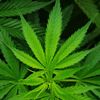
Cannabis

cannabisCannabis (/ˈkænəbɪs/) is a genus of flowering plants in the family Cannabaceae. The number of species within the genus is disputed. Three species may be recognized: Cannabis sativa, Cannabis indica, and Cannabis ruderalis; C. ruderalis may be included within C. sativa; or all three may be treated as subspecies of a single species, C. sativa. The genus is indigenous to central Asia and the Indian subcontinent.

Cannabis has long been used for hemp fibre, for hemp oils, for medicinal purposes, and as a recreational drug. Industrial hemp products are made from cannabis plants selected to produce an abundance of fiber. To satisfy the UN Narcotics Convention, some cannabis strains have been bred to produce minimal levels of tetrahydrocannabinol (THC), the principal psychoactive constituent. Many plants have been selectively bred to produce a maximum of THC (cannabinoids), which is obtained by curing the flowers. Various compounds, including hashish and hash oil, are extracted from the plant.

Globally, in 2013, 60,400 kilograms of cannabis were produced legally. In 2014 there were an estimated 182.5 million cannabis users (3.8% of the population aged 15–64). This percentage has not changed significantly between 1998 and 2014.

Cannabis is an annual, dioecious, flowering herb. The leaves are palmately compound or digitate, with serrate leaflets. The first pair of leaves usually have a single leaflet, the number gradually increasing up to a maximum of about thirteen leaflets per leaf (usually seven or nine), depending on variety and growing conditions. At the top of a flowering plant, this number again diminishes to a single leaflet per leaf. The lower leaf pairs usually occur in an opposite leaf arrangement and the upper leaf pairs in an alternate arrangement on the main stem of a mature plant.

The leaves have a peculiar and diagnostic venation pattern that enables persons poorly familiar with the plant to distinguish a cannabis leaf from unrelated species that have confusingly similar leaves (see illustration). As is common in serrated leaves, each serration has a central vein extending to its tip. However, the serration vein originates from lower down the central vein of the leaflet, typically opposite to the position of, not the first notch down, but the next notch. This means that on its way from the midrib of the leaflet to the point of the serration, the vein serving the tip of the serration passes close by the intervening notch. Sometimes the vein will actually pass tangent to the notch, but often it will pass by at a small distance, and when that happens a spur vein (occasionally a pair of such spur veins) branches off and joins the leaf margin at the deepest point of the notch. This venation pattern varies slightly among varieties, but in general it enables one to tell Cannabis leaves from superficially similar leaves without difficulty and without special equipment. Tiny samples of Cannabis plants also can be identified with precision by microscopic examination of leaf cells and similar features, but that requires special expertise and equipment.

The plant is believed to have originated in the mountainous regions northwest of the Himalayas. It is also known as hemp, although this term is often used to refer only to varieties of Cannabis cultivated for non-drug use.

Reproduction

Cannabis normally has imperfect flowers, with staminate "male" and pistillate "female" flowers occurring on separate plants. It is not unusual, however, for individual plants to bear both male and female flowers. Although monoecious plants are often referred to as "hermaphrodites", true hermaphrodites (which are less common) bear staminate and pistillate structures together on individual flowers, whereas monoecious plants bear male and female flowers at different locations on the same plant. Male flowers are normally borne on loose panicles, and female flowers are borne on racemes. "At a very early period the Chinese recognized the Cannabis plant as dioecious", and the (c. 3rd century BCE) Erya dictionary defined xi "male Cannabis" and fu (or ju ) "female Cannabis".

All known strains of Cannabis are wind-pollinated and the fruit is an achene. Most strains of Cannabis are short day plants, with the possible exception of C. sativa subsp. sativa var. spontanea (= C. ruderalis), which is commonly described as "auto-flowering" and may be day-neutral.

Biochemistry and drugs

Cannabis plants produce a group of chemicals called cannabinoids, which produce mental and physical effects when consumed.

Cannabinoids, terpenoids, and other compounds are secreted by glandular trichomes that occur most abundantly on the floral calyxes and bracts of female plants. As a drug it usually comes in the form of dried flower buds (marijuana), resin (hashish), or various extracts collectively known as hashish oil. In the early 20th century, it became illegal in most of the world to cultivate or possess Cannabis for sale or personal use.


  • Cannabis sativa: A comprehensive ethnopharmacological review of a medicinal plant with a long history.

    Abstract Title:

    Cannabis sativa: A comprehensive ethnopharmacological review of a medicinal plant with a long history.

    Abstract Source:

    J Ethnopharmacol. 2018 Dec 5 ;227:300-315. Epub 2018 Sep 8. PMID: 30205181

    Abstract Author(s):

    Sara Anna Bonini, Marika Premoli, Simone Tambaro, Amit Kumar, Giuseppina Maccarinelli, Maurizio Memo, Andrea Mastinu

    Article Affiliation:

    Sara Anna Bonini

    Abstract:

    ETHNOPHARMACOLOGICAL RELEVANCE:Cannabis sativa L. (C. sativa) is an annual dioecious plant, which shares its origins with the inception of the first agricultural human societies in Asia. Over the course of time different parts of the plant have been utilized for therapeutic and recreational purposes, for instance, extraction of healing oils from seed, or the use of inflorescences for their psychoactive effects. The key psychoactive constituent in C. sativa is calledΔ-9-tetrahydrocannabinol (D9-THC). The endocannabinoid system seems to be phylogenetically ancient, as it was present in the most primitive vertebrates with a neuronal network. N-arachidonoylethanolamine (AEA) and 2-arachidonoyl glycerol (2-AG) are the main endocannabinoids ligands present in the animal kingdom, and the main endocannabinoid receptors are cannabinoid type-1 (CB1) receptor and cannabinoid type-2 (CB2) receptor.

    AIM OF THE STUDY:The review aims to provide a critical and comprehensive evaluation, from the ancient times to our days, of the ethnological, botanical, chemical and pharmacological aspects of C. sativa, with a vision for promoting further pharmaceutical research to explore its complete potential as a therapeutic agent.

    MATERIALS AND METHODS:This study was performed by reviewing in extensive details the studies on historical significance and ethnopharmacological applications of C. sativa by using international scientific databases, books, Master's and Ph.D. dissertations and government reports. In addition, we also try to gather relevant information from large regional as well as global unpublished resources. In addition, the plant taxonomy was validated using certified databases such as Medicinal Plant Names Services (MPNS) and The Plant List.

    RESULTS AND CONCLUSIONS:A detailed comparative analysis of the available resources for C. sativa confirmed its origin and traditional spiritual, household and therapeutic uses and most importantly its popularity as a recreational drug. The result of several studies suggested a deeper involvement of phytocannabinoids (the key compounds in C. sativa) in several others central and peripheral pathophysiological mechanisms such as food intake, inflammation, pain, colitis, sleep disorders, neurological and psychiatric illness. However, despite their numerous medicinal benefits, they are still considered as a menace to the society and banned throughout the world, except for few countries. We believe that this review will help lay the foundation for promoting exhaustive pharmacological and pharmaceutical studies in order to better understand the clinical relevance and applications of non-psychoactive cannabinoids in the prevention and treatment of life-threatening diseases and help to improve the legal status of C. sativa.

  • Cannabis sativa: The Plant of the Thousand and One Molecules📎

    Abstract Title:

    Cannabis sativa: The Plant of the Thousand and One Molecules.

    Abstract Source:

    Front Plant Sci. 2016 ;7:19. Epub 2016 Feb 4. PMID: 26870049

    Abstract Author(s):

    Christelle M Andre, Jean-Francois Hausman, Gea Guerriero

    Article Affiliation:

    Christelle M Andre

    Abstract:

    Cannabis sativa L. is an important herbaceous species originating from Central Asia, which has been used in folk medicine and as a source of textile fiber since the dawn of times. This fast-growing plant has recently seen a resurgence of interest because of its multi-purpose applications: it is indeed a treasure trove of phytochemicals and a rich source of both cellulosic and woody fibers. Equally highly interested in this plant are the pharmaceutical and construction sectors, since its metabolites show potent bioactivities on human health and its outer and inner stem tissues can be used to make bioplastics and concrete-like material, respectively. In this review, the rich spectrum of hemp phytochemicals is discussed by putting a special emphasis on molecules of industrial interest, including cannabinoids, terpenes and phenolic compounds, and their biosynthetic routes. Cannabinoids represent the most studied group of compounds, mainly due to their wide range of pharmaceutical effects in humans, including psychotropic activities. The therapeutic and commercial interests of some terpenes and phenolic compounds, and in particular stilbenoids and lignans, are also highlighted in view of the most recent literature data. Biotechnological avenues to enhance the production and bioactivity of hemp secondary metabolites are proposed by discussing the power of plant genetic engineering and tissue culture. In particular two systems are reviewed, i.e., cell suspension and hairy root cultures. Additionally, an entire section is devoted to hemp trichomes, in the light of their importance as phytochemical factories. Ultimately, prospects on the benefits linked to the use of the -omics technologies, such as metabolomics and transcriptomics to speed up the identification and the large-scale production of lead agents from bioengineered Cannabis cell culture, are presented.

  • Cannabis Treats HPV Vaccine Side Effects, Study Suggests

    facebook Share on Facebook

    Human papillomavirus (HPV) vaccination has stirred up a ton of controversy, with overwhelming evidence, including a 2017 study released by a World Health Organization (WHO) monitoring centre in Sweden, revealing that the vaccine can produce clusters of serious adverse events that include complex regional pain syndrome (CRPS), postural orthostatic tachycardia syndrome (POTS), and chronic fatigue syndrome (CFS) more so than any other vaccine.

  • Cannabis-derived substances in cancer therapy--an emerging anti-inflammatory role for the cannabinoids.

    Abstract Title:

    Cannabis-derived substances in cancer therapy--an emerging anti-inflammatory role for the cannabinoids.

    Abstract Source:

    Curr Clin Pharmacol. 2010 Sep 6. Epub 2010 Sep 6. PMID: 20925645

    Abstract Author(s):

    Wai M Liu, Daniel W Fowler, Angus G Dalgleish

    Article Affiliation:
    Abstract:

    Cannabinoids, the active components of the cannabis plant, have some clinical merit both as an anti-emetic and appetite stimulant in cachexic patients. Recently, interest in developing cannabinoids as therapies has increased following reports that they possess anti-tumour properties. Research into cannabinoids as anti-cancer agents is in its infancy, and has mainly focussed on the pro-apoptotic effects of this class of agent. Impressive anti-cancer activities have been reported; actions that are mediated in large part by disruptions to ubiquitous signalling pathways such as ERK and PI3-K. However, recent developments have highlighted a putative role for cannabinoids as anti-inflammatory agents. Chronic inflammation has been associated with neoplasia for sometime, and as a consequence, reducing inflammation as a way of impacting cancer presents a new role for these compounds. This article reviews the ever-changing relationship between cannabinoids and cancer, and updates our understanding of this class of agent. Furthermore, the relationship between chronic inflammation and cancer, and how cannabinoids can impact this relationship will be described.

  • Cannabis, Cannabinoids, and Sleep: a Review of the Literature.

    Abstract Title:

    Cannabis, Cannabinoids, and Sleep: a Review of the Literature.

    Abstract Source:

    Curr Psychiatry Rep. 2017 Apr ;19(4):23. PMID: 28349316

    Abstract Author(s):

    Kimberly A Babson, James Sottile, Danielle Morabito

    Article Affiliation:

    Kimberly A Babson

    Abstract:

    PURPOSE OF REVIEW:The current review aims to summarize the state of research on cannabis and sleep up to 2014 and to review in detail the literature on cannabis and specific sleep disorders from 2014 to the time of publication.

    RECENT FINDINGS:Preliminary research into cannabis and insomnia suggests that cannabidiol (CBD) may have therapeutic potential for the treatment of insomnia. Delta-9 tetrahydrocannabinol (THC) may decrease sleep latency but could impair sleep quality long-term. Novel studies investigating cannabinoids and obstructive sleep apnea suggest that synthetic cannabinoids such as nabilone and dronabinol may have short-term benefit for sleep apnea due to their modulatory effects on serotonin-mediated apneas. CBD may hold promise for REM sleep behavior disorder and excessive daytime sleepiness, while nabilone may reduce nightmares associated with PTSD and may improve sleep among patients with chronic pain. Research on cannabis and sleep is in its infancy and has yielded mixed results. Additional controlled and longitudinal research is critical to advance our understanding of research and clinical implications.

  • Cannabis, pain, and sleep: lessons from therapeutic clinical trials of Sativex, a cannabis-based medicine.

    Abstract Title:

    Cannabis, pain, and sleep: lessons from therapeutic clinical trials of Sativex, a cannabis-based medicine.

    Abstract Source:

    Chem Biodivers. 2007 Aug ;4(8):1729-43. PMID: 17712817

    Abstract Author(s):

    Ethan B Russo, Geoffrey W Guy, Philip J Robson

    Article Affiliation:

    Ethan B Russo

    Abstract:

    Cannabis sativa L. has been utilized for treatment of pain and sleep disorders since ancient times. This review examines modern studies on effects of Delta9-tetrahydrocannabinol (THC) and cannabidiol (CBD) on sleep. It goes on to report new information on the effects on sleep in the context of medical treatment of neuropathic pain and symptoms of multiple sclerosis, employing standardized oromucosal cannabis-based medicines containing primarily THC, CBD, or a 1 : 1 combination of the two (Sativex). Sleep-laboratory results indicate a mild activating effect of CBD, and slight residual sedation with THC-predominant extracts. Experience to date with Sativex in numerous Phase I-III studies in 2000 subjects with 1000 patient years of exposure demonstrate marked improvement in subjective sleep parameters in patients with a wide variety of pain conditions including multiple sclerosis, peripheral neuropathic pain, intractable cancer pain, and rheumatoid arthritis, with an acceptable adverse event profile. No tolerance to the benefit of Sativex on pain or sleep, nor need for dosage increases have been noted in safety extension studies of up to four years, wherein 40-50% of subjects attained good or very good sleep quality, a key source of disability in chronic pain syndromes that may contribute to patients' quality of life.

  • Cannabisin B induces autophagic cell death by inhibiting the AKT/mTOR pathway and S phase cell cycle arrest in HepG2 cells.

    Abstract Title:

    Cannabisin B induces autophagic cell death by inhibiting the AKT/mTOR pathway and S phase cell cycle arrest in HepG2 cells.

    Abstract Source:

    Food Chem. 2013 Jun 1 ;138(2-3):1034-41. Epub 2012 Dec 5. PMID: 23411211

    Abstract Author(s):

    Tianpeng Chen, Jianxiong Hao, Jinfeng He, Jianchun Zhang, Yingcong Li, Rui Liu, Lite Li

    Article Affiliation:

    Tianpeng Chen

    Abstract:

    This study investigates the anticancer properties of cannabisin B, purified from hempseed hull, in HepG2 human hepatoblastoma cells. The results indicate that cannabisin B significantly inhibited cell proliferation by inducing autophagic cell death rather than typical apoptosis. Cell viability transiently increased upon the addition of a low concentration of cannabisin B but decreased upon the addition of high concentrations. Cannabisin B-induced changes in cell viability were completely inhibited by pre-treatment with 3-methyladenine (3-MA), indicating that the induction of autophagy by cannabisin B caused cell death. Additionally, cannabisin B induced S phase cell cycle arrest in a dose-dependent manner. Moreover, cannabisin B was found to inhibit survival signaling by blocking the activation of AKT and down-stream targets of the mammalian target of rapamycin (mTOR). These findings suggest that cannabisin B possesses considerable antiproliferative activity and that it may be utilised as a promising chemopreventive agent against hepatoblastoma disease.

  • Cannabisin F from Hemp (Cannabis sativa) Seed Suppresses Lipopolysaccharide-Induced Inflammatory Responses in BV2 Microglia as SIRT1 Modulator📎

    Abstract Title:

    Cannabisin F from Hemp (Cannabis sativa) Seed Suppresses Lipopolysaccharide-Induced Inflammatory Responses in BV2 Microglia as SIRT1 Modulator.

    Abstract Source:

    Int J Mol Sci. 2019 Jan 25 ;20(3). Epub 2019 Jan 25. PMID: 30691004

    Abstract Author(s):

    Shanshan Wang, Qian Luo, Peihong Fan

    Article Affiliation:

    Shanshan Wang

    Abstract:

    Hemp seed (Fructus cannabis) is rich in lignanamides, and initial biological screening tests showed their potential anti-inflammatory and anti-oxidative capacity. This study investigated the possible effects and underlying mechanism of cannabisin F, a hempseed lignanamide, against inflammatory response and oxidative stress in lipopolysaccharide (LPS)-stimulated BV2 microglia cells. Cannabisin F suppressed the production and the mRNA levels of pro-inflammatory mediators such as interleukin 6 (IL-6) and tumor necrosis factorα (TNF-α) in a concentration-dependent manner in LPS-stimulated BV2 microglia cell. Furthermore, cannabisin F enhanced SIRT1 expression and blocked LPS-induced NF-κB (Nuclear factor kappa B) signaling pathway activation by inhibiting phosphorylation of IκBα (Inhibit proteins of nuclear factor kappaB) and NF-κB p65. And the SIRT1 inhibitor EX527 significantly inhibited the effect of cannabisin F on pro-inflammatory cytokines production, suggesting that the anti-inflammatory effects of cannabisin F are SIRT1-dependent. In addition, cannabisin F reduced the production of cellular reactive oxygen species (ROS) and promoted the expression of Nrf2 (Nuclear factor erythroid-2 related factor 2) and HO-1 (Heme Oxygenase-1), suggesting that the anti-oxidative effects of cannabisin F are related to Nrf2 signaling pathway. Collectively, these results suggest that the neuro-protection effect ofcannabisin F against LPS-induced inflammatory response and oxidative stress in BV2 microglia cells involves the SIRT1/NF-κB and Nrf2 pathway.

  • CBD clampdown could be reversed as EU hears new evidence

    facebook Share on Facebook
    CBD clampdown could be reversed as EU hears new evidence image

    The clampdown on CBD (cannabidiol) oils—which would have seen products removed from shelves throughout the 28 countries of the European Union (EU)—is being reconsidered.

    The EU had planned to ban from sale all CBD products for at least 18 months while their safety was evaluated. The products fell into the EU's 'novel foods' category, which includes supplements and therapeutic remedies that have been used only since 1997 and their safety hasn't been properly tested.

  • CBD oils pulled from UK stores following EU alert

    facebook Share on Facebook
    CBD oils pulled from UK stores following EU alert image

    CBD oil products are being pulled from stores across the UK as health watchdogs clamp down on their sale until they are proven to be safe and effective.

    The move is part of a Europe-wide ban after the EU's European Commission reclassified the oils—derived from cannabis and hemp—as 'novel foods.' Acting on the ruling, the UK's Food Standards Agency (FSA) is instructing local trading standards officers to seize supplies being sold in stores. An FSA spokesman said it was "putting in transition measures to aid enforcement."

  • CLG from Hemp Seed Inhibits LPS-Stimulated Neuroinflammation in BV2 Microglia by Regulating NF-κB and Nrf-2 Pathways📎

    Abstract Title:

    CLG from Hemp Seed Inhibits LPS-Stimulated Neuroinflammation in BV2 Microglia by Regulating NF-κB and Nrf-2 Pathways.

    Abstract Source:

    ACS Omega. 2019 Oct 8 ;4(15):16517-16523. Epub 2019 Sep 26. PMID: 31616830

    Abstract Author(s):

    Shanshan Wang, Qian Luo, Yuefang Zhou, Peihong Fan

    Article Affiliation:

    Shanshan Wang

    Abstract:

    The healthy benefits of hemp (L.) seed have often been attributed to its oils and proteins. Recent studies reveal that hemp seed phenylpropionamides could also show various bioactivities. Continuation of our study on hemp seed provided a phenylpropionamide, coumaroylaminobutanol glucopyranoside (CLG). This work investigated the neuroprotective effect of CLG and its underlying mechanism using lipopolysaccharide-induced BV2 microglia. Our study demonstrated that CLG increased adenosine monophosphate-activated protein kinase (AMPK) expression, suppressed the nuclear factor-kappa B (NF-κB) signaling pathway by inhibiting the phosphorylation of IκBα and NF-κB p65 and decreased proinflammatory cytokine levels in a concentration-dependent manner. Furthermore, CLG reduced the production of cellular reactive oxygen species and stimulated the nuclear factor erythroid 2-related factor 2 (Nrf-2) signaling pathway. Collectively, these results suggested that CLG effectively and simultaneously inhibited inflammatory responses and oxidative stress through the NF-κB and Nrf-2 signaling pathways. AMPK was also involved in the anti-inflammatory effect of CLG. This study provides new insights into the diverse bioactive constituents of hemp seed.

  • Comparative in silico analyses of Cannabis sativa, Prunella vulgaris and Withania somnifera compounds elucidating the medicinal properties against rheumatoid arthritis.

    Abstract Title:

    Comparative in silico analyses of Cannabis sativa, Prunella vulgaris and Withania somnifera compounds elucidating the medicinal properties against rheumatoid arthritis.

    Abstract Source:

    J Mol Graph Model. 2017 Apr 19 ;74:296-304. Epub 2017 Apr 19. PMID: 28472734

    Abstract Author(s):

    Mehreen Zaka, Sheikh Arslan Sehgal, Shagufta Shafique, Bilal Haider Abbasi

    Article Affiliation:

    Mehreen Zaka

    Abstract:

    From last decade, there has been progressive improvement in computational drug designing. Several diseases are being cured from different plant extracts and products. Rheumatoid arthritis (RA) is the most shared disease among auto-inflammatory diseases. Tumor necrosis factor (TNF)-α is associated with RA pathway and has adverse effects. Extensive literature review showed that plant species under study (Cannabis sativa, Prunella vulgaris and Withania somnifera) possess anti-inflammatory, anti-arthritic and anti-rheumatic properties. 13 anti-inflammatory compounds were characterized and filtered out from medicinal plant species and analyzed for RA by targeting TNF-α through in silico analyses. By using ligand based pharmacophore generation approach and virtual screening against natural products libraries we retrieved twenty unique molecules that displayed utmost bindingaffinity, least binding energies and effective drug properties. The docking analyses revealed that Ala-22, Glu-23, Ser-65, Gln-67, Tyr-141, Leu-142, Asp-143, Phe-144 and Ala-145 were critical interacting residues for receptor-ligand interactions. It is proposed that the RA patients should use reported compounds for the prescription of RA by targeting TNF-α. This report is opening new dimensions for designing innovative therapeutic targets to cure RA.

  • Could CBD Oil Be One Of The Best Things For Stress Relief, Mood Disorders, PMS & PSTD?

    facebook Share on Facebook

    It’s no secret that life today for most people is incredibly stressful, and where much of the population aren’t happy, aren’t sleeping very well and may even be suffering with extreme nervous system issues. Left untreated, all of this adds up to being a very concerning health problem that may have severe consequences to your quality of life.

    Severe stress can literally kill you, as it causes damage to your heart, gut, brain and so forth. There is really no bodily system that does not become negatively affected by stress. The more stress you have, the worse it is for your health. Many of these issues are often treated with pharmaceutical drugs, but is this the safest option? What could these drugs be doing to people long term?

    Could taking CBD oil regularly be a credible solution? What does the science say about this?

    We love writing about the wonders of CBD oil here at Collective Evolution, and we have published many articles on what CBD oil can do for us. I’m sharing this with you today from both a personal point of view, and I also want to back up what has happened to me with scientific evidence.
    Childhood Trauma Affects How We Deal With Stress

  • Delta 9-tetrahydrocannabinol inhibits cell cycle progression by downregulation of E2F1 in human glioblastoma multiforme cells📎

    Abstract Title:

    Delta 9-tetrahydrocannabinol inhibits cell cycle progression by downregulation of E2F1 in human glioblastoma multiforme cells.

    Abstract Source:

    Acta Oncol. 2008;47(6):1062-70. PMID: 17934890

    Abstract Author(s):

    Gil Galanti, Tamar Fisher, Iris Kventsel, Jacob Shoham, Ruth Gallily, Raphael Mechoulam, Gad Lavie, Ninette Amariglio, Gideon Rechavi, Amos Toren

    Article Affiliation:

    The Mina and Everard Goodman Faculty of Life Science, Bar-Ilan University, Ramat-Gan, Israel.

    Abstract:

    BACKGROUND:The active components of Cannabis sativa L., Cannabinoids, traditionally used in the field of cancer for alleviation of pain, nausea, wasting and improvement of well-being have received renewed interest in recent years due to their diverse pharmacologic activities such as cell growth inhibition, anti-inflammatory activity and induction of tumor regression. Here we used several experimental approaches, which identified delta-9-tetrahydrocannabinol (Delta(9)-THC) as an essential mediator of cannabinoid antitumoral action.

    METHODS AND RESULTS:Administration of Delta(9)-THC to glioblastoma multiforme (GBM) cell lines results in a significant decrease in cell viability. Cell cycle analysis showed G(0/1) arrest and did not reveal occurrence of apoptosis in the absence of any sub-G(1) populations. Western blot analyses revealed a THC altered cellular content of proteins that regulate cell progression through the cell cycle. The cell content of E2F1 and Cyclin A, two proteins that promote cell cycle progression, were suppressed in both U251-MG and U87-MG human glioblastoma cell lines, whereas the level of p16(INK4A), a cell cycle inhibitor was upregulated. Transcription of thymidylate synthase (TS) mRNA, which is promoted by E2F1, also declined as evident by QRT-PCR. The decrease in E2F1 levels resulted from proteasome mediated degradation and was prevented by proteasome inhibitors.

    CONCLUSIONS:Delta(9)-THC is shown to significantly affect viability of GBM cells via a mechanism that appears to elicit G(1) arrest due to downregulation of E2F1 and Cyclin A. Hence, it is suggested that Delta(9)-THC and other cannabinoids be implemented in future clinical evaluation as a therapeutic modality for brain tumors.

  • Delta(9)-tetrahydrocannabinol inhibits 17beta-estradiol-induced proliferation and fails to activate androgen and estrogen receptors in MCF7 human breast cancer cells📎

    Abstract Title:

    Delta(9)-tetrahydrocannabinol inhibits 17beta-estradiol-induced proliferation and fails to activate androgen and estrogen receptors in MCF7 human breast cancer cells.

    Abstract Source:

    Anticancer Res. 2008 Jan-Feb;28(1A):85-9. PMID: 18383828

    Abstract Author(s):

    A O von Bueren, M Schlumpf, W Lichtensteiger

    Article Affiliation:

    Institute of Pharmacology and Toxicology, University of Zurich, Switzerland. This email address is being protected from spambots. You need JavaScript enabled to view it.

    Abstract:

    BACKGROUND: Delta(9)-tetrahydrocannabinol (THC) exerts palliative effects in cancer patients, but produces adverse effects on the endocrine and reproductive systems. Experimental evidence concerning such effects is controversial. Whether THC exhibits estrogenic or androgenic activity in vitro was investigated. MATERIALS AND METHODS: Estrogenic effects of THC were analyzed in vitro by measuring the proliferation of estrogen-sensitive MCF7 cells. Androgenic activity was investigated by the A-Screen assay that measures androgen-dependent inhibition of proliferation of the androgen receptor (AR)-positive human mammary carcinoma cell line, MCF7-AR1. RESULTS: In contrast to 17beta-estradiol, included as positive control with an EC50 value (concentration required for 50% of maximal 17beta-estradiol-induced proliferation) of 1.00 x 10(-12) M, THC failed to induce cell proliferation in the MCF7 cell line at concentrations between 10(-13) and 10(-4) M. THC inhibited 17beta-estradiol-induced proliferation in wild-type MCF7 and MCF7-AR1 cells, with an IC50 value of 2.6 x 10(-5) M and 9 x 10(-6) M, respectively. CONCLUSION: THC failed to act as an estrogen, but antagonized 17beta-estradiol-induced proliferation. This effect was independent of the AR expression level.

  • Delta9-tetrahydrocannabinol and cannabidiol modulate mitogen-induced tryptophan degradation and neopterin formation in peripheral blood mononuclear cells in vitro.

    Abstract Title:

    Delta9-tetrahydrocannabinol and cannabidiol modulate mitogen-induced tryptophan degradation and neopterin formation in peripheral blood mononuclear cells in vitro.

    Abstract Source:

    J Neuroimmunol. 2009 Feb 15 ;207(1-2):75-82. Epub 2009 Jan 22. PMID: 19167098

    Abstract Author(s):

    Marcel Jenny, Elisabeth Santer, Eberhard Pirich, Harald Schennach, Dietmar Fuchs

    Article Affiliation:

    Marcel Jenny

    Abstract:

    Nanomolar concentrations of Delta9-tetrahydrocannabinol or cannabidiol are demonstrated to enhance mitogen-induced degradation of tryptophan in human peripheral blood mononuclear cells in dependence of CB1- or CB2-receptor activation. In contrast, suppression of this pathway by cannabinoids in the micromolar concentration range was achieved independent of cannabinoid receptor activation. Both cannabinoids also suppressed tryptophan degradation in myelomonocytic THP-1 cells stimulated with lipopolysaccharide. We conclude, that suppression of tryptophan degradation by cannabinoids via indoleamine-2,3-dioxygenase, which is independent of cannabinoid receptor activation, might enhance the availability of tryptophan for serotonin biosynthesis and consequently can be important in the action of cannabinoids to improve mood disturbances.

  • Delta9-tetrahydrocannabinol inhibits cell cycle progression in human breast cancer cells through Cdc2 regulation📎

    Abstract Title:

    Delta9-tetrahydrocannabinol inhibits cell cycle progression in human breast cancer cells through Cdc2 regulation.

    Abstract Source:

    Cancer Res. 2006 Jul 1;66(13):6615-21. PMID: 16818634

    Abstract Author(s):

    María M Caffarel, David Sarrió, José Palacios, Manuel Guzmán, Cristina Sánchez

    Abstract:

    It has been proposed that cannabinoids are involved in the control of cell fate. Thus, these compounds can modulate proliferation, differentiation, and survival in different manners depending on the cell type and its physiopathologic context. However, little is known about the effect of cannabinoids on the cell cycle, the main process controlling cell fate. Here, we show that Delta(9)-tetrahydrocannabinol (THC), through activation of CB(2) cannabinoid receptors, reduces human breast cancer cell proliferation by blocking the progression of the cell cycle and by inducing apoptosis. In particular, THC arrests cells in G(2)-M via down-regulation of Cdc2, as suggested by the decreased sensitivity to THC acquired by Cdc2-overexpressing cells. Of interest, the proliferation pattern of normal human mammary epithelial cells was much less affected by THC. We also analyzed by real-time quantitative PCR the expression of CB(1) and CB(2) cannabinoid receptors in a series of human breast tumor and nontumor samples. We found a correlation between CB(2) expression and histologic grade of the tumors. There was also an association between CB(2) expression and other markers of prognostic and predictive value, such as estrogen receptor, progesterone receptor, and ERBB2/HER-2 oncogene. Importantly, no significant CB(2) expression was detected in nontumor breast tissue. Taken together, these data might set the bases for a cannabinoid therapy for the management of breast cancer.

  • Effects of cannabidiol (CBD) in neuropsychiatric disorders: A review of pre-clinical and clinical findings.

    Abstract Title:

    Effects of cannabidiol (CBD) in neuropsychiatric disorders: A review of pre-clinical and clinical findings.

    Abstract Source:

    Prog Mol Biol Transl Sci. 2019 ;167:25-75. Epub 2019 Aug 28. PMID: 31601406

    Abstract Author(s):

    Sonja Elsaid, Stefan Kloiber, Bernard Le Foll

    Article Affiliation:

    Sonja Elsaid

    Abstract:

    Cannabis sativa (cannabis) is one of the oldest plants cultivated by men. Cannabidiol (CBD) is the major non-psychomimetic compound derived from cannabis. It has been proposed to have a therapeutic potential over a wide range of neuropsychiatric disorders. In this narrative review, we have summarized a selected number of pre-clinical and clinical studies, examining the effects of CBD in neuropsychiatric disorders. In some pre-clinical studies, CBD was demonstrated to potentially exhibit anti-epileptic, anti-oxidant, anti-inflammatory anti-psychotic, anxiolytic and anti-depressant properties. Moreover, CBD was shown to reduce addictive effects of some drugs of abuse. In clinical studies, CBD was shown to be safe, well-tolerated and efficacious in mitigating the symptoms associated with several types of seizure disorders and childhood epilepsies. Given that treatment with CBD alone was insufficient at managing choreic movements in patients with Huntington's disease, other cannabis-derived treatments are currently being investigated. Patients with Parkinson's disease (PD) have reported improvements in sleep and better quality of life with CBD; however, to fully elucidate the therapeutic potential of CBD on the symptoms of PD-associated movement disorders, larger scale, randomized, placebo-controlled studies still need to be conducted in the future. Currently, there are no human studies that investigated the effects of CBD in either Alzheimer's disease or unipolar depression, warranting further investigation in this area, considering that CBD was shown to have effects in pre-clinical studies. Although, anxiolytic properties of CBD were reported in the Social Anxiety Disorder, antipsychotic effects in schizophrenia and anti-addictive qualities in alcohol and drug addictions, here too, larger, randomized, placebo-controlled trials are needed to evaluate the therapeutic potential of CBD.

  • Effects of cannabidiol interactions with Wnt/β-catenin pathway and PPARγ on oxidative stress and neuroinflammation in Alzheimer's disease📎

    Abstract Title:

    Effects of cannabidiol interactions with Wnt/β-catenin pathway and PPARγ on oxidative stress and neuroinflammation in Alzheimer's disease.

    Abstract Source:

    Acta Biochim Biophys Sin (Shanghai). 2017 Oct 1 ;49(10):853-866. PMID: 28981597

    Abstract Author(s):

    Alexandre Vallée, Yves Lecarpentier, Rémy Guillevin, Jean-Noël Vallée

    Article Affiliation:

    Alexandre Vallée

    Abstract:

    Alzheimer's disease (AD) is a neurodegenerative disease, in which the primary etiology remains unknown. AD presents amyloid beta (Aβ) protein aggregation and neurofibrillary plaque deposits. AD shows oxidative stress and chronic inflammation. In AD, canonical Wingless-Int (Wnt)/β-catenin pathway is downregulated, whereas peroxisome proliferator-activated receptor γ (PPARγ) is increased. Downregulation of Wnt/β-catenin, through activation of glycogen synthase kinase-3β (GSK-3β) by Aβ, and inactivation of phosphatidylinositol 3-kinase/Akt signaling involve oxidative stress in AD. Cannabidiol (CBD) is a non-psychotomimetic phytocannabinoid from Cannabis sativa plant. In PC12 cells, Aβ-induced tau protein hyperphosphorylation is inhibited by CBD. This inhibition is associated with a downregulation of p-GSK-3β, an inhibitor of Wnt pathway. CBD may also increase Wnt/β-catenin by stimulation of PPARγ, inhibition of Aβ and ubiquitination of amyloid precursor protein. CBD attenuates oxidative stress and diminishes mitochondrial dysfunction and reactive oxygen species generation. CBD suppresses, through activation of PPARγ, pro-inflammatory signaling and may be a potential new candidate for AD therapy.

  • Efficacy of cannabinoids in paediatric epilepsy📎

    Abstract Title:

    Efficacy of cannabinoids in paediatric epilepsy.

    Abstract Source:

    Dev Med Child Neurol. 2019 Jan ;61(1):13-18. Epub 2018 Nov 6. PMID: 30402932

    Abstract Author(s):

    Shayma Ali, Ingrid E Scheffer, Lynette G Sadleir

    Article Affiliation:

    Shayma Ali

    Abstract:

    There are hundreds of compounds found in the marijuana plant, each contributing differently to the antiepileptic and psychiatric effects. Cannabidiol (CBD) has the most evidence of antiepileptic efficacy and does not have the psychoactive effects of∆-tetrahydrocannabinol. CBD does not act via cannabinoid receptors and its antiepileptic mechanism of action is unknown. Despite considerable community interest in the use of CBD for paediatric epilepsy, there has been little evidence for its use apart from anecdotal reports, until the last year. Three randomized, placebo-controlled, double-blind trials in Dravet syndrome and Lennox-Gastaut syndrome found that CBD produced a 38% to 41% median reduction in all seizures compared to 13% to 19% on placebo. Similarly, CBD resulted in a 39% to 46% responder rate (50% convulsive or drop-seizure reduction) compared to 14% to 27% on placebo. CBD was well tolerated; however, sedation, diarrhoea, and decreased appetite were frequent. CBD shows similar efficacy to established antiepileptic drugs. WHAT THIS PAPER ADDS: Cannabidiol (CBD) shows similar efficacy in the severe paediatric epilepsies to other antiepileptic drugs. Careful down-titration of benzodiazepines is essential to minimize sedation with adjunctive CBD.

We use cookies on our website. Some of them are essential for the operation of the site, while others help us to improve this site and the user experience (tracking cookies). You can decide for yourself whether you want to allow cookies or not. Please note that if you reject them, you may not be able to use all the functionalities of the site.