CYBERMED LIFE - ORGANIC  & NATURAL LIVING
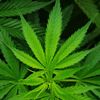
Cannabis

cannabisCannabis (/ˈkænəbɪs/) is a genus of flowering plants in the family Cannabaceae. The number of species within the genus is disputed. Three species may be recognized: Cannabis sativa, Cannabis indica, and Cannabis ruderalis; C. ruderalis may be included within C. sativa; or all three may be treated as subspecies of a single species, C. sativa. The genus is indigenous to central Asia and the Indian subcontinent.

Cannabis has long been used for hemp fibre, for hemp oils, for medicinal purposes, and as a recreational drug. Industrial hemp products are made from cannabis plants selected to produce an abundance of fiber. To satisfy the UN Narcotics Convention, some cannabis strains have been bred to produce minimal levels of tetrahydrocannabinol (THC), the principal psychoactive constituent. Many plants have been selectively bred to produce a maximum of THC (cannabinoids), which is obtained by curing the flowers. Various compounds, including hashish and hash oil, are extracted from the plant.

Globally, in 2013, 60,400 kilograms of cannabis were produced legally. In 2014 there were an estimated 182.5 million cannabis users (3.8% of the population aged 15–64). This percentage has not changed significantly between 1998 and 2014.

Cannabis is an annual, dioecious, flowering herb. The leaves are palmately compound or digitate, with serrate leaflets. The first pair of leaves usually have a single leaflet, the number gradually increasing up to a maximum of about thirteen leaflets per leaf (usually seven or nine), depending on variety and growing conditions. At the top of a flowering plant, this number again diminishes to a single leaflet per leaf. The lower leaf pairs usually occur in an opposite leaf arrangement and the upper leaf pairs in an alternate arrangement on the main stem of a mature plant.

The leaves have a peculiar and diagnostic venation pattern that enables persons poorly familiar with the plant to distinguish a cannabis leaf from unrelated species that have confusingly similar leaves (see illustration). As is common in serrated leaves, each serration has a central vein extending to its tip. However, the serration vein originates from lower down the central vein of the leaflet, typically opposite to the position of, not the first notch down, but the next notch. This means that on its way from the midrib of the leaflet to the point of the serration, the vein serving the tip of the serration passes close by the intervening notch. Sometimes the vein will actually pass tangent to the notch, but often it will pass by at a small distance, and when that happens a spur vein (occasionally a pair of such spur veins) branches off and joins the leaf margin at the deepest point of the notch. This venation pattern varies slightly among varieties, but in general it enables one to tell Cannabis leaves from superficially similar leaves without difficulty and without special equipment. Tiny samples of Cannabis plants also can be identified with precision by microscopic examination of leaf cells and similar features, but that requires special expertise and equipment.

The plant is believed to have originated in the mountainous regions northwest of the Himalayas. It is also known as hemp, although this term is often used to refer only to varieties of Cannabis cultivated for non-drug use.

Reproduction

Cannabis normally has imperfect flowers, with staminate "male" and pistillate "female" flowers occurring on separate plants. It is not unusual, however, for individual plants to bear both male and female flowers. Although monoecious plants are often referred to as "hermaphrodites", true hermaphrodites (which are less common) bear staminate and pistillate structures together on individual flowers, whereas monoecious plants bear male and female flowers at different locations on the same plant. Male flowers are normally borne on loose panicles, and female flowers are borne on racemes. "At a very early period the Chinese recognized the Cannabis plant as dioecious", and the (c. 3rd century BCE) Erya dictionary defined xi "male Cannabis" and fu (or ju ) "female Cannabis".

All known strains of Cannabis are wind-pollinated and the fruit is an achene. Most strains of Cannabis are short day plants, with the possible exception of C. sativa subsp. sativa var. spontanea (= C. ruderalis), which is commonly described as "auto-flowering" and may be day-neutral.

Biochemistry and drugs

Cannabis plants produce a group of chemicals called cannabinoids, which produce mental and physical effects when consumed.

Cannabinoids, terpenoids, and other compounds are secreted by glandular trichomes that occur most abundantly on the floral calyxes and bracts of female plants. As a drug it usually comes in the form of dried flower buds (marijuana), resin (hashish), or various extracts collectively known as hashish oil. In the early 20th century, it became illegal in most of the world to cultivate or possess Cannabis for sale or personal use.


  • The CB2 cannabinoid receptor signals apoptosis via ceramide-dependent activation of the mitochondrial intrinsic pathway.

    Abstract Title:

    The CB2 cannabinoid receptor signals apoptosis via ceramide-dependent activation of the mitochondrial intrinsic pathway.

    Abstract Source:

    Exp Cell Res. 2006 Jul 1 ;312(11):2121-31. Epub 2006 Apr 19. PMID: 16624285

    Abstract Author(s):

    Blanca Herrera, Arkaitz Carracedo, María Diez-Zaera, Teresa Gómez del Pulgar, Manuel Guzmán, Guillermo Velasco

    Article Affiliation:

    Blanca Herrera

    Abstract:

    Delta9-tetrahydrocannabinol and other cannabinoids exert pro-apoptotic actions in tumor cells via the CB2 cannabinoid receptor. However, the molecular mechanism involved in this effect has remained elusive. Here we used the human leukemia cell line Jurkat-that expresses CB2 as the unique CB receptor-to investigate this mechanism. Our results show that incubation with the selective CB2 antagonist SR144528 abrogated the pro-apoptotic effect of Delta9-tetrahydrocannabinol. Cannabinoid treatment led to a CB2 receptor-dependent stimulation of ceramide biosynthesis and inhibition of this pathway prevented Delta9-tetrahydrocannabinol-induced mitochondrial hypopolarization and cytochrome c release, indicating that ceramide acts at a pre-mitochondrial level. Inhibition of ceramide synthesis de novo also prevented caspase activation and apoptosis. Caspase 8 activation-an event typically related with the extrinsic apoptotic pathway-was also evident in this model. However, activation of this protease was post-mitochondrial since (i) a pan-caspase inhibitor as well as a selective caspase 8 inhibitor were unable to prevent Delta9-tetrahydrocannabinol-induced loss of mitochondrial-membrane transmembrane potential, and (ii) cannabinoid-induced caspase 8 activation was not observed in Bcl-xL over-expressing cells. In summary, results presented here show that CB2 receptor activation signals apoptosis via a ceramide-dependent stimulation of the mitochondrial intrinsic pathway.

  • The expression level of CB1 and CB2 receptors determines their efficacy at inducing apoptosis in astrocytomas📎

    Abstract Title:

    The expression level of CB1 and CB2 receptors determines their efficacy at inducing apoptosis in astrocytomas.

    Abstract Source:

    PLoS One. 2010 ;5(1):e8702. Epub 2010 Jan 14. PMID: 20090845

    Abstract Author(s):

    Eiron Cudaback, William Marrs, Thomas Moeller, Nephi Stella

    Article Affiliation:

    Eiron Cudaback

    Abstract:

    BACKGROUND:Cannabinoids represent unique compounds for treating tumors, including astrocytomas. Whether CB(1) and CB(2) receptors mediate this therapeutic effect is unclear.

    PRINCIPAL FINDINGS:We generated astrocytoma subclones that express set levels of CB(1) and CB(2), and found that cannabinoids induce apoptosis only in cells expressing low levels of receptors that couple to ERK1/2. In contrast, cannabinoids do not induce apoptosis in cells expressing high levels of receptors because these now also couple to the prosurvival signal AKT. Remarkably, cannabinoids applied at high concentration induce apoptosis in all subclones independently of CB(1), CB(2) and AKT, but still through a mechanism involving ERK1/2.

    SIGNIFICANCE:The high expression level of CB(1) and CB(2) receptors commonly found in malignant astrocytomas precludes the use of cannabinoids as therapeutics, unless AKT is concomitantly inhibited, or cannabinoids are applied at concentrations that bypass CB(1) and CB(2) receptors, yet still activate ERK1/2.

  • The influence of cannabinoids on generic traits of neurodegeneration. 📎

    Abstract Title:

    The influence of cannabinoids on generic traits of neurodegeneration.

    Abstract Source:

    Br J Pharmacol. 2014 Mar ;171(6):1347-60. PMID: 24172185

    Abstract Author(s):

    S G Fagan, V A Campbell

    Article Affiliation:

    S G Fagan

    Abstract:

    UNLABELLED:In an increasingly ageing population, the incidence of neurodegenerative disorders such as Alzheimer's disease, Parkinson's disease and Huntington's disease are rising. While the aetiologies of these disorders are different, a number of common mechanisms that underlie their neurodegenerative components have been elucidated; namely neuroinflammation, excitotoxicity, mitochondrial dysfunction and reduced trophic support. Current therapies focus on treatment of the symptoms and attempt to delay the progression of these diseases but there is currently no cure. Modulation of the endogenous cannabinoid system is emerging as a potentially viable option in the treatment of neurodegeneration. Endocannabinoid signalling has been found to be altered in many neurodegenerative disorders. To this end, pharmacological manipulation of the endogenous cannabinoid system, as well as application of phytocannabinoids and synthetic cannabinoids have been investigated. Signalling from the CB1 and CB2 receptors are known to be involved in the regulation of Ca(2+) homeostasis, mitochondrial function, trophic support and inflammatory status, respectively, while other receptors gated by cannabinoids such as PPARγ, are gaining interest in their anti-inflammatory properties. Through multiple lines of evidence, this evolutionarily conserved neurosignalling system has shown neuroprotective capabilities and is therefore a potential target for neurodegenerative disorders. This review details the mechanisms of neurodegeneration and highlights the beneficial effects of cannabinoid treatment.

    LINKED ARTICLES:This article is part of a themed section on Cannabinoids 2013. To view the other articles in this section visit undefined

  • The neuroprotection of cannabidiol against MPP(+)-induced toxicity in PC12 cells involves trkA receptors, upregulation of axonal and synaptic proteins, neuritogenesis, and might be relevant to Parkinson's disease📎

    Abstract Title:

    The neuroprotection of cannabidiol against MPP(+)-induced toxicity in PC12 cells involves trkA receptors, upregulation of axonal and synaptic proteins, neuritogenesis, and might be relevant to Parkinson's disease.

    Abstract Source:

    Toxicol In Vitro. 2015 Nov 7. Epub 2015 Nov 7. PMID: 26556726

    Abstract Author(s):

    Neife Aparecida Guinaim Santos, Nádia Maria Martins, Flávia Malvestio Sisti, Laís Silva Fernandes, Rafaela Scalco Ferreira, Regina Helena Costa Queiroz, Antônio Cardozo Santos

    Article Affiliation:

    Neife Aparecida Guinaim Santos

    Abstract:

    Cannabidiol (CBD) is a non-psychoactive constituent of Cannabis sativa with potential to treat neurodegenerative diseases. Its neuroprotection has been mainly associated with anti-inflammatory and antioxidant events; however, other mechanisms might be involved. We investigated the involvement of neuritogenesis, NGF receptors (trkA), NGF, and neuronal proteins in the mechanism of neuroprotection of CBD against MPP(+) toxicity in PC12 cells. CBD increased cell viability, differentiation, and the expression of axonal (GAP-43) and synaptic (synaptophysin and synapsin I) proteins. Its neuritogenic effect was not dependent or additive to NGF, but it was inhibited by K252a (trkA inhibitor). CBD did not increase the expression of NGF, but protected against its decrease induced by MPP(+), probably by an indirect mechanism. We also evaluated the neuritogenesis in SH-SY5Y cells, which do not express trkA receptors. CBD did not induce neuritogenesis in this cellular model, which supports the involvement of trkA receptors. This is the first study to report the involvement of neuronal proteins and trkA in the neuroprotection of CBD. Our findings suggest that CBD has a neurorestorative potential independent of NGF that might contribute to its neuroprotection against MPP(+), a neurotoxin relevant to Parkinson's disease.

  • The tumour suppressor protein, p53, is involved in the activation of the apoptotic cascade by Delta9-tetrahydrocannabinol in cultured cortical neurons.

    Abstract Title:

    The tumour suppressor protein, p53, is involved in the activation of the apoptotic cascade by Delta9-tetrahydrocannabinol in cultured cortical neurons.

    Abstract Source:

    Eur J Pharmacol. 2007 Jun 14;564(1-3):57-65. Epub 2007 Feb 22. PMID: 17379209

    Abstract Author(s):

    Eric J Downer, Aoife Gowran, Aine C Murphy, Veronica A Campbell

    Article Affiliation:

    Department of Physiology and Trinity College Institute of Neuroscience, Trinity College, Dublin 2, Ireland.

    Abstract:

    Cannabis is the most commonly used illegal drug of abuse in Western society. Delta(9)-tetrahydrocannabinol, the psychoactive ingredient of marijuana, regulates a variety of neuronal processes including neurotransmitter release and synaptic transmission. An increasing body of evidence suggests that cannabinoids play a key role in the regulation of neuronal viability. In cortical neurons tetrahydrocannabinol has a neurodegenerative effect, the mechanisms of which are poorly understood, but involve the cannabinoid receptor subtype, CB(1). In this study we report that tetrahydrocannabinol (5 muM) evokes a rapid phosphorylation, and thus activation, of the tumour suppressor protein, p53, in a manner involving the cannabinoid CB(1) receptor, and the stress-activated protein kinase, c-jun N-terminal kinase, in cultured cortical neurons. Tetrahydrocannabinol increased expression of the p53-transcriptional target, Bax and promoted Bcl phosphorylation. These events were abolished by the p53 inhibitor, pifithrin-alpha (100 nM). The tetrahydrocannabinol-induced activation of the pro-apoptotic cysteine protease, caspase-3, and DNA fragmentation was also blocked by pifithrin-alpha. A siRNA knockdown of p53 further verified the role of p53 in tetrahydrocannabinol-induced apoptosis. This study demonstrates a novel cannabinoid signalling pathway involving p53 that culminates in neuronal apoptosis.

  • Triggering of the TRPV2 channel by cannabidiol sensitizes glioblastoma cells to cytotoxic chemotherapeutic agents📎

    Abstract Title:

    Triggering of the TRPV2 channel by cannabidiol sensitizes glioblastoma cells to cytotoxic chemotherapeutic agents.

    Abstract Source:

    Carcinogenesis. 2013 Jan ;34(1):48-57. Epub 2012 Oct 18. PMID: 23079154

    Abstract Author(s):

    Massimo Nabissi, Maria Beatrice Morelli, Matteo Santoni, Giorgio Santoni

    Article Affiliation:

    Massimo Nabissi

    Abstract:

    The aggressive behavior of Glioblastoma multiforme (GBM) is mainly due to high invasiveness and proliferation rate as well as to high resistance to standard chemotherapy. Several chemotherapeutic agents like temozolomide (TMZ), carmustine (BCNU) or doxorubicin (DOXO) have been employed for treatment of GBM, but they display limited efficacy. Therefore, it is important to identify new treatment modalities to improve therapeutic effects and enhance GBM chemosensitivity. Recently, activation of the transient receptor potential vanilloid type 2 (TRPV2) has been found to inhibit human GBM cell proliferation and overcome BCNU resistance of GBM cells. Herein, we evaluated the involvement of cannabidiol (CBD)-induced TRPV2 activation, in the modulation of glioma cell chemosensitivity to TMZ, BCNU and DOXO. We found that CBD increases TRPV2 expression and activity. CBD by triggering TRPV2-dependent Ca(2+) influx increases drug uptake and synergizes with cytotoxic agents to induce apoptosis of glioma cells, whereas no effects were observed in normal human astrocytes. Moreover, as the pore region of transient receptor potential (TRP) channels is critical for ion channel permeation, we demonstrated that deletion of TRPV2 poredomain inhibits CBD-induced Ca(2+) influx, drug uptake and cytotoxic effects. Overall, we demonstrated that co-administration of cytotoxic agents together with the TRPV2 agonist CBD increases drug uptake and parallelly potentiates cytotoxic activity in human glioma cells.

  • Use of cannabidiol in anxiety and anxiety-related disorders.

    Abstract Title:

    Use of cannabidiol in anxiety and anxiety-related disorders.

    Abstract Source:

    J Am Pharm Assoc (2003). 2019 Dec 19. Epub 2019 Dec 19. PMID: 31866386

    Abstract Author(s):

    Jessica W Skelley, Crystal M Deas, Zachary Curren, Jonathan Ennis

    Article Affiliation:

    Jessica W Skelley

    Abstract:

    OBJECTIVE:Cannabidiol (CBD) has a proposed novel role in the management of anxiety owing to its actions on the endocannabinoid system. The purpose of this systematic review was to evaluate the current evidence on the safety and efficacy of CBD in anxiety and anxiety-related disorders.

    DATA SOURCES:A literature search was conducted on PubMed, Google Scholar, and International Pharmaceutical Abstracts from database inception through June 2019. A bibliographic search of relevant articles was also conducted.

    STUDY SELECTION:Articles published from case reports, case series, or randomized controlled trials on human subjects were included in the review if they examined the safety and efficacy of CBD therapy in anxiety and anxiety-related disorders.

    DATA EXTRACTION:Two reviewers independently extracted the following data from the articles: year of publication; study design; patient characteristics (sex; type of anxiety disorder; use of concomitant anxiolytic therapy); dosing strategy and route of CBD administration; and safety and efficacy outcomes.

    RESULTS:Eight articles were included in the review: 6 small, randomized controlled trials; 1 case series; and 1 case report. These studies examined the role of CBD in the anxiety response of healthy volunteers; in generalized anxiety disorder; in social anxiety disorder; and in the anxiety component of posttraumatic stress syndrome. No articles that evaluated CBD in panic disorder, specific phobia, separation anxiety, and obsessive-compulsive disorder were identified. In the studies, CBD was administered orally as a capsule or as a sublingual spray and as either monotherapy or adjunctive therapy. Doses varied widely, with studies employing fixed CBD doses ranging from 6 mg to 400 mg per dose. Various anxiety assessment scales were used in the studies to assess efficacy, with CBD demonstrating improved clinical outcomes among the instruments. In general, CBD was well-tolerated and associated with minimal adverse effects, with the most commonly noted adverse effects being fatigue and sedation.

    CONCLUSION:CBD has a promising role as alternative therapy in the management of anxiety disorders. However, more studies with standardized approaches to dosing and clinical outcome measurements are needed to determine the appropriate dosing strategy for CBD and its place in therapy.

We use cookies on our website. Some of them are essential for the operation of the site, while others help us to improve this site and the user experience (tracking cookies). You can decide for yourself whether you want to allow cookies or not. Please note that if you reject them, you may not be able to use all the functionalities of the site.