CYBERMED LIFE - ORGANIC  & NATURAL LIVING
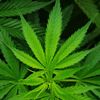
Cannabis

cannabisCannabis (/ˈkænəbɪs/) is a genus of flowering plants in the family Cannabaceae. The number of species within the genus is disputed. Three species may be recognized: Cannabis sativa, Cannabis indica, and Cannabis ruderalis; C. ruderalis may be included within C. sativa; or all three may be treated as subspecies of a single species, C. sativa. The genus is indigenous to central Asia and the Indian subcontinent.

Cannabis has long been used for hemp fibre, for hemp oils, for medicinal purposes, and as a recreational drug. Industrial hemp products are made from cannabis plants selected to produce an abundance of fiber. To satisfy the UN Narcotics Convention, some cannabis strains have been bred to produce minimal levels of tetrahydrocannabinol (THC), the principal psychoactive constituent. Many plants have been selectively bred to produce a maximum of THC (cannabinoids), which is obtained by curing the flowers. Various compounds, including hashish and hash oil, are extracted from the plant.

Globally, in 2013, 60,400 kilograms of cannabis were produced legally. In 2014 there were an estimated 182.5 million cannabis users (3.8% of the population aged 15–64). This percentage has not changed significantly between 1998 and 2014.

Cannabis is an annual, dioecious, flowering herb. The leaves are palmately compound or digitate, with serrate leaflets. The first pair of leaves usually have a single leaflet, the number gradually increasing up to a maximum of about thirteen leaflets per leaf (usually seven or nine), depending on variety and growing conditions. At the top of a flowering plant, this number again diminishes to a single leaflet per leaf. The lower leaf pairs usually occur in an opposite leaf arrangement and the upper leaf pairs in an alternate arrangement on the main stem of a mature plant.

The leaves have a peculiar and diagnostic venation pattern that enables persons poorly familiar with the plant to distinguish a cannabis leaf from unrelated species that have confusingly similar leaves (see illustration). As is common in serrated leaves, each serration has a central vein extending to its tip. However, the serration vein originates from lower down the central vein of the leaflet, typically opposite to the position of, not the first notch down, but the next notch. This means that on its way from the midrib of the leaflet to the point of the serration, the vein serving the tip of the serration passes close by the intervening notch. Sometimes the vein will actually pass tangent to the notch, but often it will pass by at a small distance, and when that happens a spur vein (occasionally a pair of such spur veins) branches off and joins the leaf margin at the deepest point of the notch. This venation pattern varies slightly among varieties, but in general it enables one to tell Cannabis leaves from superficially similar leaves without difficulty and without special equipment. Tiny samples of Cannabis plants also can be identified with precision by microscopic examination of leaf cells and similar features, but that requires special expertise and equipment.

The plant is believed to have originated in the mountainous regions northwest of the Himalayas. It is also known as hemp, although this term is often used to refer only to varieties of Cannabis cultivated for non-drug use.

Reproduction

Cannabis normally has imperfect flowers, with staminate "male" and pistillate "female" flowers occurring on separate plants. It is not unusual, however, for individual plants to bear both male and female flowers. Although monoecious plants are often referred to as "hermaphrodites", true hermaphrodites (which are less common) bear staminate and pistillate structures together on individual flowers, whereas monoecious plants bear male and female flowers at different locations on the same plant. Male flowers are normally borne on loose panicles, and female flowers are borne on racemes. "At a very early period the Chinese recognized the Cannabis plant as dioecious", and the (c. 3rd century BCE) Erya dictionary defined xi "male Cannabis" and fu (or ju ) "female Cannabis".

All known strains of Cannabis are wind-pollinated and the fruit is an achene. Most strains of Cannabis are short day plants, with the possible exception of C. sativa subsp. sativa var. spontanea (= C. ruderalis), which is commonly described as "auto-flowering" and may be day-neutral.

Biochemistry and drugs

Cannabis plants produce a group of chemicals called cannabinoids, which produce mental and physical effects when consumed.

Cannabinoids, terpenoids, and other compounds are secreted by glandular trichomes that occur most abundantly on the floral calyxes and bracts of female plants. As a drug it usually comes in the form of dried flower buds (marijuana), resin (hashish), or various extracts collectively known as hashish oil. In the early 20th century, it became illegal in most of the world to cultivate or possess Cannabis for sale or personal use.


  • Cannabinoid (CB1) receptor activation inhibits trigeminovascular neurons.

    Abstract Title:

    Cannabinoid (CB1) receptor activation inhibits trigeminovascular neurons.

    Abstract Source:

    J Pharmacol Exp Ther. 2007 Jan;320(1):64-71. Epub 2006 Oct 3. PMID: 17018694

    Abstract Author(s):

    Simon Akerman, Philip R Holland, Peter J Goadsby

    Article Affiliation:

    Headache Group, Institute of Neurology and the National Hospital for Neurology and Neurosurgery, Queen Square, London, United Kingdom.

    Abstract:

    Migraine is a common and disabling neurological disorder that involves activation or the perception of activation of the trigeminovascular system. Cannabinoid (CB) receptors are present in brain and have been suggested to be antinociceptive. Here we determined the effect of cannabinoid receptor activation on neurons with trigeminovascular nociceptive input in the rat. Neurons in the trigeminocervical complex (TCC) were studied using extracellular electrophysiological techniques. Responses to both dural electrical stimulation and cutaneous facial receptive field activation of the ophthalmic division of the trigeminal nerve and the effect of cannabinoid agonists and antagonists were studied. Nonselective CB receptor activation with R(+)-[2,3-dihydro-5-methyl-3-[(morpholinyl)methyl]pyrrolo[1,2, 3-de]-1,4-benzoxazin-yl]-(1-naphthalenyl) (WIN55,212; 1 mg kg(-1)) inhibited neuronal responses to A-(by 52%) and C-fiber (by 44%) afferents, an effect blocked by the CB(1) receptor antagonist SR141716 [N-(piperidin-1-yl)-5-(4-chlorophenyl)-1-(2,4-dichlorophenyl)-4-methyl-1H-pyrazole-3-carboxamide; 3 mg kg(-1)] but not the CB2 receptor antagonist AM630 (6-iodopravadoline; 3 mg kg(-1)). Anandamide (10 mg kg(-1)) was able to inhibit both A- and C-fiber-elicited TCC firing, only after transient receptor potential vanilloid 1 receptor inhibition. Activation of cannabinoid receptors had no effect on cutaneous receptive fields when recorded from TCC neurons. The data show that manipulation of CB1 receptors can affect the responses of trigeminal neurons with A- and C-fiber inputs from the dura mater. This may be a direct effect on neurons in the TCC itself or an effect in discrete areas of the brain that innervate these neurons. The data suggest that CB receptors may have therapeutic potential in migraine, cluster headache, or other primary headaches, although the potential hazards of psychoactive side effects that accompany cannabinoid treatments may be complex to overcome.

  • Cannabinoid CB2 receptors are involved in the protection of RAW264.7 macrophages against the oxidative stress: an in vitro study📎

    Abstract Title:

    Cannabinoid CB2 receptors are involved in the protection of RAW264.7 macrophages against the oxidative stress: an in vitro study.

    Abstract Source:

    Eur J Histochem. 2017 Jan 23 ;61(1):2749. Epub 2017 Jan 23. PMID: 28348416

    Abstract Author(s):

    Sabrina Giacoppo, Agnese Gugliandolo, Oriana Trubiani, Federica Pollastro, Gianpaolo Grassi, Placido Bramanti, Emanuela Mazzon

    Article Affiliation:

    Sabrina Giacoppo

    Abstract:

    Research in the last decades has widely investigated the anti-oxidant properties of natural products as a therapeutic approach for the prevention and the treatment of oxidative-stress related disorders. In this context, several studies were aimed to evaluate the therapeutic potential of phytocannabinoids, the bioactive compounds of Cannabis sativa. Here, we examined the anti-oxidant ability of Cannabigerol (CBG), a non-psychotropic cannabinoid, still little known, into counteracting the hydrogen peroxide (H2O2)-induced oxidative stress in murine RAW264.7 macrophages. In addition, we tested selective receptor antagonists for cannabinoid receptors and specifically CB1R (SR141716A) and CB2R (AM630) in order to investigate through which CBG may exert its action. Taken together, our in vitro results showed that CBG is able to counteract oxidative stress by activation of CB2 receptors. CB2 antagonist pre-treatment indeed blocked the protective effects of CBG in H2O2 stimulated macrophages, while CB1R was not involved. Specifically, CBG exhibited a potent action in inhibiting oxidative stress, by down-regulation of the main oxidative markers (iNOS, nitrotyrosine and PARP-1), by preventing IκB-α phosphorylation and translocation of the nuclear factor-κB (NF-κB) and also via the modulation of MAP kinases pathway. On the other hand, CBG was found to increase anti-oxidant defense of cells by modulating superoxide dismutase-1 (SOD-1) expression and thus inhibiting cell death (results focused on balance between Bax and Bcl-2). Based on its antioxidant activities, CBG may hold great promise as an anti-oxidant agent and therefore used in clinical practice as a new approach in oxidative-stress related disorders.

  • Cannabinoid effects onβ amyloid fibril and aggregate formation, neuronal and microglial-activated neurotoxicity in vitro.

    Abstract Title:

    Cannabinoid effects onβ amyloid fibril and aggregate formation, neuronal and microglial-activated neurotoxicity in vitro.

    Abstract Source:

    Cell Mol Neurobiol. 2014 Jan ;34(1):31-42. Epub 2013 Sep 13. PMID: 24030360

    Abstract Author(s):

    Emelie Janefjord, Jesper L V Mååg, Benjamin S Harvey, Scott D Smid

    Article Affiliation:

    Emelie Janefjord

    Abstract:

    Cannabinoid (CB) ligands have demonstrated neuroprotective properties. In this study we compared the effects of a diverse set of CB ligands againstβ amyloid-mediated neuronal toxicity and activated microglial-conditioned media-based neurotoxicity in vitro, and compared this with a capacity to directly alter β amyloid (Aβ) fibril or aggregate formation. Neuroblastoma (SH-SY5Y) cells were exposed to Aβ1-42 directly or microglial (BV-2 cells)conditioned media activated with lipopolysaccharide (LPS) in the presence of the CB1 receptor-selective agonist ACEA, CB2 receptor-selective agonist JWH-015, phytocannabinoids Δ(9)-THC and cannabidiol (CBD), the endocannabinoids 2-arachidonoyl glycerol (2-AG) and anandamide or putative GPR18/GPR55ligands O-1602 and abnormal-cannabidiol (Abn-CBD). TNF-α and nitrite production was measured in BV-2 cells to compare activation via LPS or albumin with Aβ1-42. Aβ1-42 evoked a concentration-dependent loss of cell viability in SH-SY5Y cells but negligible TNF-α and nitrite production in BV-2 cells compared to albumin or LPS. Both albumin and LPS-activated BV-2 conditioned media significantly reduced neuronal cell viability but were directly innocuous to SH-SY5Y cells. Of those CB ligands tested, only 2-AG and CBD were directly protective against Aβ-evoked SH-SY5Y cell viability, whereasJWH-015, THC, CBD, Abn-CBD and O-1602 all protected SH-SY5Y cells from BV-2 conditioned media activated via LPS. While CB ligands variably altered the morphology of Aβ fibrils and aggregates, there was no clear correlation between effects on Aβ morphology and neuroprotective actions. These findings indicate a neuroprotective action of CB ligands via actions at microglial and neuronal cells.

  • Cannabinoid-induced apoptosis in immune cells as a pathway to immunosuppression📎

    Abstract Title:

    Cannabinoid-induced apoptosis in immune cells as a pathway to immunosuppression.

    Abstract Source:

    Immunobiology. 2009 May 18; PMID: 19457575

    Abstract Author(s):

    Sadiye Amcaoglu Rieder, Ashok Chauhan, Ugra Singh, Mitzi Nagarkatti, Prakash Nagarkatti

    Abstract:
     
    Cannabinoids are a group of compounds present in Cannabis plant (Cannabis sativa L.). They mediate their physiological and behavioral effects by activating specific cannabinoid receptors. With the recent discovery of the cannabinoid receptors (CB1 and CB2) and the endocannabinoid system, research in this field has expanded exponentially. Cannabinoids have been shown to act as potent immunosuppressive and anti-inflammatory agents and have been shown to mediate beneficial effects in a wide range of immune-mediated diseases such as multiple sclerosis, diabetes, septic shock, rheumatoid arthritis, and allergic asthma. Cannabinoid receptor 1 (CB1) is mainly expressed on the cells of the central nervous system as well as in the periphery. In contrast, cannabinoid receptor 2 (CB2) is predominantly expressed on immune cells. The precise mechanisms through which cannabinoids mediate immunosuppression is only now beginning to be understood and can be broadly categorized into four pathways: apoptosis, inhibition of proliferation, suppression of cytokine and chemokine production and induction of T regulatory cells (T regs). Studies from our laboratory have focused on mechanisms of apoptosis induction by natural and synthetic cannabinoids through activation of CB2 receptors. In this review, we will focus on apoptotic mechanisms of immunosuppression mediated by cannabinoids on different immune cell populations and discuss how activation of CB2 provides a novel therapeutic modality against inflammatory and autoimmune diseases as well as malignancies of the immune system, without exerting the untoward psychotropic effects.
     
  • Cannabinoids Delta(9)-tetrahydrocannabinol and cannabidiol differentially inhibit the lipopolysaccharide-activated NF-kappaB and interferon-beta/STAT proinflammatory pathways in BV-2 microglial cells📎

    Abstract Title:

    Cannabinoids Delta(9)-tetrahydrocannabinol and cannabidiol differentially inhibit the lipopolysaccharide-activated NF-kappaB and interferon-beta/STAT proinflammatory pathways in BV-2 microglial cells.

    Abstract Source:

    J Biol Chem. 2010 Jan 15 ;285(3):1616-26. Epub 2009 Nov 12. PMID: 19910459

    Abstract Author(s):

    Ewa Kozela, Maciej Pietr, Ana Juknat, Neta Rimmerman, Rivka Levy, Zvi Vogel

    Article Affiliation:

    Ewa Kozela

    Abstract:

    Cannabinoids have been shown to exert anti-inflammatory activities in various in vivo and in vitro experimental models as well as ameliorate various inflammatory degenerative diseases. However, the mechanisms of these effects are not completely understood. Using the BV-2 mouse microglial cell line and lipopolysaccharide (LPS) to induce an inflammatory response, we studied the signaling pathways engaged in the anti-inflammatory effects of cannabinoids as well as their influence on the expression of several genes known to be involved in inflammation. We found that the two major cannabinoids present in marijuana, Delta(9)-tetrahydrocannabinol (THC) and cannabidiol (CBD), decrease the production and release of proinflammatory cytokines, including interleukin-1beta, interleukin-6, and interferon (IFN)beta, from LPS-activated microglial cells. The cannabinoid anti-inflammatory action does not seem to involve the CB1 and CB2 cannabinoid receptors or the abn-CBD-sensitive receptors. In addition, we found that THC and CBD act through different, although partially overlapping, mechanisms. CBD, but not THC, reduces the activity of the NF-kappaB pathway, a primary pathway regulating the expression of proinflammatory genes. Moreover, CBD, but not THC, up-regulates the activation of the STAT3 transcription factor, an element of homeostatic mechanism(s) inducing anti-inflammatory events. Following CBD treatment, but less so with THC, we observed a decreased level of mRNA for the Socs3 gene, a main negative regulator of STATs and particularly of STAT3. However, both CBD and THC decreased the activation of the LPS-induced STAT1 transcription factor, a key player in IFNbeta-dependent proinflammatory processes. In summary, our observations show that CBD and THC vary in their effects on the anti-inflammatory pathways, including the NF-kappaB and IFNbeta-dependent pathways.

  • Cannabinoids for nausea and vomiting in adults with cancer receiving chemotherapy📎

    Abstract Title:

    Cannabinoids for nausea and vomiting in adults with cancer receiving chemotherapy.

    Abstract Source:

    Cochrane Database Syst Rev. 2015 Nov 12 ;11:CD009464. Epub 2015 Nov 12. PMID: 26561338

    Abstract Author(s):

    Lesley A Smith, Fredric Azariah, Verna Tc Lavender, Nicola S Stoner, Silvana Bettiol

    Article Affiliation:

    Lesley A Smith

    Abstract:

    BACKGROUND:Cannabis has a long history of medicinal use. Cannabis-based medications (cannabinoids) are based on its active element, delta-9-tetrahydrocannabinol (THC), and have been approved for medical purposes. Cannabinoids may be a useful therapeutic option for people with chemotherapy-induced nausea and vomiting that respond poorly to commonly used anti-emetic agents (anti-sickness drugs). However, unpleasant adverse effects may limit their widespread use.

    OBJECTIVES:To evaluate the effectiveness and tolerability of cannabis-based medications for chemotherapy-induced nausea and vomiting in adults with cancer.

    SEARCH METHODS:We identified studies by searching the following electronic databases: Cochrane Central Register of Controlled Trials (CENTRAL), MEDLINE, EMBASE, PsycINFO and LILACS from inception to January 2015. We also searched reference lists of reviews and included studies. We did not restrict the search by language of publication.

    SELECTION CRITERIA:We included randomised controlled trials (RCTs) that compared a cannabis-based medication with either placebo or with a conventional anti-emetic in adults receiving chemotherapy.

    DATA COLLECTION AND ANALYSIS:At least two review authors independently conducted eligibility and risk of bias assessment, and extracted data. We grouped studies based on control groups for meta-analyses conducted using random effects. We expressed efficacy and tolerability outcomes as risk ratio (RR) with 95% confidence intervals (CI).

    MAIN RESULTS:We included 23 RCTs. Most were of cross-over design, on adults undergoing a variety of chemotherapeutic regimens ranging from moderate to high emetic potential for a variety of cancers. The majority of the studies were at risk of bias due to either lack of allocation concealment or attrition. Trials were conducted between 1975 and 1991. No trials involved comparison with newer anti-emetic drugs such as ondansetron. Comparison with placebo People had more chance of reporting complete absence of vomiting (3 trials; 168 participants; RR 5.7; 95% CI 2.6 to 12.6; low quality evidence) and complete absence of nausea and vomiting (3 trials; 288 participants; RR 2.9; 95% CI 1.8 to 4.7; moderate quality evidence) when they received cannabinoids compared with placebo. The percentage of variability in effect estimates that was due to heterogeneity rather than chance was not important (I(2) = 0% in both analyses).People had more chance of withdrawing due to an adverse event (2 trials; 276 participants; RR 6.9; 95% CI 1.96 to 24; I(2) = 0%; very low quality evidence) and less chance of withdrawing due to lack of efficacy when they received cannabinoids, compared with placebo (1 trial; 228 participants; RR 0.05; 95% CI 0.0 to 0.89; low quality evidence). In addition, people had more chance of 'feeling high' when they received cannabinoids compared with placebo (3 trials; 137 participants; RR 31; 95% CI 6.4 to 152; I(2) = 0%).People reported a preference for cannabinoids rather than placebo (2 trials; 256 participants; RR 4.8; 95% CI 1.7 to 13; low quality evidence). Comparison with other anti-emetics There was no evidence of a difference between cannabinoids and prochlorperazine in the proportion of participants reporting no nausea (5 trials; 258 participants; RR 1.5; 95% CI 0.67 to 3.2; I(2) = 63%; low quality evidence), no vomiting (4 trials; 209 participants; RR 1.11; 95% CI 0.86 to 1.44; I(2) = 0%; moderate quality evidence), or complete absence of nausea and vomiting (4 trials; 414 participants; RR 2.0; 95% CI 0.74 to 5.4; I(2) = 60%; low quality evidence). Sensitivity analysis where the two parallel group trials were pooled after removal of the five cross-over trials showed no difference (RR 1.1; 95% CI 0.70 to 1.7) with no heterogeneity (I(2) = 0%).People had more chance of withdrawing due to an adverse event (5 trials; 664 participants; RR 3.9; 95% CI 1.3 to 12; I(2) = 17%; low quality evidence), due to lack of efficacy (1 trial; 42 participants; RR 3.5; 95% CI 1.4 to 8.9; very low quality evidence) and for any reason (1 trial; 42 participants; RR 3.5; 95% CI 1.4 to 8.9; low quality evidence) when they received cannabinoids compared with prochlorperazine.People had more chance of reporting dizziness (7 trials; 675 participants; RR 2.4; 95% CI 1.8 to 3.1; I(2) = 12%), dysphoria (3 trials; 192 participants; RR 7.2; 95% CI 1.3 to 39; I(2) = 0%), euphoria (2 trials; 280 participants; RR 18; 95% CI 2.4 to 133; I(2) = 0%), 'feeling high' (4 trials; 389 participants; RR 6.2; 95% CI 3.5 to 11; I(2) = 0%) and sedation (8 trials; 947 participants; RR 1.4; 95% CI 1.2 to 1.8; I(2) = 31%), with significantly more participants reporting the incidence of these adverse events with cannabinoids compared with prochlorperazine.People reported a preference for cannabinoids rather than prochlorperazine (7 trials; 695 participants; RR 3.3; 95% CI 2.2 to 4.8; I(2) = 51%; low quality evidence).In comparisons with metoclopramide, domperidone and chlorpromazine, there was weaker evidence, based on fewer trials and participants, for higher incidence of dizziness with cannabinoids.Two trials with 141 participants compared an anti-emetic drug alone with a cannabinoid added to the anti-emetic drug. There was no evidence of differences between groups; however, the majority of the analyses were based on one small trial with few events. Quality of the evidence The trials were generally at low to moderate risk of bias in terms of how they were designed and do not reflect current chemotherapy and anti-emetic treatment regimens. Furthermore, the quality of evidence arising from meta-analyses was graded as low for the majority of the outcomes analysed, indicating that we are not very confident in our ability to say how well the medications worked. Further research is likely to have an important impact on the results.

    AUTHORS' CONCLUSIONS:Cannabis-based medications may be useful for treating refractory chemotherapy-induced nausea and vomiting. However, methodological limitations of the trials limit our conclusions and further research reflecting current chemotherapy regimens and newer anti-emetic drugs is likely to modify these conclusions.

  • Cannabinoids for Treatment of Dystonia in Huntington's Disease.

    Abstract Title:

    Cannabinoids for Treatment of Dystonia in Huntington's Disease.

    Abstract Source:

    J Huntingtons Dis. 2018 Mar 16. Epub 2018 Mar 16. PMID: 29562549

    Abstract Author(s):

    Carsten Saft, Sarah Maria von Hein, Thomas Lücke, Charlotte Thiels, Marina Peball, Atbin Djamshidian, Beatrice Heim, Klaus Seppi

    Article Affiliation:

    Carsten Saft

    Abstract:

    BACKGROUND:Motor symptoms in Huntington's disease (HD) are heterogeneous with dystonia being described as a symptom with a very high prevalence not only in juvenile cases.

    OBJECTIVE:Treatment options for dystonia are limited. Cannabinoids have been described as a potential treatment for patients with dystonia of a different origin. Here, we present early onset HD patients with a marked improvement of motor symptoms mainly due to alleviation of dystonia due to treatment with cannabinoids. In addition we review the current literature concerning the use of cannabinoids in HD.

    METHOD:The Unified Huntington's Disease Rating Scale (UHDRS) motor score, including a chorea and dystonia subscore, was conducted before and after the start of cannabinoids in seven patients without any other changes in medication.

    RESULTS:The UHDRS motor score and the dystonia subscore (±SD) improved from 70.9 (25.5) to 60.6 (26.9) with a mean change of 10.3 [95% CI 6.0-14.6] and from 12.3 (4.0) to 8.0 (3.6) with a mean change of 4.3 [95% CI 2.3-6.3], respectively (both p = 0.018).

    CONCLUSION:Improvement of motor symptoms, mainly dystonia, led to several relevant improvements from a global clinical perspective such as improvement of care, gait and fine motor skills and weight gain. Moreover, we observed changes in behavior with less irritability and apathy, as well as less hypersalivation in some cases.

  • Cannabis and amyotrophic lateral sclerosis: hypothetical and practical applications, and a call for clinical trials📎

    Abstract Title:

    Cannabis and amyotrophic lateral sclerosis: hypothetical and practical applications, and a call for clinical trials.

    Abstract Source:

    Am J Hosp Palliat Care. 2010 Aug;27(5):347-56. Epub 2010 May 3. PMID: 20439484

    Abstract Author(s):

    Gregory T Carter, Mary E Abood, Sunil K Aggarwal, Michael D Weiss

    Article Affiliation:

    Muscular Dystrophy Association/Amyotrophic Lateral Sclerosis Center, University of Washington Medical Center, Seattle, WA, USA. This email address is being protected from spambots. You need JavaScript enabled to view it.

    Abstract:

    Significant advances have increased our understanding of the molecular mechanisms of amyotrophic lateral sclerosis (ALS), yet this has not translated into any greatly effective therapies. It appears that a number of abnormal physiological processes occur simultaneously in this devastating disease. Ideally, a multidrug regimen, including glutamate antagonists, antioxidants, a centrally acting anti-inflammatory agent, microglial cell modulators (including tumor necrosis factor alpha [TNF-alpha] inhibitors), an antiapoptotic agent, 1 or more neurotrophic growth factors, and a mitochondrial function-enhancing agent would be required to comprehensively address the known pathophysiology of ALS. Remarkably, cannabis appears to have activity in all of those areas. Preclinical data indicate that cannabis has powerful antioxidative, anti-inflammatory, and neuroprotective effects. In the G93A-SOD1 ALS mouse, this has translated to prolonged neuronal cell survival, delayed onset, and slower progression of the disease. Cannabis also has properties applicable to symptom management of ALS, including analgesia, muscle relaxation, bronchodilation, saliva reduction, appetite stimulation, and sleep induction. With respect to the treatment of ALS, from both a disease modifying and symptom management viewpoint, clinical trials with cannabis are the next logical step. Based on the currently available scientific data, it is reasonable to think that cannabis might significantly slow the progression of ALS, potentially extending life expectancy and substantially reducing the overall burden of the disease.

  • Cannabis and Cannabinoids for Chronic Pain.

    Abstract Title:

    Cannabis and Cannabinoids for Chronic Pain.

    Abstract Source:

    Curr Rheumatol Rep. 2017 Oct 5 ;19(11):67. Epub 2017 Oct 5. PMID: 28983880

    Abstract Author(s):

    E Alfonso Romero-Sandoval, Ashley L Kolano, P Abigail Alvarado-Vázquez

    Article Affiliation:

    E Alfonso Romero-Sandoval

    Abstract:

    PURPOSE OF REVIEW:The purpose of this study was to provide the most up-to-date scientific evidence of the potential analgesic effects, or lack thereof, of the marijuana plant (cannabis) or cannabinoids, and of safety or tolerability of their long-term use.

    RECENT FINDINGS:We found that inhaled (smoked or vaporized) cannabis is consistently effective in reducing chronic non-cancer pain. Oral cannabinoids seem to improve some aspects of chronic pain (sleep and general quality of life), or cancer chronic pain, but they do not seem effective in acute postoperative pain, abdominal chronic pain, or rheumatoid pain. The available literature shows that inhaled cannabis seems to be more tolerable and predictable than oral cannabinoids. Cannabis or cannabinoids are not universally effective for pain. Continued research on cannabis constituents and improving bioavailability for oral cannabinoids is needed. Other aspects of pain management in patients using cannabis require further open discussion: concomitant opioid use, medical vs. recreational cannabis, abuse potential, etc.

  • Cannabis compound supercharges antibiotics against the superbugs

    facebook Share on Facebook
    Cannabis compound supercharges antibiotics against the superbugs image

    Cannabis could be the answer to the antibiotic-resistant superbugs. Its cannabidiol (CBD) compound 'supercharges' antibiotics to make them effective once again.

    When combined with CBD, lower doses of antibiotics are proving to be effective, when previously very high doses were not killing bacteria.

  • Cannabis derivative is beating the superbugs

    facebook Share on Facebook
    Cannabis derivative is beating the superbugs image

    The benefits of cannabidiol—a derivative of cannabis and hemp plants—just keep getting better. It's been used to treat epilepsy and pain, and researchers have just discovered it's a very powerful antibiotic, even against serious infections.

    It's as effective as some of the front-line antibiotics, such as vancomycin and daptomycin, and is a genuine answer to the antibiotic-resistant 'superbugs', say researchers at the University of Queensland.

  • Cannabis for inflammatory bowel disease.

    Abstract Title:

    Cannabis for inflammatory bowel disease.

    Abstract Source:

    Dig Dis. 2014 ;32(4):468-74. Epub 2014 Jun 23. PMID: 24969296

    Abstract Author(s):

    Timna Naftali, Raphael Mechulam, Lihi Bar Lev, Fred M Konikoff

    Article Affiliation:

    Timna Naftali

    Abstract:

    The marijuana plant Cannabis sativa has been used for centuries as a treatment for a variety of ailments. It contains over 60 different cannabinoid compounds. Studies have revealed that the endocannabinoid system is involved in almost all major immune events. Cannabinoids may, therefore, be beneficial in inflammatory disorders. In murine colitis, cannabinoids decrease histologic and microscopic inflammation. In humans, cannabis has been used to treat a plethora of gastrointestinal problems, including anorexia, emesis, abdominal pain, diarrhea, and diabetic gastroparesis. Despite anecdotal reports on medical cannabis in inflammatory bowel disease (IBD), there are few controlled studies. In an observational study in 30 patients with Crohn's disease (CD), we found that medical cannabis was associated with improvement in disease activity and reduction in the use of other medications. In a more recent placebo-controlled study in 21 chronic CD patients, we showed a decrease in the CD activity index>100 in 10 of 11 subjects on cannabis compared to 4 of 10 on placebo. Complete remission was achieved in 5 of 11 subjects in the cannabis group and 1 of 10 in the placebo group. Yet, in an additional study, low-dose cannabidiol did not have an effect on CD activity. In summary, evidence is gathering that manipulating the endocannabinoid system can have beneficial effects in IBD, but further research is required to declare cannabinoids a medicine. We need to establish the specific cannabinoids, as well as appropriate medical conditions, optimal dose, and mode of administration, to maximize the beneficial effects while avoiding any potential harmful effects of cannabinoid use.

  • Cannabis for Symptom Management in Older Adults.

    Abstract Title:

    Cannabis for Symptom Management in Older Adults.

    Abstract Source:

    Med Clin North Am. 2020 May ;104(3):471-489. PMID: 32312410

    Abstract Author(s):

    Cari Levy, Emily Galenbeck, Kate Magid

    Article Affiliation:

    Cari Levy

    Abstract:

    The purpose of this article is to present evidence on the efficacy and safety of medical cannabis as a therapy for symptom management in palliative care. This article provides an overview of the evidence on the risks and benefits of using medical cannabis for the indications of chronic pain, cancer-related pain, cancer cachexia, dementia, and Alzheimer's disease. Currently, there is insufficient evidence to determine the effectiveness and safety of cannabinoids for most reviewed indications, with the exception of chronic pain. Future research is required before palliative care clinicians can make evidence-based decisions on the integration of medical cannabis as adjunct therapies.

  • Cannabis halves headache and migraine pain

    facebook Share on Facebook
    Cannabis halves headache and migraine pain image

    Cannabis halves the severity of headaches and migraine attacks, a major new study has discovered.

    Sufferers reported a reduction of 47 percent in the severity of headaches and 49 percent in migraine pain.

  • Cannabis halves OCD symptoms

    facebook Share on Facebook

    <a href=Smoking cannabis can halve the severity of OCD (obsessive-compulsive disorder) symptoms.

    OCD sufferers report their compulsive behaviour fell by 60 percent and unwanted thoughts by 49 percent within four hours of smoking cannabis.

  • Cannabis in Palliative Medicine: Improving Care and Reducing Opioid-Related Morbidity📎

    Abstract Title:

    Cannabis in Palliative Medicine: Improving Care and Reducing Opioid-Related Morbidity.

    Abstract Source:

    Am J Hosp Palliat Care. 2011 Apr 7. Epub 2011 Apr 7. PMID: 21444324

    Abstract Author(s):

    Gregory T Carter, Aaron M Flanagan, Mitchell Earleywine, Donald I Abrams, Sunil K Aggarwal, Lester Grinspoon

    Article Affiliation:

    Hospice Services, Providence Medical Group, Olympia, WA, USA.

    Abstract:

    Unlike hospice, long-term drug safety is an important issue in palliative medicine. Opioids may produce significant morbidity. Cannabis is a safer alternative with broad applicability for palliative care. Yet the Drug Enforcement Agency (DEA) classifies cannabis as Schedule I (dangerous, without medical uses). Dronabinol, a Schedule III prescription drug, is 100% tetrahydrocannabinol (THC), the most psychoactive ingredient in cannabis. Cannabis contains 20% THC or less but has other therapeutic cannabinoids, all working together to produce therapeutic effects. As palliative medicine grows, so does the need to reclassify cannabis. This article provides an evidence-based overview and comparison of cannabis and opioids. Using this foundation, an argument is made for reclassifying cannabis in the context of improving palliative care and reducing opioid-related morbidity.

  • Cannabis is a powerful cancer fighter

    facebook Share on Facebook
    Cannabis is a powerful cancer fighter image

    Medical cannabis isn't just an effective painkiller. It's also a powerful cancer fighter, tripling survival rates, say researchers who hope it can be introduced into cancer clinics 'almost immediately'.

    Cannabidiol (CBD) has been tested on pancreatic cancer which is almost untreatable, with chemotherapy achieving just a 7 per cent five-year survival rate. But when the substance is added, the rate trebles.

    Researchers from Queen Mary University in London have so far tested cannabidiol only on laboratory mice, but if similar results can be seen in people, it could be "in use in cancer clinics almost immediately," said lead researcher Marco Falasca.

  • Cannabis Roots: A Traditional Therapy with Future Potential for Treating Inflammation and Pain📎

    Abstract Title:

    Cannabis Roots: A Traditional Therapy with Future Potential for Treating Inflammation and Pain.

    Abstract Source:

    Cannabis Cannabinoid Res. 2017 ;2(1):210-216. Epub 2017 Aug 1. PMID: 29082318

    Abstract Author(s):

    Natasha R Ryz, David J Remillard, Ethan B Russo

    Article Affiliation:

    Natasha R Ryz

    Abstract:

    The roots of the cannabis plant have a long history of medical use stretching back millennia. However, the therapeutic potential of cannabis roots has been largely ignored in modern times.In the first century, Pliny the Elder described inthat a decoction of the root in water could be used to relieve stiffness in the joints, gout, and related conditions. By the 17th century, various herbalists were recommending cannabis root to treat inflammation, joint pain, gout, and other conditions. There has been a subsequent paucity of research in this area, with only a few studies examining the composition of cannabis root and its medical potential. Active compounds identified and measured in cannabis roots include triterpenoids, friedelin (12.8 mg/kg) and epifriedelanol (21.3 mg/kg); alkaloids, cannabisativine (2.5 mg/kg) and anhydrocannabisativine (0.3 mg/kg); carvone and dihydrocarvone;-(-hydroxy--phenylethyl)--hydroxy--cinnamamide (1.6 mg/kg); various sterols such as sitosterol (1.5%), campesterol (0.78%), and stigmasterol (0.56%); and other minor compounds, including choline. Of note, cannabis roots are not a significant source of Δ-tetrahydrocannabinol (THC), cannabidiol, or other known phytocannabinoids.The current available data on the pharmacology of cannabis root components provide significant support to the historical and ethnobotanical claims of clinical efficacy. Certainly, this suggests the need for reexamination of whole root preparations on inflammatory and malignant conditions employing modern scientific techniques.

  • Cannabis sativa and the endogenous cannabinoid system: therapeutic potential for appetite regulation.

    Abstract Title:

    Cannabis sativa and the endogenous cannabinoid system: therapeutic potential for appetite regulation.

    Abstract Source:

    Phytother Res. 2011 Jan 7. Epub 2011 Jan 7. PMID: 21213357

    Abstract Author(s):

    Jonathan A Farrimond, Marion S Mercier, Benjamin J Whalley, Claire M Williams

    Article Affiliation:
    Abstract:

    The herb Cannabis sativa (C. sativa) has been used in China and on the Indian subcontinent for thousands of years as a medicine. However, since it was brought to the UK and then the rest of the western world in the late 19th century, its use has been a source of controversy. Indeed, its psychotropic side effects are well reported but only relatively recently has scientific endeavour begun to find valuable uses for either the whole plant or its individual components. Here, we discuss evidence describing the endocannabinoid system, its endogenous and exogenous ligands and their varied effects on feeding cycles and meal patterns. Furthermore we also critically consider the mounting evidence which suggests non-∆(9) tetrahydrocannabinol phytocannabinoids play a vital role in C. sativa-induced feeding pattern changes. Indeed, given the wide range of phytocannabinoids present in C. sativa and their equally wide range of intra-, inter- and extra-cellular mechanisms of action, we demonstrate that non-∆(9)tetrahydrocannabinol phytocannabinoids retain an important and, as yet, untapped clinical potential.

  • Cannabis sativa L. extract and cannabidiol inhibit in vitro mediators of skin inflammation and wound injury📎

    Abstract Title:

    Cannabis sativa L. extract and cannabidiol inhibit in vitro mediators of skin inflammation and wound injury.

    Abstract Source:

    Phytother Res. 2019 Aug ;33(8):2083-2093. Epub 2019 Jun 27. PMID: 31250491

    Abstract Author(s):

    Enrico Sangiovanni, Marco Fumagalli, Barbara Pacchetti, Stefano Piazza, Andrea Magnavacca, Saba Khalilpour, Gloria Melzi, Giulia Martinelli, Mario Dell'Agli

    Article Affiliation:

    Enrico Sangiovanni

    Abstract:

    Skin inflammatory diseases result from complex events that include dysregulation and abnormal expression of inflammatory mediators or their receptors in skin cells. The present study investigates the potential effect of a Cannabis sativa L. ethanolic extract standardized in cannabidiol as antiinflammatory agent in the skin, unraveling the molecular mechanisms in human keratinocytes and fibroblasts. The extract inhibited the release of mediators of inflammation involved in wound healing and inflammatory processes occurring in the skin. The mode of action involved the impairment of the nuclear factor-kappa B (NF-κB) pathway since the extract counteracted the tumor necrosis factor-alpha-induced NF-κB-driven transcription in both skin cell lines. Cannabis extract and cannabidiol showed different effects on the release of interleukin-8 and vascular endothelial growth factor, which are both mediators whose genes are dependent on NF-κB. The effect of cannabidiol on the NF-κB pathway and metalloproteinase-9 (MMP-9) release paralleled the effect of the extract thus making cannabidiol the major contributor to the effect observed. Down-regulation of genes involved in wound healing and skin inflammation wasat least in part due to the presence of cannabidiol. Our findings provide new insights into the potential effect of Cannabis extracts against inflammation-based skin diseases.

We use cookies on our website. Some of them are essential for the operation of the site, while others help us to improve this site and the user experience (tracking cookies). You can decide for yourself whether you want to allow cookies or not. Please note that if you reject them, you may not be able to use all the functionalities of the site.