CYBERMED LIFE - ORGANIC  & NATURAL LIVING
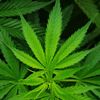
Cannabis

cannabisCannabis (/ˈkænəbɪs/) is a genus of flowering plants in the family Cannabaceae. The number of species within the genus is disputed. Three species may be recognized: Cannabis sativa, Cannabis indica, and Cannabis ruderalis; C. ruderalis may be included within C. sativa; or all three may be treated as subspecies of a single species, C. sativa. The genus is indigenous to central Asia and the Indian subcontinent.

Cannabis has long been used for hemp fibre, for hemp oils, for medicinal purposes, and as a recreational drug. Industrial hemp products are made from cannabis plants selected to produce an abundance of fiber. To satisfy the UN Narcotics Convention, some cannabis strains have been bred to produce minimal levels of tetrahydrocannabinol (THC), the principal psychoactive constituent. Many plants have been selectively bred to produce a maximum of THC (cannabinoids), which is obtained by curing the flowers. Various compounds, including hashish and hash oil, are extracted from the plant.

Globally, in 2013, 60,400 kilograms of cannabis were produced legally. In 2014 there were an estimated 182.5 million cannabis users (3.8% of the population aged 15–64). This percentage has not changed significantly between 1998 and 2014.

Cannabis is an annual, dioecious, flowering herb. The leaves are palmately compound or digitate, with serrate leaflets. The first pair of leaves usually have a single leaflet, the number gradually increasing up to a maximum of about thirteen leaflets per leaf (usually seven or nine), depending on variety and growing conditions. At the top of a flowering plant, this number again diminishes to a single leaflet per leaf. The lower leaf pairs usually occur in an opposite leaf arrangement and the upper leaf pairs in an alternate arrangement on the main stem of a mature plant.

The leaves have a peculiar and diagnostic venation pattern that enables persons poorly familiar with the plant to distinguish a cannabis leaf from unrelated species that have confusingly similar leaves (see illustration). As is common in serrated leaves, each serration has a central vein extending to its tip. However, the serration vein originates from lower down the central vein of the leaflet, typically opposite to the position of, not the first notch down, but the next notch. This means that on its way from the midrib of the leaflet to the point of the serration, the vein serving the tip of the serration passes close by the intervening notch. Sometimes the vein will actually pass tangent to the notch, but often it will pass by at a small distance, and when that happens a spur vein (occasionally a pair of such spur veins) branches off and joins the leaf margin at the deepest point of the notch. This venation pattern varies slightly among varieties, but in general it enables one to tell Cannabis leaves from superficially similar leaves without difficulty and without special equipment. Tiny samples of Cannabis plants also can be identified with precision by microscopic examination of leaf cells and similar features, but that requires special expertise and equipment.

The plant is believed to have originated in the mountainous regions northwest of the Himalayas. It is also known as hemp, although this term is often used to refer only to varieties of Cannabis cultivated for non-drug use.

Reproduction

Cannabis normally has imperfect flowers, with staminate "male" and pistillate "female" flowers occurring on separate plants. It is not unusual, however, for individual plants to bear both male and female flowers. Although monoecious plants are often referred to as "hermaphrodites", true hermaphrodites (which are less common) bear staminate and pistillate structures together on individual flowers, whereas monoecious plants bear male and female flowers at different locations on the same plant. Male flowers are normally borne on loose panicles, and female flowers are borne on racemes. "At a very early period the Chinese recognized the Cannabis plant as dioecious", and the (c. 3rd century BCE) Erya dictionary defined xi "male Cannabis" and fu (or ju ) "female Cannabis".

All known strains of Cannabis are wind-pollinated and the fruit is an achene. Most strains of Cannabis are short day plants, with the possible exception of C. sativa subsp. sativa var. spontanea (= C. ruderalis), which is commonly described as "auto-flowering" and may be day-neutral.

Biochemistry and drugs

Cannabis plants produce a group of chemicals called cannabinoids, which produce mental and physical effects when consumed.

Cannabinoids, terpenoids, and other compounds are secreted by glandular trichomes that occur most abundantly on the floral calyxes and bracts of female plants. As a drug it usually comes in the form of dried flower buds (marijuana), resin (hashish), or various extracts collectively known as hashish oil. In the early 20th century, it became illegal in most of the world to cultivate or possess Cannabis for sale or personal use.


  • Endocannabinoid system in irritable bowel syndrome and cannabis as a therapy📎

    Abstract Title:

    Endocannabinoid system in irritable bowel syndrome and cannabis as a therapy.

    Abstract Source:

    Complement Ther Med. 2020 Jan ;48:102242. Epub 2019 Nov 13. PMID: 31987224

    Abstract Author(s):

    Samiksha Pandey, Saima Kashif, Mina Youssef, Somia Sarwal, Hala Zraik, Ripudaman Singh, Ian H Rutkofsky

    Article Affiliation:

    Samiksha Pandey

    Abstract:

    Irritable bowel syndrome (IBS) global burden is underestimated despite its high prevalence. It's a gastrointestinal disease having obscure pathophysiology with multiple therapies yet unsatisfactory remedies. The Endocannabinoid system (ECS) of our body plays a key role in maintaining normal physiology of the gastrointestinal tract as well as involves abnormalities including functional diseases like IBS. This review highlights the importance of the Endocannabinoid system, its connections with the normal gastrointestinal functions and abnormalities like IBS. It also discusses the role of cannabis as medical therapy in IBS patients. A literature search for articles related to endocannabinoids in IBS and medical cannabis in PubMed and Google Scholar was conducted. The studies highlighted the significant participation of ECS in IBS. However, the breach in obtaining the promising therapeutic model for IBS needed further investigation in ECS and uncover other treatments for IBS. This review summarizes ECS, highlights the relationship of ECS with IBS and explores cannabis as a potential therapy to treat IBS.

  • Enhancing Breast Cancer Treatment Using a Combination of Cannabidiol and Gold Nanoparticles for Photodynamic Therapy📎

    Abstract Title:

    Enhancing Breast Cancer Treatment Using a Combination of Cannabidiol and Gold Nanoparticles for Photodynamic Therapy.

    Abstract Source:

    Int J Mol Sci. 2019 Sep 26 ;20(19). Epub 2019 Sep 26. PMID: 31561450

    Abstract Author(s):

    Dimakatso R Mokoena, Blassan P George, Heidi Abrahamse

    Article Affiliation:

    Dimakatso R Mokoena

    Abstract:

    Indisputably, cancer is a global crisis that requires immediate intervention. Despite the use of conventional treatments over the past decades, it is acceptable to admit that these are expensive, invasive, associated with many side effects and, therefore, a reduced quality of life. One of the most possible solutions to this could be the use of gold nanoparticle (AuNP) conjugated photodynamic therapy (PDT) in combination with cannabidiol (CBD), aderivative from the. Since the use ofhas always been associated with recreation and psychoactive qualities, the positive effects ofor its derivatives on cancer treatment have been misunderstood and hence misinterpreted. On the other hand, AuNP-PDT is the most favoured form of treatment for cancer, due to its augmented specificity and minimal risk of side effects compared to conventional treatments. However, its use requires the consideration of several physical, biologic, pharmacologic and immunological factors, which may hinder its effectiveness if not taken into consideration. In this review, the role of gold nanoparticle mediated PDT combined with CBD treatment on breast cancer cells will be deliberated.

  • Evidence of the efficacy and safety of cannabis medicines for chronic pain management : A methodological minefield

    Abstract Title:

    [Evidence of the efficacy and safety of cannabis medicines for chronic pain management : A methodological minefield].

    Abstract Source:

    Bundesgesundheitsblatt Gesundheitsforschung Gesundheitsschutz. 2019 Jul ;62(7):836-844. PMID: 31139839

    Abstract Author(s):

    Winfried Häuser, Frank Petzke

    Article Affiliation:

    Winfried Häuser

    Abstract:

    Recent systematic reviews (SRs) came to divergent conclusions on the efficacy and safety of medical marijuana and cannabis-based medicines for chronic pain management. This paper gives an overview and critical appraisal of the methods of recent SRs of randomized controlled trials (RCTs) with cannabis medicines for chronic pain.Selective search of the literature, incorrect data analyses and presentation in favor of cannabis medicines can be detected in both RCTs and SRs. The more detailed the search of literature (e.g. inclusion of so-called grey literature) and the higher the criteria of the inclusion of studies (such as study duration) and of the clinical relevance of the study findings, the more disappointing are the conclusions of SRs on the efficacy and safety of cannabis medicines. There is moderate quality evidence of a moderate relief of neuropathic pain. Cannabis medicines can be regarded to be third-line therapy for chronic neuropathic pain. There are signals of a lack of efficacy for all other chronic pain syndromes.New high-quality RCTs and approaches, such as network meta-analyses combining different treatments and controlled and observational including additional outcomes than pain relief, are necessary to better define the importance of cannabis medicines for chronic pain management.

  • Getting high and well: it's the THC in cannabis that matters the most

    facebook Share on Facebook
    Getting high and well: it's the THC in cannabis that matters the most image

    Despite what the medical dogma may be saying, it's the part of the cannabis plant that makes you high that has the greatest therapeutic value, a major review has discovered.

    The plant's psychoactive chemical, THC (tetrahydrocannabinol), is very effective against a range of conditions, from epilepsy, pain relief and depression.

    In fact, it had a far more dramatic effect than the 'acceptable' part of the plant, the CBD (cannabidiol), which had very little therapeutic value on its own.

    People using the whole plant were seeing an immediate 30 per cent improvement in their symptoms, say researchers from the University of New Mexico.

    They monitored therapeutic effects in real time by accessing a cell phone app, ReleafApp, which is used by millions of people taking cannabis products.

  • Health Conditions Helped By CBD Oil

    facebook Share on Facebook

    CBD is a non-addictive, non-psychoactive substance (cannabinoid) from the cannabis plant (cannabis sativa), unlike THC (tetrahydrocannabinol), which is a compound found to produce mind-altering effects. The association of CBD with cannabis causes many people to steer clear of it based on where it comes from, but it is NOT harmful or addictive at all. Many manufactured prescription medicines are highly addictive and/or carry many side effects. CBD is all-natural and has limited to no side effects to the human body.

    CBD offers many great health benefits and actually serves as an anticonvulsant, antiemetic, anti-inflammatory, antioxidant, anxiolytic, and antipsychotic agent. CBD oil is simply oil that has CBD in it. There is CBD in THC, but very little. For medical use, CBD is extracted from HEP, a legal and safe compound that is found in the cannabis plant and used for many retail products. Since CBD is a cannabinoid, it attaches to receptors in the body, just like your body’s own cannabinoids. The human body has two receptors for producing its own cannabinoids, CB1 receptors and CB2 receptors. Most CB1 receptors are in the brain, while CB2 receptors are typically found within the immune system. Ironically, CBD does not act on the body’s receptors; it just motivates the body to use more of its own cannabinoids.

  • Hemp seed polysaccharides protect intestinal epithelial cells from hydrogen peroxide-induced oxidative stress.

    Abstract Title:

    Hemp seed polysaccharides protect intestinal epithelial cells from hydrogen peroxide-induced oxidative stress.

    Abstract Source:

    Int J Biol Macromol. 2019 Aug 15 ;135:203-211. Epub 2019 May 17. PMID: 31108145

    Abstract Author(s):

    Zheng-Shun Wen, Ran Xue, Ming Du, Zhen Tang, Xing-Wei Xiang, Bin Zheng, You-Le Qu

    Article Affiliation:

    Zheng-Shun Wen

    Abstract:

    The purpose of this study was to investigate structure of Hemp seed polysaccharide (HSP) and the protective effect of HSP from HO-induced oxidative damage in IPEC-1 cells and the possible mechanism of this protection. Analysis of monosaccharide composition and structure of two fractions HSPand HSPfrom polysaccharide of Hemp seed (HSPc) were analyzed by high performance liquid chromatography (HPLC) and Fourier transform infrared spectroscopy (FT-IR). The results showed that both HSPand HSPcontain sulfate groups, which are sulfated polysaccharides. In IPEC-1 cells model, the release of LDH and MDA was significantly decreased, and the activities of SOD, GSH-Px and CAT were significantly increased in HSPand HSP-treated group. HSPdramatically increased the gene expression of antioxidant enzymes and phase II detoxification enzymes measured by real-time fluorescent quantitative reverse transcription-polymerase chain reaction (qRT-PCR). In addition, HSPup-regulated the expression level of intracellular transcription factor Nuclear factor erythroid-2-related factor 2 (Nrf2) and inhibited the level of Kelch-like ECH-associated protein 1 (Keap1) with Western blot analysis. Collectively, the present study suggested that HSPhas the protective effect of IPEC-1 cells against HO-induecd oxidative stress. This protection mechanism may be related to activation of the Keap1/Nrf2 signaling pathway.

  • Hempseed Peptides Exert Hypocholesterolemic Effects with a Statin-Like Mechanism📎

    Abstract Title:

    Hempseed Peptides Exert Hypocholesterolemic Effects with a Statin-Like Mechanism.

    Abstract Source:

    J Agric Food Chem. 2017 Oct 11 ;65(40):8829-8838. Epub 2017 Oct 2. PMID: 28931275

    Abstract Author(s):

    Chiara Zanoni, Gilda Aiello, Anna Arnoldi, Carmen Lammi

    Article Affiliation:

    Chiara Zanoni

    Abstract:

    This study had the objective of preparing a hempseed protein hydrolysate and investigating its hypocholesterolemic properties. The hydrolysate was prepared treating a total protein extract with pepsin. Nano HPLC-ESI-MS/MS analysis permitted identifying in total 90 peptides belonging to 33 proteins. In the range 0.1-1.0 mg/mL, it inhibited the catalytic activity of 3-hydroxy-3-methylglutaryl coenzyme A reductase (HMGCoAR) in a dose-dependent manner. HepG2 cells were treated with 0.25, 0.5, and 1.0 mg/mL of the hydrolysate. Immunoblotting detection showed increments in the protein levels of regulatory element binding proteins 2 (SREBP2), low-density lipoprotein receptor (LDLR), and HMGCoAR. However, the parallel activation of the phospho-5'-adenosine monophosphate-activated protein kinase (AMPK) pathway, produced an inactivation of HMGCoAR by phosphorylation. The functional ability of HepG2 cells to uptake extracellular LDL was raised by 50.5± 2.7%, 221.5 ± 1.6%, and 109 ± 3.5%, respectively, versus the control at 0.25, 0.5, and 1.0 mg/mL concentrations. Finally, also a raise of the protein level of proprotein convertase subtilisin/kexintype 9 was observed. All of these data suggest that the mechanism of action has some similarity with that of statins.

  • Hempseed protein hydrolysates' effects on the proliferation and induced oxidative stress in normal and cancer cell lines.

    Abstract Title:

    Hempseed protein hydrolysates' effects on the proliferation and induced oxidative stress in normal and cancer cell lines.

    Abstract Source:

    Mol Biol Rep. 2019 Dec ;46(6):6079-6085. Epub 2019 Sep 6. PMID: 31493283

    Abstract Author(s):

    Marijan Logarušić, Igor Slivac, Kristina Radošević, Martina Bagović, Ivana Radojčić Redovniković, Višnja Gaurina Srček

    Article Affiliation:

    Marijan Logarušić

    Abstract:

    Food proteins from different sources can provide beneficial effects on human health by releasing the bioactive peptides that are integral part of their native structure. In this study, we tested the biological potential of hempseed protein hydrolysates (HPHs) obtained from hempseed cake protein isolate. The HPHs were prepared by enzyme hydrolysis using three different proteases of microbial origin: Alcalase®, Neutrase® and Protamex®. The antioxidant activity of the obtained hydrolysates was determined by oxygen radical absorbance capacity (ORAC) assay, while the proliferative effects on normal (HaCaT) and cancer (HeLa) cells were determined by the CellTiter 96AQOne Solution Reagent (MTS) assay. HPHs showed dose-dependent antiproliferative effects on HeLa cells and stimulatory effects on the proliferation of HaCaT cells. HPH obtained by Neutrase(HPH-N) showed the highest antioxidant activity expressed as an ORAC value. The protective effect of HPH-N on HO-induced oxidative stress in normal and cancer cells was evaluated and 1 mg/mL of HPH-N significantly reduced the formation of intracellular reactive oxygen species (ROS) in both cell lines. The obtained results indicate the benefits of HPHs as potential natural antioxidants for the food industry and contribute to the growing trend of utilizing hempseed by-products.

  • HU-331 and Oxidized Cannabidiol Act as Inhibitors of Human Topoisomerase IIα and β.

    Abstract Title:

    HU-331 and Oxidized Cannabidiol Act as Inhibitors of Human Topoisomerase IIα and β.

    Abstract Source:

    Chem Res Toxicol. 2018 Feb 19 ;31(2):137-144. Epub 2018 Jan 8. PMID: 29272108

    Abstract Author(s):

    James T Wilson, Cole A Fief, Klarissa D Jackson, Susan L Mercer, Joseph E Deweese

    Article Affiliation:

    James T Wilson

    Abstract:

    Topoisomerase II is a critical enzyme in replication, transcription, and the regulation of chromatin topology. Several anticancer agents target topoisomerases in order to disrupt cell growth. Cannabidiol is a major non-euphoriant, pharmacologically active component of cannabis. Previously, we examined the cannabidiol derivative HU-331 in order to characterize the mechanism of the compound against topoisomerase IIα. In this current work, we explore whether cannabidiol (CBD) impacts topoisomerase II activity, and we additionally examine the activity of these compounds against topoisomerase IIβ. CBD does not appear to strongly inhibit DNA relaxation and is not a poison of topoisomerase II DNA cleavage. However, oxidation of CBD allows this compound to inhibit DNA relaxation by topoisomerase IIα and β without poisoning DNA cleavage. Additionally, we found that oxidized CBD, similar to HU-331, inhibits ATP hydrolysis and can result in inactivation of topoisomerase IIα and β. We also determined that oxidized CBD and HU-331 are both able to stabilize the N-terminal clamp of topoisomerase II. Taken together, we conclude that while CBD does not have significant activity against topoisomerase II, both oxidized CBD and HU-331 are active against both isoforms of topoisomerase II. We hypothesize that oxidized CBD and HU-331 act against the enzyme through interaction with the N-terminal ATPase domain. According to the model we propose, topoisomerase II inactivation may result from a decrease in the ability of the enzyme to bind to DNA when the compound is bound to the N-terminus.

  • Induction of apoptosis by cannabinoids in prostate and colon cancer cells is phosphatase dependent📎

    Abstract Title:

    Induction of apoptosis by cannabinoids in prostate and colon cancer cells is phosphatase dependent.

    Abstract Source:

    Anticancer Res. 2011 Nov ;31(11):3799-807. PMID: 22110202

    Abstract Author(s):

    Sandeep Sreevalsan, Sonia Joseph, Indira Jutooru, Gayathri Chadalapaka, Stephen H Safe

    Article Affiliation:

    Sandeep Sreevalsan

    Abstract:

    AIM:We hypothesized that the anticancer activity of cannabinoids was linked to induction of phosphatases.

    MATERIALS AND METHODS:The effects of cannabidiol (CBD) and the synthetic cannabinoid WIN-55,212 (WIN) on LNCaP (prostate) and SW480 (colon) cancer cell proliferation were determined by cell counting; apoptosis was determined by cleavage of poly(ADP)ribose polymerase (PARP) and caspase-3 (Western blots); and phosphatase mRNAs were determined by real-time PCR. The role of phosphatases and cannabinoid receptors in mediating CBD- and WIN-induced apoptosis was determined by inhibition and receptor knockdown.

    RESULTS:CBD and WIN inhibited LNCaP and SW480 cell growth and induced mRNA expression of several phosphatases, and the phosphatase inhibitor sodium orthovanadate significantly inhibited cannabinoid-induced PARP cleavage in both cell lines, whereas only CBD-induced apoptosis was CB1 and CB2 receptor-dependent.

    CONCLUSION:Cannabinoid receptor agonists induce phosphatases and phosphatase-dependent apoptosis in cancer cell lines; however, the role of the CB receptor in mediating this response is ligand-dependent.

  • Inhibiting Heat Shock Proteins Can Potentiate the Cytotoxic Effect of Cannabidiol in Human Glioma Cells📎

    Abstract Title:

    Inhibiting Heat Shock Proteins Can Potentiate the Cytotoxic Effect of Cannabidiol in Human Glioma Cells.

    Abstract Source:

    Anticancer Res. 2015 Nov ;35(11):5827-37. PMID: 26504004

    Abstract Author(s):

    Katherine A Scott, Jayne L Dennis, Angus G Dalgleish, Wai M Liu

    Article Affiliation:

    Katherine A Scott

    Abstract:

    Cannabinoids possess a number of characteristics that make them putative anticancer drugs, and their value as such is currently being explored in a number of clinical studies. To further understand the roles that cannabinoids may have, we performed gene expression profiling in glioma cell lines cultured with cannabidiol (CBD) and/orΔ9-tetrahydrocannabinol (THC), and pursued targets identified by this screening. Results showed that a large number of genes belonging to the heat shock protein (HSP) super-family were up-regulated following treatment, specifically with CBD. Increases were observed both at the gene and protein levels and arose as a consequence of increased generation of ROS by CBD, and correlated with an increase in a number of HSP client proteins. Furthermore, increases impeded the cytotoxic effect of CBD; an effect that was improved by co-culture with pharmacalogical inhibitors of HSPs. Similarly, culturingglioma cells with CBD and HSP inhibitors increased radiosensitivity when compared to CBD-alone. Taken together, these data indicate that the cytotoxic effects of CBD can be diminished by HSPs that indirectly rise as a result of CBD use, and that the inclusion of HSP inhibitors in CBD treatment regimens can enhance the overall effect.

  • Inhibition of aldose reductase activity by Cannabis sativa chemotypes extracts with high content of cannabidiol or cannabigerol.

    Abstract Title:

    Inhibition of aldose reductase activity by Cannabis sativa chemotypes extracts with high content of cannabidiol or cannabigerol.

    Abstract Source:

    Fitoterapia. 2018 Feb 7. Epub 2018 Feb 7. PMID: 29427593

    Abstract Author(s):

    Antonella Smeriglio, Salvatore V Giofrè, Enza M Galati, Maria T Monforte, Nicola Cicero, Valeria D'Angelo, Gianpaolo Grassi, Clara Circosta

    Article Affiliation:

    Antonella Smeriglio

    Abstract:

    Aldose reductase (ALR2) is a key enzyme involved in diabetic complications and the search for new aldose reductase inhibitors (ARIs) is currently very important. The synthetic ARIs are often associated with deleterious side effects and medicinal and edible plants, containing compounds with aldose reductase inhibitory activity, could be useful for prevention and therapy of diabetic complications. Non-psychotropic phytocannabinoids exert multiple pharmacological effects with therapeutic potential in many diseases such as inflammation, cancer, diabetes. Here, we have investigated the inhibitory effects of extracts and their fractions from two Cannabis sativa L. chemotypes with high content of cannabidiol (CBD)/cannabidiolic acid (CBDA) and cannabigerol (CBG)/cannabigerolic acid (CBGA), respectively, on human recombinant and pig kidney aldose reductase activity in vitro. A molecular docking study was performed to evaluate the interaction of these cannabinoids with the active site of ALR2 compared to known ARIs. The extracts showed significant dose-dependent aldose reductase inhibitory activity (>70%) and higher than fractions. The inhibitory activity of the fractions was greater for acidic cannabinoid-rich fractions. Comparative molecular docking results have shown a higher stability of the ALR2-cannabinoid acids complex than the other inhibitors. The extracts of Cannabis with high content of non-psychotropic cannabinoids CBD/CBDA or CBG/CBGA significantly inhibit aldose reductase activity. These results may have some relevance for the possible use of C. sativa chemotypes based preparations as aldose reductase inhibitors.

  • Inhibition of autophagic flux differently modulates cannabidiol-induced death in 2D and 3D glioblastoma cell cultures📎

    Abstract Title:

    Inhibition of autophagic flux differently modulates cannabidiol-induced death in 2D and 3D glioblastoma cell cultures.

    Abstract Source:

    Sci Rep. 2020 Feb 14 ;10(1):2687. Epub 2020 Feb 14. PMID: 32060308

    Abstract Author(s):

    Vladimir N Ivanov, Peter W Grabham, Cheng-Chia Wu, Tom K Hei

    Article Affiliation:

    Vladimir N Ivanov

    Abstract:

    Radiotherapy combined with chemotherapy is the major treatment modality for human glioblastoma multiforme (GBM). GBMs eventually relapse after treatment and the average survival of GBM patients is less than two years. There is some evidence that cannabidiol (CBD) can induce cell death and increases the radiosensitivity of GBM by enhancing apoptosis. Beside initiation of death, CBD has been demonstrated as an inducer of autophagy. In the present study, we address the question whether CBD simultaneously induces a protective effect in GBM by upregulating autophagy. Addition of chloroquine that suppressed autophagic flux to 2D GBM cultures increased CBD-induced cell death, presenting proof for the protective autophagy. Blockage of autophagy upregulated radiation-induced cytotoxicity but only modestly affected the levels of cell death in CBD- or CBD/γ-irradiated 3D GBM cultures. Furthermore, CBD enhanced the pro-apoptotic activities of JNK1/2 and MAPK p38 signaling cascades while partially downregulated the pro-survival PI3K-AKT cascade, thereby changing a balance between cell death and survival. Suppression of JNK activation partially reducedCBD-induced cell death in 3D GBM cultures. In contrast, co-treatment of CBD-targeted cells with inhibitors of PI3K-AKT-NF-κB, IKK-NF-κB or JAK2-STAT3 pathways killed surviving GBM cells in both 2D and 3D cultures, potentially improving the therapeutic ratio of GBM.

  • Is cannabidiol the ideal drug to treat non-motor Parkinson's disease symptoms?

    Abstract Title:

    Is cannabidiol the ideal drug to treat non-motor Parkinson's disease symptoms?

    Abstract Source:

    Eur Arch Psychiatry Clin Neurosci. 2019 Jan 31. Epub 2019 Jan 31. PMID: 30706171

    Abstract Author(s):

    José Alexandre S Crippa, Jaime E C Hallak, Antônio W Zuardi, Francisco S Guimarães, Vitor Tumas, Rafael G Dos Santos

    Article Affiliation:

    José Alexandre S Crippa

    Abstract:

    Parkinson's disease (PD) is a chronic neurodegenerative disorder characterized by motor symptoms such as bradykinesia, rest tremor, postural disturbances, and rigidity. PD is also characterized by non-motor symptoms such as sleep disturbances, cognitive deficits, and psychiatric disorders such as psychosis, depression, and anxiety. The pharmacological treatment for these symptoms is limited in efficacy and induce significant adverse reactions, highlighting the need for better treatment options. Cannabidiol (CBD) is a phytocannabinoid devoid of the euphoriant and cognitive effects of tetrahydrocannabinol, and preclinical and preliminary clinical studies suggest that this compound has therapeutic effect in non-motor symptoms of PD. In the present text, we review the clinical studies of cannabinoids in PD and the preclinical and clinical studies specifically on CBD. We found four randomized controlled trials (RCTs) involving the administration of agonists/antagonists of the cannabinoid 1 receptor, showing that these compounds were well tolerated, but only one study found positive results (reductions on levodopa-induced dyskinesia). We found seven preclinical models of PD using CBD, with six studies showing a neuroprotective effect of CBD. We found three trials involving CBD and PD: an open-label study, a case series, and an RCT. CBD was well tolerated, and all three studies reported significant therapeutic effects in non-motor symptoms (psychosis, rapid eye movement sleep behaviour disorder, daily activities, and stigma). However, sample sizes were small and CBD treatment was short (up to 6 weeks). Large-scale RCTs are needed to try to replicate these results and to assess the long-term safety of CBD.

  • Kinetics of acetylcholinesterase inhibition by hemp seed protein-derived peptides.

    Abstract Title:

    Kinetics of acetylcholinesterase inhibition by hemp seed protein-derived peptides.

    Abstract Source:

    J Food Biochem. 2019 Jul ;43(7):e12897. Epub 2019 May 15. PMID: 31353736

    Abstract Author(s):

    Sunday A Malomo, Rotimi E Aluko

    Article Affiliation:

    Sunday A Malomo

    Abstract:

    The aim of this work was to enhance the acetylcholinesterase (AChE)-inhibitory activity of a pepsin-produced hemp seed protein hydrolysates (HPH) through reverse-phase HPLC separation followed by identification of peptide sequences present in the most active fraction. The HPH was separated into eight fractions (F1-F8) with F7 exhibiting significantly (p < 0.05) the strongest (97.5%) in vitro inhibition of electric eel AChE (eeAChE) activity in comparison to 53.8% for HPH. The HPH consisted mostly of low molecular weight peptides of < 11 amino acid residues and most contained at least one hydrophobic amino acid. Kinetics of enzyme inhibition revealed a mixed-type inhibition of eeAChE activity by HPH whereas F7 acted through an uncompetitive mode; in contrast inhibition of human AChE by HPH and F7 was uncompetitive. The strongerinhibitory potency of the F7 peptides fraction against both enzymes was confirmed through reduced maximal velocity, catalytic efficiency, and inhibition constant values when compared to the HPH. PRACTICAL APPLICATIONS: The use of natural products for the prevention or treatment of human diseases continues to be an area of intense research activities. Food protein-derived peptides obtained through enzymatic hydrolysis of hemp seed proteins were shown in vitro to be strong inhibitors of activities of both the eel and human forms of acetylcholinesterase (AChE). AChE is an important therapeutic target because excessive activity of this enzyme is a causative factor of neurodegenerative diseases such as dementia and Alzheimer's. This work showed that peptides in the most active fraction are small in sizes, which may favor their absorption into blood circulation and possible permeation of theblood-brain barrier. Therefore, the hemp seed peptides are potential agents that can be used to formulate functional foods and nutraceuticals against neurodegenerative diseases.

  • Lipid nanocapsules decorated and loaded with cannabidiol as targeted prolonged release carriers for glioma therapy: in vitro screening of critical parameters.

    Abstract Title:

    Lipid nanocapsules decorated and loaded with cannabidiol as targeted prolonged release carriers for glioma therapy: in vitro screening of critical parameters.

    Abstract Source:

    Eur J Pharm Biopharm. 2018 Nov 22. Epub 2018 Nov 22. PMID: 30472144

    Abstract Author(s):

    Juan Aparicio-Blanco, Víctor Sebastián, Jean P Benoit, Ana I Torres-Suárez

    Article Affiliation:

    Juan Aparicio-Blanco

    Abstract:

    The therapeutic potential of cannabinoids has been truly constrained heretofore due to their strong psychoactive effects and their high lipophilicity. In this context, precisely due to the lack of psychoactive properties, cannabidiol (CBD), the second major component of Cannabis sativa, arises as the phytocannabinoid with the most auspicious therapeutic potential. Hence, the incorporation of CBD in lipid nanocapsules (LNCs) will contribute to overcome the dosing problems associated with cannabinoids. Herein, we have prepared LNCs decorated and loaded with CBD for glioma therapy and screened in vitro their critical parameters. On the one hand, we have encapsulated CBD into the oily core of LNCs to test their in vitro efficacy as extended-release carriers against the human glioblastoma cell line U373MG. The in vitro antitumor effect was highly dependent on the size of LNCs due to its pivotal role in the extent of CBD release. Effectively, a comparison between two differently-sized LNCs (namely, 20-nm and 50-nm sized carriers) showed that the smaller LNCs reduced by 3.0-fold the ICvalue of their 50-nm sized counterparts. On the other hand, to explore the potential of this phytocannabinoid to target any of the cannabinoid receptors overexpressed in glioma cells, we decorated the LNCs with CBD. This functionalization strategy enhanced the in vitro glioma targeting by 3.4-fold in comparison with their equally-sized undecorated counterparts. Lastly, the combination of CBD-loading with CBD-functionalization further reduced the ICvalues. Hence, the potential of these two strategies of CBD incorporation into LNCs deserves subsequent in vivo evaluation.

  • Marijuana in the management of amyotrophic lateral sclerosis.

    Abstract Title:

    Marijuana in the management of amyotrophic lateral sclerosis.

    Abstract Source:

    Am J Hosp Palliat Care. 2001 Jul-Aug;18(4):264-70. PMID: 11467101

    Abstract Author(s):

    G T Carter, B S Rosen

    Article Affiliation:

    Muscular Dystrophy Association (MDA), Neuromuscular Disease Clinic, Department of Rehabilitation Medicine, University of Washington School of Medicine, Seattle, Washington, USA.

    Abstract:

    Marijuana has been proposed as treatment for a widening spectrum of medical conditions. Marijuana is a substance with many properties that may be applicable to the management of amyotrophic lateral sclerosis (ALS). These include analgesia, muscle relaxation, bronchodilation, saliva reduction, appetite stimulation, and sleep induction. In addition, marijuana has now been shown to have strong antioxidative and neuroprotective effects, which may prolong neuronal cell survival. In areas where it is legal to do so, marijuana should be considered in the pharmacological management of ALS. Further investigation into the usefulness of marijuana in this setting is warranted.

  • Melatonin and cannabinoids: mitochondrial-targeted molecules that may reduce inflammaging in neurodegenerative diseases.

    Abstract Title:

    Melatonin and cannabinoids: mitochondrial-targeted molecules that may reduce inflammaging in neurodegenerative diseases.

    Abstract Source:

    Histol Histopathol. 2020 Mar 10:18212. Epub 2020 Mar 10. PMID: 32154907

    Abstract Author(s):

    Sebastián García, Virna Margarita Martín Giménez, Feres José Mocayar Marón, Russel J Reiter, Walter Manucha

    Article Affiliation:

    Sebastián García

    Abstract:

    Generally, the development and progression of neurodegenerative diseases are associated with advancing age, so they are usually diagnosed in late adulthood. A primary mechanism underlying the onset of neurodegenerative diseases is neuroinflammation. Based on this background, the concept of"neuroinflammaging"has emerged. In this deregulated neuroinflammatory process, a variety of immune cells participate, especially glial cells, proinflammatory cytokines, receptors, and subcellular organelles including mitochondria, which are mainly responsible for maintaining redox balance at the cellular level. Senescence and autophagic processes also play a crucial role in the neuroinflammatory disease associated with aging. Of particular interest, melatonin, cannabinoids, and the receptors of both molecules which are closely related, exert beneficial effects on the neuroinflammatory processes that precede the onset of neurodegenerative pathologies such as Parkinson's and Alzheimer's diseases. Some of these neuroprotective effects are fundamentally related to its anti-inflammatory and antioxidative actions at the mitochondrial level due to the strategic functions of this organelle. The aim of this review is to summarize the most recent advances in the study of neuroinflammation and neurodegeneration associated with age and to consider the use of new mitochondrial therapeutic targets related to the endocannabinoid system and the pineal gland.

  • Modulation of Astrocyte Activity by Cannabidiol, a Nonpsychoactive Cannabinoid📎

    Abstract Title:

    Modulation of Astrocyte Activity by Cannabidiol, a Nonpsychoactive Cannabinoid.

    Abstract Source:

    Int J Mol Sci. 2017 Jul 31 ;18(8). Epub 2017 Jul 31. PMID: 28788104

    Abstract Author(s):

    Ewa Kozela, Ana Juknat, Zvi Vogel

    Article Affiliation:

    Ewa Kozela

    Abstract:

    The astrocytes have gained in recent decades an enormous interest as a potential target for neurotherapies, due to their essential and pleiotropic roles in brain physiology and pathology. Their precise regulation is still far from understood, although several candidate molecules/systems arise as promising targets for astrocyte-mediated neuroregulation and/or neuroprotection. The cannabinoid system and its ligands have been shown to interact and affect activities of astrocytes. Cannabidiol (CBD) is the main non-psychotomimetic cannabinoid derived from Cannabis. CBD is devoid of direct CB1 and CB2 receptor activity, but exerts a number of important effects in the brain. Here, we attempt to sum up the current findings on the effects of CBD on astrocyte activity, and in this way on central nervous system (CNS) functions, across various tested models and neuropathologies. The collected data shows that increased astrocyte activity is suppressed in the presence of CBD in models of ischemia, Alzheimer-like and Multiple-Sclerosis-like neurodegenerations, sciatic nerve injury, epilepsy, and schizophrenia. Moreover, CBD has been shown to decrease proinflammatory functions and signaling in astrocytes.

  • Neurological aspects of medical use of cannabidiol.

    Abstract Title:

    Neurological aspects of medical use of cannabidiol.

    Abstract Source:

    CNS Neurol Disord Drug Targets. 2017 Apr 13. Epub 2017 Apr 13. PMID: 28412918

    Abstract Author(s):

    Carmen Mannucci, Michele Navarra, Fabrizio Calapai, Elvira Ventura Spagnolo, Francesco Paolo Busardò, Roberto Da Cas, Francesca Menniti Ippolito, Gioacchino Calapai

    Article Affiliation:

    Carmen Mannucci

    Abstract:

    BACKGROUND:Cannabidiol (CBD) is among the major secondary metabolites of Cannabis devoid of the delta-9-tetra-hydrocannabinol psychoactive effects. It is a resorcinol-based compound with a broad spectrum of potential therapeutic properties, including neuroprotective effects in numerous pathological conditions. CBD neuroprotection is due to its antioxidant and antiinflammatory activi-ties and the modulation of a large number of brain biological targets (receptors, channels) involved in the development and maintenance of neurodegenerative diseases.

    OBJECTIVE:Aim of the present review was to describe the state of art about the pre-clinical research, the potential use and, when existing, the clinical evidence related to CBD in the neurological field.

    METHOD:Collection of all the pre-clinical and clinical findings carried out investigating the effects of CBD alone, not in combination with other substances, in the neurological arena with the exclu-sion of studies on neuropsychiatric disorders.

    RESULTS:Laboratory and clinical studies on the potential role of CBD in Parkinson's disease (PD), Alzheimer's disease (AD), multiple sclerosis (MS), Huntington's disease (HD), amyotrophic lateral sclerosis ALS), cerebral ischemia, were examined.

    CONCLUSIONS:Pre-clinical evidence largely shows that CBD can produce beneficial effects in AD, PD and MS patients, but its employment for these disorders needs further confirmation from well designed clinical studies. CBD pre-clinical demonstration of antiepileptic activity is supported by recent clinical studies in human epileptic subjects resistant to standard antiepileptic drugs showing its potential use in children and young adults affected by refractory epilepsy. Evidence for use of CBD in PD is still not supported by sufficient data whereas only a few studies including a small number of patients are available.