CYBERMED LIFE - ORGANIC  & NATURAL LIVING
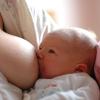
Breastfeeding

Breastfeeding, also known as nursing, is the feeding of babies and young children with milk from a woman's breast.  Health professionals recommend that breastfeeding begin within the first hour of a baby's life and continue as often and as much as the baby wants.  During the first few weeks of life babies may nurse roughly every two to three hours.  The duration of a feeding is usually ten to fifteen minutes on each breast. Older children feed less often. Mothers may pump milk so that it can be used later when breastfeeding is not possible. Breastfeeding has a number of benefits to both mother and baby, which infant formula lacks.

Deaths of an estimated 820,000 children under the age of five could be prevented globally every year with increased breastfeeding.  Breastfeeding decreases the risk of respiratory tract infections and diarrhea, both in developing and developed countries. Other benefits include lower risks of asthma, food allergies, celiac disease, type 1 diabetes, and leukemia. Breastfeeding may also improve cognitive development and decrease the risk of obesity in adulthood. Mothers may feel pressure to breastfeed, but in the developed world children generally grow up normally when bottle fed.

Benefits for the mother include less blood loss following delivery, better uterus shrinkage, and less postpartum depression. Breastfeeding delays the return of menstruation and fertility, a phenomenon known as lactational amenorrhea. Long term benefits for the mother include decreased risk of breast cancer, cardiovascular disease, and rheumatoid arthritis. Breastfeeding is less expensive than infant formula.

Health organizations, including the World Health Organization (WHO), recommend breastfeeding exclusively for six months. This means that no other foods or drinks other than possibly vitamin D are typically given. After the introduction of foods at six months of age, recommendations include continued breastfeeding until at least one to two years of age. Globally about 38% of infants are only breastfed during their first six months of life. In the United States, about 75% of women begin breastfeeding and about 13% only breastfeed until the age of six months Medical conditions that do not allow breastfeeding are rare. Mothers who take certain recreational drugs and medications should not breastfeed. Smoking, limited amounts of alcohol, or coffee are not reasons to avoid breastfeeding.


  • Effect of pacifier use on exclusive and any breastfeeding: a meta-analysis.

    facebook Share on Facebook
    Abstract Title:

    Effect of pacifier use on exclusive and any breastfeeding: a meta-analysis.

    Abstract Source:

    Turk J Pediatr. 2009 Jan-Feb;51(1):35-43. PMID: 19378889

    Abstract Author(s):

    Erdem Karabulut, S Songül Yalçin, Pinar Ozdemir-Geyik, Ergun Karaağaoğlu

    Abstract:

    The objective of this meta-analysis was to determine with cross-sectional and cohort trails whether the use of pacifier increases the risk of early weaning from exclusive breastfeeding before six months of age or cessation of breastfeeding from any breastfeeding before 24 months of age. Additionally, the effect of the age for starting pacifier use on breastfeeding duration was analyzed in the cohort trails. The Medline database was searched (1980 to 2006) with "breastfeed, breastfeeding, or breast feed" and "pacifier, dummy, or soother" as individual keywords. Only human studies published in English were included. Unpublished data were not sought. Twelve trials with weaning from exclusive breastfeeding and 19 trials with cessation of any breastfeeding were included in the meta-analysis. The meta-analysis was performed with Stata 6.0 statistical package. Summary risk ratio for early weaning before six months of age in exclusive breastfeeding trails was 2.016 (95% CI: 1.619-2.511) for pacifier users compared with nonusers in studies with univariate analysis and 1.792 (95% CI: 1.452-2.212) in studies with multivariate analysis. Similarly, pacifier usage compared with nonusers reduced the duration of any breastfeeding in both univariate (2.760, 95% CI: 2.083-3.657) and multivariate trials (1.952, 95% CI: 1.662-2.293). The use of pacifiers was associated with shortened duration of exclusive and of any breastfeeding. Given the increase in the benefits with duration of breastfeeding, parents should be informed of the link between pacifier use and shortened breastfeeding duration in order to help them make informed decisions about their children's care.

  • Effect of serum from breast- or formula-fed infants on polymorphonuclear leukocyte function.

    facebook Share on Facebook
    Abstract Title:

    Effect of serum from breast- or formula-fed infants on polymorphonuclear leukocyte function.

    Abstract Source:

    Comp Immunol Microbiol Infect Dis. 1997 Jan ;20(1):21-7. PMID: 9023037

    Abstract Author(s):

    C Barriga Ibars, A B Rodríguez, I Pombero, J Durán, J Cardesa, E Ortega

    Article Affiliation:

    Department of Animal Physiology, Faculty of Science, University of Extremadura, Badajoz, Spain.

    Abstract:

    The aim of the present study was to determine the influence of serum from formula and breast-fed infants on neutrophil function (as measured by the attachment and phagocytosis of Candida albicans) as well as the chemoattractant activity of the serum. The results indicate that: (a) serum from breast-fed infants induces a greater chemoattractant activity in neutrophils than serum from 3-month-old formula-fed infants; (b) the highest values of the attachment capacity were obtained after incubation of neutrophils with serum from 1-month-old breast-fed infants; and (c) serum from breast-fed infants induces a greater phagocytic capacity against C. albicans in neutrophils than serum from formula-fed infants.

  • Effects of breastfeeding chemosignals on the human menstrual cycle.

    facebook Share on Facebook
    Abstract Title:

    Effects of breastfeeding chemosignals on the human menstrual cycle.

    Abstract Source:

    Hum Reprod. 2004 Feb ;19(2):422-9. PMID: 14747191

    Abstract Author(s):

    Suma Jacob, Natasha A Spencer, Susan B Bullivant, Sarah A Sellergren, Julie A Mennella, Martha K McClintock

    Article Affiliation:

    Suma Jacob

    Abstract:

    BACKGROUND:To date, there has not been an investigation to determine whether lactating women and their infants influence the ovarian function of other women with whom they interact.

    METHODS:In a randomized, double-blind, placebo-controlled study of 47 nulliparous women, we utilized both within- and between-subjects controls to assess the effects of sustained exposure to breastfeeding compounds on menstrual cycle length, as well as characteristics of each phase of the ovarian cycle.

    RESULTS:Breastfeeding compounds modulated ovarian cycle length in comparison with the carrier control (0.01

    CONCLUSIONS:Because compounds from lactating women and their infants modulated the ovarian cycles of women, as is seen in other mammals, they have the potential to function as pheromones, regulating fertility within groups of women.

  • Epidural analgesia: breast-feeding success and related factors.

    facebook Share on Facebook
    Abstract Title:

    Epidural analgesia: breast-feeding success and related factors.

    Abstract Source:

    Midwifery. 2009 Apr;25(2):e31-8. Epub 2007 Nov 5. PMID: 17980469

    Abstract Author(s):

    Ingela Wiklund, Margareta Norman, Kerstin Uvnäs-Moberg, Anna-Berit Ransjö-Arvidson, Ellika Andolf

    Article Affiliation:

    Division of Obstetrics and Gynaecology, Danderyd Hospital, Karolinska Institutet, S-182 88 Stockholm, Sweden. This email address is being protected from spambots. You need JavaScript enabled to view it.

    Abstract:

    OBJECTIVE:to compare the early breast-feeding behaviours of full-term newborns whose mothers had received epidural analgesia (EDA) during an uncomplicated labour, with a group of newborns whose mothers had not received EDA.

    DESIGN AND SETTING:a retrospective comparative study design was used and the study was carried out in a labour ward in Stockholm, Sweden between January 2000 and April 2000. The ward has about 5500 deliveries per year.

    PARTICIPANTS:all maternity records of women who had received EDA during labour (n=585) were included in the study. For each EDA record, a control record was selected, matched for parity, age and gestational age at birth. Women with emergency caesarean section, vacuum extraction/forceps, twin pregnancy, breech presentation or an intra-uterine death, as well as neonates with an Apgar score<7 at 5 mins were excluded. After exclusion, the study population consisted of 351 healthy women and babies in each group.

    METHOD:logistic regression was performed. The dependent variables: (1) initiation of breast feeding after birth; (2) artificial milk given during hospital stay; and (3) breast feeding at discharge were studied in response to: (a) parity; (b) gestational age at birth; (c) length of first and second stage of labour; (d) administration of oxytocin; (e) administration of EDA; and (f) neonatal weight, as independent variables.

    FINDINGS:significantly fewer babies of mothers with EDA during labour suckled the breast within the first 4 hours of life [odds ratio (OR) 3.79]. These babies were also more often given artificial milk during their hospital stay (OR 2.19) and fewer were fully breast fed at discharge (OR 1.79). Delayed initiation of breast feeding was also associated with a prolonged first (OR 2.81) and second stage (OR 2.49) and with the administration of oxytocin (OR 3.28). Fewer newborns of multiparae received artificial milk during their hospital stay (OR 0.58). It was also, but to a lesser extent, associated with oxytocin administration (OR 2.15). Full breast feeding at discharge was also positively associated with multiparity (OR 0.44) and birth weight between 3 and 4 kg (OR 0.42).

    KEY CONCLUSIONS:the study shows that EDA is associated with impaired spontaneous breast feeding including breast feeding at discharge from the hospital. Further studies are needed on the effects of EDA on short- and long-term breast-feeding outcomes.

  • Exclusive breastfeeding and incident atopic dermatitis in childhood: a systematic review and meta-analysis of prospective cohort studies.

    facebook Share on Facebook
    Abstract Title:

    Exclusive breastfeeding and incident atopic dermatitis in childhood: a systematic review and meta-analysis of prospective cohort studies.

    Abstract Source:

    Br J Dermatol. 2009 Aug;161(2):373-83. Epub 2009 Feb 23. PMID: 19239469

    Abstract Author(s):

    Y W Yang, C L Tsai, C Y Lu

    Abstract:

    BACKGROUND: Breastfeeding is undisputedly preferable to formula feeding for infant nutrition because of its nutritional, immunological and psychological benefits. However, studies on the association between breastfeeding and development of atopic dermatitis (AD) have shown inconsistent results. OBJECTIVES: To examine the association between exclusive breastfeeding for at least 3 months after birth and the development of AD in childhood. METHODS: An electronic literature search of MEDLINE (January 1966-May 2008) and EMBASE (1980-May 2008) was conducted. Prospective cohort studies that met the predetermined criteria were independently assessed by three reviewers. The pooled effect estimate was calculated by random effects model. Heterogeneity across the studies was investigated by meta-regression analysis. RESULTS: Twenty-one studies with 27 study populations were included for meta-analysis. The summary odds ratio (OR) for the effect of exclusive breastfeeding on the risk of AD was 0.89 (95% confidence interval, CI 0.76-1.04). Heterogeneity was found across the studies (chi(2) = 83.6, d.f. = 26; P<0.001). Breastfeeding was associated with a decreased risk of AD (OR 0.70; 95% CI 0.50-0.99) when analysis was restricted to the studies comparing breastfeeding with conventional formula feeding. The pooled OR for study populations with atopic heredity was 0.78 (95% CI 0.58-1.05). CONCLUSIONS: There is no strong evidence of a protective effect of exclusive breastfeeding for at least 3 months against AD, even among children with a positive family history.

  • Exclusive breastfeeding reduces acute respiratory infection and diarrhea deaths among infants in Dhaka slums📎

    facebook Share on Facebook
    Abstract Title:

    Exclusive breastfeeding reduces acute respiratory infection and diarrhea deaths among infants in Dhaka slums.

    Abstract Source:

    Pediatrics. 2001 Oct;108(4):E67. PMID: 11581475

    Abstract Author(s):

    S Arifeen, R E Black, G Antelman, A Baqui, L Caulfield, S Becker

    Article Affiliation:

    International Centre for Diarrhoeal Disease Research, Bangladesh, Dhaka, Bangladesh.

    Abstract:

    OBJECTIVES: To describe breastfeeding practices and investigate the influence of exclusive breastfeeding in early infancy on the risk of infant deaths, especially those attributable to respiratory infections (ARI) and diarrhea. METHODS: A prospective observational study was conducted on a birth cohort of 1677 infants who were born in slum areas of Dhaka in Bangladesh and followed from birth to 12 months of age. After enrollment at birth, the infants were visited 5 more times by 12 months of age. Verbal autopsy, based on a structured questionnaire, was used to assign a cause to the 180 reported deaths. Proportional hazards regression models were used to estimate the effect of breastfeeding practices, introduced as a time-varying variable, after accounting for other variables, including birth weight. Overall neonatal, postneonatal and infant mortality, and mortality attributable to ARI and diarrhea were measured. RESULTS: The proportion of infants who were breastfed exclusively was only 6% at enrollment, increasing to 53% at 1 month and then gradually declining to 5% at 6 months of age. Predominant breastfeeding declined from 66% at enrollment to 4% at 12 months of age. Very few infants were not breastfed, whereas the proportion of partially breastfed infants increased with age. Breastfeeding practices did not differ between low and normal birth weight infants at any age. The overall infant mortality rate was 114 deaths per 1000 live births. Compared with exclusive breastfeeding in the first few months of life, partial or no breastfeeding was associated with a 2.23-fold higher risk of infant deaths resulting from all causes and 2.40- and 3.94-fold higher risk of deaths attributable to ARI and diarrhea, respectively. CONCLUSION: The important role of appropriate breastfeeding practices in the survival of infants is clear from this analysis. The reduction of ARI deaths underscores the broad-based beneficial effect of exclusive breastfeeding in prevention of infectious diseases beyond its role in reducing exposure to contaminated food, which may have contributed to the strong protection against diarrhea deaths.

  • Factors Influencing the Infant Gut Microbiome at Age 3-6 months: Findings from the ethnically diverse Vitamin D Antenatal Asthma Reduction Trial (VDAART).

    facebook Share on Facebook
    Abstract Title:

    Factors Influencing the Infant Gut Microbiome at Age 3-6 months: Findings from the ethnically diverse Vitamin D Antenatal Asthma Reduction Trial (VDAART).

    Abstract Source:

    J Allergy Clin Immunol. 2016 Oct 13. Epub 2016 Aug 13. PMID: 27746239

    Abstract Author(s):

    Joanne E Sordillo, Yanjiao Zhou, Michael J McGeachie, John Ziniti, Nancy Lange, Nancy Laranjo, Jessica R Savage, Vincent Carey, George O'Connor, Megan Sandel, Robert Strunk, Leonard Bacharier, Robert Zeiger, Scott T Weiss, George Weinstock, Diane R Gold, Augusto A Litonjua

    Article Affiliation:

    Joanne E Sordillo

    Abstract:

    BACKGROUND:The gut microbiome in infancy influences immune system maturation, and may have an important impact allergic disease risk.

    OBJECTIVE:To determine how prenatal and early life factors impact the gut microbiome in a relatively large, ethnically diverse study population of infants at 3-6 months of age, who were enrolled in VDAART, a clinical trial of vitamin D supplementation in pregnancy to prevent asthma and allergies in offspring.

    METHODS:We performed 16S rRNA gene sequencing on 333 infants' stool samples. Microbial diversity was computed using the Shannon Index. Factor analysis applied to the top 25 most abundant taxa revealed four underlying bacterial co-abundance groups; the first dominated by Firmicutes (Lachnospiraceae/ Clostridiales), the second by Proteobacteria (Klebsiella/Enterobacter), the third by Bacteriodetes, and the fourth by Veillonella. Scores for co-abundance groups were used as outcomes in regression models, with prenatal/birth and demographic characteristics as independent predictors. Multivariate analysis, using all microbial community members, was also conducted.

    RESULTS:Caucasian race/ethnicity was associated with lower diversity but higher Bacteroidetes co-abundance scores. Caucasian infants had lower Proteobacteria scores as compared to African Americans. C-section birth was associated with higher diversity, but with decreased Bacteroidetes co-abundance scores. Firmicutes and Proteobacteria scores were higher for infants born by C-section. Breastfed infants had lower proportions of Clostridiales. Cord blood vitamin D was linked to increased Lachnobacterium, but decreased Lactococcus.

    CONCLUSIONS:The findings presented here suggest that race, mode of delivery, breastfeeding and cord blood vitamin D levels are associated with infant gut microbiome composition, with possible long-term implications for immune system modulation and asthma/allergic disease incidence.

  • Feeding habits as determinants of early childhood caries in a population where prolonged breastfeeding is the norm.

    facebook Share on Facebook
    Abstract Title:

    Feeding habits as determinants of early childhood caries in a population where prolonged breastfeeding is the norm.

    Abstract Source:

    Community Dent Oral Epidemiol. 2008 Aug;36(4):363-9. PMID: 19145723

    Abstract Author(s):

    S Z Mohebbi, J I Virtanen, M Vahid-Golpayegani, M M Vehkalahti

    Article Affiliation:

    Department of Oral Public Health, Institute of Dentistry, University of Helsinki, P.O. Box 41, FI-00014 Helsinki, Finland. This email address is being protected from spambots. You need JavaScript enabled to view it.

    Abstract:

    OBJECTIVES: To investigate the impact of feeding habits and daytime sugar intake on the prevalence of early childhood caries in a population where prolonged breastfeeding is a norm.

    METHODS: A cross-sectional study was carried out at 18 of 102 public health centers in Tehran. During a 4-day period at each center, between 20 and 35 children aged 1-3 years were enrolled, resulting in a sample of 504 children. In structured interviews, mothers were asked to give information about their child's feeding habits, daytime sugar intake, and their family's background. Sugar intake during the night was operationalized as separately calculated burdens of nighttime breastfeeding and bottle-feeding. Clinical dental examinations followed the World Health Organization criteria. Data analysis included chi-square test, t-test, ANOVA, and logistic regression modeling.

    RESULTS: Of the children, 56% were solely breastfed (mean duration 16.6 months; 95% CI 16.0-17.2), 42% were both breastfed and bottle-fed, and 2% were solely bottle-fed. Mean duration of breastfeeding for the solely breastfed 24- to 36-month olds was 22.8 months (95% CI 21.8-23.9). At bedtime, 69% were breastfed, 11% bottle-fed, and 20% were not fed at all. With respect to feeding during the night, 72% of children were breastfed, 12% were bottle-fed with milk, 1% received a bottle with water, while 15% were not fed. Early childhood caries (ECC) occurred in 3-26% of the children, depending on age group (P<0.001). The burden of milk-bottle feeding at night was a clear determinant for ECC (OR = 5.5) whereas breastfeeding per se, its duration, the burden of breastfeeding at night, and daytime sugar intake were not.

    CONCLUSION: On account of its association with ECC, milk-bottle feeding at night should be limited, whereas prolonged breastfeeding appears to have no such negative dental consequences.

  • Gestational vitamin D and the risk of multiple sclerosis in offspring📎

    facebook Share on Facebook
    Abstract Title:

    Gestational vitamin D and the risk of multiple sclerosis in offspring.

    Abstract Source:

    Ann Neurol. 2011 Jul ;70(1):30-40. PMID: 21786297

    Abstract Author(s):

    Fariba Mirzaei, Karin B Michels, Kassandra Munger, Eilis O'Reilly, Tanuja Chitnis, Michele R Forman, Edward Giovannucci, Bernard Rosner, Alberto Ascherio

    Article Affiliation:
    Abstract:

    OBJECTIVE:Vitamin D may have a protective role in the etiology of multiple sclerosis (MS), but the effect of gestational vitamin D on adult onset MS has not been studied.

    METHODS:In 2001, 35,794 mothers of participants of the Nurses' Health Study II completed a questionnaire inquiring about their experiences and diet during pregnancy with their nurse daughters. We studied the association of maternal milk intake, maternal dietary vitamin D intake, and predicted maternal serum 25-hydroxyvitamin D (25(OH)D) during pregnancy and their daughters' risk of developing MS.

    RESULTS:MS was diagnosed in 199 women. The relative risk of MS was lower among women born to mothers with high milk or vitamin D intake during pregnancy. The multivariate adjusted rate ratio (RR) of MS was 0.62 (95% confidence interval [CI], 0.40-0.95; p trend = 0.001) for nurses whose mothers consumed 2 to 3 glasses of milk per day compared with those whose mothers consumed<3 glasses per month, and 0.57 (95% CI, 0.35-0.91; p trend = 0.002) for nurses with mothers in the highest quintile of dietary vitamin D intake compared with those in the lowest. The predicted 25(OH)D level in the pregnant mothers was also inversely associated with the risk of MS in their daughters. Comparing extreme quintiles, the adjusted RR was 0.59; (95% CI, 0.37-0.92; p trend = 0.002).

    INTERPRETATION:Higher maternal milk and vitamin D intake during pregnancy may be associated with a lower risk of developing MS in offspring. ANN NEUROL 2011;

  • Hair mercury in breast-fed infants exposed to thimerosal-preserved vaccines.

    facebook Share on Facebook
    Abstract Title:

    Hair mercury in breast-fed infants exposed to thimerosal-preserved vaccines.

    Abstract Source:

    Eur J Pediatr. 2007 Sep;166(9):935-41. Epub 2007 Jan 20. PMID: 17237965

    Abstract Author(s):

    Rejane C Marques, José G Dórea, Márlon F Fonseca, Wanderley R Bastos, Olaf Malm

    Article Affiliation:

    Fundação Universidade Federal de Rondônia, Porto Velho, RO, Brazil.

    Abstract:

    Because of uncertainties associated with a possible rise in neuro-developmental deficits among vaccinated children, thimerosal-preserved vaccines have not been used since 2004 in the USA (with the exception of thimerosal-containing influenza vaccines which are routinely recommended for administration to pregnant women and children), and the EU but are widely produced and used in other countries. We investigated the impact of thimerosal on the total Hg in hair of 82 breast-fed infants during the first 6 months of life. The infants received three doses of the hepatitis-B vaccine (at birth, 1 and 6 months) and three DTP (diphtheria, tetanus, and pertussis) doses at 2, 4 and 6 months, according to the immunization schedule recommended by the Ministry of Health of Brazil. The thimerosal in vaccines provided an ethylmercury (EtHg) exposure of 25 microgHg at birth, 30, 60 and 120 days, and 50 microgHg at 180 days. The exposure to vaccine-EtHg represents 80% of that expected from total breast milk-Hg in the first month but only 40% of the expected exposure integrated in the 6 months of breastfeeding. However, the Hg exposure corrected for body weight at the day of immunization was much higher from thimerosal- EtHg (5.7 to 11.3 microgHg/kg b.w.) than from breastfeeding (0.266 microgHg/kg b.w.). While mothers showed a relative decrease (-57%) in total hair-Hg during the 6 months lactation there was substantial increase in the infant's hair-Hg (446%). We speculate that dose and parenteral mode of thimerosal-EtHg exposure modulated the relative increase in hair-Hg of breast-fed infants at 6 months of age.

  • High-Dose Monthly Maternal Cholecalciferol Supplementation during Breastfeeding Affects Maternal and Infant Vitamin D Status at 5 Months Postpartum: A Randomized Controlled Trial.

    facebook Share on Facebook
    Abstract Title:

    High-Dose Monthly Maternal Cholecalciferol Supplementation during Breastfeeding Affects Maternal and Infant Vitamin D Status at 5 Months Postpartum: A Randomized Controlled Trial.

    Abstract Source:

    J Nutr. 2016 Oct ;146(10):1999-2006. Epub 2016 Aug 24. PMID: 27558577

    Abstract Author(s):

    Benjamin J Wheeler, Barry J Taylor, Peter Herbison, Jillian J Haszard, Adel Mikhail, Shirley Jones, Michelle J Harper, Lisa A Houghton

    Article Affiliation:

    Benjamin J Wheeler

    Abstract:

    BACKGROUND:Many countries recommend daily infant vitamin D supplementation during breastfeeding, but compliance is often poor. A monthly, high-dose maternal regimen may offer an alternative strategy, but its efficacy is unknown.

    OBJECTIVE:The objective of the study was to determine the effect of 2 different monthly maternal doses of cholecalciferol on maternal and infant 25-hydroxyvitamin D [25(OH)D] status during the first 5 mo of breastfeeding.

    METHODS:With the use of a randomized, double-blind, placebo-controlled design, women who were planning to exclusively breastfeed for 6 mo (n = 90; mean age: 32.1 y; 71% exclusively breastfeeding at week 20) were randomly assigned to receive either cholecalciferol (50,000 or 100,000 IU) or a placebo monthly from week 4 to week 20 postpartum. The treatment effects relative to placebo were estimated as changes in maternal and infant serum 25(OH)D from baseline to week 20 postpartum by using a linear fixed-effects regression model. Additional secondary analyses, adjusted for potential confounders such as season of birth, vitamin D-fortified formula intake, and infant or maternal skin color, were also conducted.

    RESULTS:After 16 wk of supplementation, changes in maternal serum 25(OH)D were significantly higher in the 50,000-IU/mo (12.8 nmol/L; 95% CI: 0.4, 25.2 nmol/L) and 100,000-IU/mo (21.5 nmol/L; 95% CI: 9.2, 33.8 nmol/L) groups than in the placebo group (P = 0.43 and P<0.001, respectively). For infants, the unadjusted mean changes in serum 25(OH)D were 4.5 nmol/L (95% CI: -16.2, 25.0 nmol/L) for the 50,000-IU/mo group and 15.8 nmol/L (95% CI: -4.7, 36.4 nmol/L) for the 100,000-IU/mo group, but the changes did not differ from the placebo reference group. However, after adjustment for season of birth, vitamin D-fortified formula intake, and infant skin color, the mean change effect size for the 100,000-IU/mo group was 19.1 nmol/L (95% CI: 2.5, 35.6 nmol/L; P = 0.025) higher than that in the placebo group.

    CONCLUSIONS:Maternal cholecalciferol supplementation at a dose of 100,000 IU/mo during the first 5 mo of breastfeeding potentially benefits infant vitamin D status. Further studies are required to determine optimum dose and dosing frequency. This trial was registered at www.anzctr.org.au as ACTRN12611000108910.

  • Human Breast Milk Promotes the Secretion of Potentially Beneficial Metabolites by ProbioticDSM 17938. 📎

    facebook Share on Facebook
    Abstract Title:

    Human Breast Milk Promotes the Secretion of Potentially Beneficial Metabolites by ProbioticDSM 17938.

    Abstract Source:

    Nutrients. 2019 Jul 9 ;11(7). Epub 2019 Jul 9. PMID: 31323989

    Abstract Author(s):

    Tu T Mai, Dat Q Tran, Stefan Roos, J Marc Rhoads, Yuying Liu

    Article Affiliation:

    Tu T Mai

    Abstract:

    Human breast milk (HBM) may have beneficial effects onDSM 17938 (LR 17938) -mediated immunomodulation. We aimed to determine the effects of HBM on proliferation of LR 17938 in vitro and its associated proteins and metabolites in culture, in order to provide mechanistic insights into the health benefits of LR 17938. LR 17938 was cultured anaerobically in MRS bacterial culture media, HBM (from 6 mothers), and 2 types of cow-milk formula. The colony-forming unit (CFU) was calculated to evaluate LR 17938 growth. Sixteen-hour-fermented supernatants were used for metabolomics, and bacterial lysates were used for proteomics analysis. We found that growth of LR 17938 was 10 times better in HBM than in formula. We detected 261/452 metabolites upregulated when LR 17938 cultured in HBM compared to in formula, mainly participating in the glyoxylate cycle (succinate), urea cycle (citrulline), methionine methylation (N-acetylcysteine), and polyamine synthesis (spermidine). The significantly up-regulated enzymes were also involved in the formation of acetyl-CoA in the glyoxylate cycle and the antioxidant N-acetylcysteine. In conclusion, HBM enhances the growth of LR 17938 compared to formula and promotes LR 17938-associated metabolites that relate to energy and antioxidant status, which may be linked to the physiological effects of.

  • Human milk feeding protects very low-birth-weight infants from retinopathy of prematurity: a pre-post cohort analysis.

    facebook Share on Facebook
    Abstract Title:

    Human milk feeding protects very low-birth-weight infants from retinopathy of prematurity: a pre-post cohort analysis.

    Abstract Source:

    J Matern Fetal Neonatal Med. 2016 Feb 26:1-6. Epub 2016 Feb 26. PMID: 26918740

    Abstract Author(s):

    Gemma Ginovart, Ignasi Gich, Sergio Verd

    Article Affiliation:

    Gemma Ginovart

    Abstract:

    OBJECTIVES:To examine the effect of early human milk (HM) feeding on the incidence of retinopathy of prematurity (ROP) among very low-birth-weight (VLBW) infants.

    METHODS:Observational cohort research in a Level III neonatal intensive care unit. A total of 186 infants were enrolled in this pre-post cohort study (114 infants were included in the HM-fed group and 72 in the formula-fed group). ROP, type of feeding (early exclusive HM versus any formula), and potential confounding variables were measured. Differences between groups were explored.

    RESULTS:The clinical characteristics of the neonates did not differ between the two groups. By bivariate analysis, HM feeding was associated with 75% lower odds of Stage 2 or 3 ROP (OR = 0.25, 95% CI: 0.091 to 0.705; p = 0.009) At multivariate logistic regression, type of milk feeding retained significance, exclusive HM being protective with p = 0.002.

    CONCLUSIONS:This study found an association between early exposure to formula in VLBW infants and ROP. An initial HM diet, devoid of cow milk-containing products before achieving full enteral feeding, may help prevent ROP.

  • Identification of nestin-positive putative mammary stem cells in human breastmilk.

    facebook Share on Facebook
    Abstract Title:

    Identification of nestin-positive putative mammary stem cells in human breastmilk.

    Abstract Source:

    Cell Tissue Res. 2007 Jul ;329(1):129-36. Epub 2007 Apr 18. PMID: 17440749

    Abstract Author(s):

    Mark D Cregan, Yiping Fan, Amber Appelbee, Mark L Brown, Borut Klopcic, John Koppen, Leon R Mitoulas, Kristin M E Piper, Mahesh A Choolani, Yap-Seng Chong, Peter E Hartmann

    Article Affiliation:

    School of Biomedical, Biomolecular and Chemical Sciences, Faculty of Life and Physical Sciences, M310, The University of Western Australia, 35 Stirling Highway, Crawley, WA 6009, Australia. This email address is being protected from spambots. You need JavaScript enabled to view it.

    Abstract:

    Stem cells in mammary tissue have been well characterised by using the mammary stem cell marker, cytokeratin (CK) 5 and the mature epithelial markers CK14, CK18 and CK19. As these markers have never been reported in cells from breastmilk, the aim of this study has been to determine whether mammary stem cells are present in expressed human breastmilk. Cultured cells from human breastmilk were studied by using immunofluorescent labelling and reverse transcription/polymerase chain reaction (RT-PCR). We found a heterogeneous population of cells with differential expression of CK5, CK14, CK18 and CK19. Further, by using the multipotent stem cell marker, nestin, we identified cells in culture that were positive only for nestin or double-positive for CK5/nestin, whereas no co-staining was observed for CK14, CK18 and CK19 with nestin. When cells isolated from breastmilk were analysed by using RT-PCR prior to culture, only nestin and CK18 were detected, thereby indicating that breastmilk contained differentiated epithelial and putative stem cells. Furthermore, fluorescence-activated cell-sorting analysis demonstrated, in breastmilk, a small side-population of cells that excluded Hoechst 33342 (a key property of multipotent stem cells). When stained for nestin, the cells in the side-population were positive, whereas those not in the side-population were negative. The presence of nestin-positive putative mammary stem cells suggests that human breastmilk is a readily available and non-invasive source of putative mammary stem cells that may be useful for research into both mammary gland biology and more general stem cell biology.

  • Immunological programming by breast milk creates an anti-inflammatory cytokine milieu in breast-fed infants compared to formula-fed infants.

    facebook Share on Facebook
    Abstract Title:

    Immunological programming by breast milk creates an anti-inflammatory cytokine milieu in breast-fed infants compared to formula-fed infants.

    Abstract Source:

    Br J Nutr. 2012 Oct 30:1-9. Epub 2012 Oct 30. PMID: 23110822

    Abstract Author(s):

    Essi Kainonen, Samuli Rautava, Erika Isolauri

    Article Affiliation:

    Department of Paediatrics, Turku University Hospital, Kiinamyllynkatu 4-8, Turku 20520, Finland.

    Abstract:

    Breast milk provides important maturational stimuli to an infant's developing immune system. However, data concerning the role of breast-feeding in reducing the risk of allergic disease remain contradictory. Previous studies have centred on comparative analyses of breast milk and formula compositions. We chose a slightly different angle, whereby we focused on the effects of the chosen diet on the infant himself, comparing the immune development of formula-fed and breast-fed children. The objective of the present study was to determine how the mode of feeding affects infant immunology. Altogether, eighteen formula-fed infants with limited breast-feeding for< 3 months and twenty-nine infants who were exclusively breast-fed for>3 months were included in the study. Concentrations of interferonγ, TNF-α IL-10, IL-5, IL-4 and IL-2 were measured simultaneously from the same serum sample through use of a multiplexed flow cytometric assay at the ages of 1, 3, 6 and 12 months. Transforming growth factor β2 (TGF-β2) was measured using ELISA at the same time points. Serum TNF-α and IL-2 concentrations were significantly higher in formula-fed than in breast-fed infants during the first year of life (ANOVA, P = 0·002). The serum concentrations of TGF-β were significantly lower in formula-fed than in breast-fed infants throughout the first year of life (ANOVA, P ≤ 0·0001). Exclusive breast-feeding promotes an anti-inflammatory cytokine milieu, which is maintained throughout infancy. Such an immunological environment limits hyper-responsiveness and promotes tolerisation, possibly prohibiting the onset of allergic disease.

  • Impact of Metabolic Hormones Secreted in Human Breast Milk on Nutritional Programming in Childhood Obesity.

    facebook Share on Facebook
    Abstract Title:

    Impact of Metabolic Hormones Secreted in Human Breast Milk on Nutritional Programming in Childhood Obesity.

    Abstract Source:

    J Mammary Gland Biol Neoplasia. 2017 Jun 27. Epub 2017 Jun 27. PMID: 28653126

    Abstract Author(s):

    Pilar Amellali Badillo-Suárez, Maricela Rodríguez-Cruz, Xóchitl Nieves-Morales

    Article Affiliation:

    Pilar Amellali Badillo-Suárez

    Abstract:

    Obesity is the most common metabolic disease whose prevalence is increasing worldwide. This condition is considered a serious public health problem due to associated comorbidities such as diabetes mellitus and hypertension. Perinatal morbidity related to obesity does not end with birth; this continues affecting the mother/infant binomial and could negatively impact on metabolism during early infant nutrition. Nutrition in early stages of growth may be essential in the development of obesity in adulthood, supporting the concept of"nutritional programming". For this reason, breastfeeding may play an important role in this programming. Breast milk is the most recommended feeding for the newborn due to the provided benefits such as protection against obesity and diabetes. Health benefits are based on milk components such as bioactive molecules, specifically hormones involved in the regulation of food intake. Identification of these molecules has increased in recent years but its action has not been fully clarified. Hormones such as leptin, insulin, ghrelin, adiponectin, resistin, obestatin and insulin-like growth factor-1 copeptin, apelin, and nesfatin, among others, have been identified in the milk of normal-weight women and may influence the energy balance because they can activate orexigenic or anorexigenic pathways depending on energy requirements and body stores. It is important to emphasize that, although the number of biomolecules identified in milk involved in regulating food intake has increased considerably, there is a lack of studies aimed at elucidating the effect these hormones may have on metabolism and development of the newborn. Therefore, we present a state-of-the-art review regarding bioactive compounds such as hormones secreted in breast milk and their possible impact on nutritional programming in the infant, analyzing their functions in appetite regulation.

  • Infant Feeding and Risk of Type 1 Diabetes in Two Large Scandinavian Birth Cohorts📎

    facebook Share on Facebook
    Abstract Title:

    Infant Feeding and Risk of Type 1 Diabetes in Two Large Scandinavian Birth Cohorts.

    Abstract Source:

    Diabetes Care. 2017 07 ;40(7):920-927. Epub 2017 May 9. PMID: 28487451

    Abstract Author(s):

    Nicolai A Lund-Blix, Stine Dydensborg Sander, Ketil Størdal, Anne-Marie Nybo Andersen, Kjersti S Rønningen, Geir Joner, Torild Skrivarhaug, Pål R Njølstad, Steffen Husby, Lars C Stene

    Article Affiliation:

    Nicolai A Lund-Blix

    Abstract:

    OBJECTIVE:Our aim was to study the relation between the duration of full and any breastfeeding and risk of type 1 diabetes.

    RESEARCH DESIGN AND METHODS:We included two population-based cohorts of children followed from birth (1996-2009) to 2014 (Denmark) or 2015 (Norway). We analyzed data from a total of 155,392 children participating in the Norwegian Mother and Child Cohort Study (MoBa) and the Danish National Birth Cohort (DNBC). Parents reported infant dietary practices when their child was 6 and 18 months old. The outcome was clinical type 1 diabetes, ascertained from nationwide childhood diabetes registries. Hazard ratios (HRs) were estimated using Cox regression.

    RESULTS:Type 1 diabetes was identified in 504 children during follow-up, and the incidence of type 1 diabetes per 100,000 person-years was 30.5 in the Norwegian cohort and 23.5 in the Danish cohort. Children who were never breastfed had a twofold increased risk of type 1 diabetes compared with those who were breastfed (HR 2.29 [95% CI 1.14-4.61] for no breastfeeding vs. any breastfeeding for≥12 months). Among those who were breastfed, however, the incidence of type 1 diabetes was independent of duration of both full breastfeeding (HR per month 0.99 [95% CI 0.97-1.01]) and any breastfeeding (0.97 [0.92-1.03]).

    CONCLUSIONS:Suggestive evidence supports the contention that breastfeeding reduces the risk of type 1 diabetes. Among those who were breastfed, however, no evidence indicated that prolonging full or any breastfeeding was associated with a reduced risk of type 1 diabetes.

  • Infant feeding patterns and risks of death and hospitalization in the first half of infancy: multicentre cohort study📎

    facebook Share on Facebook
    Abstract Title:

    Infant feeding patterns and risks of death and hospitalization in the first half of infancy: multicentre cohort study.

    Abstract Source:

    Bull World Health Organ. 2005 Jun;83(6):418-26. Epub 2005 Jun 17. PMID: 15976892

    Abstract Author(s):

    Rajiv Bahl, Chris Frost, Betty R Kirkwood, Karen Edmond, Jose Martines, Nita Bhandari, Paul Arthur

    Article Affiliation:

    Department of Child and Adolescent Health and Development, World Health Organization, Geneva, Switzerland.

    Abstract:

    OBJECTIVE: To determine the association of different feeding patterns for infants (exclusive breastfeeding, predominant breastfeeding, partial breastfeeding and no breastfeeding) with mortality and hospital admissions during the first half of infancy.

    METHODS: This paper is based on a secondary analysis of data from a multicentre randomized controlled trial on immunization-linked vitamin A supplementation. Altogether, 9424 infants and their mothers (2919 in Ghana, 4000 in India and 2505 in Peru) were enrolled when infants were 18-42 days old in two urban slums in New Delhi, India, a periurban shanty town in Lima, Peru, and 37 villages in the Kintampo district of Ghana. Mother-infant pairs were visited at home every 4 weeks from the time the infant received the first dose of oral polio vaccine and diphtheria-pertussis-tetanus at the age of 6 weeks in Ghana and India and at the age of 10 weeks in Peru. At each visit, mothers were queried about what they had offered their infant to eat or drink during the past week. Information was also collected on hospital admissions and deaths occurring between the ages of 6 weeks and 6 months. The main outcome measures were all-cause mortality, diarrhoea-specific mortality, mortality caused by acute lower respiratory infections, and hospital admissions.

    FINDINGS: There was no significant difference in the risk of death between children who were exclusively breastfed and those who were predominantly breastfed (adjusted hazard ratio (HR) = 1.46; 95% confidence interval (CI) = 0.75-2.86). Non-breastfed infants had a higher risk of dying when compared with those who had been predominantly breastfed (HR = 10.5; 95% CI = 5.0-22.0; P<0.001) as did partially breastfed infants (HR = 2.46; 95% CI = 1.44-4.18; P = 0.001).

    CONCLUSION: There are two major implications of these findings. First, the extremely high risks of infant mortality associated with not being breastfed need to be taken into account when informing HIV-infected mothers about options for feeding their infants. Second, our finding that the risks of death are similar for infants who are predominantly breastfed and those who are exclusively breastfed suggests that in settings where rates of predominant breastfeeding are already high, promotion efforts should focus on sustaining these high rates rather than on attempting to achieve a shift from predominant breastfeeding to exclusive breastfeeding.

  • Infant feeding, solid foods and hospitalisation in the first 8 months after birth.

    facebook Share on Facebook
    Abstract Title:

    Infant feeding, solid foods and hospitalisation in the first 8 months after birth.

    Abstract Source:

    Arch Dis Child. 2009 Feb ;94(2):148-50. Epub 2008 Oct 1. PMID: 18829618

    Abstract Author(s):

    M A Quigley, Y J Kelly, A Sacker

    Article Affiliation:

    National Perinatal Epidemiology Unit, University of Oxford, Old Road Campus, Headington, Oxford OX3 7LF, UK. This email address is being protected from spambots. You need JavaScript enabled to view it.

    Abstract:

    Most infants in the UK start solids before the recommended age of 6 months. We assessed the independent effects of solids and breast feeding on the risk of hospitalisation for infection in term, singleton infants in the Millennium Cohort Study (n = 15,980). For both diarrhoea and lower respiratory tract infection (LRTI), the monthly risk of hospitalisation was significantly lower in those receiving breast milk compared with those receiving formula. The monthly risk of hospitalisation was not significantly higher in those who had received solids compared with those not on solids (for diarrhoea, adjusted odds ratio 1.39, 95% CI 0.75 to 2.59; for LRTI, adjusted odds ratio 1.14, 95% CI 0.76 to 1.70), and the risk did not vary significantly according to the age of starting solids.

  • Infant-feeding methods and childhood sleep-disordered breathing.

    facebook Share on Facebook
    Abstract Title:

    Infant-feeding methods and childhood sleep-disordered breathing.

    Abstract Source:

    Ostomy Wound Manage. 2005 Aug;51(8):24-39. PMID: 17974740

    Abstract Author(s):

    Hawley Evelyn Montgomery-Downs, Valerie McLaughlin Crabtree, Oscar Sans Capdevila, David Gozal

    Abstract:

    OBJECTIVE: Childhood sleep-disordered breathing has an adverse impact on cognitive development, behavior, quality of life, and use of health care resources. Early viral infections and other immune-mediated responses may contribute to development of the chronic inflammation of the upper airway and hypertrophic upper airway lymphadenoid tissues underlying childhood sleep-disordered breathing. Breastfeeding provides immunologic protection against such early exposures. Therefore, we sought to explore whether sleep-disordered breathing severity would differ for children who were breastfed as infants.

    METHODS: The parents or guardians of 196 habitually snoring children (mean +/- SD: 6.7 +/- 2.9 years old) who were undergoing overnight polysomnography at Kosair Children's Hospital Sleep Medicine and Apnea Center completed a retrospective survey on the method(s) used to feed the child as an infant.

    RESULTS: Among habitually snoring children, those who were fed breast milk for at least 2 months had significantly reduced sleep-disordered breathing severity on every measure assessed, including apnea-hypopnea index, oxyhemoglobin desaturation nadir, and respiratory arousal index. Breastfeeding for longer than 5 months did not contribute additional benefits.

    CONCLUSIONS: Our findings support the notion that breastfeeding may provide long-term protection against the severity of childhood sleep-disordered breathing. Future research should explore mechanism(s) whereby infant-feeding methods may affect the pathophysiology of development of childhood sleep-disordered breathing.

We use cookies on our website. Some of them are essential for the operation of the site, while others help us to improve this site and the user experience (tracking cookies). You can decide for yourself whether you want to allow cookies or not. Please note that if you reject them, you may not be able to use all the functionalities of the site.