CYBERMED LIFE - ORGANIC  & NATURAL LIVING
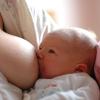
Breastfeeding

Breastfeeding, also known as nursing, is the feeding of babies and young children with milk from a woman's breast.  Health professionals recommend that breastfeeding begin within the first hour of a baby's life and continue as often and as much as the baby wants.  During the first few weeks of life babies may nurse roughly every two to three hours.  The duration of a feeding is usually ten to fifteen minutes on each breast. Older children feed less often. Mothers may pump milk so that it can be used later when breastfeeding is not possible. Breastfeeding has a number of benefits to both mother and baby, which infant formula lacks.

Deaths of an estimated 820,000 children under the age of five could be prevented globally every year with increased breastfeeding.  Breastfeeding decreases the risk of respiratory tract infections and diarrhea, both in developing and developed countries. Other benefits include lower risks of asthma, food allergies, celiac disease, type 1 diabetes, and leukemia. Breastfeeding may also improve cognitive development and decrease the risk of obesity in adulthood. Mothers may feel pressure to breastfeed, but in the developed world children generally grow up normally when bottle fed.

Benefits for the mother include less blood loss following delivery, better uterus shrinkage, and less postpartum depression. Breastfeeding delays the return of menstruation and fertility, a phenomenon known as lactational amenorrhea. Long term benefits for the mother include decreased risk of breast cancer, cardiovascular disease, and rheumatoid arthritis. Breastfeeding is less expensive than infant formula.

Health organizations, including the World Health Organization (WHO), recommend breastfeeding exclusively for six months. This means that no other foods or drinks other than possibly vitamin D are typically given. After the introduction of foods at six months of age, recommendations include continued breastfeeding until at least one to two years of age. Globally about 38% of infants are only breastfed during their first six months of life. In the United States, about 75% of women begin breastfeeding and about 13% only breastfeed until the age of six months Medical conditions that do not allow breastfeeding are rare. Mothers who take certain recreational drugs and medications should not breastfeed. Smoking, limited amounts of alcohol, or coffee are not reasons to avoid breastfeeding.


  • Breast-feeding is associated with a reduced frequency of acute otitis media and high serum antibody levels against NTHi and outer membrane protein vaccine antigen candidate P6📎

    facebook Share on Facebook
    Abstract Title:

    Breast-feeding is associated with a reduced frequency of acute otitis media and high serum antibody levels against NTHi and outer membrane protein vaccine antigen candidate P6.

    Abstract Source:

    Pediatr Res. 2009 Nov;66(5):565-70. PMID: 19581824

    Abstract Author(s):

    Albert Sabirov, Janet R Casey, Timothy F Murphy, Michael E Pichichero

    Article Affiliation:

    Department of Microbiology/Immunology, University of Rochester, Rochester, New York 14627, USA.

    Abstract:

    Nontypeable Haemophilus influenzae (NTHi) causes acute otitis media (AOM) in infants. Breast-feeding protects against AOM and/or nasopharyngeal (NP) colonization; however, the mechanism of protection is incompletely understood. Children with AOM and healthy children were studied according to feeding status: breastfed,breast/formula fed, or formula fed. Cumulative episodes of AOM, ELISA titers of serum IgG antibodies to whole-cell NTHi and vaccine candidate outer membrane protein P6, bactericidal titers of serum and NP colonization by NTHi were assessed. A lower incidence of AOM was found in breast- versus formula-fed children. Levels of specific serum IgG antibody to NTHi and P6 were highest in breast-fed, intermediate in breast/formula fed, and lowest in formula-fed infants. Serum IgG antibody to P6 correlated with bactericidal activity against NTHi. Among children with AOM, the prevalence of NTHi in the NP was lower in breast- versus nonbreast-fed infants. We conclude that breast-feeding shows an association with higher levels of antibodies to NTHi and P6, suggesting that breast-feeding modulates the serum immune response to NTHi and P6. Higher serum IgG might facilitate protection against AOM and NP colonization in breast-fed children.

  • Breast-feeding problems after epidural analgesia for labour: a retrospective cohort study of pain, obstetrical procedures and breast-feeding practices.

    facebook Share on Facebook
    Abstract Title:

    Breast-feeding problems after epidural analgesia for labour: a retrospective cohort study of pain, obstetrical procedures and breast-feeding practices.

    Abstract Source:

    Gynecol Obstet Fertil. 2010 Dec;38(12):747-53. PMID: 15321436

    Abstract Author(s):

    P Volmanen, J Valanne, S Alahuhta

    Article Affiliation:

    Department of Anaesthesiology, Lapland Central Hospital, Rovaniemi, Finland. This email address is being protected from spambots. You need JavaScript enabled to view it.

    Abstract:

    Various clinical practices have been found to be associated with breast-feeding problems. However, little is known about the effect of pain, obstetrical procedures and analgesia on breast-feeding behaviour. We designed a retrospective study with a questionnaire concerning pain, obstetrical procedures and breast-feeding practices mailed to 164 primiparae in Lapland. Altogether 99 mothers (60%) returned completed questionnaires that could be included in the analysis, which was carried out in two steps. Firstly, all accepted questionnaires were grouped according to the success or failure to breast-feed fully during the first 12 weeks of life. Secondly, an ad hoc cohort study was performed on the sub-sample of 64 mothers delivered vaginally. As many as 44% of the 99 mothers reported partial breast feeding or formula feeding during the first 12 weeks. Older age of the mother, use of epidural analgesia and the problem of "not having enough milk" were associated with the failure to breast-feed fully. Caesarean section, other methods of labour analgesia and other breast-feeding problems were not associated with partial breast feeding or formula feeding. In the sub-sample, 67% of the mothers who had laboured with epidural analgesia and 29% of the mothers who laboured without epidural analgesia reported partial breast feeding or formula feeding (P = 0.003). The problem of "not having enough milk" was more often reported by those who had had epidural analgesia. Further studies conducted prospectively are needed to establish whether a causal relationship exists between epidural analgesia and breast-feeding problems.

  • Breast-feeding protects against celiac disease📎

    facebook Share on Facebook
    Abstract Title:

    Breast-feeding protects against celiac disease.

    Abstract Source:

    Am J Clin Nutr. 2002 May;75(5):914-21. PMID: 11976167

    Abstract Author(s):

    Anneli Ivarsson, Olle Hernell, Hans Stenlund, Lars Ake Persson

    Abstract:

    BACKGROUND: Celiac disease, or permanent gluten-sensitive enteropathy, is an immunologic disease strictly dependent on exposure to wheat gluten or related proteins in rye and barley.

    OBJECTIVE: The aim of this study was to explore whether breast-feeding and the mode of introducing dietary gluten influence the risk of celiac disease in childhood.

    DESIGN: A population-based incident case-referent study of Swedish children, 627 cases with celiac disease and 1254 referents, was conducted; 78% of the matched sets were included in the final analyses. A questionnaire was used to assess patterns of food introduction to infants. Models were built, based on current epidemiologic and immunologic knowledge of celiac disease, to study the potential influence of dietary patterns on disease risk and were evaluated by conditional logistic regression in multivariate analyses.

    RESULTS: The risk of celiac disease was reduced in children aged <2 y if they were still being breast-fed when dietary gluten was introduced [adjusted odds ratio (OR): 0.59; 95% CI: 0.42, 0.83]. This effect was even more pronounced in infants who continued to be breast-fed after dietary gluten was introduced (OR: 0.36; 95% CI: 0.26, 0.51). The risk was greater when gluten was introduced in the diet in large amounts (OR: 1.5; 95% CI: 1.1, 2.1) than when introduced in small or medium amounts. In older children, these risk factors were of no or only minor importance.

    CONCLUSIONS: The gradual introduction of gluten-containing foods into the diet of infants while they are still being breast-fed reduces the risk of celiac disease in early childhood and probably also during the subsequent childhood period.

     
  • Breastfed infants metabolize perchlorate.

    facebook Share on Facebook
    Abstract Title:

    Breastfed infants metabolize perchlorate.

    Abstract Source:

    Environ Sci Technol. 2012 May 1 ;46(9):5151-9. Epub 2012 Apr 20. PMID: 22497505

    Abstract Author(s):

    C Phillip Shelor, Andrea B Kirk, Purnendu K Dasgupta, Martina Kroll, Catrina A Campbell, Pankaj K Choudhary

    Article Affiliation:

    Department of Chemistry and Biochemistry, The University of Texas at Arlington, Arlington, Texas 76019-0065, USA.

    Abstract:

    Bifidobacteria are the dominant intestinal bacteria in breastfed infants. It is known that they can reduce nitrate. Although no direct experiments have been conducted until now, inferred pathways for Bifidobacterium bifidum include perchlorate reduction via perchlorate reductase. We show that when commercially available strains of bifidobacteria are cultured in milk, spiked with perchlorate, perchlorate is consumed. We studied 13 breastfed infant-mother pairs who provided 43 milk samples and 39 infant urine samples, and 5 formula-fed infant-mother pairs who provided 21 formula samples and 21 infant urine samples. Using iodine as a conservative tracer, we determined the average urinary iodine (UI) to milk iodine (MI) concentration ratio to be 2.87 for the breastfed infants. For the same samples, the corresponding perchlorate concentration ratio was 1.37 (difference significant, p<0.001), indicating that perchlorate is lost. For the formula fed infant group the same ratios were 1.20 and 1.58; the difference was not significant (p = 0.68). However, the small number of subjects in the latter group makes it more difficult to conclude definitively whether perchlorate reduction does or does not occur.

  • Breastfeeding

  • Breastfeeding

    facebook Share on Facebook

    Breastfeeding, also known as nursing, is the feeding of babies and young children with milk from a woman's breast.  Health professionals recommend that breastfeeding begin within the first hour of a baby's life and continue as often and as much as the baby wants.  During the first few weeks of life babies may nurse roughly every two to three hours.  The duration of a feeding is usually ten to fifteen minutes on each breast. Older children feed less often. Mothers may pump milk so that it can be used later when breastfeeding is not possible. Breastfeeding has a number of benefits to both mother and baby, which infant formula lacks.

  • Breastfeeding and Endometrial Cancer Risk: An Analysis From the Epidemiology of Endometrial Cancer Consortium📎

    facebook Share on Facebook
    Abstract Title:

    Breastfeeding and Endometrial Cancer Risk: An Analysis From the Epidemiology of Endometrial Cancer Consortium.

    Abstract Source:

    Obstet Gynecol. 2017 Jun ;129(6):1059-1067. PMID: 28486362

    Abstract Author(s):

    Susan J Jordan, Renhua Na, Sharon E Johnatty, Lauren A Wise, Hans Olov Adami, Louise A Brinton, Chu Chen, Linda S Cook, Luigino Dal Maso, Immaculata De Vivo, Jo L Freudenheim, Christine M Friedenreich, Carlo La Vecchia, Susan E McCann, Kirsten B Moysich, Lingeng Lu, Sara H Olson, Julie R Palmer, Stacey Petruzella, Malcolm C Pike, Timothy R Rebbeck, Fulvio Ricceri, Harvey A Risch, Carlotta Sacerdote, Veronica Wendy Setiawan, Todd R Sponholtz, Xiao Ou Shu, Amanda B Spurdle, Elisabete Weiderpass, Nicolas Wentzensen, Hannah P Yang, Herbert Yu, Penelope M Webb

    Article Affiliation:

    Susan J Jordan

    Abstract:

    OBJECTIVE:To investigate the association between breastfeeding and endometrial cancer risk using pooled data from 17 studies participating in the Epidemiology of Endometrial Cancer Consortium.

    METHODS:We conducted a meta-analysis with individual-level data from three cohort and 14 case-control studies. Study-specific odds ratios (ORs) and 95% confidence intervals (CIs) were estimated for the association between breastfeeding and risk of endometrial cancer using multivariable logistic regression and pooled using random-effects meta-analysis. We investigated between-study heterogeneity with I  and Q statistics and metaregression.

    RESULTS:After excluding nulliparous women, the analyses included 8,981 women with endometrial cancer and 17,241 women in a control group. Ever breastfeeding was associated with an 11% reduction in risk of endometrial cancer (pooled OR 0.89, 95% CI 0.81-0.98). Longer average duration of breastfeeding per child was associated with lower risk of endometrial cancer, although there appeared to be some leveling of this effect beyond 6-9 months. The association with ever breastfeeding was not explained by greater parity and did not vary notably by body mass index or histologic subtype (grouped as endometrioid and mucinous compared with serous and clear cell).

    CONCLUSION:Our findings suggest that reducing endometrial cancer risk can be added to the list of maternal benefits associated with breastfeeding. Ongoing promotion, support, and facilitation of this safe and beneficial behavior might therefore contribute to the prevention of this increasingly common cancer.

  • Breastfeeding and Its Relationship to Childhood Respiratory Allergies and Allergic Asthma a Longitudinal Study (P11-104-19). 📎

    facebook Share on Facebook
    Abstract Title:

    Breastfeeding and Its Relationship to Childhood Respiratory Allergies and Allergic Asthma a Longitudinal Study (P11-104-19).

    Abstract Source:

    Curr Dev Nutr. 2019 Jun ;3(Suppl 1). Epub 2019 Jun 13. PMID: 31225254

    Abstract Author(s):

    Galya Bigman

    Article Affiliation:

    Galya Bigman

    Abstract:

    Objectives:Breastfeeding might be associated with respiratory allergy and asthma subtypes(i.e., allergic asthma), but such relations have never been examined yet in the US. Therefore, the aims of the study were: To examined the association between breastfeeding and respiratory allergy in children aged six years.To examined the association between breastfeeding and asthma including asthma subtypes (allergic) in children aged six yearsOur hypothesis was that exclusively breastfeeding for 3 months would reduce the risk of developing childhood respiratory allergy and allergic asthma.

    Methods:A longitudinal study was used, utilizing data from mother-infant pairs that participated in the infant Feeding Practices Study-II(IFPS-II) and the Year-6-Follow-Up Study(Y6FU) in the United-States(US). The data included mother-reported breastfeeding practices in IFPS-II, childhood allergies in Y6FU, and covariates as demographic variables, siblings, wheezing, RSV, history of family allergies, maternal smoking status, and introduction to complementary foods. Multiple logistic regressions were used to examine the study aims.

    Results:Overall, 1,177 questionnaires were completed in IFPS-II and Y6FU. Until 3 months, 35.9%(n = 423) of the children were exclusively breastfed, and 24.6%(n = 290) were exclusively formula-fed. Based on mothers' reports, 20.8%(n = 245) of the children had been diagnosed by a physician as having had a respiratory allergy, and 10.2% (n = 120)with asthma, and of these, 105 cases had allergic asthma(8.7%). The results of the multivariable analyses showed that children who were exclusively breastfed for 3 months were significantly less likely by 37% to have respiratory allergy(AOR = 0.63 CI 95%:0.42-0.93) compared with children who were exclusively formula fed for 3 months afteradjusting for associated covariates. There were no significant differences in the odds of having asthma across the different feeding practices. Allergic asthma, however, was significantly associated with exclusive breastfeeding for 3 months (AOR = 0.54 CI 95%:0.30-0.96), after adjusting for associated covariates.

    Conclusions:Exclusive breastfeeding for the first 3 months reduce the risk for respiratory allergies and allergic asthma in children.

    Funding Sources:There is no funding source to declare.

  • Breastfeeding and risk for fever after immunization📎

    facebook Share on Facebook
    Abstract Title:

    Breastfeeding and risk for fever after immunization.

    Abstract Source:

    Pediatrics. 2010 Jun;125(6):e1448-52. Epub 2010 May 17. PMID: 20478932

    Abstract Author(s):

    Alfredo Pisacane, Paola Continisio, Orsola Palma, Stefania Cataldo, Fabiola De Michele, Ugo Vairo

    Article Affiliation:

    Dipartimento di Pediatria, Università Federico II, Via S. Pansini 5, Napoli 80131, Italy. This email address is being protected from spambots. You need JavaScript enabled to view it.

    Abstract:

    OBJECTIVE: The objective of this study was to evaluate the effects of breastfeeding on the risk for fever after routine immunizations.

    METHODS: A prospective cohort study was conducted at a pediatric vaccination center in Naples, Italy. The mothers of the infants scheduled to receive routine immunizations were instructed on how to measure and record infant temperature on the evening of the vaccination and for the subsequent 3 days. The information about the incidence of fever was obtained by telephone on the third day after vaccination. The relative risk for fever in relation to the type of breastfeeding was estimated in multivariate analyses that adjusted for vaccine dose, maternal education and smoking, and number of other children in the household.

    RESULTS: A total of 460 infants were recruited, and information on the outcome was obtained for 450 (98%). Fever was reported for 30 (25%), 48 (31%), and 94 (53%) of the infants who were being exclusively breastfed, partially breastfed, or not breastfed at all, respectively (P<.01). The relative risk for fever among infants who were exclusively and partially breastfed was 0.46 (95% confidence interval: 0.33-0.66) and 0.58 (95% confidence interval: 0.44-0.77), respectively. The protection conferred by breastfeeding persisted even when considering the role of several potential confounders.

    CONCLUSIONS: In this study, breastfeeding was associated with a decreased incidence of fever after immunizations.

  • Breastfeeding and Risk of Kawasaki Disease: A Nationwide Longitudinal Survey in Japan📎

    facebook Share on Facebook
    Abstract Title:

    Breastfeeding and Risk of Kawasaki Disease: A Nationwide Longitudinal Survey in Japan.

    Abstract Source:

    Pediatrics. 2016 Jun ;137(6). Epub 2016 May 11. PMID: 27244853

    Abstract Author(s):

    Takashi Yorifuji, Hirokazu Tsukahara, Hiroyuki Doi

    Article Affiliation:

    Takashi Yorifuji

    Abstract:

    BACKGROUND AND OBJECTIVES:Kawasaki disease (KD) is the most common cause of childhood-acquired heart disease in developed countries. However, the etiology of KD is not known. Aberrant immune responses are considered to play key roles in disease initiation and breastfeeding can mature immune system in infants. We thus examined the association between breastfeeding and the development of KD.

    METHODS:We used a nationwide population-based longitudinal survey ongoing since 2010 and restricted participants to a total of 37 630 children who had data on their feeding during infancy. Infant feeding practice was queried at 6 to 7 months of age, and responses to questions about hospital admission for KD during the period from 6 to 30 months of age were used as outcome. We conducted logistic regression analyses controlling for child and maternal factors with formula feeding without colostrum as our reference group.

    RESULTS:A total of 232 hospital admissions were observed. Children who were breastfed exclusively or partially were less likely to be hospitalized for KD compared with those who were formula fed without colostrum; odds ratios for hospitalization were 0.26 (95% confidence interval: 0.12-0.55) for exclusive breastfeeding and 0.27 (95% confidence interval: 0.13-0.55) for partial breastfeeding. Although the risk reduction was not statistically significant, feeding colostrum only also provided a protective effect.

    CONCLUSIONS:We observed protective effects of breastfeeding on the development of KD during the period from 6 to 30 months of age in a nationwide, population-based, longitudinal survey in Japan, the country in which KD is most common.

  • Breastfeeding and the prevalence of allergic diseases in schoolchildren: Does reverse causation matter?

    facebook Share on Facebook
    Abstract Title:

    Breastfeeding and the prevalence of allergic diseases in schoolchildren: Does reverse causation matter?

    Abstract Source:

    Pediatr Allergy Immunol. 2010 Feb;21(1 Pt 1):60-6. Epub 2010 Jan 14. PMID: 20088862

    Abstract Author(s):

    Takashi Kusunoki, Takeshi Morimoto, Ryuta Nishikomori, Takahiro Yasumi, Toshio Heike, Kumiko Mukaida, Tatsuya Fujii, Tatsutoshi Nakahata

    Article Affiliation:

    Department of Pediatrics, Shiga Medical Center for Children, Moriyama, Shiga, Japan. This email address is being protected from spambots. You need JavaScript enabled to view it.

    Abstract:

    Infants at higher risk of allergic diseases might be breastfed for longer periods compared with infants at lower risk in the hope that breastfeeding might reduce the risk of atopic disorders. Therefore, this intention could manifest as an apparent allergy-promoting effect of breastfeeding or reverse causation. To analyze the effect of breast feeding on the prevalence of allergic diseases at school age, a large questionnaire survey was administered to the parents of schoolchildren aged 7-15 yrs. 13,215 parents responded (response rate, 90.1%). Prevalence rates of allergic diseases were compared according to the type of feeding in infancy (either complete breastfeeding, mixed feeding or complete artificial feeding). In both univariate and multivariate analysis, compared with those with complete artificial feeding, those with mixed and complete breastfeeding showed a significantly lower prevalence of bronchial asthma (BA) (p = 0.01 and 0.003, respectively). On the other hand, in univariate analysis, the prevalence of atopic dermatitis (AD) and food allergy (FA) were significantly higher in those with complete breastfeeding (p = 0.04 and 0.01, respectively). There was a significantly higher proportion of complete breastfeeding among those with greater risk of allergic diseases (presence of family history, either eczema or wheeze within 6 months after birth, or FA in infancy). Therefore, our multivariate analysis included these risks as confounding factors, and we found that the promoting effects of breastfeeding on AD and FA disappeared. In conclusion, our data clearly showed the inhibitory effect of breastfeeding on the prevalence of BA at school age. The apparent promoting effect of breastfeeding on the prevalence of AD and FA is most likely because of reverse causation.

  • Breastfeeding and the risk of respiratory tract infections after infancy: The Generation R Study📎

    facebook Share on Facebook
    Abstract Title:

    Breastfeeding and the risk of respiratory tract infections after infancy: The Generation R Study.

    Abstract Source:

    PLoS One. 2017 ;12(2):e0172763. Epub 2017 Feb 23. PMID: 28231310

    Abstract Author(s):

    Ilse Tromp, Jessica Kiefte-de Jong, Hein Raat, Vincent Jaddoe, Oscar Franco, Albert Hofman, Johan de Jongste, Henriëtte Moll

    Article Affiliation:

    Ilse Tromp

    Abstract:

    BACKGROUND:The protection of breastfeeding against respiratory tract infections in the first year of life has often been suggested. Few studies examined the effect of breastfeeding on respiratory tract infections after infancy.

    OBJECTIVE:To examine the association between breastfeeding with lower respiratory tract infections (LRTI) and upper respiratory tract infections (URTI) after infancy up to 4 years of age (n = 5322).

    METHODS:This study was embedded in The Generation R study, a Dutch population-based prospective cohort study from fetal life until young adulthood. Information on breastfeeding duration (never;<3 months; 3-6 months;≥6 months) and dose (never; partially until 4 months; predominantly until 4 months) were collected by questionnaire at 2, 6, and 12 months of age. Information on doctor attendance for LRTI and URTI were obtained by questionnaire at 2, 3, and 4 years of age.

    RESULTS:Breastfeeding for 6 months or longer was significantly associated with a reduced risk of LRTI up to 4 years of age (aOR: 0.71; 95% CI: 0.51-0.98). Similar ORs for LRTI were found with breastfeeding for less than 3 months and 3-6 months. Although in the same direction, weaker ORs were found for URTI and breastfeeding duration. The same trend was found for partial and predominant breastfeeding until 4 months and LRTI and URTI.

    CONCLUSION:Breastfeeding duration for 6 months or longer is associated with a reduced risk of LRTI in pre-school children. These findings are compatible with the hypothesis that the protective effect of breastfeeding for respiratory tract infections persist after infancy therefore supporting current recommendations for breastfeeding for at least 6 months.

  • Breastfeeding and the u.s. Economy.

    facebook Share on Facebook
    Abstract Title:

    Breastfeeding and the u.s. Economy.

    Abstract Source:

    Breastfeed Med. 2011 Oct ;6:313-8. PMID: 22007819

    Abstract Author(s):

    Melissa Bartick

    Article Affiliation:

    Hospitalist and Instructor in Medicine, Department of Medicine, Cambridge Health Alliance and Harvard Medical School , Cambridge and Boston, Massachusetts.

    Abstract:

    Abstract Background: A recent study showed that current suboptimal U.S. breastfeeding rates cost the U.S. economy $13 billion per year in 2007 dollars for pediatric health cost and premature death. Cost data of excess maternal disease are not yet published but are thought to be substantial. Little is known about other costs. Methods: The approximate annual costs of many entities that impact breastfeeding or are impacted by breastfeeding were calculated and converted to 2010 dollars. Calculations assumed the United States went from 2007 breastfeeding rates to 90% compliance with medical recommendations. We included pediatric health costs, formula costs, cost of extra food for lactating women, paid leave, and additional factors. Results: If 90% of mothers could comply with current medical recommendations around breastfeeding, our economy could save $3.7 billion in direct and indirect pediatric health costs, with $10.1 billion in premature death from pediatric disease. We would spend $3.9 billion less per year on infant formula. Additional food for nursing mothers would cost up to $1.6-2.1 billion, and more Baby-Friendly(®) (World Health Organization, Geneva, Switzerland/UNICEF, New York, NY) births would cost $0.145 billion. Paid leave would cost $6.2 billion for 12 weeks at 55% pay. Note that current formula company rebates of $2 billion to Special Supplemental Nutrition Program for Women, Infants, and Children (WIC) are equal to 32% of net WIC expenditures. Conclusions: Even including paid leave, the net cost to our economy of our suboptimal breastfeeding rates would still be at least $8.7 billion. Paid leave would be expected to improve breastfeeding duration and reduce disparities. The WIC budget is dependent on formula company rebates, a conflicting situation.

  • Breastfeeding attenuates reductions in energy intake induced by a mild immunologic stimulus represented by DPTH immunization: possible roles of interleukin-1beta, tumor necrosis factor-alpha and leptin📎

    facebook Share on Facebook
    Abstract Title:

    Breastfeeding attenuates reductions in energy intake induced by a mild immunologic stimulus represented by DPTH immunization: possible roles of interleukin-1beta, tumor necrosis factor-alpha and leptin.

    Abstract Source:

    J Nutr. 2002 Jun;132(6):1293-8. PMID: 12042449

    Abstract Author(s):

    Mardya López-Alarcón, Cutberto Garza, Jean-Pierre Habicht, Lourdes Martínez, Virginia Pegueros, Salvador Villalpando

    Article Affiliation:

    Division of Nutritional Sciences, Cornell University, Ithaca, NY, USA.

    Abstract:

    An attenuated severity of infections is among the well-documented benefits of breast-feeding. The degree to which this attenuated severity extends to the amelioration of anorexia is understood incompletely, and possible underlying mechanisms have received limited evaluation. This study was designed to test whether breast-feeding attenuates reductions in energy intake associated with a mild immunologic stimulus and to assess poststimulus relationships among putative reductions in energy intake and serum interleukin (IL)-1beta, tumor necrosis factor (TNF)-alpha and leptin concentrations. A quasi-experimental, hospital-based study was conducted in 23 healthy fully breast- (BF) and formula-fed (FF) infants who received the quadruple diphtheria, pertussis, tetanus and hemophilus influenza (DPTH) immunization as an immunologic challenge. Only FF infants had decreased energy intakes (12 +/- 2%, P = 0.001) after immunization. Leptin concentrations increased after immunization only in FF infants (30 +/- 7%, P = 0.03). Correlations between postimmunization increases in IL-beta and reductions in energy intake were of borderline significance (r = -0.56, P = 0.08). These findings support the view that breast-feeding protects against anorectic responses to mild immunologic stimuli. Increases in leptin are associated with reductions in energy consumption in the postimmunization period in FF infants and postimmunization changes in IL-1beta concentrations likely are related to reductions in energy intake in response to immunologic stimuli.

  • Breastfeeding duration and postpartum psychological adjustment: role of maternal attachment styles.

    facebook Share on Facebook
    Abstract Title:

    Breastfeeding duration and postpartum psychological adjustment: role of maternal attachment styles.

    Abstract Source:

    J Paediatr Child Health. 2008 Jun;44(6):369-73. PMID: 18476931

    Abstract Author(s):

    Ipek Akman, M Kemal Kuscu, Ziya Yurdakul, Nihal Ozdemir, Mine Solakoğlu, Lale Orhon, Aytül Karabekiroğlu, Eren Ozek

    Abstract:

    AIM: Depressive and anxiety symptoms are common in new mothers. The aim of this study is to explore the link between postpartum psychological adjustment and feeding preferences of the mothers. METHODS: Sixty mothers and newborns were enrolled in this prospective, longitudinal study. Maternal depressive symptoms were screened by the Edinburgh Postpartum Depression Scale (EPDS), and maternal anxiety level was assessed by the State-Trait Anxiety Inventory at 1 month postpartum. The Multidimensional Scale of Perceived Social Support was used for the assessment of maternal social support. The Adult Attachment Scale was used to determine the attachment style of the mother. Infants were examined and evaluated at 1 and 4 months of life. RESULTS: All mothers started breastfeeding their infants postpartum; 91% and 68.1% continued exclusive breastfeeding at 1 and 4 months, respectively. The first-month median EPDS score of mothers who breastfeed at the fourth month was statistically significantly lower than those who were not breastfeeding (6 and 12, respectively) (P = 0001). The first-month median EPDS score of mothers with secure attachment was lower than the median score of mothers with insecure attachment (5 and 9, respectively) (P<0001). Exclusive breastfeeding rate was not statistically different among mothers with secure and insecure attachment styles. The median state and trait anxiety scores and social support scores of mothers were not different between groups according to breastfeeding status. CONCLUSIONS: This study has shown an association between higher EPDS scores and breastfeeding cessation by 4 months after delivery.

  • Breastfeeding for diabetes prevention.

    facebook Share on Facebook
    Abstract Title:

    Breastfeeding for diabetes prevention.

    Abstract Source:

    J Pak Med Assoc. 2016 Sep ;66(9 Suppl 1):S88-90. PMID: 27582164

    Abstract Author(s):

    Resham Raj Poudel, Dina Shrestha

    Article Affiliation:

    Resham Raj Poudel

    Abstract:

    Breastfeeding has been consistently observed to improve metabolism in mothers and their offspring. Apart from mother child bonding and nutritional benefits; it is associated with a decreased risk of acquiring metabolic syndrome and type 2 diabetes mellitus (T2DM) in mothers, obesity and type 1 diabetes mellitus (T1DM) in their children. Early initiation and exclusive breastfeeding should therefore be highly encouraged and strongly supported.

  • Breastfeeding in HIV Exposed Infants Significantly Improves Child Health: A Prospective Study.

    facebook Share on Facebook
    Abstract Title:

    Breastfeeding in HIV Exposed Infants Significantly Improves Child Health: A Prospective Study.

    Abstract Source:

    Matern Child Health J. 2011 Apr 20. Epub 2011 Apr 20. PMID: 21505776

    Abstract Author(s):

    Gurpreet Kindra, Anna Coutsoudis, Francesca Esposito, Tonya Esterhuizen

    Article Affiliation:
    Abstract:

    Breastfeeding has been shown to benefit both maternal and child immune status. The impact of exclusive breastfeeding in the presence of HIV infection on maternal and child health is still unclear. Socio-economic factors make breast-feeding an important source of nutrition for an infant 6 months and under in the developing world. A prospective study was conducted to examine the impact of feeding mode on various maternal indices including anthropometry; body composition indicators (using FTIR); haematology and biochemical markers; as well as incidence rates of opportunistic infections and clinical disease progression. In infants we examined the impact on growth, development and morbidity. AFASS criteria (affordable, feasible, accessible, sustainable and safe) were fulfilled by 38.7% of the formula feeding mothers. No significant differences between the formula feeding and breastfeeding groups in terms of haematological, immunological and body composition changes were seen. Breastfeeding mothers had significantly lower events with high depression scores (P = 0.043). Breastfeeding infants had a significantly lower risk of diarrhoea and hospitalisation at 3 months (P = 0.006 and 0.014 respectively). Breastfeeding was significantly associated with better development scores and growth parameters. Breastfeeding is not harmful to the mother in the presence of HIV infection. Mothers are still choosing formula feeding inappropriately despite counselling about the AFASS criteria. Breastfeeding is beneficial to the infants especially in the first 3 months of life.

  • Breastfeeding Is Associated with Decreased Hospitalization for Neonatal Fever.

    facebook Share on Facebook
    Abstract Title:

    Breastfeeding Is Associated with Decreased Hospitalization for Neonatal Fever.

    Abstract Source:

    Breastfeed Med. 2016 Jun ;11:218-21. Epub 2016 Aug 12. PMID: 27070106

    Abstract Author(s):

    Hila Netzer-Tomkins, Lisa Rubin, Moshe Ephros

    Article Affiliation:

    Hila Netzer-Tomkins

    Abstract:

    BACKGROUND:Breastfeeding is the recommended method for feeding newborns and infants. It confers significant health benefits upon both infant and mother and provides developmental, social, and economic advantages.

    OBJECTIVE:This study explored possible correlations between breastfeeding and neonatal fever (NF).

    MATERIALS AND METHODS:One hundred and forty infants hospitalized for fever during the first month of life (NF) were identified by retrospective chart review. These were matched with healthy infants born on the same day in the study hospital and who were not hospitalized in the first month of life. A structured telephone interview to determine breastfeeding practice was conducted with the parents of all study participants.

    RESULTS:The prevalence of children who were formula fed or only partially breastfed was significantly higher among hospitalized children compared to healthy controls (66% versus 34%, respectively, p < 0.001). This association remained after adjusting for exposure to smoke, gender, and household crowding. Exposure to household smoke was also independently associated with hospitalization for NF.

    CONCLUSION:Increased rates of breastfeeding should result in fewer hospitalizations for NF, fewer laboratory investigations, less intravenous antibiotic therapy and its complications, and lower indirect expenses. This study demonstrates that exclusive or predominant breastfeeding, as opposed to formula or partial breastfeeding, of infants less than 1 month of age reduces the risk of NF-related hospitalization by over two-fold. Our data provide new evidence of the health benefits of breastfeeding. The retrospective nature of the study and possible recall bias are limitations of the study.

  • Breastfeeding lowers a mother’s risk of heart disease

    facebook Share on Facebook

    images/external-images/ff77241eb0e466acd9516ee0927e3482.jpgBreastfeeding isn’t only good for the baby—the mother also benefits and reduces her risk of heart disease or stroke.

    Women who breastfed at some point in their lives are 11 percent less likely to develop cardiovascular disease than a woman who never breastfed and they also had a 12 percent lower risk of strokes.

    Earlier studies have suggested that breastfeeding also lowers the risk of type 2 diabetes, and ovarian and breast cancers.

  • Breastfeeding Mode and Risk of Breast Cancer: A Dose-Response Meta-Analysis.

    facebook Share on Facebook
    Abstract Title:

    Breastfeeding Mode and Risk of Breast Cancer: A Dose-Response Meta-Analysis.

    Abstract Source:

    J Hum Lact. 2017 May ;33(2):422-434. Epub 2017 Feb 14. PMID: 28196329

    Abstract Author(s):

    Mishel Unar-Munguía, Gabriela Torres-Mejía, M Arantxa Colchero, Teresita González de Cosío

    Article Affiliation:

    Mishel Unar-Munguía

    Abstract:

    BACKGROUND:Breastfeeding reduces women's risk of breast cancer. Since exclusive breastfeeding has a stronger hormonal effect, it could theoretically result in a greater reduction in breast cancer risk than any breastfeeding mode. No meta-analysis has examined breast cancer risk by breastfeeding mode. Research aim: The authors conducted a meta-analysis for breast cancer risk in parous women who breastfed exclusively or in any mode versus parous women who formula fed their infants, and they estimated the summary dose-response association by the accumulated duration of any breastfeeding mode.

    METHODS:A systematic review of studies published between 2005 and 2015 analyzing breastfeeding and breast cancer risk in women was conducted in PubMed and EBSCOhost. A meta-analysis ( n = 65 studies) with fixed effects (or random effects, if heterogeneity existed) was carried out stratified by breastfeeding mode and menopausal and parity status. A summary dose-response association was estimated using the generalized least-squares method.

    RESULTS:The summary relative risk (SRR) for breast cancer in parous women who breastfed exclusively was 0.72, 95% confidence interval (CI) [0.58, 0.90], versus parous women who had never breastfed. For parous women who breastfed in any mode, the SRR was lower in both premenopausal women (0.86, 95% CI [0.80, 0.93]) and postmenopausal women (0.89, 95% CI [0.83, 0.95]). There was no heterogeneity or publication bias. There is weak evidence of a difference between exclusive and any breastfeeding mode ( p = .08). The summary dose-response curve was nonlinear ( p<.001).

    CONCLUSION:Exclusive breastfeeding among parous women reduces the risk of breast cancer compared with parous women who do not breastfeed exclusively.