CYBERMED LIFE - ORGANIC  & NATURAL LIVING
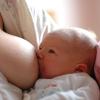
Breastfeeding

Breastfeeding, also known as nursing, is the feeding of babies and young children with milk from a woman's breast.  Health professionals recommend that breastfeeding begin within the first hour of a baby's life and continue as often and as much as the baby wants.  During the first few weeks of life babies may nurse roughly every two to three hours.  The duration of a feeding is usually ten to fifteen minutes on each breast. Older children feed less often. Mothers may pump milk so that it can be used later when breastfeeding is not possible. Breastfeeding has a number of benefits to both mother and baby, which infant formula lacks.

Deaths of an estimated 820,000 children under the age of five could be prevented globally every year with increased breastfeeding.  Breastfeeding decreases the risk of respiratory tract infections and diarrhea, both in developing and developed countries. Other benefits include lower risks of asthma, food allergies, celiac disease, type 1 diabetes, and leukemia. Breastfeeding may also improve cognitive development and decrease the risk of obesity in adulthood. Mothers may feel pressure to breastfeed, but in the developed world children generally grow up normally when bottle fed.

Benefits for the mother include less blood loss following delivery, better uterus shrinkage, and less postpartum depression. Breastfeeding delays the return of menstruation and fertility, a phenomenon known as lactational amenorrhea. Long term benefits for the mother include decreased risk of breast cancer, cardiovascular disease, and rheumatoid arthritis. Breastfeeding is less expensive than infant formula.

Health organizations, including the World Health Organization (WHO), recommend breastfeeding exclusively for six months. This means that no other foods or drinks other than possibly vitamin D are typically given. After the introduction of foods at six months of age, recommendations include continued breastfeeding until at least one to two years of age. Globally about 38% of infants are only breastfed during their first six months of life. In the United States, about 75% of women begin breastfeeding and about 13% only breastfeed until the age of six months Medical conditions that do not allow breastfeeding are rare. Mothers who take certain recreational drugs and medications should not breastfeed. Smoking, limited amounts of alcohol, or coffee are not reasons to avoid breastfeeding.


  • Breastfeeding protects against acute gastroenteritis due to rotavirus in infants.

    facebook Share on Facebook
    Abstract Title:

    Breastfeeding protects against acute gastroenteritis due to rotavirus in infants.

    Abstract Source:

    Eur J Pediatr. 2010 Dec;169(12):1471-6. Epub 2010 Jul 9. PMID: 20617343

    Abstract Author(s):

    Anita Plenge-Bönig, Nelís Soto-Ramírez, Wilfried Karmaus, Gudula Petersen, Susan Davis, Johannes Forster

    Article Affiliation:

    Institute for Hygiene and Environment, Hamburg, Germany.

    Abstract:

    To assess whether breastfeeding protects against acute gastroenteritis (AGE) due to rotavirus (RV) infection compared to RV-negative AGE (RV-) in children age 0-12 months. Data from a community-based study of children with AGE from 30 pediatric practices in Germany, Switzerland, and Austria were evaluated. A case-control design was conducted with RV-positive AGE (RV+) cases and RV- AGE as controls. Odds ratios and 95% confidence intervals were estimated using log-linear regression models adjusting for child's age, family size, number of siblings, child care attendance, and nationality. A total of 1,256 stool samples were collected from infants with AGE; 315 (25%) were RV+ and 941 RV-. Being breastfed in the period of disease inception reduced the risk of AGE due to RV+ (OR, 0.53; 95% CI, 0.37-0.76). In infants 0-6 months of age, the protective effect was stronger (OR, 0.33; 95% CI, 0.19-0.55) than in 7-12-month-old children. Our study adds to the evidence of a protective concurrent effect of breastfeeding against rotavirus infection in infants, particularly in children 6 months and younger. Breastfeeding is important to diminish rotavirus-related gastroenteritis in infants before vaccination can be introduced.

  • Breastfeeding reduces postpartum weight retention📎

    facebook Share on Facebook
    Abstract Title:

    Breastfeeding reduces postpartum weight retention.

    Abstract Source:

    Am J Clin Nutr. 2008 Dec;88(6):1543-51. PMID: 19064514

    Abstract Author(s):

    Jennifer L Baker, Michael Gamborg, Berit L Heitmann, Lauren Lissner, Thorkild I A Sørensen, Kathleen M Rasmussen

    Abstract:

    BACKGROUND: Weight gained during pregnancy and not lost postpartum may contribute to obesity in women of childbearing age.

    OBJECTIVE: We aimed to determine whether breastfeeding reduces postpartum weight retention (PPWR) in a population among which full breastfeeding is common and breastfeeding duration is long. DESIGN: We selected women from the Danish National Birth Cohort who ever breastfed (>98%), and we conducted the interviews at 6 (n = 36 030) and 18 (n = 26 846) mo postpartum. We used regression analyses to investigate whether breastfeeding (scored to account for duration and intensity) reduced PPWR at 6 and 18 mo after adjustment for maternal prepregnancy body mass index (BMI) and gestational weight gain (GWG).

    RESULTS: GWG was positively (P<0.0001) associated with PPWR at both 6 and 18 mo postpartum. Breastfeeding was negatively associated with PPWR in all women but those in the heaviest category of prepregnancy BMI at 6 (P<0.0001) and 18 (P<0.05) mo postpartum. When modeled together with adjustment for possible confounding, these associations were marginally attenuated. We calculated that, if women exclusively breastfed for 6 mo as recommended, PPWR could be eliminated by that time in women with GWG values of approximately 12 kg, and that the possibility of major weight gain (>or=5 kg) could be reduced in all but the heaviest women.

    CONCLUSION: Breastfeeding was associated with lower PPWR in all categories of prepregnancy BMI. These results suggest that, when combined with GWG values of approximately 12 kg, breastfeeding as recommended could eliminate weight retention by 6 mo postpartum in many women.

  • Breastfeeding, Childhood Asthma, and Allergic Disease📎

    facebook Share on Facebook
    Abstract Title:

    Breastfeeding, Childhood Asthma, and Allergic Disease.

    Abstract Source:

    Ann Nutr Metab. 2017 ;70 Suppl 2:26-36. Epub 2017 May 19. PMID: 28521318

    Abstract Author(s):

    Wendy H Oddy

    Article Affiliation:

    Wendy H Oddy

    Abstract:

    The worldwide prevalence of childhood asthma has been increasing considerably, and the protection afforded by breastfeeding in its development has been the subject of controversy for more than 80 years. Previous systematic reviews have generally found a protective effect of breastfeeding on allergic outcomes, although many studies have methodological limitations. Although breastfeeding is protective against lower respiratory tract infection during infancy, such protection has not been demonstrated for asthma in all studies. Breastfeeding has health benefits for the mother and child. Exclusive breastfeeding for the first 6 months of an infant's life, with continued breastfeeding for up to 2 years or longer, is recognized as the"gold"standard for infant feeding because human milk is uniquely suited to the human infant, and its nutritional content and bioactivity promote a healthy development. There is increasing concern that the practice of delaying complementary foods until 6 months may exacerbate the risk of allergic disease. Breast milk contains immunological components that protect against infections and allergic disease in infancy. The composition of human breast milk is complex, containing factors that interact with the infant immune system and intestinal milieu including allergens, cytokines, immunoglobulins, polyunsaturated fatty acids, and chemokines. Transforming growth factorβ is a cytokine in human milk involved in maintaining intestinal homeostasis, inflammation regulation, and oral tolerance development. Modern day society, with increased standards of hygiene, has changed the gut flora of Western infants, potentially impacting the risk of developing immune-mediateddiseases including allergic disease and asthma. Microbial diversity is intrinsic to healthy immune maturation and function. Compared to breastfed infants, formula-fed infants had lower bacterial diversity and an altered intestinal microbiota in the first few weeks of life associated with an increased risk of eczema and asthma. Favorable gut colonization through continued breastfeeding may promote tolerance as well as protection when complementary feeding is initiated.

  • Breastfeeding, infant formula supplementation, and Autistic Disorder: the results of a parent survey📎

    facebook Share on Facebook
    Abstract Title:

    Breastfeeding, infant formula supplementation, and Autistic Disorder: the results of a parent survey.

    Abstract Source:

    Int Breastfeed J. 2006;1:16. Epub 2006 Sep 15. PMID: 16978397

    Abstract Author(s):

    Stephen T Schultz, Hillary S Klonoff-Cohen, Deborah L Wingard, Natacha A Akshoomoff, Caroline A Macera, Ming Ji, Christopher Bacher

    Abstract:

    BACKGROUND: Although Autistic Disorder is associated with several congenital conditions, the cause for most cases is unknown. The present study was undertaken to determine whether breastfeeding or the use of infant formula supplemented with docosahexaenoic acid and arachidonic acid is associated with Autistic Disorder. The hypothesis is that breastfeeding and use of infant formula supplemented with docosahexaenoic acid/arachidonic acid are protective for Autistic Disorder.

    METHODS: This is a case-control study using data from the Autism Internet Research Survey, an online parental survey conducted from February to April 2005 with results for 861 children with Autistic Disorder and 123 control children. The analyses were performed using logistic regression.

    RESULTS: Absence of breastfeeding when compared to breastfeeding for more than six months was significantly associated with an increase in the odds of having autistic disorder when all cases were considered (OR 2.48, 95% CI 1.42, 4.35) and after limiting cases to children with regression in development (OR 1.95, 95% CI 1.01, 3.78). Use of infant formula without docosahexaenoic acid and arachidonic acid supplementation versus exclusive breastfeeding was associated with a significant increase in the odds of autistic disorder when all cases were considered (OR 4.41, 95% CI 1.24, 15.7) and after limiting cases to children with regression in development (OR 12.96, 95% CI 1.27, 132).

    CONCLUSION: The results of this preliminary study indicate that children who were not breastfed or were fed infant formula without docosahexaenoic acid/arachidonic acid supplementation were significantly more likely to have autistic disorder.

  • Breastfeeding: a potential protective factor against ventriculoperitoneal shunt infection in young infants📎

    facebook Share on Facebook
    Abstract Title:

    Breastfeeding: a potential protective factor against ventriculoperitoneal shunt infection in young infants.

    Abstract Source:

    J Neurosurg Pediatr. 2008 Feb;1(2):138-41. PMID: 18352783

    Abstract Author(s):

    Farideh Nejat, Parvin Tajik, Syed Mohammad Ghodsi, Banafsheh Golestan, Reza Majdzadeh, Shahrooz Yazdani, Saeed Ansari, Majid Dadmehr, Sara Ganji, Mehri Najafi, Fatemeh Farahmand, Farzaneh Moatamed

    Abstract:

    OBJECT: Previous studies have shown nutritional benefits of breastfeeding for a child's health, especially for protection against infection. Protective factors in human milk locally and systemically prevent infections in the gastrointestinal as well as upper and lower respiratory tracts. It remains unclear whether breastfeeding protects infants against ventriculoperitoneal (VP) shunt infection.

    METHODS: A cohort study was conducted from December 2003 to December 2006 at Children's Hospital Medical Center in Tehran, Iran. A total of 127 infants with hydrocephalus who were treated using a VP shunt in the first 6 months of life were enrolled. Each infant's breastfeeding method was classified as either exclusively breastfed (EBF), combination feedings of breast milk and formula (CFBF), or exclusively formula-fed (EFF). Infants were followed up to determine the occurrence of shunt infection within 6 months after operation. Statistical analysis was performed using survival methods.

    RESULTS: Infants ranged in age from 4 to 170 days at the time of shunt insertion (mean 69.6 days), and 57% were males. Regarding the breastfeeding categories, 57.5% were EBF, 25.2% were CFBF, and 17.3% were EFF. During the follow-up, shunt infection occurred in 16 patients, within 15 to 173 days after shunt surgery (median 49 days). The 6-month risk of shunt infection was 8.5% (95% confidence interval [CI] 4-18%) in the EBF group, 16.5% (95% CI 7-35%) in the CFBF group, and 26.0% (95% CI 12-52%) in the EFF group. There was no statistically significant difference between these 3 groups (p=0.11). The trend test showed a significant trend between the extent of breastfeeding and the risk of shunt infection (p=0.035), which persisted even after adjustment for potential confounding variables (hazard ratio=2.01, 95% CI 1.01-4). CONCLUSIONS: This study supports the protective effect of breastfeeding against shunt infection during the first 6 months of life and the presence of a dose-response relationship, such that the higher the proportion of an infant's feeding that comes from human milk, the lower the incidence of shunt infection. Encouraging mothers of infants with VP shunts to breastfeed exclusively in the first 6 months of life is recommended.

  • Breastfeeding's protection against illness-induced anorexia is mediated partially by docosahexaenoic acid📎

    facebook Share on Facebook
    Abstract Title:

    Breastfeeding's protection against illness-induced anorexia is mediated partially by docosahexaenoic acid.

    Abstract Source:

    Eur J Clin Nutr. 2008 Jan;62(1):32-8. Epub 2007 Feb 21. PMID: 17311056

    Abstract Author(s):

    M López-Alarcón, C Garza, M del Prado, P A García-Zúñiga, L Barbosa

    Article Affiliation:

    Unidad de Investigación Médica en Nutrición, Hospital de Pediatría, Centro Médico Nacional Siglo XXI. Mexican Institute of Social Security, Mexico City, Mexico. This email address is being protected from spambots. You need JavaScript enabled to view it.

    Abstract:

    OBJECTIVE: To test whether breastfeeding's protection against anorectic responses to infection is mediated by n-3 fatty acids' attenuation of interleukin (IL)-1beta and tumor necrosis factor (TNF)alpha.

    DESIGN: Experimental and observational studies.

    SETTING: A hospital-based study was conducted. SUBJECTS: Five groups of infants were followed; three in the experimental and two in the observational study.

    METHODS: Breast-fed- (BF-1), DHA-supplemented formula- (SFF-1), and non-DHA-supplemented formula-fed (FF-1) infants were studied before and after immunization against diphtheria, tetanus, pertussis and haemophilus influenzae type b. Pre- and post-immunization energy intakes (EI) and serum IL-1beta and TNFalpha were measured. The two other groups, breast-fed (BF-2) and formula-fed (FF-2) infants with pneumonia were followed throughout hospitalization. EI, IL-1beta and TNFalpha were measured at admission and discharge. Baseline erythrocyte fatty acid contents were determined.

    RESULTS: Both cytokines increased following immunization in all feeding groups. Post-immunization reductions in EI of SFF-1 infants (-11.8+/-5%, CI(95)=-23.3, 1.4%, P=0.07) were intermediate to those observed in BF-1 (-5.2+/-4.2%, CI(95)=-15.2, 5.9%, P=0.27) and FF-1 infants (-18+/-4.4%, CI(95)=-29%, -5.4%, P=0.02). In the observational study, TNFalpha (17.2+/-8.3 vs 3.4+/-3.0 ng/l, P=0.001) and decreases in EI (-31+/-43 vs -15+/-31%, CI(95)=-34%, 0.001%, P=0.056) were greater in FF-2 than in BF-2 infants at admission. Breastfeeding duration was associated positively with docosahexaenoic acid (DHA) erythrocyte contents, and negatively with admission TNFalpha. Decreases in EIs were associated with IL-1beta and TNFalpha concentrations.

    CONCLUSION: Reductions in EI following immunologic or infectious stimuli were associated with increases in IL-1beta and TNFalpha. Those reductions were attenuated by breastfeeding, and mediated in part by tissue DHA.

  • Breastmilk is a novel source of stem cells with multilineage differentiation potential📎

    facebook Share on Facebook
    Abstract Title:

    Breastmilk is a novel source of stem cells with multilineage differentiation potential.

    Abstract Source:

    Stem Cells. 2012 Oct ;30(10):2164-74. PMID: 22865647

    Abstract Author(s):

    Foteini Hassiotou, Adriana Beltran, Ellen Chetwynd, Alison M Stuebe, Alecia-Jane Twigger, Philipp Metzger, Naomi Trengove, Ching Tat Lai, Luis Filgueira, Pilar Blancafort, Peter E Hartmann

    Article Affiliation:
    Abstract:

    The mammary gland undergoes significant remodeling during pregnancy and lactation, which is fuelled by controlled mammary stem cell (MaSC) proliferation. The scarcity of human lactating breast tissue specimens and the low numbers and quiescent state of MaSCs in the resting breast have hindered understanding of both normal MaSC dynamics and the molecular determinants that drive their aberrant self-renewal in breast cancer. Here, we demonstrate that human breastmilk contains stem cells (hBSCs) with multilineage properties. Breastmilk cells from different donors displayed variable expression of pluripotency genes normally found in human embryonic stem cells (hESCs). These genes included the transcription factors (TFs) OCT4, SOX2, NANOG, known to constitute the core self-renewal circuitry of hESCs. When cultured in the presence of mouse embryonic feeder fibroblasts, a population of hBSCs exhibited an encapsulated ESC-like colony morphology and phenotype and could be passaged in secondary and tertiary clonogenic cultures. While self-renewal TFs were found silenced in the normal resting epithelium, they were dramatically upregulated in breastmilk cells cultured in 3D spheroid conditions. Furthermore, hBSCs differentiated in vitro into cell lineages from all three germ layers. These findings provide evidence that breastmilk represents a novel and noninvasive source of patient-specific stem cells with multilineage potential and establish a method for expansion of these cells in culture. They also highlight the potential of these cells to be used as novel models to understand adult stem cell plasticity and breast cancer, with potential use in bioengineering and tissue regeneration. STEM Cells2012;30:2164-2174.

  • Cesarean delivery is associated with celiac disease but not inflammatory bowel disease in children.

    facebook Share on Facebook
    Abstract Title:

    Cesarean delivery is associated with celiac disease but not inflammatory bowel disease in children.

    Abstract Source:

    Pediatrics. 2010 Jun;125(6):e1433-40. Epub 2010 May 17. PMID: 20478942

    Abstract Author(s):

    Evalotte Decker, Guido Engelmann, Annette Findeisen, Patrick Gerner, Martin Laass, Dietrich Ney, Carsten Posovszky, Ludwig Hoy, Mathias W Hornef

    Article Affiliation:

    Department of Pediatrics, Institute for Medical Microbiology and Hospital Epidemiology, Hannover Medical School, Hannover, Germany.

    Abstract:

    OBJECTIVES: The aim of this study was to analyze a possible association between cesarean delivery and enteric inflammatory diseases in children.

    METHODS: A retrospective, multicenter, case-control study that included 1950 children was performed in cooperation with 26 university and 16 nonacademic children's hospitals. Information on intestinal disease manifestation, together with mode of delivery and gestational age at birth, postnatal complications, and breastfeeding, was collected by the attending physician from children and their parents who were visiting a gastrointestinal outpatient clinic for Crohn disease (CD; 516 cases), ulcerative colitis (250 cases), celiac disease (157 cases), and other gastrointestinal diseases (165 cases) and control subjects who were visiting ophthalmologic, orthodontic, and dental outpatient clinics (862 cases).

    RESULTS: Whereas the rate of cesarean delivery of children with Crohn disease or ulcerative colitis was similar to that of control subjects, a significantly enhanced likelihood of being born by cesarean delivery was found in children with celiac disease compared with control subjects (odds ratio: 1.8 [95% confidence interval: 1.13-2.88]; P = .014).

    CONCLUSIONS: The mode of delivery and associated alterations in the development of the enteric homeostasis during the neonatal period might influence the incidence of celiac disease.

  • Clinical Inquiries: Does breastfeeding affect the risk of childhood obesity? ?

    facebook Share on Facebook
    Abstract Title:

    Clinical Inquiries: Does breastfeeding affect the risk of childhood obesity?

    Abstract Source:

    J Fam Pract. 2016 Dec ;65(12):931-932. PMID: 28149981

    Abstract Author(s):

    Lindsay Gunnell, Jon Neher, Sarah Safranek

    Article Affiliation:

    Lindsay Gunnell

    Abstract:

    Ever having breastfed during the first year of life is associated with a 15% lower risk of overweight or obesity over the next 2 to 14 years compared with never having breastfed. Breastfeeding exclusively for 6 months is associated with a 30% to 50% reduction in risk.

  • Cytokines, infections, stress, and dysphoric moods in breastfeeders and formula feeders.

    facebook Share on Facebook
    Abstract Title:

    Cytokines, infections, stress, and dysphoric moods in breastfeeders and formula feeders.

    Abstract Source:

    J Obstet Gynecol Neonatal Nurs. 2006 Sep-Oct;35(5):599-607. PMID: 16958715

    Abstract Author(s):

    Maureen W Groer, Mitzi W Davis

    Abstract:

    OBJECTIVE: To analyze relationships between stress, moods, and immunity in breastfeeding compared to formula-feeding mothers. DESIGN: A cross-sectional study of 181 healthy mothers, exclusively breastfeeding or formula feeding, studied at 4 to 6 weeks after childbirth. SETTING: Mothers were recruited in the postpartum unit of the hospital and then visited in their homes once at 4 to 6 weeks after childbirth for data collection. MAIN OUTCOME MEASURES: Stress, mood, infection symptoms, and serum levels of interferon-gamma and interleukin-10 were measured. RESULTS: Formula-feeding mothers had evidence of decreased interferon-gamma and a decreased serum Th1/Th2 ratio (interferon-gamma/interleukin-10) when perceived stress, dysphoric moods, and negative life events were high, an effect consistent with depression of cellular immunity. However, women who were breastfeeding did not show these relationships. CONCLUSIONS: The data suggest that breastfeeding confers some psychoneuroimmunological benefit to mothers, perhaps through prolactin or hypothalamic-hypophyseal-adrenocortical axis stress refractoriness.

  • Dietary exposure to brominated flame retardants and abnormal Pap test results📎

    facebook Share on Facebook
    Abstract Title:

    Dietary exposure to brominated flame retardants and abnormal Pap test results.

    Abstract Source:

    J Womens Health (Larchmt). 2011 Sep ;20(9):1269-78. Epub 2011 Jul 28. PMID: 21797757

    Abstract Author(s):

    Denise J Jamieson, Metrecia L Terrell, Nnenna N Aguocha, Chanley M Small, Lorraine L Cameron, Michele Marcus

    Article Affiliation:

    Denise J Jamieson

    Abstract:

    OBJECTIVE:This study examined a possible association of dietary exposure to polybrominated biphenyls (PBBs), a brominated flame retardant, and self-reported abnormal Pap test results and cervical dysplasia as a precursor to cervical cancer.

    METHODS:Women in Michigan who ingested contaminated poultry, beef, and dairy products in the early 1970s were enrolled in a population-based cohort study in Michigan. Serum PBB and serum polychlorinated biphenyl (PCB) concentrations were measured. Reproductive history and health information, including Pap test results, were self-reported by participants.

    RESULTS:Of the women, 23% (223 of 956) reported an abnormal Pap test. In unadjusted analyses, self-reporting an abnormal Pap test was associated with younger age, current smoking (hazard ratio [HR] 1.61, 95% confidence interval [CI] 1.19-2.17), and longer duration of lifetime use of oral contraceptives (≥10 years; HR 1.92, 95% CI 1.21-3.06). When adjusting for PCB exposure, age at the interview, and smoking history, there was a slightly elevated risk of self-reporting an abnormal Pap test among the highly exposed women compared to women with nondetectable PBB concentrations (PBB≥13 μg/L, HR1.23, 95% CI 0.74-2.06); however, the CI was imprecise. When breastfeeding duration after the initial PBB measurement was taken into account, there was a reduced risk of self-reporting an abnormal Pap test among the highly exposed women who breastfed for ≥12 months (HR 0.41, 95% CI 0.06-3.03; referent group: women with nondetectable PBB concentrations who did not breastfeed).

    CONCLUSIONS:It remains important to evaluate the potential reproductive health consequences of this class of chemicals as well as other potential predictors of abnormal Pap tests.

  • Digested formula but not digested fresh human milk causes death of intestinal cells in vitro: implications for necrotizing enterocolitis📎

    facebook Share on Facebook
    Abstract Title:

    Digested formula but not digested fresh human milk causes death of intestinal cells in vitro: implications for necrotizing enterocolitis.

    Abstract Source:

    Pediatr Res. 2012 Dec ;72(6):560-7. Epub 2012 Sep 24. PMID: 23007028

    Abstract Author(s):

    Alexander H Penn, Angelina E Altshuler, James W Small, Sharon F Taylor, Karen R Dobkins, Geert W Schmid-Schönbein

    Article Affiliation:

    Department of Bioengineering, University of California, San Diego, La Jolla, California.

    Abstract:

    Background:Premature infants fed formula are more likely to develop necrotizing enterocolitis (NEC) than those who are breastfed, but the mechanisms of intestinal necrosis in NEC and protection by breast milk are unknown. We hypothesized that after lipase digestion, formula, but not fresh breast milk, contains levels of unbound free fatty acids (FFAs) that are cytotoxic to intestinal cells.Methods:We digested multiple term and preterm infant formulas or human milk with pancreatic lipase, proteases (trypsin and chymotrypsin), lipase + proteases, or luminal fluid from a rat small intestine and tested FFA levels and cytotoxicity in vitro on intestinal epithelial cells, endothelial cells, and neutrophils.Results:Lipase digestion of formula, but not milk, caused significant death of neutrophils (ranging from 47 to 99% with formulas vs. 6% with milk) with similar results in endothelial and epithelial cells. FFAs were significantly elevated in digested formula vs. milk and death from formula was significantly decreased with lipase inhibitor pretreatment, or treatments to bind FFAs. Protease digestion significantly increased FFA binding capacity of formula and milk but only enough to decrease cytotoxicity from milk.Conclusion:FFA-induced cytotoxicity may contribute to the pathogenesis of NEC.

  • Does breastfeeding protect against allergic rhinitis during childhood? A meta-analysis of prospective studies.

    facebook Share on Facebook
    Abstract Title:

    Does breastfeeding protect against allergic rhinitis during childhood? A meta-analysis of prospective studies.

    Abstract Source:

    Acta Paediatr. 2002;91(3):275-9. PMID: 12022298

    Abstract Author(s):

    A Mimouni Bloch, D Mimouni, M Mimouni, M Gdalevich

    Abstract:

    The effect of breastfeeding on the development of allergic rhinitis and other atopic conditions has been assessed in many studies but remains controversial. To elucidate this issue, a systematic review was conducted of prospective studies that evaluated the association between exclusive breastfeeding during the first 3 mo after birth and allergic rhinitis. The 1966-2000 MEDLINE databases were searched and the reference lists of relevant articles were reviewed according to predetermined inclusion criteria. The methodological aspects of each study, duration and exclusivity of breastfeeding, outcome measures, control for potential confounding variables and other factors were assessed, and estimates of the association between breastfeeding and allergic rhinitis were abstracted independently by the investigators using a standardized approach. Six prospective studies met the inclusion criteria. The summary odds ratio for the protective effect of breastfeeding was 0.74 (95% confidence interval 0.54-1.01). The effect estimate in studies of children with a family history of atopy was 0.87 (95% confidence interval 0.48-1.58). CONCLUSION: Exclusive breastfeeding during the first 3 mo after birth protects against allergic rhinitis in children, both with and without a family history of atopy. The protective association, although of borderline statistical significance, was substantial. Larger prospective studies with strict methodology and longer periods of follow-up are needed.

  • Does Breastfeeding Shape Food Preferences? Links to Obesity📎

    facebook Share on Facebook
    Abstract Title:

    Does Breastfeeding Shape Food Preferences? Links to Obesity.

    Abstract Source:

    Ann Nutr Metab. 2017 ;70 Suppl 3:8-15. Epub 2017 Sep 14. PMID: 28903109

    Abstract Author(s):

    Alison K Ventura

    Article Affiliation:

    Alison K Ventura

    Abstract:

    The first 2 years of life have been recognized as a critical window for obesity prevention efforts. This period is characterized by rapid growth and development and, in a relatively short period of time, a child transitions from a purely milk-based diet to a more varied solid-food diet. Much learning about food and eating occurs during this critical window, and it is well-documented that early feeding and dietary exposures predict later food preferences, eating behaviors, and dietary patterns. The focus of this review will be on the earliest feeding experiences - breast- and formula-feeding - and the unique role of breastfeeding in shaping children's food preferences. Epidemiological data illustrate that children who were breastfed have healthier dietary patterns compared to children who were formula-fed, even after controlling for relevant sociodemographic characteristics associated with healthier dietary and lifestyle patterns. These dietary differences are underlined, in part, by early differences in the opportunities for flavor learning and preference development afforded by breast- versus formula-feeding. In particular, the flavors of the mothers' diet are transmitted from mother to child through the amniotic fluid and breastmilk. The flavors experienced in these mediums shape later food preferences and acceptance of the solid foods of the family and culture onto which the infant is weaned. All infants learn from flavor experiences in utero, but only breastfed infants receive the additional reinforcement and flavor learning provided by continued repeated exposure to a wide variety of flavors that occurs during breastfeeding. Given the numerous benefits of breastfeeding, promotion of breastfeeding during early infancy is an important focus for primary prevention efforts and should be combined with efforts to ensure that mothers consume healthy, varied diets during pregnancy and lactation, and expose their infants to a wide array of foods during weaning and solid-food feeding.

  • Donated breast milk substitutes and incidence of diarrhoea among infants and young children after the May 2006 earthquake in Yogyakarta and Central Java📎

    facebook Share on Facebook
    Abstract Title:

    Donated breast milk substitutes and incidence of diarrhoea among infants and young children after the May 2006 earthquake in Yogyakarta and Central Java.

    Abstract Source:

    Public Health Nutr. 2011 Mar 23:1-9. Epub 2011 Mar 23. PMID: 21426621

    Abstract Author(s):

    David B Hipgrave, Fitsum Assefa, Anna Winoto, Sri Sukotjo

    Article Affiliation:

    1United Nations Children's Fund China Country Office, 12 Sanlitun Lu, Beijing 100600, People's Republic of China.

    Abstract:

    OBJECTIVE: Distribution of breast milk substitutes (BMS) after the 2006 Yogyakarta earthquake was uncontrolled and widespread. We assessed the magnitude of BMS distribution after the earthquake, its impact on feeding practices and the association between consumption of infant formula and diarrhoea among infants and young children.

    DESIGN: One month after the earthquake, caregivers of 831 children aged 0-23 months were surveyed regarding receipt of unsolicited donations of BMS, and on recent child-feeding practices and diarrhoeal illness.

    SETTING: Community-level survey in an earthquake-affected district.

    SUBJECTS: Primary caregivers of surveyed children.

    RESULTS: In all, 75 % of households with an infant aged 0-5 months and 80 % of all households surveyed received donated infant formula; 76 % of all households received commercial porridge and 49 % received powdered milk. Only 32 % of 0-5-month-old infants had consumed formula before the earthquake, but 43 % had in the 24 h preceding the survey (P<0·001). Consumption of all types of BMS was significantly higher among those who received donated commodities, regardless of age (P<0·01). One-week diarrhoea incidence among those who received donated infant formula (25·4 %) was higher than among those who did not (11·5 %; relative risk = 2·12, 95 % CI = 1·34, 3·35). The rate of diarrhoea among those aged 12-23 months was around five times the pre-earthquake rate.

    CONCLUSIONS: There were strong associations between receipt of BMS and changes in feeding practices, and between receipt of infant formula and diarrhoea. Uncontrolled distribution of infant formula exacerbates the risk of diarrhoea among infants and young children in emergencies.

  • Early human milk feeding is associated with a lower risk of necrotizing enterocolitis in very low birth weight infants📎

    facebook Share on Facebook
    Abstract Title:

    Early human milk feeding is associated with a lower risk of necrotizing enterocolitis in very low birth weight infants.

    Abstract Source:

    J Ocul Pharmacol Ther. 1999 Jun;15(3):233-40. PMID: 17443195

    Abstract Author(s):

    P M Sisk, C A Lovelady, R G Dillard, K J Gruber, T M O'Shea

    Abstract:

    BACKGROUND: Necrotizing enterocolitis (NEC) is a frequent cause of mortality and morbidity in very low birth weight (VLBW) infants. Human milk (HM) feeding has been associated with lower risk of NEC. However, mothers of VLBW infants often experience insufficient milk production, resulting in mixed feedings of HM and formula. Moreover, medical complications often limit the volume of feeding they can be given.

    OBJECTIVE: To determine if high proportions of (50% or greater) HM enteral feeding within the first 14 days of life are protective against NEC.

    METHOD: This was a prospective cohort study of VLBW infants who were grouped according to the HM proportion of enteral feeding in the first 14 days:<50% (low human milk, LHM, n=46) and>or =50% (high human milk, HHM, n=156). The outcome of interest was development of NEC (Bell stage 2 or 3). Logistic regression was used to estimate odds ratios (OR) and 95% confidence intervals (CI) and to assess potential confounding due to perinatal risk factors.

    RESULT: Two hundred and two infants were studied. Confirmed NEC occurred in 5/46 (10.6%) of the LHM group, as compared with 5/156 (3.2%) of the HHM. Gestational age was the only perinatal factor associated with risk of NEC. After adjustment for gestational age, HHM was associated with a lower risk of NEC ((OR=0.17, 95% CI: 0.04 to 0.68), P=0.01).

    CONCLUSION: Enteral feeding containing at least 50% HM in the first 14 days of life was associated with a sixfold decrease in the odds of NEC.

  • Effect of antimicrobial factors in human milk on rhinoviruses and milk-borne cytomegalovirus in vitro📎

    facebook Share on Facebook
    Abstract Title:

    Effect of antimicrobial factors in human milk on rhinoviruses and milk-borne cytomegalovirus in vitro.

    Abstract Source:

    J Med Microbiol. 2000 Aug;49(8):719-23. PMID: 10933257

    Abstract Author(s):

    N M Clarke, J T May

    Abstract:

    Various antimicrobial factors present in human milk were tested for in-vitro antiviral activity against three rhinoviruses (two clinical isolates and rhinovirus 2) and an isolate of cytomegalovirus (CMV) from human milk. These factors included the gangliosides GM1, 2 and 3, sialyl-lactose, chondroitin sulphates A, B and C, prostaglandins E2 and F2alpha, monolaurin, vitamin A and the protein lactoferrin. All were tested for their ability to inhibit growth of the viruses in cell culture. Human milk was also tested for antiviral activity against these viruses. Only vitamin A, monolaurin and lactoferrin inhibited the growth of CMV, whereas both prostaglandins enhanced the growth of this virus at least four-fold. CMV infects infants from milk but, nevertheless, the milk-borne CMV isolate showed no special resistance to any of the antiviral factors tested. None of the compounds inhibited or enhanced the growth of the rhinoviruses. However, human milk decreased the growth of some of the rhinoviruses and specific secretory immunoglobulin A (sIgA) neutralised the virus.

  • Effect of breastmilk consumption on neurodevelopmental outcomes at 6 and 12 months of age in VLBW infants.

    facebook Share on Facebook
    Abstract Title:

    Effect of breastmilk consumption on neurodevelopmental outcomes at 6 and 12 months of age in VLBW infants.

    Abstract Source:

    Adv Neonatal Care. 2003 Apr;3(2):76-87. PMID: 12881949

    Abstract Author(s):

    Janet Pinelli, Saroj Saigal, Stephanie A Atkinson

    Abstract:

    PURPOSE: To determine the influence of breastmilk consumption, as a dose response, in very low-birth-weight (VLBW) infants (<1,500 g) on neurodevelopmental outcomes at 6 and 12 months corrected age, and to determine the influence of selected sociodemographic and infant variables on neurodevelopmental outcomes.

    SUBJECTS: VLBW infants (n = 148) who were fed mother's milk or formula by parental choice.

    DESIGN: Prospective cohort with longitudinal follow-up at 6 and 12 months corrected age.

    METHODS: Self-administered questionnaires given to mothers at study entry, before discharge, and at 3-, 6-, and 12-month follow-up visits. During hospitalization, mothers recorded the 24-hour volume of expressed milk once per week. At each follow-up visit, the volume of a single feeding was assessed by pre- and postbreastfeeding test weights of infants measured on an electronic scale accurate to 1.0 g. The amount of breastfeeding was also assessed by feeding records and mother's report.

    MAIN OUTCOME MEASURES: The Bayley Scales of Infant Development (2nd Edition), the Mental Developmental Index (MDI), and the Psychomotor Developmental Index (PDI).

    PRINCIPAL RESULTS: After controlling for specific sociodemographic and infant variables, this study of VLBW infants showed no statistically significant effect of predominantly breastfeeding compared with predominantly formula feeding on neurodevelopmental outcomes to 12 months corrected age. The most significant predictor of MDI scores at 6 and 12 months corrected age was birth weight, in which higher birth weights predicted higher MDI scores.

    CONCLUSIONS: Despite the lack of statistically significant differences, the findings suggest a small but consistent advantage in developmental scores in infants who were fed their mother's milk compared with those who were predominantly formula fed. Supporting parents to breastfeed preterm infants may maximize the potential advantages of early nutrition in the neurodevelopmental outcome of VLBW infants.

  • Effect of exclusive breastfeeding on selected adverse health and nutritional outcomes: a nationally representative study📎

    facebook Share on Facebook
    Abstract Title:

    Effect of exclusive breastfeeding on selected adverse health and nutritional outcomes: a nationally representative study.

    Abstract Source:

    BMC Public Health. 2017 Nov 21 ;17(1):889. Epub 2017 Nov 21. PMID: 29162064

    Abstract Author(s):

    Md Nuruzzaman Khan, M Mofizul Islam

    Article Affiliation:

    Md Nuruzzaman Khan

    Abstract:

    BACKGROUND:Despite growing evidence in support of exclusive breastfeeding (EBF) among infants in the first 6 months of birth, the debate over the optimal duration of EBF continues. This study examines the effect of termination of EBF during the first 2, 4 and 6 months of birth on a set of adverse health and nutritional outcomes of infants.

    METHODS:Three waves of Bangladesh Demographic and Health Survey data were analysed using multivariate regression. The adverse health outcomes were: an episode of diarrhea, fever or acute respiratory infection (ARI) during the 2 weeks prior to the survey. Nutritional outcomes were assessed by stunting (height-for-age), wasting (weight-for-height) and underweight (weight-for-age). Population attributable fraction was calculated to estimate percentages of these six outcomes that could have been prevented by supplying EBF.

    RESULTS:Fifty-six percent of infants were exclusively breastfed during the first 6 months. Lack of EBF increased the odds of diarrhea, fever and ARI. Among the babies aged 6 months or less 27.37% of diarrhea, 13.24% of fever and 8.94% of ARI could have been prevented if EBF was not discontinued. If EBF was terminated during 0-2 months, 2-4 months the odds of becoming underweight were 2.16 and 2.01 times higher, respectively, than babies for whom EBF was not terminated.

    CONCLUSION:Children who are not offered EBF up to 6 months of their birth may suffer from a range of infectious diseases and under-nutrition. Health promotion and other public health interventions should be enhanced to encourage EBF at least up to six-month of birth.

    TRAIL REGISTRATION:Data of this study were collected following the guidelines of ICF International and Bangladesh Medical Research Council. The registration number of data collection is 132,989.0.000 and the data-request was registered on September 11, 2016.

  • Effect of infant feeding on maternal body composition📎

    facebook Share on Facebook
    Abstract Title:

    Effect of infant feeding on maternal body composition.

    Abstract Source:

    Int Breastfeed J. 2008;3:18. Epub 2008 Aug 6. PMID: 18684325

    Abstract Author(s):

    Irene E Hatsu, Dawn M McDougald, Alex K Anderson

    Abstract:

    BACKGROUND: Women gain total body weight and accrue body fat during pregnancy. Breastfeeding has been suggested as an efficient means of promoting postpartum weight loss due to its high energy cost. We investigated the effect of infant feeding mode on maternal body composition. METHODS: This study evaluated maternal weight and percent body fat changes in exclusively breastfeeding versus mixed feeding mothers during the first 12 weeks postpartum using the BOD POD. Twenty four mothers aged 19 - 42 years were studied. Participants were recruited from Athens-Clarke County and surrounding areas of the State of Georgia, USA. The study was conducted between November 2005 and December 2006. RESULTS: Prepregnancy weight was higher in mixed feeding mothers than in exclusively breastfeeding mothers (68.4 kg vs. 61.4 kg) but the difference was not statistically significant. At 12 weeks postpartum, exclusively breastfeeding mothers had lost more total body weight than mixed feeding mothers (4.41 +/- 4.10 kg versus 2.79 +/- 3.09 kg; p = 0.072). There was no significant difference in fat weight change between the two groups (4.38 +/- 2.06 kg versus 4.17 +/- 2.63 kg). However, mixed feeding mothers lost slightly more percent body fat than exclusively breastfeeding mothers (1.90 +/- 4.18 kg versus 1.71 +/- 3.48 kg), but the difference was not statistically significant. The trend in percent body fat loss was significant among exclusively breastfeeding mothers (p = 0.034) but not mixed feeding mothers (p = 0.081). Exclusively breastfeeding mothers consumed more calories than mixed feeding mothers (1980 +/- 618 kcal versus 1541 +/- 196 kcal p = 0.08). Physical activity levels were, however, higher in mixed feeding mothers than exclusively breastfeeding mothers. CONCLUSION: Our results provide further evidence that exclusive breastfeeding promotes greater weight loss than mixed feeding among mothers even in the early postpartum period. This suggests that there is the need to encourage mothers to exclusively breastfeed as a means of overweight and obesity prevention.