CYBERMED LIFE - ORGANIC  & NATURAL LIVING
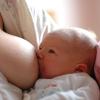
Breastfeeding

Breastfeeding, also known as nursing, is the feeding of babies and young children with milk from a woman's breast.  Health professionals recommend that breastfeeding begin within the first hour of a baby's life and continue as often and as much as the baby wants.  During the first few weeks of life babies may nurse roughly every two to three hours.  The duration of a feeding is usually ten to fifteen minutes on each breast. Older children feed less often. Mothers may pump milk so that it can be used later when breastfeeding is not possible. Breastfeeding has a number of benefits to both mother and baby, which infant formula lacks.

Deaths of an estimated 820,000 children under the age of five could be prevented globally every year with increased breastfeeding.  Breastfeeding decreases the risk of respiratory tract infections and diarrhea, both in developing and developed countries. Other benefits include lower risks of asthma, food allergies, celiac disease, type 1 diabetes, and leukemia. Breastfeeding may also improve cognitive development and decrease the risk of obesity in adulthood. Mothers may feel pressure to breastfeed, but in the developed world children generally grow up normally when bottle fed.

Benefits for the mother include less blood loss following delivery, better uterus shrinkage, and less postpartum depression. Breastfeeding delays the return of menstruation and fertility, a phenomenon known as lactational amenorrhea. Long term benefits for the mother include decreased risk of breast cancer, cardiovascular disease, and rheumatoid arthritis. Breastfeeding is less expensive than infant formula.

Health organizations, including the World Health Organization (WHO), recommend breastfeeding exclusively for six months. This means that no other foods or drinks other than possibly vitamin D are typically given. After the introduction of foods at six months of age, recommendations include continued breastfeeding until at least one to two years of age. Globally about 38% of infants are only breastfed during their first six months of life. In the United States, about 75% of women begin breastfeeding and about 13% only breastfeed until the age of six months Medical conditions that do not allow breastfeeding are rare. Mothers who take certain recreational drugs and medications should not breastfeed. Smoking, limited amounts of alcohol, or coffee are not reasons to avoid breastfeeding.


  • Protective effect of breast feeding against infection📎

    facebook Share on Facebook
    Abstract Title:

    Protective effect of breast feeding against infection.

    Abstract Source:

    BMJ. 1990 Jan 6;300(6716):11-6. PMID: 2105113

    Abstract Author(s):

    P W Howie, J S Forsyth, S A Ogston, A Clark, C D Florey

    Abstract:

    OBJECTIVE--To assess the relations between breast feeding and infant illness in the first two years of life with particular reference to gastrointestinal disease.

    DESIGN--Prospective observational study of mothers and babies followed up for 24 months after birth.

    SETTING--Community setting in Dundee. PATIENTS--750 pairs of mothers and infants, 76 of whom were excluded because the babies were preterm (less than 38 weeks), low birth weight (less than 2500 g), or treated in special care for more than 48 hours. Of the remaining cohort of 674, 618 were followed up for two years.

    INTERVENTIONS--Detailed observations of infant feeding and illness were made at two weeks, and one, two, three, four, five, six, nine, 12, 15, 18, 21, and 24 months by health visitors.

    MAIN OUTCOME MEASURE--The prevalence of gastrointestinal disease in infants during follow up.

    RESULTS--After confounding variables were corrected for babies who were breast fed for 13 weeks or more (227) had significantly less gastrointestinal illness than those who were bottle fed from birth (267) at ages 0-13 weeks (p less than 0.01; 95% confidence interval for reduction in incidence 6.6% to 16.8%), 14-26 weeks (p less than 0.01), 27-39 weeks (p less than 0.05), and 40-52 weeks (p less than 0.05). This reduction in illness was found whether or not supplements were introduced before 13 weeks, was maintained beyond the period of breast feeding itself, and was accompanied by a reduction in the rate of hospital admission. By contrast, babies who were breast fed for less than 13 weeks (180) had rates of gastrointestinal illness similar to those observed in bottle fed babies. Smaller reductions in the rates of respiratory illness were observed at ages 0-13 and 40-52 weeks (p less than 0.05) in babies who were breast fed for more than 13 weeks. There was no consistent protective effect of breast feeding against ear, eye, mouth, or skin infections, infantile colic, eczema, or nappy rash.

    CONCLUSION--Breast feeding during the first 13 weeks of life confers protection against gastrointestinal illness that persists beyond the period of breast feeding itself.

  • Protective effect of breastfeeding on diarrhea among children in a rapidly growing newly developed society.

    facebook Share on Facebook
    Abstract Title:

    Protective effect of breastfeeding on diarrhea among children in a rapidly growing newly developed society.

    Abstract Source:

    Turk J Pediatr. 2009 Nov-Dec;51(6):527-33. PMID: 20196384

    Abstract Author(s):

    Mohammad S Ehlayel, Abdulbari Bener, Hatim M Abdulrahman

    Article Affiliation:

    Unit of Allergy and Immunology, Department of Pediatrics, Hamad Medical Corporation, Qatar.

    Abstract:

    In developed communities, the effect of exclusive breastfeeding (EBF) is encouraged since it has been found to be protective against infantile diarrhea. In a newly developing Qatar, modern water supply and sanitation facilities have become available to everyone during the last two decades. The objectives of the current study were to explore the relationships between breastfeeding and diarrhea and to assess the effect of EBF on the risk reduction of diarrhea in children aged 1-5 years. This is a cross-sectional survey conducted in the Well-Baby clinics and pediatric clinics in the 11 Primary Health Care (PHC) Centers and Hamad General Hospital, Hamad Medical Corporation, Qatar. A multistage sampling design was used, and a representative sample of 1500 Qatari infants and pre-school children in the age group of 1-5 years and mothers aged between 18 to 47 years were surveyed during the period from October 2006 to September 2007; 1,278 mothers agreed to participate in this study, with a response rate of 85.2%. The sociodemographic characteristics, feeding modes and diarrhea morbidity were collected from the parents of the children during the interview. Of the 1,278 infants studied, more than half (59.3%) were EBF, followed by those partially breastfed (28.3%), and finally the formula fed (12.4%). The duration of EBF was 11.4 +/- 6.7 months (mean +/- SD) and the duration of partial breastfeeding with bottled milk was 9.2 +/- 4.1 months (mean +/- SD), and the difference was statistically significant (p<0.0010). When compared to the EBF infants, the risk of diarrhea was higher and statistically significant in both the partially breastfed (48.7% vs 32.5%) and in the non-EBF (37.3% vs 32.5%, p<0.001). Upper respiratory tract infection (URTI), short duration of breastfeeding, level of maternal education, and sterilization of bottles were considered as predictors. These results indicate that in Qatar, breastfeeding plays an important role in reducing the incidence and severity of infantile diarrhea. This observation is particularly important given the growing concern that, as an unwanted effect of 'modernization', breastfeeding is on the decline in Qatar and comparable populations elsewhere.

  • Protective Effect of Breastfeeding on the Adverse Health Effects Induced by Air Pollution: Current Evidence and Possible Mechanisms. 📎

    facebook Share on Facebook
    Abstract Title:

    Protective Effect of Breastfeeding on the Adverse Health Effects Induced by Air Pollution: Current Evidence and Possible Mechanisms.

    Abstract Source:

    Int J Environ Res Public Health. 2019 10 29 ;16(21). Epub 2019 Oct 29. PMID: 31671856

    Abstract Author(s):

    Monika A Zielinska, Jadwiga Hamulka

    Article Affiliation:

    Monika A Zielinska

    Abstract:

    Air pollution is a major social, economic, and health problem around the world. Children are particularly susceptible to the negative effects of air pollution due to their immaturity and excessive growth and development. The aims of this narrative review were to: (1) summarize evidence about the protective effects of breastfeeding on the adverse health effects of air pollution exposure, (2) define and describe the potential mechanisms underlying the protective effects of breastfeeding, and (3) examine the potential effects of air pollution on breastmilk composition and lactation. A literature search was conducted using electronic databases. Existing evidence suggests that breastfeeding has a protective effect on adverse outcomes of indoor and outdoor air pollution exposure in respiratory (infections, lung function, asthma symptoms) and immune (allergic, nervous and cardiovascular) systems, as well as under-five mortality in both developing and developed countries. However, some studies reported no protective effect of breastfeeding or even negative effects of breastfeeding for under-five mortality. Several possible mechanisms of the breastfeeding protective effect were proposed, including the beneficial influence of breastfeeding on immune, respiratory, and nervous systems, which are related to the immunomodulatory, anti-inflammatory, anti-oxidant, and neuroprotective properties of breastmilk. Breastmilk components responsible for its protective effect against air pollutants exposure may be long chain polyunsaturated fatty acids (LC PUFA), antioxidant vitamins, carotenoids, flavonoids, immunoglobins, and cytokines, some of which have concentrations that are diet-dependent. However, maternal exposure to air pollution is related to increased breastmilk concentrations of pollutants (e.g., Polycyclic aromatic hydrocarbons (PAHs) or heavy metals in particulate matter (PM)). Nonetheless, environmental studies have confirmed that breastmilk's protective effects outweigh its potential health risk to the infant. Mothers should be encouraged and supported to breastfeed their infants due to its unique health benefits, as well as its limited ecological footprint, which is associated with decreased waste production and the emission of pollutants.

  • Protective effect of exclusive breastfeeding against infections during infancy: a prospective study.

    facebook Share on Facebook
    Abstract Title:

    Protective effect of exclusive breastfeeding against infections during infancy: a prospective study.

    Abstract Source:

    Arch Dis Child. 2010 Sep 27. Epub 2010 Sep 27. PMID: 20876557

    Abstract Author(s):

    Fani Ladomenou, Joanna Moschandreas, Anthony Kafatos, Yiannis Tselentis, Emmanouil Galanakis

    Article Affiliation:

    Department of Paediatrics, University of Crete, Heraklion, Greece.

    Abstract:

    Objective To prospectively investigate the effects of breastfeeding on the frequency and severity of infections in a well-defined infant population with adequate vaccination coverage and healthcare standards. Study design In a representative sample of 926 infants, successfully followed up for 12 months, feeding mode and all infectious episodes, including acute otitis media (AOM), acute respiratory infection (ARI), gastroenteritis, urinary tract infection, conjunctivitis and thrush, were recorded at 1, 3, 6, 9 and 12 months of life. Results Infants exclusively breastfed for 6 months, as per WHO recommendations, presented with fewer infectious episodes than their partially breastfed or non-breastfed peers and this protective effect persisted after adjustment for potential confounders for ARI (OR 0.58, 95% CI 0.36 to 0.92), AOM (OR 0.37, 95% CI 0.13 to 1.05) and thrush (OR 0.14, 95% CI 0.02 to 1.02). Prolonged exclusive breastfeeding was associated with fewer infectious episodes (r(s)=-0.07, p=0.019) and fewer admissions to hospital for infection (r(s)=-0.06, p=0.037) in the first year of life. Partial breastfeeding was not related to protective effect. Several confounding factors, including parental age and education, ethnicity, presence of other siblings, environmental tobacco smoke exposure and season of birth were demonstrated to have an effect on frequency of infections during infancy. Conclusions Findings from this large-scale prospective study in a well-defined infant population with adequate healthcare standards suggest that exclusive breastfeeding contributes to protection against common infections during infancy regarding and lessens the frequency and severity of infectious episodes. Partial breastfeeding did not seem to provide this protective effect.

  • Recurrent neonatal group B streptococcal disease associated with infected breast milk.

    facebook Share on Facebook
    Abstract Title:

    Recurrent neonatal group B streptococcal disease associated with infected breast milk.

    Abstract Source:

    Clin Pediatr (Phila). 2007 Jul;46(6):547-9. PMID: 17579109

    Abstract Author(s):

    Lin-Yu Wang, Chun-Ta Chen, Won-Hsiung Liu, Yin-Hsuan Wang

    Article Affiliation:

    Department of Pediatrics, Chi-Mei Foundation Medical Center, Tainan, Taiwan.

    Abstract:

    Group B streptococcus (GBS) is a major cause of severe systemic infections among the newborn. Both recurrent and maternal mastitis-associated, group B streptococcus diseases are uncommon. Persistence of GBS colonization of infants' mucous membrane is postulated to influence the pathogeneses of recurrent GBS infection. The authors describe a term infant who was treated for GBS sepsis and meningitis and then later developed recurrent GBS sepsis, without meningitis, due to feeding of infected breast milk. Randomly amplified polymorphic DNA polymerase chain reaction assay was performed to demonstrate that the GBS isolates from the first and second episode of infection and the maternal milk are identical. The authors conclude that transmission of GBS through breast milk should be considered in cases of recurrent neonatal GBS infection and bacterial culture of breast milk should be routinely performed in such cases.

  • Relationship Between Exclusive Breastfeeding and Lower Risk of Childhood Obesity: A Narrative Review of Published Evidence📎

    facebook Share on Facebook
    Abstract Title:

    Relationship Between Exclusive Breastfeeding and Lower Risk of Childhood Obesity: A Narrative Review of Published Evidence.

    Abstract Source:

    Clin Med Insights Pediatr. 2017 ;11:1179556517690196. Epub 2017 Feb 16. PMID: 28469518

    Abstract Author(s):

    Samuel N Uwaezuoke, Chizoma I Eneh, Ikenna K Ndu

    Article Affiliation:

    Samuel N Uwaezuoke

    Abstract:

    BACKGROUND:The pattern of infant feeding during the first 1000-day period-from conception to the second birthday-has a significant influence on the child's growth trajectory. The relationship between exclusive breastfeeding and lower risk of childhood obesity has elicited much scientific interest, given the fact that this form of malnutrition is becoming a global epidemic.

    AIM:This narrative review aims to examine the evidence in the literature linking exclusive breastfeeding with reduction in obesity in children.

    LITERATURE SEARCH:Using appropriate search terms, PubMed database was searched for relevant articles that met the review objective.

    RESULTS:Evidence for the protective effect of exclusive breastfeeding against childhood obesity have been provided by studies which explored 5 physiologic mechanisms and those that established the causality between breastfeeding and lower risk of obesity. The few studies that disputed this relationship highlighted the influence of confounding factors. A new insight on molecular mechanisms, however, points to a direct and indirect effect of human milk oligosaccharides on the prevention of overweight and obesity.

    CONCLUSIONS:The preponderance of current evidence strongly suggests that exclusivity in breastfeeding can prevent the development of obesity in children.

  • Relationship of infant feeding on childhood obesity. A literature review

    facebook Share on Facebook
    Abstract Title:

    [Relationship of infant feeding on childhood obesity. A literature review].

    Abstract Source:

    Orv Hetil. 2017 Jun ;158(24):938-943. PMID: 28604078

    Abstract Author(s):

    László Ságodi, Enikő Sólyom, Emőke Kiss-Tóth

    Article Affiliation:

    László Ságodi

    Abstract:

    The increasing frequency of childhood obesity is a serious public health concern. Today it is recognized that the infant feeding during critical periods of early human development ("the first 1000 days") can be a long-term impact for future health. Authors deal with with the infant period of the first 1000 days of life starting from the conception, based on literature review. Since 2010 a large number of publications have appeared in which the relationship between infant feeding, early weight gain and later obesity are investigated. The majority of studies have demonstrated, that breastfeeding has a marked effect on early growth and reduces the risk of obesity in the long-term. The health benefits of breastfeeding over infant formula feeding are accepted, however, the relationship between infant feeding and later obesity, there is no clear consensus in the literature. The authors investigated this contradiction reviewing the newly published articles over the last few years. In summary they established, that duration of breastfeeding for at least 4 months have an important role in lowering of childhood adiposity risk. The different or ambiguous statements in the relevant publications can be explained by the fact that the development and the prevention of obesity are multifactorial. Orv Hetil. 2017; 158(24): 938-943.

  • Role of breast feeding in primary prevention of asthma and allergic diseases in a traditional society.

    facebook Share on Facebook
    Abstract Title:

    Role of breast feeding in primary prevention of asthma and allergic diseases in a traditional society.

    Abstract Source:

    Eur Ann Allergy Clin Immunol. 2007 Dec ;39(10):337-43. PMID: 18386435

    Abstract Author(s):

    A Bener, M S Ehlayel, S Alsowaidi, A Sabbah

    Article Affiliation:

    Dept. of Medical Statistics&Epidemiology, Hamad Medical Corporation, Qatar. This email address is being protected from spambots. You need JavaScript enabled to view it.

    Abstract:

    BACKGROUND:The fact that breastfeeding may protect against allergic diseases remains controversial, with hardly any reports from developing countries. Prolonged breastfeeding was shown to reduce the risk of allergic and respiratory diseases.

    AIM:The aim of this study was to assess the relationship between breastfeeding and the development of childhood asthma and allergic diseases in Qatari children at age 0-5 years. Additionally, this study investigated the effect of prolonged breastfeeding on the allergic diseases in a developing country.

    DESIGN:This is a cross sectional survey.

    SETTING:Well baby clinics and Pediatric clinics in the 11 Primary Health Care Centers and Hamad General Hospital, Hamad Medical Corporation, State of Qatar.

    SUBJECTS:A multistage sampling design was used and a representative sample of 1500 Qatari infants and pre-school children with age range of 0-5 years and mothers aged between 18 to 47 years were surveyed during the period from October 2006 to September 2007 in Qatar. Out of the 1500 mothers of children, 1278 mothers agreed to participate in this study with the response rate of 85.2%.

    METHODS:A confidential, anonymous questionnaire was completed by the selected subjects assessing breastfeeding and allergic diseases. Questionnaires were administered to women who were attending Primary Health Centers for child immunization. Questionnaire included allergic rhinitis, wheezing, eczema, and additional questions included mode and duration of breastfeeding, tobacco smoke exposure, number of siblings, family income, level of maternal education, parental history of allergies. Univariate and multivariate statistical methods were performed for statistical analysis.

    RESULTS:More than half of the infants (59.3%) were exclusively breastfed, followed by infants with partial breastfeeding (28.3%) and artificial fed (12.4%). There was a significant difference found across these three categories of infants in terms of their age groups, smoking status of father, socio-economic status and parental consanguinity. Asthma (15.6%), wheezing (12.7%), allergic rhinitis (22.6%), and eczema (19.4%) were less frequent in exclusive breast fed children, compared to infants with partial breast feeding and formula milk. Ear infection (P = 0.0001) and eczema (P = 0.007) were found significant in infants with the history of maternal atopy, while asthma (P = 0.0001) and allergic rhinitis (P = 0.015) were found significant in infants with the history of paternal atopy. The main factors associated with mode of feeding were mothers having first baby, asthmatic mother and parental history of allergic rhinitis. The risk of allergic diseases, eczema, wheeze and ear infection in particular, were lower in children with prolonged breast feeding (>6 months) than in those with short-term breast feeding duration (<6 months).

    CONCLUSION:The current study indicates that exclusive breast-feeding prevents development of allergic diseases in children. The main factors associated with breastfeeding for allergic diseases were being the first baby, maternal history of asthma, and parental history of allergic rhinitis. The study findings opens a big avenue for interventional role of breastfeeding. Therefore, we recommend breastfeeding is as one possible way to reduce the risk of onset asthma and allergic diseases in developing countries.

  • Short- and long-term decrease of blood pressure in women during breastfeeding.

    facebook Share on Facebook
    Abstract Title:

    Short- and long-term decrease of blood pressure in women during breastfeeding.

    Abstract Source:

    Breastfeed Med. 2008 Jun;3(2):103-9. PMID: 18563998

    Abstract Author(s):

    W Jonas, E Nissen, A-B Ransjö-Arvidson, I Wiklund, P Henriksson, K Uvnäs-Moberg

    Abstract:

    BACKGROUND AND AIMS: The benefits of breastfeeding for infants are well known. Recently data have started to emerge showing that breastfeeding may also induce positive effects in the mother. This study aimed to investigate the pattern of maternal blood pressure before, during, and after a breastfeed 2 days postpartum. Additionally, blood pressure during the following 25-week breastfeeding period was investigated.

    METHODS: Sixty-six primiparae with normal deliveries were consecutively recruited. Blood pressure was measured at -5, 10, 30, and 60 minutes in connection with a morning breastfeed. Thirty-three women continued to measure blood pressure before and after breastfeeding for 25 weeks. RESULTS: Blood pressure fell significantly in response to breastfeeding 2 days after birth. The fall in systolic and diastolic blood pressure amounted to 8.8 (SD = 11.00) and 7.7 (SD = 9.3) mm Hg, respectively. During the 25-week follow-up period a significant fall of basal blood pressure (systolic, df = 3, F = 7.843, p<0.001; diastolic, df = 3, F = 5.453, p = 0.002) was observed. The total fall in systolic and diastolic blood pressure amounted to a mean of 15 (SD = 10.4) mm Hg and 10 (SD = 9.7) mm Hg, respectively. In addition, blood pressure fell significantly in response to individual breastfeeding sessions during the entire observation period.

    CONCLUSIONS: In conclusion, both systolic and diastolic blood pressures fall during a breastfeeding session, and pre-breastfeeding blood pressure decreases during at least the first 6 months of a breastfeeding period in a homelike environment. This study lends further support to the health-promoting effects of breastfeeding.

  • Tertiary contact vaccinia in a breastfeeding infant📎

    facebook Share on Facebook
    Abstract Title:

    Tertiary contact vaccinia in a breastfeeding infant.

    Abstract Source:

    JAMA. 2004 Feb 11 ;291(6):725-7. PMID: 14871916

    Abstract Author(s):

    Vinaya Garde, David Harper, Mary P Fairchok

    Article Affiliation:

    Vinaya Garde

    Abstract:

    On May 4, 2003, a US Army soldier received primary smallpox vaccination and experienced a primary uptake reaction at the inoculation site on days 6 through 8. The vaccinee reported observing all of the standard precautions to avoid household spread. In mid May, his breastfeeding wife developed vesicles on both areolas. On May 29, their infant daughter developed a papule on her philtrum. Contact vaccinia was confirmed by positive polymerase chain reaction and culture for vaccinia of both the maternal and infant lesions. This is the first documented case of inadvertent contact vaccinia transmission from a mother to her infant through direct skin-to-skin and skin-to-mucous membrane contact while breastfeeding. The mechanism of transfer from the vaccinee to the spouse is uncertain. This report demonstrates that breastfeeding infants living in close contact with smallpox vaccinees are at potential risk for contact vaccinia, even if the vaccinee is not the breastfeeding mother, and highlights the need for special precautions to prevent secondary transfer to breastfeeding mothers.

  • The "smellscape" of mother's breast: effects of odor masking and selective unmasking on neonatal arousal, oral, and visual responses.

    facebook Share on Facebook
    Abstract Title:

    The "smellscape" of mother's breast: effects of odor masking and selective unmasking on neonatal arousal, oral, and visual responses.

    Abstract Source:

    Dev Psychobiol. 2007 Mar;49(2):129-38. PMID: 17299785

    Abstract Author(s):

    Sébastien Doucet, Robert Soussignan, Paul Sagot, Benoist Schaal

    Article Affiliation:

    Equipe d'Ethologie et de Psychobiologie Sensorielle Centre des Sciences du Goût UMR 5170 CNRS, Dijon, France. This email address is being protected from spambots. You need JavaScript enabled to view it.

    Abstract:

    Lactating women emit odor cues that release activity in newborns. Such cues may be carried in various substrates, including milk or areolar secretions. The present study aimed to examine the responses of infants facing their mother's breast and to sort out the source(s) of active volatile compounds emitted by the lactating breast. Infants (aged 3-4 days) were presented their mother's breast in two consecutive trials of 90 s each: a scentless condition (breast entirely covered with a transparent film) paired with one of four odorous conditions (fully exposed breast: n = 15; nipple only exposed: 15; areola only exposed: 13; and milk exposed: 12). The infants were more orally activated when facing any of the odorous breast conditions than when facing the scentless breast. They cried earlier and longer, and opened their eyes less, when facing the scentless breast. Nipple, Areola, and Milk odors appeared to be equivalent to the whole breast odor in stimulating oral activity and in delaying crying onset. This study shows that volatile compounds originating in areolar secretions or milk release mouthing, stimulate eye opening, and delay and reduce crying in newborns.

  • The Association Between Breastfeeding and Length of Hospital Stay Among Infants Diagnosed with Neonatal Abstinence Syndrome: A Population-Based Study of In-Hospital Births.

    facebook Share on Facebook
    Abstract Title:

    The Association Between Breastfeeding and Length of Hospital Stay Among Infants Diagnosed with Neonatal Abstinence Syndrome: A Population-Based Study of In-Hospital Births.

    Abstract Source:

    Breastfeed Med. 2016 Sep ;11:343-9. Epub 2016 Aug 16. PMID: 27529500

    Abstract Author(s):

    Vanessa L Short, Meghan Gannon, Diane J Abatemarco

    Article Affiliation:

    Vanessa L Short

    Abstract:

    OBJECTIVE:The incidence of neonatal abstinence syndrome (NAS), a drug withdraw syndrome mainly associated with intrauterine opioid exposure, has increased considerably in the United States since 2000. Nonpharmacological options, including breastfeeding, may be effective at improving outcomes in this population. The objective of this population-based study was to examine the association between breastfeeding and length of hospital stay among infants diagnosed with NAS.

    METHODS:This was a retrospective cohort study of singleton in-hospital births to resident mothers in Pennsylvania. Hospital discharge data from births occurring between 2012 through 2014 were linked with corresponding birth certificate data. International Classification of Diseases, Ninth Revision, Clinical Modification discharge diagnosis codes were used to identify NAS neonates (N = 3,725). Breastfeeding at discharge was used to determine breastfeeding status. Infant and maternal characteristics were compared by breastfeeding status and the association between breastfeeding and infant length of hospitalization was assessed.

    RESULTS:Less than one-half of infants diagnosed with NAS were breastfed at discharge. Significant differences in infant birth weight and gestational age, and maternal education, marital status, prenatal care, smoking, and insurance status were found by breastfeeding status. A significant inverse relationship existed between breastfeeding and hospital length of stay for infants diagnosed with NAS. Specifically, length of hospitalization was reduced by 9.4% in the breastfed group compared to the nonbreastfed group.

    CONCLUSION:Breastfeeding may be beneficial for infants diagnosed with NAS by shortening the length of hospital stay. Future prospective studies are warranted to further examine the benefits of breastfeeding and other nonpharmaceutical interventions in NAS populations.

  • The benefits of breastfeeding and associated risks of replacement with baby formulas ?

    facebook Share on Facebook
    Abstract Title:

    [The benefits of breastfeeding and associated risks of replacement with baby formulas].

    Abstract Source:

    Rev Chil Pediatr. 2017 Feb ;88(1):7-14. PMID: 28288222

    Abstract Author(s):

    Paulina Brahm, Verónica Valdés

    Article Affiliation:

    Paulina Brahm

    Abstract:

    Breastfeeding is the nourishment designed by nature for the newborn and the infant; however its prevalence is nowadays not optimal. The aim of this article is to review the current evidence of the benefits of breastfeeding for children and society, and to elaborate the risks associated with the replacement of lactation with baby formulas. Breastfeeding is a protective factor for several infectious, atopic, and cardiovascular diseases as well as for leukaemia, necrotising enterocolitis, celiac disease, and inflammatory bowel disease. It also has a positive impact on neurodevelopment, improving IQ and reducing the risk of attention deficit disorder, and generalised developmental and behavioural disorders. Lactation can decrease the risk of sudden infant deaths syndrome by 36% and prevent 13% of infant mortality worldwide. Breastfeeding result in direct saving on the use of infant formulas and bottles, and indirectly on associated health costs, premature deaths, and quality-adjusted life years, among others. In addition, breastfeeding is environmentally friendly; it does not leave an ecological footprint in its production and consumption. The use of baby formulas and bottles have inherent risks, because they increase the risk of oral diseases, such as mouth breathing, malocclusion, alteration of bite, and tooth decay. Finally, the intestinal microbiota, oxygenation, and thermoregulation of infants are negatively affected by their use.

  • The burden of suboptimal breastfeeding in the United States: a pediatric cost analysis.

    facebook Share on Facebook
    Abstract Title:

    The burden of suboptimal breastfeeding in the United States: a pediatric cost analysis.

    Abstract Source:

    Pediatrics. 2010 May;125(5):e1048-56. Epub 2010 Apr 5. PMID: 20368314

    Abstract Author(s):

    Melissa Bartick, Arnold Reinhold

    Article Affiliation:

    Department of Medicine, Cambridge Health Alliance and Harvard Medical School, Boston, Massachusetts, USA. This email address is being protected from spambots. You need JavaScript enabled to view it.

    Abstract:

    BACKGROUND AND OBJECTIVE: A 2001 study revealed that $3.6 billion could be saved if breastfeeding rates were increased to levels of the Healthy People objectives. It studied 3 diseases and totaled direct and indirect costs and cost of premature death. The 2001 study can be updated by using current breastfeeding rates and adding additional diseases analyzed in the 2007 breastfeeding report from the Agency for Healthcare Research and Quality. STUDY DESIGN: Using methods similar to those in the 2001 study, we computed current costs and compared them to the projected costs if 80% and 90% of US families could comply with the recommendation to exclusively breastfeed for 6 months. Excluding type 2 diabetes (because of insufficient data), we conducted a cost analysis for all pediatric diseases for which the Agency for Healthcare Research and Quality reported risk ratios that favored breastfeeding: necrotizing enterocolitis, otitis media, gastroenteritis, hospitalization for lower respiratory tract infections, atopic dermatitis, sudden infant death syndrome, childhood asthma, childhood leukemia, type 1 diabetes mellitus, and childhood obesity. We used 2005 Centers for Disease Control and Prevention breastfeeding rates and 2007 dollars. RESULTS: If 90% of US families could comply with medical recommendations to breastfeed exclusively for 6 months, the United States would save $13 billion per year and prevent an excess 911 deaths, nearly all of which would be in infants ($10.5 billion and 741 deaths at 80% compliance). CONCLUSIONS: Current US breastfeeding rates are suboptimal and result in significant excess costs and preventable infant deaths. Investment in strategies to promote longer breastfeeding duration and exclusivity may be cost-effective.

  • The calming effect of a maternal breast milk odor on the human newborn infant.

    facebook Share on Facebook
    Abstract Title:

    The calming effect of a maternal breast milk odor on the human newborn infant.

    Abstract Source:

    Meat Sci. 2009 Jun 16. Epub 2009 Jun 16. PMID: 19010360

    Abstract Author(s):

    Shota Nishitani, Tsunetake Miyamura, Masato Tagawa, Muneichiro Sumi, Ryuta Takase, Hirokazu Doi, Hiroyuki Moriuchi, Kazuyuki Shinohara

    Article Affiliation:

    Department of Neurobiology and Behavior, Unit of Basic Medical Sciences, Course of Medical and Dental Sciences, Nagasaki University, Graduate School of Biomedical Sciences, 1-12-4 Sakamoto, Nagasaki 852-8523, Japan.

    Abstract:

    We examined the effects of the odors from mother's milk, other mother's milk and formula milk on pain responses in newborns undergoing routine heelsticks. Forty-eight healthy infants were assigned to four groups, an own mother's breast milk odor group (Own MM), another mother's breast milk odor group (Other MM), a formula milk odor group (Formula M) and a control group. To assess infant distress in response to the heelsticks, their crying, grimacing and motor activities were recorded during the experiment as behavioral indices of the pain response. After the heelstick, the behavioral indices of the Own MM group were lower than those of other groups. By contrast, the Other MM and Formula M groups showed no significant changes compared with the Control group. We also measured salivary cortisol concentration as a biochemical index in Control and Own MM infants before and after heelstick. After the heelstick, the level of salivary cortisol was significantly increased in Control infants, but not in Own MM infants. These results suggest that pain is relieved in human newborns when they are exposed to odors from their mother's milk.

  • The early origins of atherosclerosis.

    facebook Share on Facebook
    Abstract Title:

    The early origins of atherosclerosis.

    Abstract Source:

    Adv Exp Med Biol. 2009;646:51-8. PMID: 19536662

    Abstract Author(s):

    Atul Singhal

    Abstract:

    Atherosclerosis has a long pre-clinical phase with development of pathological changes in arteries of children and young adults decades before overt clinical manifestations of disease. Nutritional factors in both infancy and childhood have been shown to be important in this process and affect lifetime cardiovascular disease risk. Breast-feeding in particular is associated with benefits for long-term cardiovascular risk factors possibly as a consequence of a slower pattern of growth in breast-fed compared to formula-fed infants. In fact, the benefits of slower growth for later health and longevity, appears to be a fundamental biological phenomenon conserved across diverse animal species. The nutritional programming of atherosclerosis could therefore be regarded as a specific example of programming of human ageing as seen previously in programming of lifespan and telomere length in animals. The critical window for these effects is unknown, but evidence is accumulating for programming effects of growth from very early in infancy.

  • The effect of breastfeeding on breast aesthetics📎

    facebook Share on Facebook
    Abstract Title:

    The effect of breastfeeding on breast aesthetics.

    Abstract Source:

    Aesthet Surg J. 2008 Sep-Oct;28(5):534-7. PMID: 19083576

    Abstract Author(s):

    Brian Rinker, Melissa Veneracion, Catherine P Walsh

    Abstract:

    BACKGROUND: The health benefits of breast milk for infants are well documented, but breastfeeding is avoided by many women because of concerns about a negative effect upon breast appearance. However, there is very little objective data to either support or refute this view. OBJECTIVE: The purpose of this study is to identify risk factors for the development of breast ptosis after pregnancy and to determine whether breastfeeding has an adverse effect on breast shape.

    METHODS: Charts were reviewed of all patients seeking consultation for aesthetic breast surgery between 1998 and 2006. History of pregnancies, breastfeeding, and weight gain were obtained via telephone interview. Degree of breast ptosis was determined from preoperative photos. Nulliparous women were excluded. Logistic regression analysis was performed to identify independent predictors of postpregnancy breast ptosis.

    RESULTS: Ninety-three patients met the study criteria. Fifty-four patients (58%) reported a history of breastfeeding. The mean age at surgery in the breastfeeding group was 41 years, compared to 37 years in the nonbreastfeeding group. An adverse change in breast shape following pregnancy was described by 51 respondents (55%). Greater age, higher body mass index, greater number of pregnancies, larger prepregnancy bra size, and smoking were identified as significant independent risk factors for postpregnancy breast ptosis (P<.05). Breastfeeding was not found to be an independent risk factor for ptosis.

    CONCLUSIONS: The risk of breast ptosis increases with each pregnancy, but breastfeeding does not seem to worsen these effects. Expectant mothers should be reassured that breastfeeding does not appear to have an adverse effect upon breast appearance.

  • The effect of early initiation of breast feeding on the amount of vaginal blood loss during the fourth stage of labor.

    facebook Share on Facebook
    Abstract Title:

    The effect of early initiation of breast feeding on the amount of vaginal blood loss during the fourth stage of labor.

    Abstract Source:

    J Egypt Public Health Assoc. 2004;79(1-2):1-12. PMID: 16916046

    Abstract Author(s):

    Soheir Ibrahim Sobhy, Nabaweya Aly Mohame

    Abstract:

    Post partum hemorrhage is a major problem that jeopardizes maternal health. Its prevention can save mothers' life postnatal, through early initiation of breast-feeding. So, the study aimed to explore the effect of early initiation of breast feeding on the amount of vaginal blood loss during the fourth stage of labor. A convenient sample of one hundred primiparae was selected from the delivery unit&post partum unit of El-Shatby Maternity University Hospital in Alexandria. The study subjects were divided equally into experimental group (early breast feeding group) and control group (late breast feeding group). Two tools were developed and used for data collection. A specially designed interview questionnaire was used during early first stage of labor to collect data about general characteristics of the study subjects. An observational checklist was used during the fourth stage of labor to collect data about uterine characteristics, number of feeds and the amount of blood loss. The early breast-feeding group started feeding immediately after placental delivery, while late breast feeding group started breast- feeding after the first two hours postnatally. The amounts of blood loss for both groups were calculated. The findings of the study revealed that early initiation&increased frequency of breast-feeding could decrease the amount of blood loss during the fourth stage of labor. Therefore, maternity and pediatric nurses have to encourage mothers to start breast-feeding early. They have to explain how breast-feeding is beneficial for both mother and child.

  • The effect of galactagogue herbal tea on breast milk production and short-term catch-up of birth weight in the first week of life.

    facebook Share on Facebook
    Abstract Title:

    The effect of galactagogue herbal tea on breast milk production and short-term catch-up of birth weight in the first week of life.

    Abstract Source:

    J Altern Complement Med. 2011 Feb ;17(2):139-42. Epub 2011 Jan 24. PMID: 21261516

    Abstract Author(s):

    Canan Turkyılmaz, Esra Onal, Ibrahim Murat Hirfanoglu, Ozden Turan, Esin Koç, Ebru Ergenekon, Yıldız Atalay

    Article Affiliation:

    Department of Neonatology, Gazi University, Faculty of Medicine, Ankara, Turkey. This email address is being protected from spambots. You need JavaScript enabled to view it.

    Abstract:

    OBJECTIVES:The aim of this study was to evaluate whether consumption of maternal herbal tea containing fenugreek had any effects on breast milk production and infants' weight gain pattern in the early postnatal period.

    DESIGN AND SUBJECTS:Sixty-six (66) mother-infant pairs were randomly assigned to 3 groups. Group 1 (n = 22) consisted of mothers who were receiving herbal tea containing fenugreek every day. Group 2 (n = 22) and group 3 (n = 22) were assigned as placebo and controls, respectively.

    OUTCOME MEASURES:Birth weight, loss of birth weight, time of regain of birth weight, amount of breast milk assessed on the third day after delivery were determined.

    RESULTS:Maximum weight loss was significantly lower in infants in group 1 compared to both the placebo and control groups (p < 0.05). Infants in group 1 regained their birth weight earlier than those in control and placebo groups (p < 0.05). The mean measured breast milk volume of the mothers who received galactagogue tea was significantly higher than the placebo and control groups (p < 0.05).

    CONCLUSIONS:Maternal galactagogue herbal tea supplementation seems to be useful for enhancing breast milk production and facilitating infant birth weight regain in early postnatal days.

  • The Long-Term Public Health Benefits of Breastfeeding.

    facebook Share on Facebook
    Abstract Title:

    The Long-Term Public Health Benefits of Breastfeeding.

    Abstract Source:

    Asia Pac J Public Health. 2016 Jan ;28(1):7-14. PMID: 26792873

    Abstract Author(s):

    Colin Binns, MiKyung Lee, Wah Yun Low

    Article Affiliation:

    Colin Binns

    Abstract:

    Breastfeeding has many health benefits, both in the short term and the longer term, to infants and their mothers. There is an increasing number of studies that report on associations between breastfeeding and long-term protection against chronic disease. Recent research evidence is reviewed in this study, building on previous authoritative reviews. The recent World Health Organization reviews of the short- and long-term benefits of breastfeeding concluded that there was strong evidence for many public health benefits of breastfeeding. Cognitive development is improved by breastfeeding, and infants who are breastfed and mothers who breastfeed have lower rates of obesity. Other chronic diseases that are reduced by breastfeeding include diabetes (both type 1 and type 2), obesity, hypertension, cardiovascular disease, hyperlipidemia, and some types of cancer.

We use cookies on our website. Some of them are essential for the operation of the site, while others help us to improve this site and the user experience (tracking cookies). You can decide for yourself whether you want to allow cookies or not. Please note that if you reject them, you may not be able to use all the functionalities of the site.