CYBERMED LIFE - ORGANIC  & NATURAL LIVING

Aromatherapy

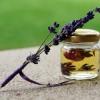
Aromatherapy uses plant materials and aromatic plant oils, including essential oils, and other aroma compounds for improving psychological or physical well-being.

It can be offered as a complementary therapy or as a form of alternative medicine. Complementary therapy can be offered alongside standard treatment, with alternative medicine offered instead of conventional, evidence-based treatments.

Aromatherapists, who specialize in the practice of aromatherapy, utilize blends of therapeutic essential oils that can be issued through topical application, massage, inhalation or water immersion to stimulate a desired response.

There is no good medical evidence that aromatherapy can either prevent or cure any disease, but it might help improve general well-being.

  • Aromatherapy with two essential oils from Satureja genre and mindfulness meditation to reduce anxiety in humans📎

    facebook Share on Facebook
    Abstract Title:

    Aromatherapy with two essential oils from Satureja genre and mindfulness meditation to reduce anxiety in humans.

    Abstract Source:

    J Tradit Complement Med. 2017 Jan ;7(1):121-125. Epub 2016 Jun 27. PMID: 28053898

    Abstract Author(s):

    Marilú Roxana Soto-Vásquez, Paúl Alan Arkin Alvarado-García

    Article Affiliation:

    Marilú Roxana Soto-Vásquez

    Abstract:

    The goal of this study was to verify whether association of aromatherapy with essential oils of Satureja brevicaly or Satureja boliviana and mindfulness meditation can reduce anxiety levels in humans. A randomized experimental trial was carried out with 108 participants who were divided into 6 groups, comprising a waiting list control group and five experimental groups. Aromatherapy was carried out by inhalation of essential oils while mindfulness intervention program was focused on"flow meditation". The anxiety index was evaluated by State-Trait Anxiety Inventory (STAI). Measures were taken two times: pretest and posttest. State and Trait anxiety scores showed a decrease in posttest study phase in comparison with pretest in all experimental groups (p < 0.005), especially in those where aromatherapy and mindfulness meditation were used together. All Cohen's d scores were over to 1 that means a large size effect in anxiety variable. Percentages of change showed reductions of anxiety variable ranging between 20% and 47%. All treatments used isolated or associated, may be considered alternative treatment options for anxiety.

  • Aromatic trees and herbs that connect Heaven and earth

    facebook Share on Facebook
    Abstract Title:

    [Aromatic trees and herbs that connect Heaven and earth].

    Abstract Source:

    Yakushigaku Zasshi. 2007;42(2):122-30. PMID: 18548886

    Abstract Author(s):

    Shigeru Sugiyama

    Article Affiliation:

    Kainos Laboratories Inc., 38-18 Hongo, 2-chome, Bunkyo-ku, Tokyo 113-0033.

    Abstract:

    It has been known for a long time that aromatic substances (essential oils) contained in plants often exert psychological effects ranging from sedative to excitatory actions. Medicinal effects have also been confirmed through numerous experiences. In ancient times, aromatic trees and herbs were offered to deities, mostly as incenses that were believed to carry people's wishes, such as requests to cure sick people, to Heaven. In the medieval periods, their deep and subtle aromas elevated aromatics to so-called "treasures of the world," while their various medicinal activities including the psychological effects made them useful as treatment measures. Demands for aromatics in our time as raw materials for cosmetics far outweigh those as medicines. The market for aromatics, however, has become virtually non-existent, as the popularity of synthetic aromatics for cosmetics grew. In West Asia, olibanum and myrrh were highly regarded both as incense and analgesics for tooth pain. In India, sandalwood was prized as incense, and sometimes as an antidote for poisonous snakebites. In China and Japan, agalloch (Kyara is agalloch of the highest quality) was considered the most significant of the aromatics. Agalloch and many other aromatics were in possession of the Emperor's family in 8th century Japan; some of which are kept in Nara to this day. Olfactory sense is ultimately identified in the olfactory area of the frontal lobe of the human brain. When stimuli reach the olfactory area, they also affect other cells such as those around the hypothalamus when they go through it. The hypothalamus is the center of instinctive behaviors with the centers for appetite, sexuality, blood pressure and thirst, and greatly affects the psychological side of the human behavior with its delicate connection to the autonomic nerve system. It therefore may not be surprising that aromatics were often used in medicine, which once had close ties with shamanism, animism and other religious activities. Aromatics smokes that connected people on the earth with deities in Heaven healed people's mind, sometimes curing illness through what is now called aromatherapy. In fact, such use of aromatics is still practiced in China, where aromatics are highly regarded as treatment agents. There have also been reports of aromatics being used for psychological and mental disorders.

  • Bergamot (Citrus bergamia) Essential Oil Inhalation Improves Positive Feelings in the Waiting Room of a Mental Health Treatment Center: A Pilot Study. 📎

    facebook Share on Facebook
    Abstract Title:

    Bergamot (Citrus bergamia) Essential Oil Inhalation Improves Positive Feelings in the Waiting Room of a Mental Health Treatment Center: A Pilot Study.

    Abstract Source:

    Phytother Res. 2017 May ;31(5):812-816. Epub 2017 Mar 24. PMID: 28337799

    Abstract Author(s):

    Xuesheng Han, Jacob Gibson, Dennis L Eggett, Tory L Parker

    Article Affiliation:

    Xuesheng Han

    Abstract:

    Mental health issues have been increasingly recognized as public health problems globally. Their burden is projected to increase over the next several decades. Additional therapies for mental problems are in urgent need worldwide due to the limitations and costs of existing healthcare approaches. Essential oil aromatherapy can provide a cost-effective and safe treatment for many mental problems. This pilot study observed the effects of bergamot essential oil inhalation on mental health and well-being, as measured by the Positive and Negative Affect Scale, in a mental-health treatment center located in Utah, USA. Fifty-seven eligible participants (50 women, age range: 23-70 years) were included for analysis. Fifteen minutes of bergamot essential oil exposure improved participants' positive feelings compared with the control group (17% higher). Unexpectedly, more participants participated in experimental periods rather than control periods, suggesting even brief exposure to essential oil aroma may make people more willing to enroll in clinical trials. This study provides preliminary evidence of the efficacy and safety of bergamot essential oil inhalation on mental well-being in a mental health treatment center, suggesting that bergamot essential oil aromatherapycan be an effective adjunct treatment to improve individuals' mental health and well-being. © 2017 The Authors. Phytotherapy Research published by John Wiley&Sons Ltd.

  • Clinical Pharmacology of Citrus bergamia: A Systematic Review.

    facebook Share on Facebook
    Abstract Title:

    Clinical Pharmacology of Citrus bergamia: A Systematic Review.

    Abstract Source:

    Phytother Res. 2017 Jan ;31(1):27-39. Epub 2016 Oct 17. PMID: 27747942

    Abstract Author(s):

    Carmen Mannucci, Michele Navarra, Fabrizio Calapai, Raffaele Squeri, Sebastiano Gangemi, Gioacchino Calapai

    Article Affiliation:

    Carmen Mannucci

    Abstract:

    Citrus bergamia Risso et Poiteau ("Bergamot") originated from the Mediterranean ecoregion (southern Italy, Calabria). Bergamot essential oil (BEO) is used in perfumes, cosmetics, and for stress reduction. Juice from C. bergamia has been used for hyperlipidemia. We evaluated literature published on C. bergamia clinical applications. Clinical trials on C. bergamia not combined with other substances, published in English, were searched. We selected ten articles, six describing BEO effects on stress, three reporting effects of polyphenolic fraction of C. bergamia juice in hyperlipidemia and the last describing BEO effects in chronic psoriasis. Clinical studies were analyzed following Consolidated Standards of Reporting Trials for herbal therapy. Studies were conducted on small sample sizes and not havehigh quality level. Analysis indicates that BEO aromatherapy could be safe and useful to reduce stress symptoms. One study suggests its potential supportive role in ultraviolet B therapy against psoriasis. Supplementation with polyphenols from bergamot juice reduces plasma lipids and improves lipoprotein profile in moderate hyperlipidemia. Effectiveness and safety of C. bergamia cannot be definitively drawn because of publication bias and low quality level of the majority of studies. Further large-scale trials with rigorous design are required to define the role of C. bergamia in clinicalpractice. Copyright © 2016 John Wiley&Sons, Ltd.

  • Coconut fragrance and cardiovascular response to laboratory stress: results of pilot testing.

    facebook Share on Facebook
    Abstract Title:

    Coconut fragrance and cardiovascular response to laboratory stress: results of pilot testing.

    Abstract Source:

    Holist Nurs Pract. 2010 Nov-Dec;24(6):322-32. PMID: 21037456

    Abstract Author(s):

    Elizabeth Sibolboro Mezzacappa, Uma Arumugam, Sylvia Yue Chen, Traci R Stein, Mehmet Oz, Jane Buckle

    Article Affiliation:

    Elizabeth Sibolboro Mezzacappa

    Abstract:

    There is preliminary evidence that pleasant fragrances may alter response to stressors in different settings. This pilot study examined the effect of coconut fragrance on cardiovascular response to standard laboratory stressors. While inhaling coconut fragrance (n = 17) or air (n = 15), subjects performed a Stroop color-word task and a mental arithmetic task. Heart rate (HR), heart period variability (HPV) and blood pressure were measured during the 5-minute baseline, the task, and the recovery periods. The results indicated that subjects breathing coconut fragrance had higher HR and lower HPV than those who performed tasks while breathing air. HR response to mental arithmetic seemed to be blunted in the subjects breathing coconut; however, the lack of a difference in HPV seems to indicate that the blunting may be due to decreased sympathetic response, not decreased parasympathetic withdrawal under stress. Blood pressure recovery was slightly enhanced in subjects under coconut fragrance. Thus, the results of this pilot test suggest that coconut fragrance may alter cardiovascular activity both at rest and in response to stressors. Future experimentation should attempt to replicate and extend these findings in larger samples in clinical settings.

  • Compare the effect of aromatherapy using lavender and Damask rose essential oils on the level of anxiety and severity of pain following C-section: A double-blinded randomized clinical trial.

    facebook Share on Facebook
    Abstract Title:

    Compare the effect of aromatherapy using lavender and Damask rose essential oils on the level of anxiety and severity of pain following C-section: A double-blinded randomized clinical trial.

    Abstract Source:

    J Complement Integr Med. 2019 Nov 15. Epub 2019 Nov 15. PMID: 31730539

    Abstract Author(s):

    Ali Abbasijahromi, Hamed Hojati, Saeid Nikooei, Hossein Kargar Jahromi, Hamid Reza Dowlatkhah, Vahid Zarean, Mehran Farzaneh, Arefeh Kalavani

    Article Affiliation:

    Ali Abbasijahromi

    Abstract:

    Background Anxiety is the most common psychological reaction in women during labor. Similar to numerous other surgeries, postoperative pain is also reported following cesarean section (C-section). According to the (Gate) Control Theory, there is a relationship between pain and psychological problems such as anxiety. Accordingly, the present study aimed to compare the effect of aromatherapy using lavender and Damask rose essential oils on the level of anxiety and severity of pain following C-section. Methods This triple-group randomized clinical trial was performed on 90 mothers who visited Motahari Hospital of Jahrom, Iran, for C-section in 2017. The incidence and severity of pain and anxiety were measured and recorded for all three groups prior to intervention. The intervention groups underwent aromatherapy with lavender and Damask rose essential oils. Patients were asked to inhale cotton balls, separately stained with three drops of each essential oil at a distance of 10 cm for 30 mins. The severity of pain and anxiety was measured using the visual analogue scale (VAS) and the Spielberger State-Trait Anxiety Inventory (STAI) 5 min after the specified process, respectively. The control group underwent aromatherapy in a similar fashion with normal saline. Finally, data were analyzed using descriptive statistical indices and ANOVA and Kruskal-Wallis tests in SPSS 21. Results There was no significant difference between the three groups in the mean severity of pain and anxiety before the intervention (p>0.05). The mean severity of pain and overt anxiety in the lavender and Damask rose aromatherapy groups was significantly different than the control group after the intervention (p<0.001). In addition, no significant difference was observed between the overt and overall anxiety levels of the two intervention groups after the intervention (p>0.05). Conclusions The findings suggested that inhalation aromatherapy can reduce the severity of overt anxiety and pain after C-section, with Damask rose essential oil showing a larger effect than lavender.

  • Comparing effects of aromatherapy with lavender essential oil and orange essential oil on fatigue of hemodialysis patients: A randomized trial.

    facebook Share on Facebook
    Abstract Title:

    Comparing effects of aromatherapy with lavender essential oil and orange essential oil on fatigue of hemodialysis patients: A randomized trial.

    Abstract Source:

    Complement Ther Clin Pract. 2019 Aug ;36:64-68. Epub 2019 May 29. PMID: 31383445

    Abstract Author(s):

    Sharare Ahmady, Mansour Rezaei, Alireza Khatony

    Article Affiliation:

    Sharare Ahmady

    Abstract:

    BACKGROUND AND PURPOSE:Fatigue is a common complication of hemodialysis. This study aimed to compare the effects of aromatherapy with essential oils of lavender and orange on the fatigue of hemodialysis patients.

    MATERIALS AND METHODS:Ninety subjects were randomly allocated into three groups of aromatherapy with lavender essential oil, aromatherapy with orange essential oil and control. Data collection tool was the Fatigue Severity Scale. In each experimental group, subjects inhaled five drops of lavender essential oil and orange essential oil.

    RESULTS:The difference in the mean of fatigue before and after the intervention in each of the experimental groups was statistically significant, but this difference was not significant in the control group. Between the two groups of aromatherapy, no significant difference was observed in terms of the mean fatigue after the intervention.

    CONCLUSION:Aromatherapy with lavender essential oil and orange essential oil might reduce fatigue in hemodialysis patients.

  • Comparing the effects of aromatherapy massage and inhalation aromatherapy on anxiety and pain in burn patients: A single-blind randomized clinical trial.

    facebook Share on Facebook
    Abstract Title:

    Comparing the effects of aromatherapy massage and inhalation aromatherapy on anxiety and pain in burn patients: A single-blind randomized clinical trial.

    Abstract Source:

    Burns. 2016 Aug 26. Epub 2016 Aug 26. PMID: 27575673

    Abstract Author(s):

    Alehe Seyyed-Rasooli, Feridoon Salehi, Asghar Mohammadpoorasl, Sakineh Goljaryan, Zahra Seyyedi, Brian Thomson

    Article Affiliation:

    Alehe Seyyed-Rasooli

    Abstract:

    BACKGROUND:Anxiety and pain are recognized as major problems of burn patients; because pharmaceutical treatments for controlling anxiety and pain symptoms lead to complications and an increase in health costs, nonpharmacological nursing interventions were considered for this group of patients. This led to the present study aimed at comparing the effect of aromatherapy massage with inhalation aromatherapy for anxiety and pain in burn patients.

    METHODS:This single-blind clinical trial was carried out on 90 patients with burns<20%. Patients were randomly assigned to one of three groups, namely aromatherapy massage, inhalation aromatherapy, and control group. The patients assigned to the aromatherapy massage group received a massage for half an hour using a blend of lavender and almond oils, while a blend of rose and lavender aroma was used for the inhalation aromatherapy group. Spielberger State Anxiety Inventory was used for measuring anxiety and the visual analog scale (VAS) scale was used for measuring pain.

    RESULTS:The results showed that three groups were equal in terms of demographics, disease characteristics, and scores of anxiety and pain at the baseline. The mean decreases of anxiety scores were -0.04±5.08, 6.33±12.55, and 6.43±10.60 in the control group, aromatherapy massage group, and inhalation group, respectively (p=0.007). The mean decrease of pain scores were -0.10±0.96, 1.70±1.84, and 0.97±1.56 in the control group, aromatherapy massage group, and inhalation group, respectively (p<0.001).

    CONCLUSION:The study results showed the positive effect of aromatherapy massage and inhalation aromatherapy compared with the control group in reducing both anxiety and pain of burn patients. Therefore, both interventions, which are inexpensive, and noninvasive nursing tasks can be proposed for alleviating anxiety and pain of burn patients.

  • Comparisons for Effectiveness of Aromatherapy and Acupressure Massage on Quality of Life in Career Women: A Randomized Controlled Trial.

    facebook Share on Facebook
    Abstract Title:

    Comparisons for Effectiveness of Aromatherapy and Acupressure Massage on Quality of Life in Career Women: A Randomized Controlled Trial.

    Abstract Source:

    J Altern Complement Med. 2017 May 15. Epub 2017 May 15. PMID: 28504569

    Abstract Author(s):

    Yu-Hsiu Kao, Yi-Ching Huang, Ue-Lin Chung, Wen-Ni Hsu, Yi-Ting Tang, Yi-Hung Liao

    Article Affiliation:

    Yu-Hsiu Kao

    Abstract:

    OBJECTIVES:This study was aimed to compare the effectiveness of aromatherapy and acupressure massage intervention strategies on the sleep quality and quality of life (QOL) in career women.

    DESIGN:The randomized controlled trial experimental design was used in the present study. One hundred and thirty-two career women (24-55 years) voluntarily participated in this study and they were randomly assigned to (1) placebo (distilled water), (2) lavender essential oil (Lavandula angustifolia), (3) blended essential oil (1:1:1 ratio of L. angustifolia, Salvia sclarea, and Origanum majorana), and (4) acupressure massage groups for a 4-week treatment. The Pittsburgh Sleep Quality Index and Short Form 36 Health Survey were used to evaluate the intervention effects at pre- and postintervention.

    RESULTS:After a 4-week treatment, all experimental groups (blended essential oil, lavender essential oil, and acupressure massage) showed significant improvements in sleep quality and QOL (p < 0.05). Significantly greater improvement in QOL was observed in the participants with blended essential oil treatment compared with those with lavender essential oil (p < 0.05), and a significantly greater improvement in sleep quality was observed in the acupressure massage and blended essential oil groups compared with the lavender essential oil group (p < 0.05).

    CONCLUSIONS:The blended essential oil exhibited greater dual benefits on improving both QOL and sleep quality compared with the interventions of lavender essential oil and acupressure massage in career women. These results suggest that aromatherapy and acupressure massage improve the sleep and QOL and may serve as the optimal means for career women to improve their sleep and QOL.

  • Does Inhalation of Virgin Coconut Oil Accelerate Reversal of Airway Remodelling in an Allergic Model of Asthma? ?

    facebook Share on Facebook
    Abstract Title:

    Does Inhalation of Virgin Coconut Oil Accelerate Reversal of Airway Remodelling in an Allergic Model of Asthma?

    Abstract Source:

    Int J Inflam. 2017 ;2017:8741851. Epub 2017 Jun 4. PMID: 28660089

    Abstract Author(s):

    N A Kamalaldin, S A Sulaiman, M R Yusop, B Yahaya

    Article Affiliation:

    N A Kamalaldin

    Abstract:

    Many studies have been done to evaluate the effect of various natural products in controlling asthma symptoms. Virgin coconut oil (VCO) is known to contain active compounds that have beneficial effects on human health and diseases. The objective of this study was to evaluate the effect of VCO inhalation on airway remodelling in a rabbit model of allergic asthma. The effects of VCO inhalation on infiltration of airway inflammatory cells, airway structures, goblet cell hyperplasia, and cell proliferation following ovalbumin induction were evaluated. Allergic asthma was induced by a combination of ovalbumin and alum injection and/or followed by ovalbumin inhalation. The effect of VCO inhalation was then evaluated via the rescue or the preventive route. Percentage of inflammatory cells infiltration, thickness of epithelium and mucosa regions, and the numbers of goblet and proliferative cells were reduced in the rescue group but not in preventive group. Analysis using a gas chromatography-mass spectrometry found that lauric acid and capric acid were among the most abundant fatty acids present in the sample. Significant improvement was observed in rescue route in alleviating the asthma symptoms, which indicates the VCO was able to relieve asthma-related symptoms more than preventing the onset of asthma.

  • Effect of aromatherapy interventions on hemodialysis complications: A systematic review.

    facebook Share on Facebook
    Abstract Title:

    Effect of aromatherapy interventions on hemodialysis complications: A systematic review.

    Abstract Source:

    Complement Ther Clin Pract. 2018 Aug ;32:130-138. Epub 2018 Jun 13. PMID: 30057040

    Abstract Author(s):

    Salehoddin Bouya, Sudabeh Ahmadidarehsima, Mahin Badakhsh, Abbas Balouchi, Maryam Koochakzai

    Article Affiliation:

    Salehoddin Bouya

    Abstract:

    BACKGROUND AND PURPOSE:Aromatherapy, a CAM therapy, is a natural way of treating the mind, body and soul of individuals. The purpose of this study was to systematically review the literature to determine the effect of aromatherapy on hemodialysis complications.

    METHODS:In this systematic review, international (PubMed, Google Scholar, Web of Science, CINHAL, EMBASE and Scopus) and national databases (SID and Magiran) were searched from inception of the databases to 30 December 2017.

    RESULTS:The results showed that aromatherapy reduced some of the complications of hemodialysis, including anxiety, fatigue, pruritus, pain of arteriovenous fistula puncture, sleep quality, depression, stress and headache. In one case, it improved the quality of life of hemodialysis patients.

    CONCLUSION:Considering the complications and heavy costs of managing complications in patients undergoing hemodialysis, it appears that aromatherapy can be used as an inexpensive, fast-acting and effective treatment to reduce complications in hemodialysis patients.

  • Effect of aromatherapy massage for the relief of constipation in the elderly

    facebook Share on Facebook
    Abstract Title:

    [Effect of aromatherapy massage for the relief of constipation in the elderly].

    Abstract Source:

    Taehan Kanho Hakhoe Chi. 2005 Feb;35(1):56-64. PMID: 15778557

    Abstract Author(s):

    Myung-Ae Kim, Jung-Kyu Sakong, Eun-Jin Kim, Eun-Ha Kim, Eun-Ha Kim

    Abstract:

    PURPOSE: The purpose of this study was to verify the effect of aromatherapy massage on constipation in the elderly. METHOD: This study for 10 day, employed a randomized control group pretest-posttest design. The experimental group received abdominal massage using essential oils with Rosemary, Lemon, and Peppermint, and the control group received a placebo massage. To evaluate the effect of aromatherapy, the degree of constipation was measured using the CAS(constipation assessment scale) and the number of bowel movements per week. Data was analyzed by repeated measures of ANOVA using the SPSS program. RESULT: The score of CAS of the experimental group was significantly lower than that of the control group. In addition the average number of bowel movements in the experimental group was higher than that of the control group. The effect of aromatherapy lasted 2 weeks after treatment, while the placebo effect lasted 7-10 days after treatment. CONCLUSION: The finding of this study showed that aromatherapy helps relieve constipation in the elderly.

  • Effect of aromatherapy on coping with premenstrual syndrome: A randomized controlled trial.

    facebook Share on Facebook
    Abstract Title:

    Effect of aromatherapy on coping with premenstrual syndrome: A randomized controlled trial.

    Abstract Source:

    Complement Ther Med. 2018 Feb ;36:63-67. Epub 2017 Dec 1. PMID: 29458934

    Abstract Author(s):

    Tuğba Uzunçakmak, Sultan Ayaz Alkaya

    Article Affiliation:

    Tuğba Uzunçakmak

    Abstract:

    BACKGROUND AND AIM:Premenstrual Syndrome (PMS) is a health problem which begins approximately one week before menstruation in women occurs as a set of physical and psychological symptoms. This study aimed to determine the effect of aromatherapy on coping with premenstrual syndrome in university students.

    METHODS:A randomized controlled trial design was used. This study included 40 students in the intervention and 37 students in the control groups. Data was collected by questionnaire form and PMS scale. The intervention and control groups were followed up for 3 cycles in terms of PMS symptoms. The method of inhalation aromatherapy by lavender oil was applied for 5 sessions on average for each cycle.

    RESULTS:When PMS mean scores of the intervention and control groups during 3 follow-up periods were compared, it was found that there is a statistically significant difference between intervention and control groups (p<0.05). It was determined that there is a statistically significant difference between the groups in terms of PMS scale and sub-dimensions of anxiety, depressive affect, nervousness, pain, bloating, depressive thoughts mean scores of pre-test and 3rd follow-up (p<0.05), CONCLUSIONS: It was concluded that inhalation aromatherapy can be used for coping with PMS. It is recommended that the students suffering from PMS problems should be informed on the inhalation therapy by lavender oil.

  • Effect of Aromatherapy on Menopausal Symptoms, Heart Rate Variability, and Sleep Quality in Women

    facebook Share on Facebook
    Abstract Title:

    [Effect of Aromatherapy on Menopausal Symptoms, Heart Rate Variability, and Sleep Quality in Women].

    Abstract Source:

    Hu Li Za Zhi. 2020 Feb ;67(1):44-54. PMID: 31960396

    Abstract Author(s):

    Jen Tsai, Yu-Chu Chung, Fang-Pey Chen, Mei-Ling Yeh

    Article Affiliation:

    Jen Tsai

    Abstract:

    BACKGROUND:Studies have shown that aromatherapy improve health problems related to anxiety, depression, heart rate variability (HRV), and sleep. However, the effect of aromatherapy in women who suffer from menopausal syndrome and its specific effects on HRV and sleep quality are unknown.

    PURPOSE:This study designed an aromatherapy intervention and evaluated its effect on menopausal syndrome, HRV, and sleep quality in women.

    METHODS:This double-blinded randomized controlled trial was conducted at a medical center hospital. A total of 84 participants who met the study criteria were randomly assigned using permuted block randomization. The experimental group received a 20-min inhalation of essential oil and the control group received a 20-min inhalation of sweet almond oil every night for 4 weeks. Posttest data was collected at 2 weeks after completion of the intervention. Data were collected using the Green Menopausal Symptom Scale, HRV device, and Pittsburgh Sleep Quality Index.

    RESULTS:After adjusting for age, the results of the generalized estimation equations (GEE) showed that all outcomes were significantly different in both the experimental group and the control group (p<.05) for the interaction effect of group and time, and that the outcome of sleep quality on the 2nd week in the control group was not significantly different (p<.066).

    CONCLUSIONS / IMPLICATIONS FOR PRACTICE:This study supports that the 4-week aromatherapy intervention improves menopausal symptoms, the activity of autonomic nervous systems, and sleep quality in women with no adverse side effects. In the future, this intervention may be applied in outpatient departments to promote the health of menopausal women.

  • Effect of aromatherapy on patients with Alzheimer's disease📎

    facebook Share on Facebook
    Abstract Title:

    Effect of aromatherapy on patients with Alzheimer's disease.

    Abstract Source:

    Psychogeriatrics. 2009 Dec ;9(4):173-9. PMID: 20377818

    Abstract Author(s):

    Daiki Jimbo, Yuki Kimura, Miyako Taniguchi, Masashi Inoue, Katsuya Urakami

    Article Affiliation:

    Department of Biological Regulation, School of Health Science, Faculty of Medicine, Tottori University, Yonago, Japan.

    Abstract:

    OBJECTIVE:Recently, the importance of non-pharmacological therapies for dementia has come to the fore. In the present study, we examined the curative effects of aromatherapy in dementia in 28 elderly people, 17 of whom had Alzheimer's disease (AD).

    METHODS:After a control period of 28 days, aromatherapy was performed over the following 28 days, with a wash out period of another 28 days. Aromatherapy consisted of the use of rosemary and lemon essential oils in the morning, and lavender and orange in the evening. To determine the effects of aromatherapy, patients were evaluated using the Japanese version of the Gottfries, Brane, Steen scale (GBSS-J), Functional Assessment Staging of Alzheimer's disease (FAST), a revised version of Hasegawa's Dementia Scale (HDS-R), and the Touch Panel-type Dementia Assessment Scale (TDAS) four times: before the control period, after the control period, after aromatherapy, and after the washout period.

    RESULTS:All patients showed significant improvement in personal orientation related to cognitive function on both the GBSS-J and TDAS after therapy. In particular, patients with AD showed significant improvement in total TDAS scores. Result of routine laboratory tests showed no significant changes, suggesting that there were no side-effects associated with the use of aromatherapy. Results from Zarit's score showed no significant changes, suggesting that caregivers had no effect on the improved patient scores seen in the other tests.

    CONCLUSIONS:In conclusion, we found aromatherapy an efficacious non-pharmacological therapy for dementia. Aromatherapy may have some potential for improving cognitive function, especially in AD patients.

  • Effect of aromatherapy on symptoms of dysmenorrhea in college students: A randomized placebo-controlled clinical trial.

    facebook Share on Facebook
    Abstract Title:

    Effect of aromatherapy on symptoms of dysmenorrhea in college students: A randomized placebo-controlled clinical trial.

    Abstract Source:

    J Altern Complement Med. 2006 Jul-Aug;12(6):535-41. PMID: 16884344

    Abstract Author(s):

    Sun-Hee Han, Myung-Haeng Hur, Jane Buckle, Jeeyae Choi, Myeong Soo Lee

    Abstract:

    OBJECTIVE: The purpose of this study was to explore the effect of aromatherapy on menstrual cramps and symptoms of dysmenorrhea. DESIGN: The study was a randomized placebo-controlled trial. SUBJECTS: The subjects were 67 female college students who rated their menstrual cramps to be greater than 6 on a 10-point visual analogue scale, who had no systemic or reproductive diseases, and who did not use contraceptive drugs. INTERVENTION: Subjects were randomized into three groups: (1) an experimental group (n = 25) who received aromatherapy, (2) a placebo group (n = 20), and (3) a control group (n = 22). Aromatherapy was applied topically to the experimental group in the form of an abdominal massage using two drops of lavender (Lavandula officinalis), one drop of clary sage (Salvia sclarea), and one drop of rose (Rosa centifolia) in 5 cc of almond oil. The placebo group received the same treatment but with almond oil only, and the control group received no treatment. OUTCOME MEASURES: The menstrual cramps levels was assessed using a visual analogue scale and severity of dysmenorrhea was measured with a verbal multidimensional scoring system. RESULTS: The menstrual cramps were significantly lowered in the aromatherapy group than in the other two groups at both post-test time points (first and second day of menstruation after treatment). From the multiple regression aromatherapy was found to be associated with the changes in menstrual cramp levels (first day: Beta = -2.48, 95% CI: -3.68 to -1.29, p < 0.001; second day: Beta = -1.97, 95% CI: -3.66 to -0.29, p = 0.02 and the severity of dysmenorrhea (first day: Beta = 0.31, 95% CI: 0.05 to 0.57, p = 0.02; second day: Beta = 0.33, 95% CI: 0.10 to 0.56, p = 0.006) than that found in the other two groups. CONCLUSIONS: These findings suggest that aromatherapy using topically applied lavender, clary sage, and rose is effective in decreasing the severity of menstrual cramps. Aromatherapy can be offered as part of the nursing care to women experiencing menstrual cramps or dysmenorrhea.

  • Effect of Aromatherapy on the Treatment of Psychological Symptoms in Postmenopausal and Elderly Women: A Systematic Review and Meta-analysis📎

    facebook Share on Facebook
    Abstract Title:

    Effect of Aromatherapy on the Treatment of Psychological Symptoms in Postmenopausal and Elderly Women: A Systematic Review and Meta-analysis.

    Abstract Source:

    J Menopausal Med. 2018 Aug ;24(2):127-132. Epub 2018 Aug 31. PMID: 30202763

    Abstract Author(s):

    Masoudeh Babakhanian, Masumeh Ghazanfarpour, Leila Kargarfard, Nasibeh Roozbeh, Leili Darvish, Talat Khadivzadeh, Fatemeh Rajab Dizavandi

    Article Affiliation:

    Masoudeh Babakhanian

    Abstract:

    Objectives:To critically assess the effect of aromatherapy on the psychological symptoms as noted in the postmenopausal and elderly women.

    Methods:Three following databases were systematically searched: MEDLINE, Scopus and Cochrane Library (Cochrane Central Register of Controlled Trials) from inception to January 2018. The search keywords included 'menopause' AND (aromatherapy), without language restrictions.

    Results:In this study, 4 trials were included which fit into our systematic review. The findings demonstrated that the aromatherapy massage have significantly improved psychological symptoms in menopausal and elderly women as compared to the control group (standardized mean difference [SMD] = -1.24; 95% confidence interval, -0.188 to -0.606;<0.001 random effect model; 3 trials, moderate to high heterogeneity, I= 0.76;= 0.028). According to 1 of the trials, the aromatherapy oil massage was no more effective than the untreated group regarding their experience of symptoms such as nervousness.

    Conclusions:The aromatherapy may be beneficial in attenuating the psychological symptoms that these women may experience, such as anxiety and depression, but it is not considered as an effective treatment to manage nervousness symptom among menopausal women. This finding should be observed in light of study limitations.

  • Effect of chamomile oil on cesarean section pain in primiparous women: a randomized clinical trial.

    facebook Share on Facebook
    Abstract Title:

    Effect of chamomile oil on cesarean section pain in primiparous women: a randomized clinical trial.

    Abstract Source:

    Curr Clin Pharmacol. 2020 Mar 31. Epub 2020 Mar 31. PMID: 32228427

    Abstract Author(s):

    Roghayeh Zardosht, Ameneh Basir, Amirhossein Sahebkar, Seyed Ahmad Emami

    Article Affiliation:

    Roghayeh Zardosht

    Abstract:

    BACKGROUND:Pain after cesarean section can turn the pleasant event of childbirth into an unpleasant experience for the mother. Pain relief through non-pharmaceutical methods, such as aromatherapy, could potentially be a useful intervention. In this study, the analgesic effect of chamomile oil was studied.

    PURPOSE:The current research was conducted to study the effect of chamomile oil on cesarean section pain in primiparous women.

    MATERIALS AND METHODS:This was a randomized double blind clinical trial wherein 128 primiparous pregnant women (who willingly selected cesarean section) took part. In the aromatherapy group, the subjects inhaled one drop of 5% chamomile oil, and in the control group the subjects inhaled one placebo drop. In both groups the subjects inhaled for 15-20 minutes at a distance of 5 cm from the nose at 4, 8, and 12 hours after surgery, and pain intensity was measured before and after half an hour after inhalation using the visual analog scale (VAS). For data analysis, the software SPSS (version 25) and descriptive statistics (frequency, frequency percentage, mean, and standard deviation) were used. In order to determine the significance, inferential statistics (Mann-Whitney, Wilcoxon, independent t-test, and Chi-square) were used.

    FINDINGS:Data indicated that the intervention and placebo groups were homogeneous in terms of demographic variables. The average weights and heights of women in the intervention group were 86/5± 5/9 and 163/7 ±5/1, respectively. Corresponding values women in the control group were 84/5± 5/7 kg and 163/4± 5/8 cm. The finding of the current research indicates that the intervention and placebo groups showed no significant statistical difference in terms of baseline pain before intervention (p=0.08), while the difference between the two groups was significant in terms of pain 4, 8, and 12 hours after intervention (p<0.01). Therefore, inhalation of chamomile oil reduced pain intensity significantly compared to post-intervention.

    CONCLUSION:According to the results of the present study, inhalation of chamomile oil following caesarean section in primiparous women reduced pain and also the need for analgesics. Therefore, the use of aromatherapy with chamomile oil as a simple way without any side effects for the reduction of pain in mothers after cesarean section is recommended.
  • Effect of Hinoki and Meniki Essential Oils on Human Autonomic Nervous System Activity and Mood States.

    facebook Share on Facebook
    Abstract Title:

    Effect of Hinoki and Meniki Essential Oils on Human Autonomic Nervous System Activity and Mood States.

    Abstract Source:

    Nat Prod Commun. 2015 Jul ;10(7):1305-8. PMID: 26411036

    Abstract Author(s):

    Chi-Jung Chen, K J Senthil Kumar, Yu-Ting Chen, Nai-Wen Tsao, Shih-Chang Chien, Shang-Tzen Chang, Fang-Hua Chu, Sheng-Yang Wang

    Article Affiliation:

    Chi-Jung Chen

    Abstract:

    Meniki (Chamecyparis formosensis) and Hinoki (C. obtusa) are precious conifers with excellent wood properties and distinctive fragrances that make these species popular in Taiwan for construction, interiors and furniture. In the present study, the compositions of essential oils prepared from Meniki and Hinoki were analyzed by gas chromatography-mass spectrometry (GC/MS). Thirty-six compounds were identified from the wood essential oil of Meniki, includingΔ-cadinene, γ-cadinene, Δ-cadinol, α-muurolene, calamenene, linalyl acetate and myrtenol; 29 compounds were identified from Hinoki, including α-terpineol, α-pinene, Δ-cadinene, borneol, terpinolene, and limonene. Next, we examined the effect of Meniki and Hinoki essential oils on human autonomic nervous system activity. Sixteen healthy adults received Meniki or Hinoki by inhalation for 5 min, and the physiological and psychological effects were examined. After inhaling Meniki essential oil, participant's systolic blood pressure and heart rate (HR) were decreased, and diastolic blood pressure increased. In addition, sympathetic nervous activity (SNS) was significantly decreased, and parasympathetic activity (PSNS) was significantly increased. On the other hand, after inhaling Hinoki essential oil, systolic blood pressure, heart rate and PSNS were decreased, whereas SNA was increased. Indeed, both Meniki and Hinoki essential oils increased heart rate variability (HRV) in tested adults. Furthermore, in the Profile of Mood States (POMS) test, both Meniki and Hinoki wood essential oils stimulated a pleasant mood status. Our results strongly suggest that Meniki and Hinoki essential oils could be suitable agents for the development of regulators of sympathetic nervous system dysfunctions.

  • Effect of Inhalation of Aromatherapy Oil on Patients with Perennial Allergic Rhinitis: A Randomized Controlled Trial📎

    facebook Share on Facebook
    Abstract Title:

    Effect of Inhalation of Aromatherapy Oil on Patients with Perennial Allergic Rhinitis: A Randomized Controlled Trial.

    Abstract Source:

    Evid Based Complement Alternat Med. 2016 ;2016:7896081. Epub 2016 Mar 13. PMID: 27034695

    Abstract Author(s):

    Seo Yeon Choi, Kyungsook Park

    Article Affiliation:

    Seo Yeon Choi

    Abstract:

    This study aimed to investigate the effects of aromatherapy oil inhalation on symptoms, quality of life, sleep quality, and fatigue level among adults with perennial allergic rhinitis (PAR). Fifty-four men and women aged between 20 and 60 were randomized to inhale aromatherapy oil containing essential oil from sandalwood, geranium, and Ravensara or almond oil (the placebo) for 5 minutes twice daily for 7 days. PAR symptoms determined by Total Nasal Symptom Score (TNSS), the Rhinoconjunctivitis Quality of Life Questionnaire (RQLQ), sleep quality by Verran Synder-Halpern (VSH) scale, and fatigue level by Chalder Fatigue Scale (CFS) were assessed before and after intervention period. Compared with the placebo, the experimental group showed significant improvement in TNSS, especially in nasal obstruction. The aromatherapy group also showed significantly higher improvements in total score of RQLQ and CFS. These findings indicate that inhalation of certain aromatherapy oil helps relieve PAR symptoms, improve rhinitis-specific quality of life, and reduce fatigue in patients with PAR. In conclusion, inhalation of aromatherapy essential oil may have potential as an effective intervention to alleviate PAR.

We use cookies on our website. Some of them are essential for the operation of the site, while others help us to improve this site and the user experience (tracking cookies). You can decide for yourself whether you want to allow cookies or not. Please note that if you reject them, you may not be able to use all the functionalities of the site.

