CYBERMED LIFE - ORGANIC & NATURAL LIVING
CYBERMED LIFE - ORGANIC & NATURAL LIVING
| Term | Main definition |
|---|---|
| Breastfeeding |
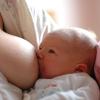
Deaths of an estimated 820,000 children under the age of five could be prevented globally every year with increased breastfeeding. Breastfeeding decreases the risk of respiratory tract infections and diarrhea, both in developing and developed countries. Other benefits include lower risks of asthma, food allergies, celiac disease, type 1 diabetes, and leukemia. Breastfeeding may also improve cognitive development and decrease the risk of obesity in adulthood. Mothers may feel pressure to breastfeed, but in the developed world children generally grow up normally when bottle fed. Benefits for the mother include less blood loss following delivery, better uterus shrinkage, and less postpartum depression. Breastfeeding delays the return of menstruation and fertility, a phenomenon known as lactational amenorrhea. Long term benefits for the mother include decreased risk of breast cancer, cardiovascular disease, and rheumatoid arthritis. Breastfeeding is less expensive than infant formula. Health organizations, including the World Health Organization (WHO), recommend breastfeeding exclusively for six months. This means that no other foods or drinks other than possibly vitamin D are typically given. After the introduction of foods at six months of age, recommendations include continued breastfeeding until at least one to two years of age. Globally about 38% of infants are only breastfed during their first six months of life. In the United States, about 75% of women begin breastfeeding and about 13% only breastfeed until the age of six months Medical conditions that do not allow breastfeeding are rare. Mothers who take certain recreational drugs and medications should not breastfeed. Smoking, limited amounts of alcohol, or coffee are not reasons to avoid breastfeeding.
Hits - 1171
|