CYBERMED LIFE - ORGANIC  & NATURAL LIVING
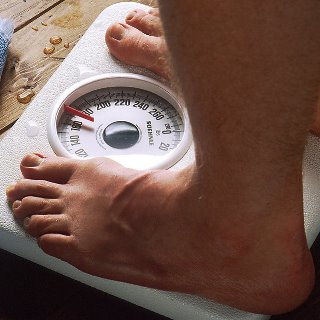
Obesity

obesityObesity is a medical condition in which excess body fat has accumulated to the extent that it may have a negative effect on health. People are generally considered obese when their body mass index (BMI), a measurement obtained by dividing a person's weight by the square of the person's height, is over 30 kg/m2, with the range 25–30 kg/m2 defined as overweight. Some East Asian countries use lower values. Obesity increases the likelihood of various diseases and conditions, particularly cardiovascular diseases, type 2 diabetes, obstructive sleep apnea, certain types of cancer, osteoarthritis and depression.

Obesity is most commonly caused by a combination of excessive food intake, lack of physical activity, and genetic susceptibility. A few cases are caused primarily by genes, endocrine disorders, medications, or mental disorder. The view that obese people eat little yet gain weight due to a slow metabolism is not generally supported. On average, obese people have a greater energy expenditure than their normal counterparts due to the energy required to maintain an increased body mass.

Obesity is mostly preventable through a combination of social changes and personal choices. Changes to diet and exercising are the main treatments. Diet quality can be improved by reducing the consumption of energy-dense foods, such as those high in fat or sugars, and by increasing the intake of dietary fiber. Medications can be used, along with a suitable diet, to reduce appetite or decrease fat absorption. If diet, exercise, and medication are not effective, a gastric balloon or surgery may be performed to reduce stomach volume or length of the intestines, leading to feeling full earlier or a reduced ability to absorb nutrients from food.

Obesity is a leading preventable cause of death worldwide, with increasing rates in adults and children. In 2015, 600 million adults (12%) and 100 million children were obese in 195 countries. Obesity is more common in women than men. Authorities view it as one of the most serious public health problems of the 21st century. Obesity is stigmatized in much of the modern world (particularly in the Western world), though it was seen as a symbol of wealth and fertility at other times in history and still is in some parts of the world. In 2013, the American Medical Association classified obesity as a disease.


  • Effects of exercise training intensity on nocturnal growth hormone secretion in obese adults with the metabolic syndrome📎

    facebook Share on Facebook
    Abstract Title:

    Effects of exercise training intensity on nocturnal growth hormone secretion in obese adults with the metabolic syndrome.

    Abstract Source:

    J Clin Endocrinol Metab. 2009 Jun;94(6):1979-86. Epub 2009 Mar 24. PMID: 19318453

    Abstract Author(s):

    Brian A Irving, J Y Weltman, James T Patrie, Christopher K Davis, David W Brock, Damon Swift, Eugene J Barrett, Glenn A Gaesser, Arthur Weltman

    Abstract:

    CONTEXT: Abdominal adiposity is associated with reduced spontaneous GH secretion, and an increased incidence of the metabolic syndrome, type 2 diabetes, and cardiovascular disease. Exercise training increases GH secretion, induces abdominal visceral fat loss, and has been shown to improve the cardiometabolic risk factor profile. However, little is known about the effects of endurance training intensity on spontaneous GH release in obese individuals.

    OBJECTIVE: Our objective was to examine the effects of 16 wk endurance training on spontaneous 12-h overnight GH secretion in adults with the metabolic syndrome.

    DESIGN AND SETTING: This randomized, controlled exercise intervention was conducted at the University of Virginia. PARTICIPANTS: A total of 34 adults with the metabolic syndrome (mean +/- sem: age: 49.1 +/- 1.8 yr) participated.

    INTERVENTION: Participants were randomized to one of three groups for 16 wk: no exercise training (control), low-intensity exercise training, or high-intensity training.

    MAIN OUTCOME MEASURE: Change in nocturnal integrated GH area under the curve (AUC) was calculated.

    RESULTS: Both exercise training conditions augmented within-group nocturnal GH AUC pretrain to post-training (low-intensity exercise training approximately (upward arrow) 49%, P < 0.05; and high-intensity training approximately (upward arrow) 65%, P < 0.01), and these changes were also greater than the changes in the control group (P < 0.01). The change in nocturnal GH AUC was inversely associated with the change in fat mass across the entire sample (r = -0.34; P = 0.051; n=34) but was not significantly associated with the change in abdominal visceral fat (r = 0.02; P = 0.920; n = 34).

    CONCLUSIONS: Sixteen wk of supervised exercise training in adults with the metabolic syndrome increases spontaneous nocturnal GH secretion independent of exercise training intensity.

  • Effects of Health Qigong Baduanjin on diabetes related indexes in middle-aged obese women

    facebook Share on Facebook
    Abstract Title:

    [Effects of Health Qigong Baduanjin on diabetes related indexes in middle-aged obese women].

    Abstract Source:

    Zhongguo Ying Yong Sheng Li Xue Za Zhi. 2018 Jan 8 ;34(1):19-22. PMID: 29926653

    Abstract Author(s):

    Tao Liu, Shi Bai, Rong-Chao Zhang

    Article Affiliation:

    Tao Liu

    Abstract:

    OBJECTIVE:To investigate the effect of Health Qigong Baduanjin on the related indexes of obese middle aged women with diabetes and to provide new ideas for the intervention treatment of diabetes.

    METHODS:A total of 40 middle-aged female obese diabetic patients were randomly divided into the control group and the exercise group(=20), the age was(57.2±5.4) years old. Fitness training group performed eight new Baduanjin exercises for 24 weeks of intervention, the control group did not exercise, body weight, waist circumference, body mass index (BMI), waist hip ratio (WHR), fasting blood glucose (FPG), glycosylated hemoglobin (HbAlc), triglyceride(TG), total cholesterol (TC), low density lipoprotein (LDL), high density lipoprotein (HDL) levels and serum retinol binding protein 4(RBP4) index were observed in the two groups.

    RESULTS:After exercise, the waist, WHR, FPG, TG, HbAlc, HDL and RBP4 levels of the the patients in the experimental group were decreased significantly compared with those of before exercise and those of the patients in the experimental control group before and after exercise (<0.05).

    CONCLUSIONS:Health Qigong Baduanjin can reduce the blood sugar of obese female patients with diabetes, and has some improvement effect on the body part of obesity and blood lipid indicators.

  • Effects of Very Low Calorie Ketogenic Diet on the Orexinergic System, Visceral Adipose Tissue, and ROS Production. 📎

    Abstract Title:

    Effects of Very Low Calorie Ketogenic Diet on the Orexinergic System, Visceral Adipose Tissue, and ROS Production.

    Abstract Source:

    Antioxidants (Basel). 2019 Dec 13 ;8(12). Epub 2019 Dec 13. PMID: 31847149

    Abstract Author(s):

    Anna Valenzano, Rita Polito, Valentina Trimigno, Antonella Di Palma, Fiorenzo Moscatelli, Gaetano Corso, Francesco Sessa, Monica Salerno, Angelo Montana, Nunzio Di Nunno, Marinella Astuto, Aurora Daniele, Marco Carotenuto, Giovanni Messina, Giuseppe Cibelli, Vincenzo Monda

    Article Affiliation:

    Anna Valenzano

    Abstract:

    BACKGROUND:Caloric restriction is a valid strategy to reduce the visceral adipose tissue (VAT) content in obese persons. Hypocretin-1 (orexin-A) is a neuropeptide synthesized in the lateral hypothalamus that strongly modulates food intake, thus influencing adipose tissue accumulation. Therapeutic diets in obesity treatment may combine the advantages of caloric restriction and dietary ketosis. The current study aimed to evaluate the effect of a very low calorie ketogenic diet (VLCKD) in a population of obese patients.

    METHODS:Adiposity parameters and orexin-A serum profiling were quantified over an 8 week period. The effect of the VLCKD on reactive oxygen species (ROS) production and cell viability was evaluated, in vitro, by culturing Hep-G2 cells in the presence of VLCKD sera.

    RESULTS:Dietary intervention induced significant effects on body weight, adiposity, and blood chemistry parameters. Moreover, a selective reduction in VAT was measured by dual-energy X-ray absorptiometry. Orexin-A levels significantly increased after dietary treatment. Hep-G2 cell viability was not affected after 24, 48, and 72 h incubation with patients' sera, before and after the VLCKD. In the same model system, ROS production was not significantly influenced by dietary treatment.

    CONCLUSION:The VLCKD exerts a positive effect on VAT decrease, ameliorating adiposity and blood chemistry parameters. Furthermore, short-term mild dietary ketosis does not appear to have a cytotoxic effect, nor does it represent a factor capable of increasing oxidative stress. Finally, to the best of our knowledge, this is the first study that shows an effect of the VLCKD upon the orexinergic system, supporting the usefulness of such a therapeutic intervention in promoting obesity reduction in the individual burden of this disease.

  • Elimination of xenobiotics in a female patient with fibromyalgia, chronic fatigue, and trunk obesity.

    facebook Share on Facebook
    Abstract Title:

    Elimination of xenobiotics in a female patient with fibromyalgia, chronic fatigue, and trunk obesity.

    Abstract Source:

    Forsch Komplementmed. 2007 Feb;14(1):39-44. Epub 2007 Mar 6. PMID: 17341886

    Abstract Author(s):

    Joachim Mutter, Johannes Naumann, Corina Guethlin

    Article Affiliation:

    Institute for Environmental Medicine and Hospital Epidemiology, Freiburg i.Br., Deutschland. This email address is being protected from spambots. You need JavaScript enabled to view it.

    Abstract:

    We describe the case of a 28-year-old woman, who had been suffering for more than 5 years from severe fatigue, myofascial pain, obstipation, obesity of trunk, abdominal striae, oedema, tinnitus, folliculitis, and facial swelling. The patient also showed a secondary adrenocortical insufficiency. From the anamnesis we assumed that environmental factors could account for the symptoms. The therapy consisted of dietary advise, chelating agents, supplements, and acupuncture. Under this therapy the patient became completely symptom-free. No such case has ever been reported before. We report mainly on the CAM diagnostic and therapeutic procedures, which are discussed together with the assumed pathogenetic factors.

  • Elimination of xenobiotics in a female patient with fibromyalgia, chronic fatigue, and trunk obesity.

    facebook Share on Facebook
    Abstract Title:

    Elimination of xenobiotics in a female patient with fibromyalgia, chronic fatigue, and trunk obesity.

    Abstract Source:

    Forsch Komplementmed. 2007 Feb;14(1):39-44. Epub 2007 Mar 6. PMID: 17341886

    Abstract Author(s):

    Joachim Mutter, Johannes Naumann, Corina Guethlin

    Article Affiliation:

    Institute for Environmental Medicine and Hospital Epidemiology, Freiburg i.Br., Deutschland. This email address is being protected from spambots. You need JavaScript enabled to view it.

    Abstract:

    We describe the case of a 28-year-old woman, who had been suffering for more than 5 years from severe fatigue, myofascial pain, obstipation, obesity of trunk, abdominal striae, oedema, tinnitus, folliculitis, and facial swelling. The patient also showed a secondary adrenocortical insufficiency. From the anamnesis we assumed that environmental factors could account for the symptoms. The therapy consisted of dietary advise, chelating agents, supplements, and acupuncture. Under this therapy the patient became completely symptom-free. No such case has ever been reported before. We report mainly on the CAM diagnostic and therapeutic procedures, which are discussed together with the assumed pathogenetic factors.

  • Ergosterol Peroxide from the Medicinal Mushroom Inhibits Differentiation and Lipid Accumulation of 3T3-L1 Adipocytes. 📎

    facebook Share on Facebook
    Abstract Title:

    Ergosterol Peroxide from the Medicinal Mushroom Inhibits Differentiation and Lipid Accumulation of 3T3-L1 Adipocytes.

    Abstract Source:

    Int J Mol Sci. 2020 Jan 10 ;21(2). Epub 2020 Jan 10. PMID: 31936890

    Abstract Author(s):

    Yong-Un Jeong, Young-Jin Park

    Article Affiliation:

    Yong-Un Jeong

    Abstract:

    Ergosterol peroxide is a natural compound of the steroid family found in many fungi, and it possesses antioxidant, anti-inflammatory, anticancer and antiviral activities. The anti-obesity activity of several edible and medicinal mushrooms has been reported, but the effect of mushroom-derived ergosterol peroxide on obesity has not been studied. Therefore, we analyzed the effect of ergosterol peroxide on the inhibition of triglyceride synthesis at protein and mRNA levels and differentiation of 3T3-L1 adipocytes. Ergosterol peroxide inhibited lipid droplet synthesis of differentiated 3T3-L1 cells, expression of peroxisome proliferator-activated receptor gamma (PPARγ) and CCAT/enhancer-binding protein alpha (C/EBPα), the major transcription factors of differentiation, and also the expression of sterol regulatory element-binding protein-1c (SREBP-1c), which promotes the activity of PPARγ, resulting in inhibition of differentiation. It further inhibited the expression of fatty acid synthase (FAS), fatty acid translocase (FAT), and acetyl-coenzyme A carboxylase (ACC), which are lipogenic factors. In addition, it inhibited the phosphorylation of mitogen-activated protein kinases (MAPKs) involved in cell proliferation and activation of early differentiation transcription factors in the mitotic clonal expansion (MCE) stage. As a result, ergosterol peroxide significantly inhibited the synthesis of triglycerides and differentiation of 3T3-L1 cells, and is, therefore, a possibile prophylactic and therapeutic agent for obesity and related metabolic diseases.

  • Exercise Alters Gut Microbiota Composition and Function in Lean and Obese Humans.

    facebook Share on Facebook
    Abstract Title:

    Exercise Alters Gut Microbiota Composition and Function in Lean and Obese Humans.

    Abstract Source:

    Med Sci Sports Exerc. 2018 04 ;50(4):747-757. PMID: 29166320

    Abstract Author(s):

    Jacob M Allen, Lucy J Mailing, Grace M Niemiro, Rachel Moore, Marc D Cook, Bryan A White, Hannah D Holscher, Jeffrey A Woods

    Article Affiliation:

    Jacob M Allen

    Abstract:

    PURPOSE:Exercise is associated with altered gut microbial composition, but studies have not investigated whether the gut microbiota and associated metabolites are modulated by exercise training in humans. We explored the impact of 6 wk of endurance exercise on the composition, functional capacity, and metabolic output of the gut microbiota in lean and obese adults with multiple-day dietary controls before outcome variable collection.

    METHODS:Thirty-two lean (n = 18 [9 female]) and obese (n = 14 [11 female]), previously sedentary subjects participated in 6 wk of supervised, endurance-based exercise training (3 d·wk) that progressed from 30 to 60 min·d and from moderate (60% of HR reserve) to vigorous intensity (75% HR reserve). Subsequently, participants returned to a sedentary lifestyle activity for a 6-wk washout period. Fecal samples were collected before and after 6 wk of exercise, as well as after the sedentary washout period, with 3-d dietary controls in place before each collection.

    RESULTS:β-diversity analysis revealed that exercise-induced alterations of the gut microbiota were dependent on obesity status. Exercise increased fecal concentrations of short-chain fatty acids in lean, but not obese, participants. Exercise-induced shifts in metabolic output of the microbiota paralleled changes in bacterial genes and taxa capable of short-chain fatty acid production. Lastly, exercise-induced changes in the microbiota were largely reversed once exercise training ceased.

    CONCLUSION:These findings suggest that exercise training induces compositional and functional changes in the human gut microbiota that are dependent on obesity status, independent of diet and contingent on the sustainment of exercise.

  • Exercise Dose and Weight Loss in Adolescents with Overweight-Obesity: A Meta-Regression.

    facebook Share on Facebook
    Abstract Title:

    Exercise Dose and Weight Loss in Adolescents with Overweight-Obesity: A Meta-Regression.

    Abstract Source:

    Sports Med. 2018 Dec 17. Epub 2018 Dec 17. PMID: 30560421

    Abstract Author(s):

    Lee Stoner, Michael W Beets, Keith Brazendale, Justin B Moore, R Glenn Weaver

    Article Affiliation:

    Lee Stoner

    Abstract:

    BACKGROUND:A recent meta-analysis reported that exercise interventions are effective for promoting weight loss in adolescents with overweight-obesity. However, the meta-analysis did not investigate whether there is an optimal exercise dose for promoting weight loss in overweight and obese adolescents. A common method of expressing exercise dose is the calculation of metabolic equivalents (METs), expressed as MET-h/week.

    OBJECTIVES:The objective of this study was to determine the association between exercise dose (MET-h/week) and weight loss [body weight, body mass index (BMI)] in adolescents with overweight-obesity.

    DATA SOURCES:Trials included in the original meta-analysis were extracted, and a subsequent search to identify studies published between May 2015 and May 2018 was conducted. The search included electronic databases (PubMed, Web of Science SPORTDiscus, Google Scholar) and the reference lists of eligible articles and relevant reviews.

    STUDY SELECTION:The inclusion criteria were as follows: (i) randomized controlled trial; (ii) structured exercise intervention, alone or combined with other intervention components; (iii) control group received no structured exercise or behavioral modification designed to increase physical activity; (iv) participants overweight or obese (BMI≥ 85th percentile); and (v) participants aged between 10 and 19 years.

    APPRAISAL AND SYNTHESIS METHODS:Fifteen trials were extracted from the original meta-analysis. The current search identified an additional five trials (three articles). Data from 20 trials (16 articles) involving 1091 participants (54% female, 17% not reported) were included in the analysis. Effect sizes were reported as mean difference, and random effects meta-regression quantified the association between exercise dose and weight loss. Study quality was assessed using a modified Jadad's scale.

    RESULTS:Total body weight change (decrease) ranged from - 2.7 to 19.3 (median 2.5) kg, and BMI change (decrease) ranged from - 1.6 to 6.3 (median 0.9) kg/m. MET-h/week ranged from 5.4 to 36.0 (median 6.0). Each MET-h/week was associated with a 0.13 kg/m(95% confidence interval [CI] 0.08-0.19) and 0.33 kg (95% CI 0.08-0.59) decrease in BMI and body weight, respectively.

    LIMITATIONS:The prescribed exercise dose for the majority of trials was low. As such, we were unable to discern whether there was an optimal exercise dose for weight loss (i.e., if the association between dose and weight loss was non-linear). Additionally, most trials had small sample sizes (median n = 34) and 17 trials had methodological limitations.

    CONCLUSIONS:Each MET-h/week was associated with a 0.13 kg/mand 0.33 kg decrease in BMI and body weight, respectively. While this relationship appears to be linear, i.e., no optimal exercise dose, it should be emphasized that the exercise prescription dose for the majority of trials was low. Subsequent trials, with greater exercise dosage, are required to determinewhether there is an 'optimal' dose for promoting weight loss in adolescents with overweight-obesity. However, the current findings lend support to the use of exercise prescription for promoting weight loss and improving health outcomes in this population.

  • Exercise induction of gut microbiota modifications in obese, non-obese and hypertensive rats📎

    facebook Share on Facebook
    Abstract Title:

    Exercise induction of gut microbiota modifications in obese, non-obese and hypertensive rats.

    Abstract Source:

    BMC Genomics. 2014 Jun 21 ;15:511. Epub 2014 Jun 21. PMID: 24952588

    Abstract Author(s):

    Bernardo A Petriz, Alinne P Castro, Jeeser A Almeida, Clarissa Pc Gomes, Gabriel R Fernandes, Ricardo H Kruger, Rinaldo W Pereira, Octavio L Franco

    Article Affiliation:

    Bernardo A Petriz

    Abstract:

    BACKGROUND:Obesity is a multifactor disease associated with cardiovascular disorders such as hypertension. Recently, gut microbiota was linked to obesity pathogenesisand shown to influence the host metabolism. Moreover, several factors such as host-genotype and life-style have been shown to modulate gut microbiota composition. Exercise is a well-known agent used for the treatment of numerous pathologies, such as obesity and hypertension; it has recently been demonstrated to shape gut microbiota consortia. Since exercise-altered microbiota could possibly improve the treatment of diseases related to dysfunctional microbiota, this study aimed to examine the effect of controlled exercise training on gut microbial composition in Obese rats (n = 3), non-obese Wistar rats (n = 3) and Spontaneously Hypertensive rats (n = 3). Pyrosequencing of 16S rRNA genes from fecal samples collected before and after exercise training was used for this purpose.

    RESULTS:Exercise altered the composition and diversity of gut bacteria at genus level in all rat lineages. Allobaculum (Hypertensive rats), Pseudomonas and Lactobacillus (Obese rats) were shown to be enriched after exercise, while Streptococcus (Wistar rats), Aggregatibacter and Sutturella (Hypertensive rats) were more enhanced before exercise. A significant correlation was seen in the Clostridiaceae and Bacteroidaceae families and Oscillospira and Ruminococcus genera with blood lactate accumulation. Moreover, Wistar and Hypertensive rats were shown to share a similar microbiota composition, as opposed to Obese rats. Finally, Streptococcus alactolyticus, Bifidobacterium animalis, Ruminococcus gnavus, Aggregatibacter pneumotropica and Bifidobacterium pseudolongum were enriched in Obese rats.

    CONCLUSIONS:These data indicate that non-obese and hypertensive rats harbor a different gut microbiota from obese rats and that exercise training alters gut microbiota from an obese and hypertensive genotype background.

  • Fasting and refeeding differentially regulate NLRP3 inflammasome activation in human subjects. 📎

    facebook Share on Facebook
    Abstract Title:

    Fasting and refeeding differentially regulate NLRP3 inflammasome activation in human subjects.

    Abstract Source:

    J Clin Invest. 2015 ;2015. Epub 2015 Nov 3. PMID: 26529255

    Abstract Author(s):

    Javier Traba, Miriam Kwarteng-Siaw, Tracy C Okoli, Jessica Li, Rebecca D Huffstutler, Amanda Bray, Myron A Waclawiw, Kim Han, Martin Pelletier, Anthony A Sauve, Richard M Siegel, Michael N Sack

    Article Affiliation:

    Javier Traba

    Abstract:

    BACKGROUND:Activation of the NLRP3 inflammasome is associated with metabolic dysfunction, and intermittent fasting has been shown to improve clinical presentation of NLRP3 inflammasome-linked diseases. As mitochondrial perturbations, which function as a damage-associated molecular pattern, exacerbate NLRP3 inflammasome activation, we investigated whether fasting blunts inflammasome activation via sirtuin-mediated augmentation of mitochondrial integrity.

    METHODS:We performed a clinical study of 19 healthy volunteers. Each subject underwent a 24-hour fast and then was fed a fixed-calorie meal. Blood was drawn during the fasted and fed states and analyzed for NRLP3 inflammasome activation. We enrolled an additional group of 8 healthy volunteers to assess the effects of the sirtuin activator, nicotinamide riboside, on NLRP3 inflammasome activation.

    RESULTS:In the fasting/refeeding study, individuals showed less NLRP3 inflammasome activation in the fasted state compared with that in refed conditions. In a human macrophage line, depletion of the mitochondrial-enriched sirtuin deacetylase SIRT3 increased NLRP3 inflammasome activation in association with excessive mitochondrial ROS production. Furthermore, genetic and pharmacologic SIRT3 activation blunted NLRP3 activity in parallel with enhanced mitochondrial function in cultured cells and in leukocytes extracted from healthy volunteers and from refed individuals but not in those collected during fasting.

    CONCLUSIONS:Together, our data indicate that nutrient levels regulate the NLRP3 inflammasome, in part through SIRT3-mediated mitochondrial homeostatic control. Moreover, these results suggest that deacetylase-dependent inflammasome attenuation may be amenable to targeting in human disease.

    TRIAL REGISTRATION:ClinicalTrials.gov NCT02122575 and NCT00442195.

    FUNDING:Division of Intramural Research, NHLBI of the NIH.

  • Fasting-induced liver GADD45β restrains hepatic fatty acid uptake and improves metabolic health. 📎

    facebook Share on Facebook
    Abstract Title:

    Fasting-induced liver GADD45β restrains hepatic fatty acid uptake and improves metabolic health.

    Abstract Source:

    EMBO Mol Med. 2016 ;8(6):654-69. Epub 2016 Jun 1. PMID: 27137487

    Abstract Author(s):

    Jessica Fuhrmeister, Annika Zota, Tjeerd P Sijmonsma, Oksana Seibert, Şahika Cıngır, Kathrin Schmidt, Nicola Vallon, Roldan M de Guia, Katharina Niopek, Mauricio Berriel Diaz, Adriano Maida, Matthias Blüher, Jürgen G Okun, Stephan Herzig, Adam J Rose

    Article Affiliation:

    Jessica Fuhrmeister

    Abstract:

    Recent studies have demonstrated that repeated short-term nutrient withdrawal (i.e. fasting) has pleiotropic actions to promote organismal health and longevity. Despite this, the molecular physiological mechanisms by which fasting is protective against metabolic disease are largely unknown. Here, we show that, metabolic control, particularly systemic and liver lipid metabolism, is aberrantly regulated in the fasted state in mouse models of metabolic dysfunction. Liver transcript assays between lean/healthy and obese/diabetic mice in fasted and fed states uncovered"growth arrest and DNA damage-inducible"GADD45β as a dysregulated gene transcript during fasting in several models of metabolic dysfunction including ageing, obesity/pre-diabetes and type 2 diabetes, in both mice and humans. Using whole-body knockout mice as well as liver/hepatocyte-specific gain- and loss-of-function strategies, we revealed arole for liver GADD45β in the coordination of liver fatty acid uptake, through cytoplasmic retention of FABP1, ultimately impacting obesity-driven hyperglycaemia. In summary, fasting stress-induced GADD45β represents a liver-specific molecular event promoting adaptive metabolic function.

  • Glucose tolerance, lipids, and GLP-1 secretion in JCR:LA-cp rats fed a high protein fiber diet📎

    Abstract Title:

    Glucose tolerance, lipids, and GLP-1 secretion in JCR:LA-cp rats fed a high protein fiber diet.

    Abstract Source:

    Obesity (Silver Spring). 2008 Jan;16(1):40-6. PMID: 18223610

    Abstract Author(s):

    Raylene A Reimer, James C Russell

    Article Affiliation:

    Faculties of Kinesiology and Medicine, Department of Biochemistry and Molecular Biology, University of Calgary, Calgary, Alberta, Canada. This email address is being protected from spambots. You need JavaScript enabled to view it.

    Abstract:

    BACKGROUND:We have shown that individually, dietary fiber and protein increase secretion of the anorexigenic and insulinotropic hormone, glucagon-like peptide-1 (GLP-1).

    OBJECTIVE:Our objective was to combine, in one diet, high levels of fiber and protein to maximize GLP-1 secretion, improve glucose tolerance, and reduce weight gain.

    METHODS AND PROCEDURES:Lean (+/?) and obese (cp/cp) male James C Russell corpulent (JCR:LA-cp) rats lacking a functional leptin receptor were fed one of four experimental diets (control, high protein (HP), high fiber (HF, prebiotic fiber inulin), or combination (CB)) for 3 weeks. An oral glucose tolerance test (OGTT) was performed to evaluate plasma GLP-1, insulin and glucose. Plasma lipids and intestinal proglucagon mRNA expression were determined.

    RESULTS:Energy intake was lower with the HF diet in lean and obese rats. Weight gain did not differ between diets. Higher colonic proglucagon mRNA in lean rats fed a CB diet was associated with higher GLP-1 secretion during OGTT. The HP diet significantly reduced plasma glucose area under the curve (AUC) during OGTT in obese rats, which reflected both an increased GLP-1 AUC and higher fasting insulin. Diets containing inulin resulted in the lowest plasma triglyceride and total cholesterol levels.

    DISCUSSION:Overall, combining HP with HF in the diet increased GLP-1 secretion in response to oral glucose, but did not improve glucose tolerance or lipid profiles more than the HF diet alone did. We also suggest that glycemic and insulinemic response to prebiotics differ among rat models and future research work should examine their role in improving glucose tolerance in diet-induced vs. genetic obesity with overt hyperleptinemia.

  • Green tea catechin consumption enhances exercise-induced abdominal fat loss in overweight and obese adults📎

    facebook Share on Facebook
    Abstract Title:

    Green tea catechin consumption enhances exercise-induced abdominal fat loss in overweight and obese adults.

    Abstract Source:

    J Nutr. 2009 Feb;139(2):264-70. Epub 2008 Dec 11. PMID: 19074207

    Abstract Author(s):

    Kevin C Maki, Matthew S Reeves, Mildred Farmer, Koichi Yasunaga, Noboru Matsuo, Yoshihisa Katsuragi, Masanori Komikado, Ichiro Tokimitsu, Donna Wilder, Franz Jones, Jeffrey B Blumberg, Yolanda Cartwright

    Abstract:

    This study evaluated the influence of a green tea catechin beverage on body composition and fat distribution in overweight and obese adults during exercise-induced weight loss. Participants (n = 132 with 107 completers) were randomly assigned to receive a beverage containing approximately 625 mg of catechins with 39 mg caffeine or a control beverage (39 mg caffeine, no catechins) for 12 wk. Participants were asked to maintain constant energy intake and engage in>or=180 min/wk moderate intensity exercise, including>or=3 supervised sessions per week. Body composition (dual X-ray absorptiometry), abdominal fat areas (computed tomography), and clinical laboratory tests were measured at baseline and wk 12. There was a trend (P = 0.079) toward greater loss of body weight in the catechin group compared with the control group; least squares mean (95% CI) changes, adjusted for baseline value, age, and sex, were -2.2 (-3.1, -1.3) and -1.0 (-1.9, -0.1) kg, respectively. Percentage changes in fat mass did not differ between the catechin [5.2 (-7.0, -3.4)] and control groups [-3.5 (-5.4, 1.6)] (P = 0.208). However, percentage changes in total abdominal fat area [-7.7 (-11.7, -3.8) vs. -0.3 (-4.4, 3.9); P = 0.013], subcutaneous abdominal fat area [-6.2 (-10.2, -2.2) vs. 0.8 (-3.3, 4.9); P = 0.019], and fasting serum triglycerides (TG) [-11.2 (-18.8, -3.6) vs. 1.9 (-5.9, 9.7); P = 0.023] were greater in the catechin group. These findings suggest that green tea catechin consumption enhances exercise-induced changes in abdominal fat and serum TG.

  • High-intensity interval training reduces monocyte activation in obese adults.

    facebook Share on Facebook
    Abstract Title:

    High-intensity interval training reduces monocyte activation in obese adults.

    Abstract Source:

    Brain Behav Immun. 2019 08 ;80:818-824. Epub 2019 May 21. PMID: 31125712

    Abstract Author(s):

    Mariana Aguiar de Matos, Bruna Caroline Chaves Garcia, Dênia Vargas Vieira, Marcos Felipe Andrade de Oliveira, Karine Beatriz Costa, Paula Fernandes Aguiar, Flávio de Castro Magalhães, Gustavo Alvim Brito-Melo, Fabiano Trigueiro Amorim, Etel Rocha-Vieira

    Article Affiliation:

    Mariana Aguiar de Matos

    Abstract:

    Alterations in the distribution and activation of monocyte subsets are frequently observed in individuals with obesity and their participation in the pathological complications of obesity is proposed. High-intensity interval training (HIIT) can be a time-efficient alternative to counteract the inflammatory outcomes of obesity, but so far, its effects on monocytes in obesity has not been fully explored. In this study, we investigated whether 8 weeks of HIIT can modify the distribution and activation of the three monocyte subsets (classical, intermediate and non-classical monocytes) in individuals with obesity. Our data show that individuals with obesity have a higher percentage of non-classical monocytes compared to control, lean individuals, and consequently an imbalance among the CD16monocyte subsets. Also, the expression of HLA-DR by intermediate monocytes is higher in insulin-resistant obese individuals, which indicates monocyte activation in obesity. After 8 weeks of HIIT, the percentage of non-classical monocytes was reduced in individuals with obesity, restoring the balance among the CD16monocytes. Also, the expression of HLA-DR by intermediate monocytes in insulin-resistant obese subjects was lower after HIIT. Both findings indicate that monocyte activation in individuals with obesity was reduced by HIIT. These modifications were observed in the absence of changes in weight and body composition, although they were accompanied by the improvement in the metabolic status (reduced insulin levels). Our findings indicate that HIIT can be considered a time-efficient strategy to manage obesity-related monocyte alterations and strengthen the immunomodulatory potential of HIIT.

  • High-oleic peanuts: new perspective to attenuate glucose homeostasis disruption and inflammation related obesity. 📎

    facebook Share on Facebook
    Abstract Title:

    High-oleic peanuts: new perspective to attenuate glucose homeostasis disruption and inflammation related obesity.

    Abstract Source:

    Obesity (Silver Spring). 2014 Sep ;22(9):1981-8. Epub 2014 Jun 27. PMID: 24975522

    Abstract Author(s):

    Raquel Duarte Moreira Alves, Ana Paula Boroni Moreira, Viviane Silva Macedo, Josefina Bressan, Rita de Cássia Gonçalves Alfenas, Richard Mattes, Neuza Maria Brunoro Costa

    Article Affiliation:

    Raquel Duarte Moreira Alves

    Abstract:

    OBJECTIVE:To evaluate the effects of acute and daily consumption of high-oleic peanuts (HOP) on inflammation and glucose homeostasis in overweight/obese men.

    METHODS:In a 4-week randomized clinical trial, males with body mass index of 29.8± 2.3 kg/m(2) and aged 18-50 years were assigned to the groups: control (CT, n = 22); conventional peanuts (CVP, n = 22); or HOP (n = 21). They followed a hypocaloric-diet with or without 56 g/day of CVP or HOP. Main outcomes were changes in fasting blood biomarkers and postprandial insulin, glucose, tumor necrosis factor-alfa (TNF-α), and interleukin-10 (IL-10) responses after acute peanut intake.

    RESULTS:At baseline, HOP showed significantly lower postprandial responses of glucose, insulin, and TNF-α than CVP and CT. Changes in fasting blood biomarkers did not differ between groups after the 4-week intervention. However, within groups, total cholesterol decreased in CT, and all groups reduced High-density lipoprotein (HDL-c). Triglycerides were reduced in HOP and CVP. IL-10 increased significantly in all groups while only the CT and CVP showed increased TNF-α after intervention.

    CONCLUSION:Acute high-oleic peanut consumption leads to stronger moderation of postprandial glucose, insulin, and TNF-α concentrations than CVP and control meal intake. Whether daily intake of high-oleic peanuts has additional benefits to CVP remains uncertain.

  • Hypolipidemic Effect of()Supplementation and a Systematic Physical Exercise Program in Overweight and Obese Men: A Double-Blind, Randomized, and Crossover Controlled Trial📎

    facebook Share on Facebook
    Abstract Title:

    Hypolipidemic Effect of()Supplementation and a Systematic Physical Exercise Program in Overweight and Obese Men: A Double-Blind, Randomized, and Crossover Controlled Trial.

    Abstract Source:

    Mar Drugs. 2019 May 7 ;17(5). Epub 2019 May 7. PMID: 31067674

    Abstract Author(s):

    Marco Antonio Hernández-Lepe, Abraham Wall-Medrano, José Alberto López-Díaz, Marco Antonio Juárez-Oropeza, Rosa Patricia Hernández-Torres, Arnulfo Ramos-Jiménez

    Article Affiliation:

    Marco Antonio Hernández-Lepe

    Abstract:

    Low-fat diets, lipid-modifying nutraceuticals and a higher level of physical activity are often recommended to reduce dyslipidemia. A double-blind, randomized, crossover, controlled trial was designed to evaluate the independent and synergistic effects of()supplementation (4.5 g·day) with or without performing a physical exercise program (: aerobic exercise (3 days·week) + high-intensity interval training (2 days·week)) on blood lipids and BMI of 52 sedentary men with excess body weight. During six weeks, all participants were assigned to four intervention treatments (with PEP (SE), placebo with PEP (Ex),without PEP (Sm), placebo without PEP (C; control)) and plasma lipids were evaluated spectrophotometrically pre- vs. post intervention in stratified subgroups (overweight, obese and dyslipidemic subjects). Pre/post comparisons showed significant reductions in all plasma lipids in the SE group, particularly in those with dyslipidemia (≤ 0.043). Comparing the final vs. the initial values, BMI, total cholesterol, triglycerides and low-density lipoprotein cholesterol were decreased. High-density lipoprotein cholesterol increased in all treatment groups compared to C. Changes were observed mostly in SE interventions, particularly in dyslipidemic subjects (<0.05).supplementation enhances the hypolipidemic effect of a systematic PEP in men with excess body weight and dyslipidemia.

  • Immediate effect of three different electroacupuncture protocols on fasting blood glucose in obese patients: a pilot study.

    facebook Share on Facebook
    Abstract Title:

    Immediate effect of three different electroacupuncture protocols on fasting blood glucose in obese patients: a pilot study.

    Abstract Source:

    Acupunct Med. 2015 Apr ;33(2):110-4. Epub 2014 Dec 18. PMID: 25522743

    Abstract Author(s):

    Maria Belivani, Thomas Lundeberg, Mike Cummings, Charikleia Dimitroula, Nicole Belivani, Dimitris Vasilakos, Apostolos Hatzitolios

    Article Affiliation:

    Maria Belivani

    Abstract:

    BACKGROUND:Obesity is an increasing global health problem, and current methods of management are limited. Preliminary research data suggest that acupuncture may have an influence on metabolic parameters related to obesity.

    OBJECTIVE:To determine the electroacupuncture (EA) protocol to be used in a future clinical trial examining the effect of acupuncture on metabolic parameters related to obesity and to examine whether a single EA treatment can change fasting blood glucose in obese subjects.

    METHODS:16 obese women aged 30-52 years with body mass index>30 kg/m(2) were assigned consecutively into three groups and their fasting blood glucose was measured before and after administering a single session, lasting 30 min, of one of three EA treatment protocols. The Dorsal group received EA to dorsal segmental acupuncture points BL18-23 bilaterally (corresponding to the segmental levels innervating the pancreas); the Ear group received EA to ear points in the cavum conchae; and the Limb group received EA to points in the arms and legs (LI10-LI11, ST36-Zongping).

    RESULTS:After a single session of EA there was a statistically significant decrease in fasting blood glucose in the Dorsal and Limb groups, but there was no change and even a trend towards an increase in the glucose level in the Ear group.

    CONCLUSIONS:The findings of this small pilot study suggest that EA to either dorsal segmental points corresponding to the pancreas or to muscle points in all four limbs may exert a beneficial effect on glucose metabolism in obese women.

  • Impact of Hot Yoga on Arterial Stiffness and Quality of Life in Normal and Overweight/Obese Adults.

    facebook Share on Facebook
    Abstract Title:

    Impact of Hot Yoga on Arterial Stiffness and Quality of Life in Normal and Overweight/Obese Adults.

    Abstract Source:

    J Phys Act Health. 2016 Dec ;13(12):1360-1363. Epub 2016 Aug 24. PMID: 27633625

    Abstract Author(s):

    Stacy D Hunter, Mandeep S Dhindsa, Emily Cunningham, Takashi Tarumi, Mohammed Alkatan, Nantinee Nualnim, Hirofumi Tanaka

    Article Affiliation:

    Stacy D Hunter

    Abstract:

    BACKGROUND:Obesity is associated with arterial stiffening and diminished quality of life. Bikram yoga may be a feasible alternative to traditional exercise among obese individuals. Accordingly, the purpose of this study was to investigate the impact of Bikram yoga, a heated style of hatha yoga, on arterial stiffness in normal and overweight/obese adults.

    METHODS:Forty-three (23 normal body mass index or BMI; 20 overweight/obese) apparently healthy participants completed an 8-week Bikram yoga intervention. Body composition was estimated via dual energy x-ray absorptiometry, arterial stiffness was measured via brachialankle pulse wave velocity, and health-related quality of life was assessed via RAND 36-Item Short Form survey at baseline and at the end of the 8-week intervention.

    RESULTS:After the intervention, brachial-ankle pulse wave velocity decreased (P<.05) in overweight/obese participants while no such changes were observed in normal BMI participants. In the quality of life measures, emotional well-being improved (P<.05) in both groups, and general health improved (P<.05) only in the normal weight BMI group.

    CONCLUSION:Bikram yoga ameliorates arterial stiffness in overweight/obese adults and can positively impact quality of life regardless of BMI.

  • Impact of Metabolic Hormones Secreted in Human Breast Milk on Nutritional Programming in Childhood Obesity.

    facebook Share on Facebook
    Abstract Title:

    Impact of Metabolic Hormones Secreted in Human Breast Milk on Nutritional Programming in Childhood Obesity.

    Abstract Source:

    J Mammary Gland Biol Neoplasia. 2017 Jun 27. Epub 2017 Jun 27. PMID: 28653126

    Abstract Author(s):

    Pilar Amellali Badillo-Suárez, Maricela Rodríguez-Cruz, Xóchitl Nieves-Morales

    Article Affiliation:

    Pilar Amellali Badillo-Suárez

    Abstract:

    Obesity is the most common metabolic disease whose prevalence is increasing worldwide. This condition is considered a serious public health problem due to associated comorbidities such as diabetes mellitus and hypertension. Perinatal morbidity related to obesity does not end with birth; this continues affecting the mother/infant binomial and could negatively impact on metabolism during early infant nutrition. Nutrition in early stages of growth may be essential in the development of obesity in adulthood, supporting the concept of"nutritional programming". For this reason, breastfeeding may play an important role in this programming. Breast milk is the most recommended feeding for the newborn due to the provided benefits such as protection against obesity and diabetes. Health benefits are based on milk components such as bioactive molecules, specifically hormones involved in the regulation of food intake. Identification of these molecules has increased in recent years but its action has not been fully clarified. Hormones such as leptin, insulin, ghrelin, adiponectin, resistin, obestatin and insulin-like growth factor-1 copeptin, apelin, and nesfatin, among others, have been identified in the milk of normal-weight women and may influence the energy balance because they can activate orexigenic or anorexigenic pathways depending on energy requirements and body stores. It is important to emphasize that, although the number of biomolecules identified in milk involved in regulating food intake has increased considerably, there is a lack of studies aimed at elucidating the effect these hormones may have on metabolism and development of the newborn. Therefore, we present a state-of-the-art review regarding bioactive compounds such as hormones secreted in breast milk and their possible impact on nutritional programming in the infant, analyzing their functions in appetite regulation.

  • Impacts of exercise interventions on different diseases and organ functions in mice. 📎

    facebook Share on Facebook
    Abstract Title:

    Impacts of exercise interventions on different diseases and organ functions in mice.

    Abstract Source:

    J Sport Health Sci. 2020 Jan ;9(1):53-73. Epub 2019 Jul 13. PMID: 31921481

    Abstract Author(s):

    Shanshan Guo, Yiru Huang, Yan Zhang, He Huang, Shangyu Hong, Tiemin Liu

    Article Affiliation:

    Shanshan Guo

    Abstract:

    Background:In recent years, much evidence has emerged to indicate that exercise can benefit people when performed properly. This review summarizes the exercise interventions used in studies involving mice as they are related to special diseases or physiological status. To further understand the effects of exercise interventions in treating or preventing diseases, it is important to establish a template for exercise interventions that can be used in future exercise-related studies.

    Methods:PubMed was used as the data resource for articles. To identify studies related to the effectiveness of exercise interventions for treating various diseases and organ functions in mice, we used the following search language: (exercise [Title] OR training [Title] OR physical activity [Title]) AND (mice [title/abstract] OR mouse [title/abstract] OR mus [title/abstract]). To limit the range of search results, we included 2 filters: one that limited publication dates to"in 10 years"and one that sorted the results as"best match". Then we grouped the commonly used exercise methods according to their similarities and differences. We then evaluated the effectiveness of the exercise interventions for their impact on diseases and organ functions in 8 different systems.

    Results:A total of 331 articles were included in the analysis procedure. The articles were then segmented into 8 systems for which the exercise interventions were used in targeting and treating disorders: motor system (60 studies), metabolic system (45 studies), cardio-cerebral vascular system (58 studies), nervous system (74 studies), immune system (32 studies), respiratory system (7 studies), digestive system (1 study), and the system related to the development of cancer (54 studies). The methods of exercise interventions mainly involved the use of treadmills, voluntary wheel-running, forced wheel-running, swimming, and resistance training. It was found that regardless of the specific exercise method used, most of them demonstrated positive effects on various systemic diseases and organ functions. Most diseases were remitted with exercise regardless of the exercise method used, although some diseases showed the best remission effects when a specific method was used.

    Conclusion:Our review strongly suggests that exercise intervention is a cornerstone in disease prevention and treatment in mice. Because exercise interventions in humans typically focus on chronic diseases, national fitness, and body weight loss, and typically have low intervention compliance rates, it is important to use mice models to investigate the molecular mechanisms underlying the health benefits from exercise interventions in humans.

We use cookies on our website. Some of them are essential for the operation of the site, while others help us to improve this site and the user experience (tracking cookies). You can decide for yourself whether you want to allow cookies or not. Please note that if you reject them, you may not be able to use all the functionalities of the site.