CYBERMED LIFE - ORGANIC  & NATURAL LIVING
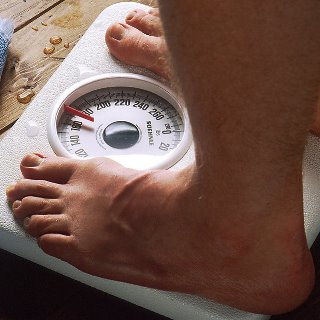
Obesity

obesityObesity is a medical condition in which excess body fat has accumulated to the extent that it may have a negative effect on health. People are generally considered obese when their body mass index (BMI), a measurement obtained by dividing a person's weight by the square of the person's height, is over 30 kg/m2, with the range 25–30 kg/m2 defined as overweight. Some East Asian countries use lower values. Obesity increases the likelihood of various diseases and conditions, particularly cardiovascular diseases, type 2 diabetes, obstructive sleep apnea, certain types of cancer, osteoarthritis and depression.

Obesity is most commonly caused by a combination of excessive food intake, lack of physical activity, and genetic susceptibility. A few cases are caused primarily by genes, endocrine disorders, medications, or mental disorder. The view that obese people eat little yet gain weight due to a slow metabolism is not generally supported. On average, obese people have a greater energy expenditure than their normal counterparts due to the energy required to maintain an increased body mass.

Obesity is mostly preventable through a combination of social changes and personal choices. Changes to diet and exercising are the main treatments. Diet quality can be improved by reducing the consumption of energy-dense foods, such as those high in fat or sugars, and by increasing the intake of dietary fiber. Medications can be used, along with a suitable diet, to reduce appetite or decrease fat absorption. If diet, exercise, and medication are not effective, a gastric balloon or surgery may be performed to reduce stomach volume or length of the intestines, leading to feeling full earlier or a reduced ability to absorb nutrients from food.

Obesity is a leading preventable cause of death worldwide, with increasing rates in adults and children. In 2015, 600 million adults (12%) and 100 million children were obese in 195 countries. Obesity is more common in women than men. Authorities view it as one of the most serious public health problems of the 21st century. Obesity is stigmatized in much of the modern world (particularly in the Western world), though it was seen as a symbol of wealth and fertility at other times in history and still is in some parts of the world. In 2013, the American Medical Association classified obesity as a disease.


  • Bitter melon (Momordica charantia L.) inhibits adipocyte hypertrophy and down regulates lipogenic gene expression in adipose tissue of diet-induced obese rats📎

    Abstract Title:

    Bitter melon (Momordica charantia L.) inhibits adipocyte hypertrophy and down regulates lipogenic gene expression in adipose tissue of diet-induced obese rats.

    Abstract Source:

    Br J Nutr. 2008 Feb;99(2):230-9. Epub 2007 Jul 26. PMID: 17651527

    Abstract Author(s):

    Hui-Ling Huang, Ya-Wen Hong, You-Hong Wong, Ying-Nien Chen, Jong-Ho Chyuan, Ching-Jang Huang, Pei-Min Chao

    Abstract:

    Bitter melon (Momordica charantia; BM) has been shown to ameliorate diet-induced obesity and insulin resistance. To examine the effect of BM supplementation on cell size and lipid metabolism in adipose tissues, three groups of rats were respectively fed a high-fat diet supplemented without (HF group) or with 5 % lyophilised BM powder (HFB group), or with 0.01 % thiazolidinedione (TZD) (HFT group). A group of rats fed a low-fat diet was also included as a normal control. Hyperinsulinaemia and glucose intolerance were observed in the HF group but not in HFT and HFB groups. Although the number of large adipocytes (>180 microm) of both the HFB and HFT groups was significantly lower than that of the HF group, the adipose tissue mass, TAG content and glycerol-3-phosphate dehydrogenase activity of the HFB group were significantly lower than those of the HFT group, implying that BM might reduce lipogenesis in adipose tissue. Experiment 2 was then conducted to examine the expression of lipogenic genes in adipose tissues of rats fed low-fat, HF or HFB diets. The HFB group showed significantly lower mRNA levels of fatty acid synthase, acetyl-CoA carboxylase-1, lipoprotein lipase and adipocyte fatty acid-binding protein than the HF group (P < 0.05). These results indicate BM can reduce insulin resistance as effective as the anti-diabetic drug TZD. Furthermore, BM can suppress the visceral fat accumulation and inhibit adipocyte hypertrophy, which may be associated with markedly down regulated expressions of lipogenic genes in the adipose.

  • Body size and physical exercise, and the risk of multiple sclerosis.

    facebook Share on Facebook
    Abstract Title:

    Body size and physical exercise, and the risk of multiple sclerosis.

    Abstract Source:

    Mult Scler. 2017 Mar 1:1352458517699289. Epub 2017 Mar 1. PMID: 28287051

    Abstract Author(s):

    Marianna Cortese, Trond Riise, Kjetil Bjørnevik, Kjell-Morten Myhr,

    Article Affiliation:

    Marianna Cortese

    Abstract:

    BACKGROUND:Whether large body size increases multiple sclerosis (MS) risk in men is not well understood. Concurrently, physical exercise could be an independent protective factor.

    OBJECTIVE:To prospectively investigate the association between body mass index (BMI) and aerobic fitness, indicators of body size and exercise, and MS risk in men.

    METHODS:We performed a population-based nested case-control study within the historical cohort of all Norwegian men, born in 1950-1975, undergoing mandatory conscription at the age of 19 years. 1016 cases were identified through linkage to the Norwegian MS registry, while 19,230 controls were randomly selected from the cohort. We estimated the effect of BMI and fitness at conscription on MS risk using Cox regression.

    RESULTS:Higher BMI (≥25 vs 18.5-<25 kg/m(2)) was significantly associated with increased MS risk (adjusted relative risk (RRadj) = 1.36, 95% confidence interval (CI): 1.05-1.76). We also found a significant inverse association between aerobic fitness (high vs low) and MS risk independent of BMI (RRadj = 0.69, 95% CI: 0.55-0.88, p-trend = 0.003), remaining similar when men with MS onset within 10 years from conscription were excluded ( p-trend = 0.03).

    CONCLUSION:These findings add weight to evidence linking being overweight to an increased MS risk in men. Furthermore, they suggest that exercise may be an additional modifiable protective factor for MS.

  • Changes in Cycling and Incidence of Overweight and Obesity among Danish Men and Women📎

    facebook Share on Facebook
    Abstract Title:

    Changes in Cycling and Incidence of Overweight and Obesity among Danish Men and Women.

    Abstract Source:

    Med Sci Sports Exerc. 2018 07 ;50(7):1413-1421. PMID: 29443821

    Abstract Author(s):

    Martin Gillies Rasmussen, Kim Overvad, Anne Tjønneland, Majken K Jensen, Lars Østergaard, Anders Grøntved

    Article Affiliation:

    Martin Gillies Rasmussen

    Abstract:

    PURPOSE:Overweight and obesity are associated with increased risk of several noncommunicable diseases and are a growing public health issue. The primary purpose of the current study was to investigate incidence of overweight and obesity according to 5-yr cycling habits. The secondary purpose was to investigate incidence of remission from overweight and obesity according to 5-yr cycling habits.

    METHODS:We analyzed 9014 men and 8661 women without chronic disease who between 1993 and 2003 completed two assessments approximately 5 yr apart. At both assessments, participants reported habitual cycling habits. Also, body weight and waist circumference were measured by a laboratory technician at baseline and self-assessed at second examination. We computed multivariable adjusted odds ratios (OR) with 95% confidence intervals (CI) for development of and remission from abdominal and general overweight and obesity, according to 5-yr cycling habits.

    RESULTS:Continued cycling was associated with lower odds for incidence of abdominal (men,>102 cm; women,>88 cm) and incidence of general (body mass index≥30 kg·m) obesity; compared with no cycling, OR (95% CI) values were 0.82 (0.74-0.91) and 0.74 (0.60-0.92) for abdominal and general obesity, respectively. Also, those who initiated cycling had lower odds for incidence of abdominal obesity; OR (95% CI) was 0.85 (0.73-1.00) relative to no cycling.Although we found no evidence of remission from abdominal and general overweight and obesity according to 5-yr cycling habits, those who continued cycling had significantly larger decreases in waist circumference relative to noncyclists (β coefficient (95% CI), -0.95 cm (-1.56 to -0.33 cm)).

    CONCLUSIONS:Continued cycling compared with no cycling was associated with lower odds for abdominal and general obesity. Also, late-in-life initiation of cycling was associated with lower odds for abdominal obesity relative to no cycling.

  • Chronic Running Exercise Alleviates Early Progression of Nephropathy with Upregulation of Nitric Oxide Synthases and Suppression of Glycation in Zucker Diabetic Rats. 📎

    facebook Share on Facebook
    Abstract Title:

    Chronic Running Exercise Alleviates Early Progression of Nephropathy with Upregulation of Nitric Oxide Synthases and Suppression of Glycation in Zucker Diabetic Rats.

    Abstract Source:

    PLoS One. 2015 ;10(9):e0138037. Epub 2015 Sep 17. PMID: 26379244

    Abstract Author(s):

    Daisuke Ito, Pengyu Cao, Takaaki Kakihana, Emiko Sato, Chihiro Suda, Yoshikazu Muroya, Yoshiko Ogawa, Gaizun Hu, Tadashi Ishii, Osamu Ito, Masahiro Kohzuki, Hideyasu Kiyomoto

    Article Affiliation:

    Daisuke Ito

    Abstract:

    Exercise training is known to exert multiple beneficial effects including renal protection in type 2 diabetes mellitus and obesity. However, the mechanisms regulating these actions remain unclear. The present study evaluated the effects of chronic running exercise on the early stage of diabetic nephropathy, focusing on nitric oxide synthase (NOS), oxidative stress and glycation in the kidneys of Zucker diabetic fatty (ZDF) rats. Male ZDF rats (6 weeks old) underwent forced treadmill exercise for 8 weeks (Ex-ZDF). Sedentary ZDF (Sed-ZDF) and Zucker lean (Sed-ZL) rats served as controls. Exercise attenuated hyperglycemia (plasma glucose; 242± 43 mg/dL in Sed-ZDF and 115 ± 5 mg/dL in Ex-ZDF) with increased insulin secretion (plasma insulin; 2.3 ± 0.7 and 5.3 ± 0.9 ng/mL), reduced albumin excretion (urine albumin; 492 ± 70 and 176 ± 11 mg/g creatinine) and normalized creatinine clearance (9.7 ± 1.4 and 4.5 ± 0.8 mL/min per body weight) in ZDF rats. Endothelial (e) and neuronal (n) NOS expression in kidneys of Sed-ZDF rats were lower compared with Sed-ZL rats (p<0.01), while both eNOS and nNOS expression were upregulated by exercise (p<0.01). Furthermore, exercise decreased NADPH oxidase activity, p47phox expression (p<0.01) andα-oxoaldehydes (the precursors for advanced glycation end products) (p<0.01) in the kidneys of ZDF rats. Additionally, morphometric evidence indicated renal damage was reduced in response to exercise. These data suggest that upregulation of NOS expression, suppression of NADPH oxidase andα-oxoaldehydes in the kidneys may, at least in part, contribute to the renal protective effects of exercise in the early progression of diabetic nephropathy in ZDF rats. Moreover, this study supports the theory that chronic aerobic exercise could be recommended as an effective non-pharmacological therapy for renoprotection in the early stages of type 2 diabetes mellitus and obesity.

  • Cinnamaldehyde supplementation prevents fasting-induced hyperphagia, lipid accumulation, and inflammation in high-fat diet-fed mice.

    facebook Share on Facebook
    Abstract Title:

    Cinnamaldehyde supplementation prevents fasting-induced hyperphagia, lipid accumulation, and inflammation in high-fat diet-fed mice.

    Abstract Source:

    Biofactors. 2016 Mar-Apr;42(2):201-11. Epub 2016 Feb 19. PMID: 26893251

    Abstract Author(s):

    Pragyanshu Khare, Sneha Jagtap, Yachna Jain, Ritesh K Baboota, Priyanka Mangal, Ravneet K Boparai, Kamlesh K Bhutani, Shyam S Sharma, Louis S Premkumar, Kanthi K Kondepudi, Kanwaljit Chopra, Mahendra Bishnoi

    Article Affiliation:

    Pragyanshu Khare

    Abstract:

    Cinnamaldehyde, a bioactive component of cinnamon, is increasingly gaining interest for its preventive and therapeutic effects against metabolic complications like type-2 diabetes. This study is an attempt to understand the effect of cinnamaldehyde in high-fat diet (HFD)-associated increase in fasting-induced hyperphagia and related hormone levels, adipose tissue lipolysis and inflammation, and selected cecal microbial count in mice. Cinnamaldehyde, at 40µM dose, prevented lipid accumulation and altered gene expression toward lipolytic phenotype in 3T3-L1 preadipocyte cell lines. In vivo, cinnamaldehyde coadministration prevented HFD-induced body weight gain, decreased fasting-induced hyperphagia, as well as circulating leptin and leptin/ghrelin ratio. In addition to that, cinnamaldehyde altered serum biochemical parameters related to lipolysis, that is, glycerol and free fatty acid levels. At transcriptional level, cinnamaldehyde increased anorectic gene expression in hypothalamus and lipolytic gene expression in visceral white adipose tissue. Furthermore, cinnamaldehyde also decreased serum IL-1β and inflammatory gene expression in visceral white adipose tissue. However, cinnamaldehyde did not modulate the population of selected gut microbial (Lactobacillus, Bifidibaceria, and Roseburia) count in cecal content. In conclusion, cinnamaldehyde increased adipose tissue lipolysis, decreased fasting-induced hyperphagia, normalized circulating levels of leptin/ghrelin ratio, and reduced inflammation in HFD-fed mice, which augurs well for its antiobesity role.

  • Cleaning products could be causing infants' obesity epidemic

    facebook Share on Facebook
    Cleaning products could be causing infants' obesity epidemic image

    Household cleaners and disinfectants could be the cause of the obesity epidemic among infants and toddlers.

    The products change the children's gut microbiome which helps regulate their weight, new research has discovered. The only safe cleaning agents to use are eco-friendly ones, which don't have the same bad effects.

    Infants who live in homes that use standard disinfectants at least once a week were twice as likely to have higher levels of gut microbes, known as Lachnospiraceae, which are linked to weight gain.

    Children who were overweight or obese by the time they were three years of age already had changed bacteria in their gut, known as the microbiome, when they were four months old.

    Canadian researchers found a direct link between a changed gut microbiome—with a depletion of bacteria such as Haemophilus and Clostridium and an increase of Lachnospiraceae—and the number of times that disinfectants, such as multi-surface cleaners, were used around the home.

  • Clinical Inquiries: Does breastfeeding affect the risk of childhood obesity? ?

    facebook Share on Facebook
    Abstract Title:

    Clinical Inquiries: Does breastfeeding affect the risk of childhood obesity?

    Abstract Source:

    J Fam Pract. 2016 Dec ;65(12):931-932. PMID: 28149981

    Abstract Author(s):

    Lindsay Gunnell, Jon Neher, Sarah Safranek

    Article Affiliation:

    Lindsay Gunnell

    Abstract:

    Ever having breastfed during the first year of life is associated with a 15% lower risk of overweight or obesity over the next 2 to 14 years compared with never having breastfed. Breastfeeding exclusively for 6 months is associated with a 30% to 50% reduction in risk.

  • Consumption of Spinacia Oleracea (spinach) and aerobic exercise controls obesity in rats by an inhibitory action on pancreatic lipase.

    facebook Share on Facebook
    Abstract Title:

    Consumption of Spinacia Oleracea (spinach) and aerobic exercise controls obesity in rats by an inhibitory action on pancreatic lipase.

    Abstract Source:

    Arch Physiol Biochem. 2018 Sep 29:1-8. Epub 2018 Sep 29. PMID: 30270679

    Abstract Author(s):

    Vandana Panda, Priyanka Shinde, Payal Dande

    Article Affiliation:

    Vandana Panda

    Abstract:

    CONTEXT:Spinaciaoleracea (spinach) is abundant in antioxidant phytoconstituents, termed as the natural antioxidant mixture (NAO).

    OBJECTIVE:This study evaluates the anti-hyperlipidemicand anti-obesity effects of an antioxidant-rich extract of Spinaciaoleracea (NAOE) and aerobic exercise (AE) in rats fed with high fat diet (HFD).

    METHODS:Rats received NAOE (200 and 400 mg/kg), the standard drug orlistat (10 mg/kg), AE and NAOEAE (NAOE 400 mg/kg + AE) daily with HFD for 21 d.

    RESULTS:Orlistat, NAOE and NAOEAE treatments to HFD-fed rats significantly reduced the HFD-elevated food intake, weight gain, pancreatic lipase activity and lipid peroxidation, and successfully restored the HFD-skewed lipid profile and antioxidant levels.

    CONCLUSIONS:It may be concluded that NAOE exhibited a promising anti-hyperlipidemic effect by its inhibitory action on pancreatic lipase. The combination treatment NAOEAE produced the best results indicating the essential role of exercise along with consumption of antioxidant-rich foods in maintaining a normal lipid profile and controlling obesity.

  • Culturally specific dance to reduce obesity in African American women📎

    facebook Share on Facebook
    Abstract Title:

    Culturally specific dance to reduce obesity in African American women.

    Abstract Source:

    Health Promot Pract. 2010 Jul;11(4):465-73. Epub 2008 Dec 19. PMID: 19098267

    Abstract Author(s):

    Carolyn J Murrock, Faye A Gary

    Article Affiliation:

    Frances Payne Bolton School of Nursing, Case Western Reserve University, Cleveland, Ohio, USA.

    Abstract:

    This article provides evidence of a culturally specific dance intervention to decrease obesity as measured by body fat and body mass index (BMI) in African American women. A community partnership was formed with two African American churches to develop an intervention to address the issue of obesity. The culturally specific dance intervention was delivered two times per week for 8 weeks, choreographed to gospel music selected by the experimental group participants, and taught by an African American woman. Body fat and BMI were assessed at three time points and revealed significant differences between the two groups. Attending a minimum of 7 classes was enough to show an observed dose effect and the intervention was found to be culturally specific by understanding their roles as African American women. This community partnership was an effective way to promote a church-based, culturally specific dance intervention to improve the health of African American women.

  • Curcumin Mimics the Neurocognitive and Anti-Inflammatory Effects of Caloric Restriction in a Mouse Model of Midlife Obesity📎

    Abstract Title:

    Curcumin Mimics the Neurocognitive and Anti-Inflammatory Effects of Caloric Restriction in a Mouse Model of Midlife Obesity.

    Abstract Source:

    PLoS One. 2015 ;10(10):e0140431. Epub 2015 Oct 16. PMID: 26473740

    Abstract Author(s):

    Marjana Rahman Sarker, Susan Franks, Nathalie Sumien, Nopporn Thangthaeng, Frank Filipetto, Michael Forster

    Article Affiliation:

    Marjana Rahman Sarker

    Abstract:

    Dietary curcumin was studied for its potential to decrease adiposity and reverse obesity- associated cognitive impairment in a mouse model of midlife sedentary obesity. We hypothesized that curcumin intake, by decreasing adiposity, would improve cognitive function in a manner comparable to caloric restriction (CR), a weight loss regimen. 15-month-old male C57BL/6 mice were assigned in groups to receive the following dietary regimens for 12 weeks: (i) a base diet (Ain93M) fed ad libitum (AL), (ii) the base diet restricted to 70% of ad libitum (CR) or (iii) the base diet containing curcumin fed AL (1000 mg/kg diet, CURAL). Blood markers of inflammation, interleukin 6 (IL-6) and C-reactive protein (CRP), as well as an indicator of redox stress (GSH: GSSG ratio), were determined at different time points during the treatments, and visceral and subcutaneous adipose tissue were measured upon completion of the experiment. After 8 weeks of dietary treatment, the mice were tested for spatial cognition (Morris water maze) and cognitive flexibility (discriminated active avoidance). The CR group showed significant weight loss and reduced adiposity, whereas CURAL mice had stable weight throughout the experiment, consumed more food than the AL group, with no reduction of adiposity. However, both CR and CURAL groups took fewer trials than AL to reach criterion during the reversal sessions of the active avoidance task, suggesting an improvement in cognitive flexibility. The AL mice had higher levels of CRP compared to CURAL and CR, and GSH as well as the GSH: GSSG ratio were increased during curcumin intake, suggesting a reducing shift in the redox state. The results suggest that, independent of their effects on adiposity; dietary curcumin and caloric restriction have positive effects on frontal cortical functions that could be linked to anti-inflammatory or antioxidant actions.

  • Cycling to school is associated with lower BMI and lower odds of being overweight or obese in a large population-based study of Danish adolescents.

    facebook Share on Facebook
    Abstract Title:

    Cycling to school is associated with lower BMI and lower odds of being overweight or obese in a large population-based study of Danish adolescents.

    Abstract Source:

    J Phys Act Health. 2012 Jul ;9(5):617-25. PMID: 22733866

    Abstract Author(s):

    Lars Østergaard, Anders Grøntved, Line Anita B Børrestad, Karsten Froberg, Michael Gravesen, Lars B Andersen

    Article Affiliation:

    Lars Østergaard

    Abstract:

    BACKGROUND:Previous studies have been inconclusive concerning the effect of active transport on BMI. Our objective was to investigate the association between travel mode and BMI in a large community-based sample of Danish adolescents.

    METHODS:A cross-sectional survey on health and lifestyle was distributed to all pupils from the 7th to 9th grade (12-16 years of age) in the municipality of Odense, Denmark.

    RESULTS:Cycling to school was associated with 0.38 lower BMI compared to passive travelers (P = .006) after multivariable adjustment. Cycling to school was associated with 0.55 lower odds of being overweight (P<.001) and 0.30 lower (P<.001) odds of being obese compared to individuals using passive transport. Walking to school was associated with 0.65 lower odds of being overweight (P = .006). Post hoc pairwise comparisons of ethnicity revealed that adolescents of foreign ethnicity were more likely to be walkers or passive commuters (75.14% vs. 29.72%) than cyclists (24.86% vs. 70.28%; P<.001) compared to subjects of Danish ethnicity.

    CONCLUSIONS:Cycling to school was associated with lower BMI and lower odds of being overweight or obese compared to passive travel in Danish adolescents, whereas walking to school was associated with lower odds of being overweight.

  • Dance and reducing television viewing to prevent weight gain in African-American girls: the Stanford GEMS pilot study.

    facebook Share on Facebook
    Abstract Title:

    Dance and reducing television viewing to prevent weight gain in African-American girls: the Stanford GEMS pilot study.

    Abstract Source:

    Ethn Dis. 2003;13(1 Suppl 1):S65-77. PMID: 12713212

    Abstract Author(s):

    Thomas N Robinson, Joel D Killen, Helena C Kraemer, Darrell M Wilson, Donna M Matheson, William L Haskell, Leslie A Pruitt, Tiffany M Powell, Ayisha S Owens, Nikko S Thompson, Natasha M Flint-Moore, GeAndra J Davis, Kara A Emig, Rebecca T Brown, James Rochon, Sarah Green, Ann Varady

    Article Affiliation:

    Division of General Pediatrics, Department of Pediatrics, The Stanford Center for Research in Disease Prevention, Palo Alto, CA 94304, USA. This email address is being protected from spambots. You need JavaScript enabled to view it.

    Abstract:

    OBJECTIVE: To test the feasibility, acceptability, and potential efficacy of after-school dance classes and a family-based intervention to reduce television viewing, thereby reducing weight gain, among African-American girls.

    DESIGN: Twelve-week, 2-arm parallel group, randomized controlled trial.

    SETTING: Low-income neighborhoods. PARTICIPANTS: Sixty-one 8-10-year-old African-American girls and their parents/guardians. INTERVENTIONS: The treatment intervention consisted of after-school dance classes at 3 community centers, and a 5-lesson intervention, delivered in participants' homes, and designed to reduce television, videotape, and video game use. The active control intervention consisted of disseminating newsletters and delivering health education lectures.

    MAIN OUTCOME MEASURES: Implementation and process measures, body mass index, waist circumference, physical activity measured by accelerometry, self-reported media use, and meals eaten with TV.

    RESULTS: Recruitment and retention goals were exceeded. High rates of participation were achieved for assessments and intervention activities, except where transportation was lacking. All interventions received high satisfaction ratings. At follow up, girls in the treatment group, as compared to the control group, exhibited trends toward lower body mass index (adjusted difference = -.32 kg/m2, 95% confidence interval [CI] -.77, .12; Cohen's d = .38 standard deviation units) and waist circumference (adjusted difference = -.63 cm, 95% CI -1.92, .67; d = .25); increased after-school physical activity (adjusted difference = 55.1 counts/minute, 95% CI -115.6, 225.8; d = .21); and reduced television, videotape, and video game use (adjusted difference = -4.96 hours/week, 95% CI -11.41, 1.49; d = .40). The treatment group reported significantly reduced household television viewing (d = .73, P = .007) and fewer dinners eaten while watching TV (adjusted difference = -1.60 meals/week, 95% CI -2.99, -.21; d = .59; P = .03). Treatment group girls also reported less concern about weight (d = .60; P = .03), and a trend toward improved school grades (d = .51; P = .07).

    CONCLUSIONS: This study confirmed the feasibility, acceptability, and potential efficacy of using dance classes and a family-based intervention to reduce television viewing, thereby reducing weight gain, in African-American girls.

  • Defining Adult Overweight and Obesity

    Weight that is higher than what is considered as a healthy weight for a given height is described as overweight or obese. Body Mass Index, or BMI, is used as a screening tool for overweight or obesity.

    Adult Body Mass Index (BMI)

    Body Mass Index (BMI) is a person's weight in kilograms divided by the square of height in meters. A high BMI can be an indicator of high body fatness.

    To calculate BMI, see the Adult BMI Calculator or determine BMI by finding your height and weight in this BMI Index Chart.

    • If your BMI is less than 18.5, it falls within the underweight range.
    • If your BMI is 18.5 to <25, it falls within the normal.
    • If your BMI is 25.0 to <30, it falls within the overweight range.
    • If your BMI is 30.0 or higher, it falls within the obese range.

    Obesity is frequently subdivided into categories:

    • Class 1: BMI of 30 to < 35
    • Class 2: BMI of 35 to < 40
    • Class 3: BMI of 40 or higher. Class 3 obesity is sometimes categorized as “extreme” or “severe” obesity.

    Note: At an individual level, BMI can be used as a screening tool but is not diagnostic of the body fatness or the health of an individual. A trained healthcare provider should perform appropriate health assessments in order to evaluate an individual's health status and risks.

    See the following table for an example.

    HeightWeight RangeBMIConsidered
    5' 9" 124 lbs or less Below 18.5 Underweight
    125 lbs to 168 lbs 18.5 to 24.9 Healthy weight
    169 lbs to 202 lbs 25.0 to 29.9 Overweight
    203 lbs or more 30 or higher Obese
    271 lbs or more 40 or higher Class 3 Obese

    BMI does not measure body fat directly, but research has shown that BMI is moderately correlated with more direct measures of body fat obtained from skinfold thickness measurements, bioelectrical impedance, underwater weighing, dual energy x-ray absorptiometry (DXA) and other methods 1,2,3. Furthermore, BMI appears to be strongly correlated with various adverse health outcomes consistent with these more direct measures of body fatness 4,5,6,7,8,9.

    For more information about BMI, visit Body Mass Index .

    Definitions for Children and Teens

    References

    1Garrow, J.S. & Webster, J., 1985. Quetelet’s index (W/H2) as a measure of fatness. Int. J. Obes., 9(2), pp.147–153.

    2Freedman, D.S., Horlick, M. & Berenson, G.S., 2013. A comparison of the Slaughter skinfold-thickness equations and BMI in predicting body fatness and cardiovascular disease risk factor levels in children. Am. J. Clin. Nutr., 98(6), pp.1417–24.

    3Wohlfahrt-Veje, C. et al., 2014. Body fat throughout childhood in 2647 healthy Danish children: agreement of BMI, waist circumference, skinfolds with dual X-ray absorptiometry. Eur. J. Clin. Nutr., 68(6), pp.664–70.

    4Steinberger, J. et al., 2005. Comparison of body fatness measurements by BMI and skinfolds vs dual energy X-ray absorptiometry and their relation to cardiovascular risk factors in adolescents. Int. J. Obes., 29(11), pp.1346–1352.

    5Sun, Q. et al., 2010. Comparison of dual-energy x-ray absorptiometric and anthropometric measures of adiposity in relation to adiposity-related biologic factors. Am. J. Epidemiol., 172(12), pp.1442–1454.

    6Lawlor, D.A. et al., 2010. Association between general and central adiposity in childhood, and change in these, with cardiovascular risk factors in adolescence: prospective cohort study. BMJ, 341, p.c6224.

    7Flegal, K.M. & Graubard, B.I., 2009. Estimates of excess deaths associated with body mass index and other anthropometric variables. Am. J. Clin. Nutr., 89(4), pp.1213–1219.

    8Freedman, D.S. et al., 2009. Relation of body mass index and skinfold thicknesses to cardiovascular disease risk factors in children: the Bogalusa Heart Study. Am. J. Clin. Nutr., 90(1), pp.210–216.

    9Willett, K. et al., 2006. Comparison of bioelectrical impedance and BMI in predicting obesity-related medical conditions. Obes. (Silver Spring), 14(3), pp.480–490.


    https://www.cdc.gov/obesity/adult/defining.html

  • Diet and asthma: has the role of dietary lipids been overlooked in the management of asthma?

    Abstract Title:

    Diet and asthma: has the role of dietary lipids been overlooked in the management of asthma?

    Abstract Source:

    Ann Allergy Asthma Immunol. 2003 Apr;90(4):371-7; quiz 377-8, 421. PMID: 12722956

    Abstract Author(s):

    Sheldon L Spector, Marc E Surette

    Article Affiliation:

    University of California-Los Angeles, Los Angeles, California, USA. This email address is being protected from spambots. You need JavaScript enabled to view it.

    Abstract:

    OBJECTIVE: This article discusses the role of diet in the management of asthma. Readers will gain an understanding of how evolution of the western diet has contributed to increased asthma prevalence and how dietary modification that includes management of dietary lipids may reduce symptoms of asthma.

    DATA SOURCES: Relevant studies published in English were reviewed.

    STUDY SELECTION: Medline search to identify peer-reviewed abstracts and journal articles.

    RESULTS: Asthma and obesity, which often occur together, have increased in prevalence in recent years. Studies suggest adaption of a western diet has not only contributed to obesity, but that increased intake of specific nutrients can cause changes in the frequency and severity of asthma. Increased asthma prevalence has also been proposed to arise from increased exposure to diesel particles or lack of exposure to infectious agents or endotoxins during childhood, generating a biased Th2 immune response, and increased cytokine and leukotriene production. Antagonists directed against these pro-inflammatory mediators include anticytokines and antileukotrienes. A reduction in the levels of inflammatory mediators associated with asthma has also been seen with dietary interventions, such as the administration of oils containing gamma-linolenic acid and eicosapentaenoic acid.

    CONCLUSIONS: Evidence suggests elevated body mass index and dietary patterns, especially intake of dietary lipids, contribute to symptoms of asthma. Dietary modification may help patients manage their asthma as well as contribute to their overall health.

  • Diet and exercise orthogonally alter the gut microbiome and reveal independent associations with anxiety and cognition📎

    facebook Share on Facebook
    Abstract Title:

    Diet and exercise orthogonally alter the gut microbiome and reveal independent associations with anxiety and cognition.

    Abstract Source:

    Mol Neurodegener. 2014 ;9:36. Epub 2014 Sep 13. PMID: 25217888

    Abstract Author(s):

    Silvia S Kang, Patricio R Jeraldo, Aishe Kurti, Margret E Berg Miller, Marc D Cook, Keith Whitlock, Nigel Goldenfeld, Jeffrey A Woods, Bryan A White, Nicholas Chia, John D Fryer

    Article Affiliation:

    Silvia S Kang

    Abstract:

    BACKGROUND:The ingestion of a high-fat diet (HFD) and the resulting obese state can exert a multitude of stressors on the individual including anxiety and cognitive dysfunction. Though many studies have shown that exercise can alleviate the negative consequences of a HFD using metabolic readouts such as insulin and glucose, a paucity of well-controlled rodent studies have been published on HFD and exercise interactions with regard to behavioral outcomes. This is a critical issue since some individuals assume that HFD-induced behavioral problems such as anxiety and cognitive dysfunction can simply be exercised away. To investigate this, we analyzed mice fed a normal diet (ND), ND with exercise, HFD diet, or HFD with exercise.

    RESULTS:We found that mice on a HFD had robust anxiety phenotypes but this was not rescued by exercise. Conversely, exercise increased cognitive abilities but this was not impacted by the HFD. Given the importance of the gut microbiome in shaping the host state, we used 16S rRNA hypervariable tag sequencing to profile our cohorts and found that HFD massively reshaped the gut microbial community in agreement with numerous published studies. However, exercise alone also caused massive shifts in the gut microbiome at nearly the same magnitude as diet but these changes were surprisingly orthogonal. Additionally, specific bacterial abundances were directly proportional to measures of anxiety or cognition.

    CONCLUSIONS:Thus, behavioral domains and the gut microbiome are both impacted by diet and exercise but in unrelated ways. These data have important implications for obesity research aimed at modifications of the gut microbiome and suggest that specific gut microbes could be used as a biomarker for anxiety or cognition or perhaps even targeted for therapy.

  • Does Green Tea Extract Enhance the Anti-inflammatory Effects of Exercise on Fat Loss?

    facebook Share on Facebook
    Abstract Title:

    Does Green Tea Extract Enhance the Anti-inflammatory Effects of Exercise on Fat Loss?

    Abstract Source:

    Br J Clin Pharmacol. 2019 Nov 20. Epub 2019 Nov 20. PMID: 31747468

    Abstract Author(s):

    Reza Bagheri, Amir Rashidlamir, Damoon Ashtary-Larky, Alexei Wong, Meysam Alipour, Mohamad S Motevalli, Amel Chebbi, Ismail Laher, Hassane Zouhal

    Article Affiliation:

    Reza Bagheri

    Abstract:

    AIMS:Green tea extract (GTE) can exert anti-obesity and inflammatory effects. Our study determined whether the benefits of GTE are summative with exercise-induced changes in anthropometric indices, and the levels of inflammatory cytokines, adiponectin and irisin in inactive overweight women.

    METHODS:Thirty overweight female participants were randomized to three groups: endurance training + placebo (ET+P); endurance training + GTE (ET +GTE); and Control (no exercise) + placebo (Control, N=10). The exercise intervention consisted of an eight-week endurance-training program of three sessions per week [aerobics, aerobic circuit training, and fast walking or jogging at a moderate intensity of 40-59% of the heart rate reserve]. The dose of GTE used was 500 mg/d in the form of a green tea capsule.

    RESULTS:Body weight, body mass index (BMI), waist to hip ratio (WHR), and body fat percentage (BFP) were decreased in both ET+P and ET+GTE interventions (P<0.001 for both interventions). The reduction of anthropometric values in the ET+GTE group was significantly higher than ET+P interventions (P<0.001). Both exercise interventions also significantly (P<0.001) increased adiponectin [ET +GTE= 5.28 mg/ml (95% CI, 4.48 to 6.08) and ET+P= 3.34 mg/ml (95% CI, 2.76 to 3.92)] and decreased hs-CRP [ET +GTE= -0.95 mg/l (95% CI, -1.15 to -0.75) and ET+P= -0.35 mg/l (95% CI, -0.46 to -0.24)]. Changes in adiponectin and hs-CRP were greater (P<0.05) in ET+GTE compared to ET+P. There were no significant differences in irisin, IL-6, and TNF-α between the three groups (P>0.05).

    CONCLUSIONS:GTE improves exercise-induced body composition by further decreasing exercise-induced changes in weight, BMI, WHR, and BFP. The combination of GTE and exercise also produced greater changes in anti-inflammatory (increases in adiponectin) and metabolic (decreases in hs-CRP) markers than exercise alone.

  • Effect of 4 weeks of Pilates on the body composition of young girls.

    facebook Share on Facebook
    Abstract Title:

    Effect of 4 weeks of Pilates on the body composition of young girls.

    Abstract Source:

    Prev Med. 2006 Mar;42(3):177-80. Epub 2005 Dec 27. PMID: 16376979

    Abstract Author(s):

    Russell Jago, Mariëlle L Jonker, Mariam Missaghian, Tom Baranowski

    Article Affiliation:

    Department of Exercise and Health Sciences, Centre for Sport, Exercise and Health, University of Bristol, Tyndall Avenue, Bristol, BS8 1TP, UK. This email address is being protected from spambots. You need JavaScript enabled to view it.

    Abstract:

    BACKGROUND: There is a need to find ways to increase the physical activity levels and improve the body composition and blood pressure of girls. METHODS: Thirty 11-year-old girls were recruited from two after school programs in Houston Texas in Spring 2005. Participants from one program (16) were randomly assigned to intervention, the other (14) served as controls. BMI, BMI percentile, waist circumference and blood pressure were assessed before and after the intervention. Pilates classes were provided free of charge for an hour per day at the intervention site, 5 days a week, for 4 weeks. Four participants wore heart rate monitors during every session and completed enjoyment and perceived exertion questionnaires. Repeated measures analysis of variance with time (within) and group (between) as factors was performed. RESULTS: Mean attendance was 75%, mean heart rate 104 bpm, mean perceived exertion 5.9 (1-10 scale) and enjoyment 4.4 (1-5 scale). There was a significant (P = 0.039) time by group interaction for BMI percentile. Graphs indicated that this difference was influenced by large reductions in the BMI percentile of healthy girls. CONCLUSIONS: Girls enjoyed Pilates, and participation for 4 weeks lowered BMI percentile. Pilates holds promise as a means of reducing obesity.

  • Effect of a high-fat Mediterranean diet on bodyweight and waist circumference: a prespecified secondary outcomes analysis of the PREDIMED randomised controlled trial.

    facebook Share on Facebook
    Abstract Title:

    Effect of a high-fat Mediterranean diet on bodyweight and waist circumference: a prespecified secondary outcomes analysis of the PREDIMED randomised controlled trial.

    Abstract Source:

    Lancet Diabetes Endocrinol. 2016 Jun 6. Epub 2016 Jun 6. PMID: 27283479

    Abstract Author(s):

    Ramon Estruch, Miguel Angel Martínez-González, Dolores Corella, Jordi Salas-Salvadó, Montserrat Fitó, Gemma Chiva-Blanch, Miquel Fiol, Enrique Gómez-Gracia, Fernando Arós, José Lapetra, Lluis Serra-Majem, Xavier Pintó, Pilar Buil-Cosiales, José V Sorlí, Miguel A Muñoz, Josep Basora-Gallisá, Rosa María Lamuela-Raventós, Mercè Serra-Mir, Emilio Ros,

    Article Affiliation:

    Ramon Estruch

    Abstract:

    BACKGROUND:Because of the high density of fat, high-fat diets are perceived as likely to lead to increased bodyweight, hence health-care providers are reluctant to recommend them to overweight or obese individuals. We assessed the long-term effects of ad libitum, high-fat, high-vegetable-fat Mediterranean diets on bodyweight and waist circumference in older people at risk of cardiovascular disease, most of whom were overweight or obese.

    METHODS:PREDIMED was a 5 year parallel-group, multicentre, randomised, controlled clinical trial done in primary care centres affiliated to 11 hospitals in Spain. 7447 asymptomatic men (aged 55-80 years) and women (aged 60-80 years) who had type 2 diabetes or three or more cardiovascular risk factors were randomly assigned (1:1:1) with a computer-generated number sequence to one of three interventions: Mediterranean diet supplemented with extra-virgin olive oil (n=2543); Mediterranean diet supplemented with nuts (n=2454); or a control diet (advice to reduce dietary fat; n=2450). Energy restriction was not advised, nor was physical activity promoted. In this analysis of the trial, we measured bodyweight and waist circumference at baseline and yearly for 5 years in the intention-to-treat population. The PREDIMED trial is registered with ISRCTN.com, number ISRCTN35739639.

    FINDINGS:After a median 4·8 years (IQR 2·8-5·8) of follow-up, participants in all three groups had marginally reduced bodyweight and increased waist circumference. The adjusted difference in 5 year changes in bodyweight in the Mediterranean diet with olive oil group was -0·43 kg (95% CI -0·86 to -0·01; p=0·044) and in the nut group was -0·08 kg (-0·50 to 0·35; p=0·730), compared with the control group. The adjusted difference in 5 year changes in waist circumference was -0·55 cm (-1·16 to -0·06; p=0·048) in the Mediterranean diet with olive oil group and -0·94 cm (-1·60 to -0·27; p=0·006) in the nutgroup, compared with the control group.

    INTERPRETATION:A long-term intervention with an unrestricted-calorie, high-vegetable-fat Mediterranean diet was associated with decreases in bodyweight and less gain in central adiposity compared with a control diet. These results lend support to advice not restricting intake of healthy fats for bodyweight maintenance.

    FUNDING:Spanish Government, CIBERobn, Instituto de Salud Carlos III, Hojiblanca, Patrimonio Comunal Olivarero, California Walnut Commission, Borges SA, and Morella Nuts.

  • Effect of a low glycemic load on body composition and Homeostasis Model Assessment (HOMA) in overweight and obese subjects📎

    Abstract Title:

    Effect of a low glycemic load on body composition and Homeostasis Model Assessment (HOMA) in overweight and obese subjects.

    Abstract Source:

    Nutr Hosp. 2011 Feb;26(1):170-175. PMID: 21519744

    Abstract Author(s):

    A L Armendáriz-Anguiano, A Jiménez-Cruz, M Bacardí-Gascón, L Hurtado-Ayala

    Article Affiliation:

    Medicine and Psychology School, Universidad Auntónoma de Baja California, Tijuana, Baja California, Mexico.

    Abstract:

    Objective: The aim of this study was to compare the effects of different glycemic load diets on biochemical data and body composition, in overweight and obese subjects, during a 6-month period.

    Research design and methods: This study was an experimental, randomized, parallel design. Anthropo-metric measurements and biochemical data were measured at baseline at 3 and at 6 months. All subjects completed 3-day dietary intake diaries at the baseline period and during the third and the sixth months. At the sixth month, LGL group had a mean intake of 1,360± 300 kcal/day and the high glycemic load group (HGL) had a mean intake of 1,544 ± 595 kcal/day.

    Results: LGL group obtained a weight reduction of 4.5% (p = 0.006) and the HGL group of 3.0% (p = 0.18). Significant reductions in waist circumference (5%, p = 0.001) of the LGL group were observed, 10% of body fat percentage (p = 0.001), 4.3 kg (13%) of body fat (p = 0.001), 14% of total cholesterol (p=0.007), 35% of high-density lipoproteins (HDL) (p = 0.001), and 10% of HOMA (p = 0.009). In the HGL group, reductions of 4.5% of waist circumference (p = 0.02), 37% of HDL (p = 0.002), and an increase of 8 % of LDL (p = 0.04) were observed.

    Conclusions: These results suggest that long term LGL diets are more effective for reducing body mass index, body fat, waist circumference and HOMA and, therefore, may contribute in the prevention of diabetes.

  • Effect of abdominal acupuncture therapy on the endocrine and metabolism in obesity-type polycystic ovarian syndrome patients

    facebook Share on Facebook
    Abstract Title:

    [Effect of abdominal acupuncture therapy on the endocrine and metabolism in obesity-type polycystic ovarian syndrome patients].

    Abstract Source:

    Zhen Ci Yan Jiu. 2010 Aug;35(4):298-302. PMID: 21090334

    Abstract Author(s):

    Mao-Hua Lai, Hong-Xia Ma, Hong Yao, Hua Liu, Xing-Hua Song, Wan-Yi Huang, Xiao-Ke Wu

    Article Affiliation:

    The First Affiliated Hospital of Guangzhou Medical College, Guangzhou 510120, China. This email address is being protected from spambots. You need JavaScript enabled to view it.

    Abstract:

    OBJECTIVE:To observe the effect of abdominal acupuncture on the endocrine and metabolic level in obesity-type polycystic ovarian syndrome (PCOS) patients.

    METHODS:Eighty-six PCOS patients were randomly and equally divided into medication group and abdominal acupuncture group. Patients of medication group were treated with metformin (250 mg/time, t.i. d. in the 1st week, and 500 mg/time, t.i.d. thereafter) for 6 months,and those of abdominal acupuncture group were treated by abdominal acupuncture [Zhongwan (CV 12), Liangmen (ST 21), etc., once daily for 6 months]. Changes of the body height, body Mass index (BMI), waist-hip ratio (WHR), Ferriman-Galleey score (FGS), menstrual frequency (MF) and ovarian volume (OV) were determined. Serum luteotrophic hormone (LH), free testosterone (T), follicle-stimulating hormone (FSH) contents were detected with radioimmunoassay. Fasting blood glucose (FBG), fasting insulin (FIN), total cholesterol (TC), triglyceride (TG), low density lipoprotein cholesterol (LDL-C), high density lipoprotein cholesterol (HDL-C), Homa insulin resistance index (IRI) were detected with chromatometry respectively.

    RESULTS:After the treatment, BMI, WHR, FGS and OV were reduced significantly in both medication and abdominal acupuncture groups (P<0.05), while MF of the two groups increased evidently (P<0.05), and the effects of abdominal acupuncture group were significantly superior to those of medication group in down-regulating BMI, WHR and upregulating MF (P<0.05). Regarding the reproductive hormons, serum LH, LH/FSH and T levels in the two groups decreased significantly (P<0.05), and the effect of abdominal acupuncture was superior to that of medication group in reducing serum T level (P<0.05). Following the treatment, FBG, BG and FIN and INS contents 2 h after meal,and Homa IR in both medication and abdominal acupuncture groups all decreased considerably (P<0.05), but without significant differences between them (P>0.05). Regarding the blood lipid levels after the treatment, serum TC, TG, and LDL-C levels of the two groups decreased significantly (P<0.05), while serum HDL-C level increased remarkably (P<0.05), without significant differences between the two groups in these indexes (P>0.05).

    CONCLUSION:Abdominal acupuncture treatment can improve the endocrine and metabolic function of patients with obesity-type PCOS.