CYBERMED LIFE - ORGANIC  & NATURAL LIVING
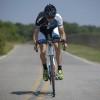
Exercise Cycling

Exercise Cycling: Cycling, also called bicycling or biking, is the use of bicycles for transport, recreation, exercise or sport. People engaged in cycling are referred to as "cyclists", "bikers", or less commonly, as "bicyclists". Apart from two-wheeled bicycles, "cycling" also includes the riding of unicycles, tricycles, quadracycles, recumbent and similar human-powered vehicles (HPVs).

Bicycles were introduced in the 19th century and now number approximately one billion worldwide. They are the principal means of transportation in many parts of the world.

Cycling is widely regarded as a very effective and efficient mode of transportation optimal for short to moderate distances.

Bicycles provide numerous benefits in comparison with motor vehicles, including the sustained physical exercise involved in cycling, easier parking, increased maneuverability, and access to roads, bike paths and rural trails. Cycling also offers a reduced consumption of fossil fuels, less air or noise pollution, and much reduced traffic congestion. These lead to less financial cost to the user as well as to society at large (negligible damage to roads, less road area required). By fitting bicycle racks on the front of buses, transit agencies can significantly increase the areas they can serve.

Among the disadvantages of cycling are the requirement of bicycles (excepting tricycles or quadracycles) to be balanced by the rider in order to remain upright, the reduced protection in crashes in comparison to motor vehicles, often longer travel time (except in densely populated areas), vulnerability to weather conditions, difficulty in transporting passengers, and the fact that a basic level of fitness is required for cycling moderate to long distances.


  • Pomegranate Extract Improves Maximal Performance of Trained Cyclists after an Exhausting Endurance Trial: A Randomised Controlled Trial📎

    facebook Share on Facebook
    Abstract Title:

    Pomegranate Extract Improves Maximal Performance of Trained Cyclists after an Exhausting Endurance Trial: A Randomised Controlled Trial.

    Abstract Source:

    Nutrients. 2019 Mar 28 ;11(4). Epub 2019 Mar 28. PMID: 30925733

    Abstract Author(s):

    Antonio Torregrosa-García, Vicente Ávila-Gandía, Antonio J Luque-Rubia, María Salud Abellán-Ruiz, María Querol-Calderón, F Javier López-Román

    Article Affiliation:

    Antonio Torregrosa-García

    Abstract:

    The efficacy of pomegranate () extract (PE) for improving performance and post-exercise recovery in an active population was equivocal in previous studies. In this study, a randomised, double-blinded, placebo-controlled, balanced, cross-over trial with two arms was conducted. Eligibility criteria for participants were as follows: male, amateur cyclist, with a training routine of 2 to 4 sessions per week (at least one hour per session). The cyclists (= 26) were divided into treatment (PE) and placebo (PLA) groups for a period of 15 days. After physical tests, the groups were exchanged after a 14-day washout period. Exercise tests consisted of endurance bouts (square-wave endurance exercise test followed by an incremental exercise test to exhaustion) and an eccentric exercise drill. The objective was to assess the efficacy of PE in performance outcomes and post-exercise muscular recovery and force restoration after a prolonged submaximal effort. Twenty-six participants were included for statistical analysis. There was a statistically significant difference in total time to exhaustion (TTE)(17.66⁻170.94 s,<0.02) and the time to reach ventilatory threshold 2 (VT2)(26.98⁻82.55 s,<0.001), with greater values for the PE compared to the PLA group. No significant results were obtained for force restoration in the isokinetic unilateral low limb test. PE, after a prolonged submaximal effort, may be effective in improving performance outcomes at maximal effort and might help to restore force in the damaged muscles.

  • Potential of electric bicycles to improve the health of people with Type 2 diabetes: a feasibility study📎

    facebook Share on Facebook
    Abstract Title:

    Potential of electric bicycles to improve the health of people with Type 2 diabetes: a feasibility study.

    Abstract Source:

    Diabet Med. 2018 May 8. Epub 2018 May 8. PMID: 29738609

    Abstract Author(s):

    A R Cooper, B Tibbitts, C England, D Procter, A Searle, S J Sebire, E Ranger, A S Page

    Article Affiliation:

    A R Cooper

    Abstract:

    AIM:To explore in a feasibility study whether 'e-cycling' was acceptable to, and could potentially improve the health of, people with Type 2 diabetes.

    METHODS:Twenty people with Type 2 diabetes were recruited and provided with an electric bicycle for 20 weeks. Participants completed a submaximal fitness test at baseline and follow-up to measure predicted maximal aerobic power, and semi-structured interviews were conducted to assess the acceptability of using an electric bicycle. Participants wore a heart rate monitor and a Global Positioning System (GPS) receiver in the first week of electric bicycle use to measure their heart-rate during e-cycling.

    RESULTS:Eighteen participants completed the study, cycling a median (interquartile range) of 21.4 (5.5-37.7) km per week. Predicted maximal aerobic power increased by 10.9%. Heart rate during electric bicycle journeys was 74.7% of maximum, compared with 64.3% of maximum when walking. Participants used the electric bicycles for commuting, shopping and recreation, and expressed how the electric bicycle helped them to overcome barriers to active travel/cycling, such as hills. Fourteen participants purchased an electric bicycle on study completion.

    CONCLUSIONS:There was evidence that e-cycling was acceptable, could increase fitness and elicited a heart rate that may lead to improvements in cardiometabolic risk factors in this population. Electric bicycles have potential as a health-improving intervention in people with Type 2 diabetes.

  • The effect of almond consumption on elements of endurance exercise performance in trained athletes📎

    facebook Share on Facebook
    Abstract Title:

    The effect of almond consumption on elements of endurance exercise performance in trained athletes.

    Abstract Source:

    J Int Soc Sports Nutr. 2014 ;11:18. Epub 2014 May 11. PMID: 24860277

    Abstract Author(s):

    Muqing Yi, Jinde Fu, Lili Zhou, Hong Gao, Chenguang Fan, Jing Shao, Baohua Xu, Qirong Wang, Juntao Li, Guangwei Huang, Karen Lapsley, Jeffrey B Blumberg, C-Y Oliver Chen

    Article Affiliation:

    Muqing Yi

    Abstract:

    BACKGROUND:Almonds are a healthy tree nut food with high nutrient density. Their consumption has been shown to ameliorate oxidative stress, inflammation, etc. The objective of the study was to examine the effect of almonds on elements of endurance exercise performance in trained athletes.

    METHODS:A 10-week crossover, placebo controlled study was conducted. Eight trained male cyclists and two triathletes were randomly assigned to consume 75 g/d whole almonds (ALM) or isocaloric cookies (COK) with equal subject number. They consumed the assigned food for 4 wks and then the alternate food for another 4 wks. They underwent 3 performance tests including 125-min steady status exercise (SS) and 20-min time trial (TT) on an indoor stationary trainer at the start of the study (BL) and at the end of each intervention phase. Venous blood was collected in the morning prior to the performance test for biochemical measurements and finger blood during the test for glucose determination. Carbohydrate and fat oxidation, energy expenditure, and oxygen use were calculated using respiratory gas analysis.

    RESULTS:ALM increased cycling distance during TT by 1.7 km as compared BL (21.9 vs. 20.2 km, P = 0.053) and COK increased 0.6 km (20.8 vs. 20.2 km, P > 0.05). ALM, but not COK, led to higher CHO and lower fat oxidation and less oxygen consumption during TT than BL (P < 0.05), whereas there was no significant difference in heart rate among BL, ALM and COK. ALM maintained higher blood glucose level after TT than COK (P < 0.05). ALM had higher vitamin E and haemoglobin and lower serum free fatty acid (P < 0.05), slightly elevated serum arginine and nitric oxide and plasma insulin (P > 0.05) than BL, and a higher total antioxidant capacity than COK (P < 0.05).

    CONCLUSIONS:Whole almonds improved cycling distance and the elements related to endurance performance more than isocaloric cookies in trained athletes as some nutrients in almonds may contribute to CHO reservation and utilization and effective oxygen utilization. The results suggest that almonds can be incorporated into diets of those who undertake exercise training for performance improvement.

  • The effect of almond consumption on elements of endurance exercise performance in trained athletes📎

    facebook Share on Facebook
    Abstract Title:

    The effect of almond consumption on elements of endurance exercise performance in trained athletes.

    Abstract Source:

    J Int Soc Sports Nutr. 2014 ;11:18. Epub 2014 May 11. PMID: 24860277

    Abstract Author(s):

    Muqing Yi, Jinde Fu, Lili Zhou, Hong Gao, Chenguang Fan, Jing Shao, Baohua Xu, Qirong Wang, Juntao Li, Guangwei Huang, Karen Lapsley, Jeffrey B Blumberg, C-Y Oliver Chen

    Article Affiliation:

    Muqing Yi

    Abstract:

    BACKGROUND:Almonds are a healthy tree nut food with high nutrient density. Their consumption has been shown to ameliorate oxidative stress, inflammation, etc. The objective of the study was to examine the effect of almonds on elements of endurance exercise performance in trained athletes.

    METHODS:A 10-week crossover, placebo controlled study was conducted. Eight trained male cyclists and two triathletes were randomly assigned to consume 75 g/d whole almonds (ALM) or isocaloric cookies (COK) with equal subject number. They consumed the assigned food for 4 wks and then the alternate food for another 4 wks. They underwent 3 performance tests including 125-min steady status exercise (SS) and 20-min time trial (TT) on an indoor stationary trainer at the start of the study (BL) and at the end of each intervention phase. Venous blood was collected in the morning prior to the performance test for biochemical measurements and finger blood during the test for glucose determination. Carbohydrate and fat oxidation, energy expenditure, and oxygen use were calculated using respiratory gas analysis.

    RESULTS:ALM increased cycling distance during TT by 1.7 km as compared BL (21.9 vs. 20.2 km, P = 0.053) and COK increased 0.6 km (20.8 vs. 20.2 km, P > 0.05). ALM, but not COK, led to higher CHO and lower fat oxidation and less oxygen consumption during TT than BL (P < 0.05), whereas there was no significant difference in heart rate among BL, ALM and COK. ALM maintained higher blood glucose level after TT than COK (P < 0.05). ALM had higher vitamin E and haemoglobin and lower serum free fatty acid (P < 0.05), slightly elevated serum arginine and nitric oxide and plasma insulin (P > 0.05) than BL, and a higher total antioxidant capacity than COK (P < 0.05).

    CONCLUSIONS:Whole almonds improved cycling distance and the elements related to endurance performance more than isocaloric cookies in trained athletes as some nutrients in almonds may contribute to CHO reservation and utilization and effective oxygen utilization. The results suggest that almonds can be incorporated into diets of those who undertake exercise training for performance improvement.

  • The effect of cycling on cognitive function and well-being in older adults📎

    facebook Share on Facebook
    Abstract Title:

    The effect of cycling on cognitive function and well-being in older adults.

    Abstract Source:

    PLoS One. 2019 ;14(2):e0211779. Epub 2019 Feb 20. PMID: 30785893

    Abstract Author(s):

    Louise-Ann Leyland, Ben Spencer, Nick Beale, Tim Jones, Carien M van Reekum

    Article Affiliation:

    Louise-Ann Leyland

    Abstract:

    It has been demonstrated that, on their own, both exercise and stimulation from the environment can improve cognitive function and well-being in older adults. The combined effect of exercising in the outdoor environment on psychological function is less well studied. The aim of the current study was to investigate the effect of an outdoor cycling intervention on cognitive function and mental health and well-being in older adults. A total of 100 older adults took part in the study (aged 50-83), 26 of which were non-cycling controls, 36 were conventional pedal cyclists and 38 were participants using an e-bike (a bike fitted with an electric motor to provide assistance with pedaling), as part of a larger project (www.cycleboom.org). Participants took part in the study for an eight-week period, with cycling participants required to cycle at least three times a week for thirty minutes in duration for each cycle ride. Cognitive function and well-being were measured before and after the intervention period. For executive function, namely inhibition (the Stroop task) and updating (Letter Updating Task), both cycling groups improved in accuracy after the intervention compared to non-cycling control participants. E-bike participants also improved in processing speed (reaction times in go trials of the Stop-It task) after the intervention compared to non-cycling control participants. Finally, e-bike participants improved in their mental health score after the intervention compared to non-cycling controls as measured by the SF-36. This suggests that there may be an impact of exercising in the environment on executive function and mental health. Importantly, we showed a similar (sometimes larger) effect for the e-bike group compared to the pedal cyclists. This suggests that it is not just the physical activity component of cycling that is having an influence. Both pedal cycles and e-bikes can enable increased physical activity and engagement with the outdoor environment with e-bikes potentially providing greater benefits.

  • The Effect of Cycling Through a Projection-Based Virtual Environment System on Generalized Anxiety Disorder📎

    facebook Share on Facebook
    Abstract Title:

    The Effect of Cycling Through a Projection-Based Virtual Environment System on Generalized Anxiety Disorder.

    Abstract Source:

    J Clin Med. 2019 Jul 4 ;8(7). Epub 2019 Jul 4. PMID: 31277466

    Abstract Author(s):

    Tsai-Chiao Wang, Chia-Liang Tsai, Ta-Wei Tang, Wei-Li Wang, Kuan-Ting Lee

    Article Affiliation:

    Tsai-Chiao Wang

    Abstract:

    Virtual reality (VR) has the potential to help clinical medicine manage generalized anxiety disorder (GAD). However, patients with GAD who use traditional head-mounted VR to cycle may cause them to feel motion sickness and fatigue. To solve this problem, a projection-based virtual environment (VE) system was built to provide GAD patients with a sense of immersion while they are cycling. This projection-based VE system allows patients with GAD to interact with the virtual environment and produce experiences similar to cycling in the outdoors. Sixty GAD patients met several screening criteria and were selected as participants. All participants were randomly assigned to one of the two 20-min conditions: (1) Observing watercolor paintings projected by the projector while engaged in cycling with a stationary bicycle; or (2) observing the scenes (i.e., forest or park) projected by the VE system and engaging in cycling with a stationary bicycle. Finally, this study confirmed that patients with GAD in the projection-based VE group exhibited higher alpha values and lower galvanic skin responses (GSR) after cycling than those cycling in the control group. These results showed that cycling in the projection-based VE group allowed the patient with GAD to achieve higher exercise intensity and lower perceived emotional stress.

  • The Effect of Cycling Through a Projection-Based Virtual Environment System on Generalized Anxiety Disorder📎

    facebook Share on Facebook
    Abstract Title:

    The Effect of Cycling Through a Projection-Based Virtual Environment System on Generalized Anxiety Disorder.

    Abstract Source:

    J Clin Med. 2019 Jul 4 ;8(7). Epub 2019 Jul 4. PMID: 31277466

    Abstract Author(s):

    Tsai-Chiao Wang, Chia-Liang Tsai, Ta-Wei Tang, Wei-Li Wang, Kuan-Ting Lee

    Article Affiliation:

    Tsai-Chiao Wang

    Abstract:

    Virtual reality (VR) has the potential to help clinical medicine manage generalized anxiety disorder (GAD). However, patients with GAD who use traditional head-mounted VR to cycle may cause them to feel motion sickness and fatigue. To solve this problem, a projection-based virtual environment (VE) system was built to provide GAD patients with a sense of immersion while they are cycling. This projection-based VE system allows patients with GAD to interact with the virtual environment and produce experiences similar to cycling in the outdoors. Sixty GAD patients met several screening criteria and were selected as participants. All participants were randomly assigned to one of the two 20-min conditions: (1) Observing watercolor paintings projected by the projector while engaged in cycling with a stationary bicycle; or (2) observing the scenes (i.e., forest or park) projected by the VE system and engaging in cycling with a stationary bicycle. Finally, this study confirmed that patients with GAD in the projection-based VE group exhibited higher alpha values and lower galvanic skin responses (GSR) after cycling than those cycling in the control group. These results showed that cycling in the projection-based VE group allowed the patient with GAD to achieve higher exercise intensity and lower perceived emotional stress.

  • The effect of dietary nitrate supplementation on the spatial heterogeneity of quadriceps deoxygenation during heavy-intensity cycling📎

    facebook Share on Facebook
    Abstract Title:

    The effect of dietary nitrate supplementation on the spatial heterogeneity of quadriceps deoxygenation during heavy-intensity cycling.

    Abstract Source:

    Physiol Rep. 2017 Jul ;5(14). PMID: 28743821

    Abstract Author(s):

    Brynmor C Breese, David C Poole, Dai Okushima, Stephen J Bailey, Andrew M Jones, Narihiko Kondo, Tatsuro Amano, Shunsaku Koga

    Article Affiliation:

    Brynmor C Breese

    Abstract:

    This study investigated the influence of dietary inorganic nitrate (NO) supplementation on pulmonary Ouptake (V˙O) and muscle deoxyhemoglobin/myoglobin (i.e. deoxy [Hb + Mb]) kinetics during submaximal cycling exercise. In a randomized, placebo-controlled, cross-over study, eight healthy and physically active male subjects completed two step cycle tests at a work rate equivalent to 50% of the difference between the gas exchange threshold and peak V˙Oover separate 4-day supplementation periods with NO-rich (BR; providing 8.4 mmol NO∙day) and NO-depleted (placebo; PLA) beetroot juice. Pulmonary V˙Owas measured breath-by-breath and time-resolved near-infrared spectroscopy was utilized to quantify absolute deoxy [Hb + Mb] and total [Hb + Mb] within the,, andThere were no significant differences (>0.05) in the primary deoxy [Hb + Mb] mean response time or amplitude between the PLA and BR trials at each muscle site. BR significantly increased the mean (three-site) end-exercise deoxy [Hb + Mb] (PLA: 91 ± 9 vs. BR: 95 ± 12 mol/L,<0.05), with a tendency to increase the mean (three-site) area under the curve for total [Hb + Mb] responses (PLA: 3650 ± 1188 vs. BR: 4467 ± 1315 mol/L sec,=0.08). The V˙Oslow component reduction after BR supplementation (PLA: 0.27 ± 0.07 vs. BR: 0.23 ± 0.08 L min,=0.07) correlated inversely with the mean increases in deoxy [Hb + Mb] and total [Hb + Mb] across the three muscle regions ( = 0.62 and 0.66,<0.05). Dietary NOsupplementation increased Odiffusive conductance across locomotor muscles in association with improved V˙Odynamics during heavy-intensity cycling transitions.

  • The Effects of Aerobic Exercise on Cognitive Function of Alzheimer's Disease Patients.

    facebook Share on Facebook
    Abstract Title:

    The Effects of Aerobic Exercise on Cognitive Function of Alzheimer's Disease Patients.

    Abstract Source:

    CNS Neurol Disord Drug Targets. 2015 ;14(10):1292-7. PMID: 26556080

    Abstract Author(s):

    Si-Yu Yang, Chun-Lei Shan, He Qing, Wei Wang, Yi Zhu, Meng-Mei Yin, Sergio Machado, Ti-Fei Yuan, Ting Wu

    Article Affiliation:

    Si-Yu Yang

    Abstract:

    To evaluate the effect of moderate intensity of aerobic exercise on elderly people with mild Alzheimer's disease, we recruited fifty volunteers aged 50 years to 80 years with cognitive impairment. They were randomized into two groups: aerobic group (n=25) or control group (n=25). The aerobic group was treated with cycling training at 70% of maximal intensity for 40 min/d, 3 d/wk for 3 months. The control group was only treated with heath education. Both groups were received cognitive evaluation, laboratory examination before and after 3 months. The results showed that the Minimum Mental State Examination score, Quality of Life Alzheimer's Disease score and the plasma Apo-a1 level was significantly increased (P<0.05), the Alzheimer's Disease Assessment Scale-cognition score, Neuropsychiatric Inventory Questionnaire score was significantly decreased.(P<0.05) in aerobic group before and after 3 months in aerobic group. For the control group, there was no significant difference in scores of Alzheimer's Disease Assessment Scale-cognition, Neuropsychiatric Inventory Questionnaire, Quality of Life Alzheimer's Disease, Apo-a1 (P>0.05), while Minimum Mental State Examination scores decreased significantly after 3 months (P<0.05). In conclusion, moderate intensity of aerobic exercise can improve cognitive function in patients with mild Alzheimer's disease.

  • The Effects of Aerobic Exercise on Cognitive Function of Alzheimer's Disease Patients.

    facebook Share on Facebook
    Abstract Title:

    The Effects of Aerobic Exercise on Cognitive Function of Alzheimer's Disease Patients.

    Abstract Source:

    CNS Neurol Disord Drug Targets. 2015 ;14(10):1292-7. PMID: 26556080

    Abstract Author(s):

    Si-Yu Yang, Chun-Lei Shan, He Qing, Wei Wang, Yi Zhu, Meng-Mei Yin, Sergio Machado, Ti-Fei Yuan, Ting Wu

    Article Affiliation:

    Si-Yu Yang

    Abstract:

    To evaluate the effect of moderate intensity of aerobic exercise on elderly people with mild Alzheimer's disease, we recruited fifty volunteers aged 50 years to 80 years with cognitive impairment. They were randomized into two groups: aerobic group (n=25) or control group (n=25). The aerobic group was treated with cycling training at 70% of maximal intensity for 40 min/d, 3 d/wk for 3 months. The control group was only treated with heath education. Both groups were received cognitive evaluation, laboratory examination before and after 3 months. The results showed that the Minimum Mental State Examination score, Quality of Life Alzheimer's Disease score and the plasma Apo-a1 level was significantly increased (P<0.05), the Alzheimer's Disease Assessment Scale-cognition score, Neuropsychiatric Inventory Questionnaire score was significantly decreased.(P<0.05) in aerobic group before and after 3 months in aerobic group. For the control group, there was no significant difference in scores of Alzheimer's Disease Assessment Scale-cognition, Neuropsychiatric Inventory Questionnaire, Quality of Life Alzheimer's Disease, Apo-a1 (P>0.05), while Minimum Mental State Examination scores decreased significantly after 3 months (P<0.05). In conclusion, moderate intensity of aerobic exercise can improve cognitive function in patients with mild Alzheimer's disease.

  • The effects of honey supplementation on seminal plasma cytokines, oxidative stress biomarkers, and antioxidants during 8 weeks of intensive cycling training.

    facebook Share on Facebook
    Abstract Title:

    The effects of honey supplementation on seminal plasma cytokines, oxidative stress biomarkers, and antioxidants during 8 weeks of intensive cycling training.

    Abstract Source:

    J Androl. 2012 May-Jun;33(3):449-61. Epub 2011 Jun 2. PMID: 21636735

    Abstract Author(s):

    Bakhtyar Tartibian, Behzad Hajizadeh Maleki

    Article Affiliation:

    Bakhtyar Tartibian

    Abstract:

    The purpose of this study was to examine the effects of natural honey supplementation on seminal plasma cytokines, oxidative stress biomarkers, and antioxidants during 8 weeks of intensive cycling training in male road cyclists. Thirty-nine healthy nonprofessional male road cyclists aged 18-28 years participated in this study. The participants were randomly assigned to exercise + supplement (E + S, n = 20) and exercise (E, n = 19) groups. All subjects participated in 8 weeks of intensive cycling training. Ninety minutes before each training session, subjects in the E + S group supplemented with 70 g of honey, whereas subjects in the E group received 70 g of an artificial sweetener. All subjects had an initial semen sampling at baseline (T(1)). The next 6 semen collections were collected immediately (T(2)) and 12 (T(3)) and 24 hours (T(4)) after the last training session in week 4, as well as immediately (T(5)) and 12 (T(6)) and 24 hours (T(7)) after the last training session in week 8, respectively. In the E group, 8 weeks of intensive cycling training significantly increased seminal interleukin (IL)-1β, IL-6, IL-8, tumor necrosis factor (TNF)-α, reactive oxygen species (ROS), and malondialdehyde (MDA) levels (P<.008) and significantly decreased the levels of seminal superoxide dismutase (SOD), catalase, and total antioxidant capacity (TAC) (P<.008). Significantly less elevation in seminal IL-1β, IL-6, IL-8, TNF-α, ROS, and MDA levels (P<.008) and significant increases in seminal SOD, catalase, and TAC concentrations were observed after the honey supplementation in the E + S group (P<.008). It may be possible that honey supplementation following long-term intensive cycling training would be effective in attenuating the probable aggravating effects of intensive cycling training on spermatogenesis and fertility capacity in road cyclists.

  • The effects of wearing lower body compression garments during a cycling performance test.

    facebook Share on Facebook
    Abstract Title:

    The effects of wearing lower body compression garments during a cycling performance test.

    Abstract Source:

    Int J Sports Physiol Perform. 2013 May ;8(3):300-6. Epub 2012 Sep 19. PMID: 23006643

    Abstract Author(s):

    Matthew W Driller, Shona L Halson

    Article Affiliation:

    Matthew W Driller

    Abstract:

    PURPOSE:Compression garments have been commonly used in a medical setting as a method to promote blood flow. Increases in blood flow during exercise may aid in the delivery of oxygen to the exercising muscles and, subsequently, enhance performance. The aim of the current study was to investigate the effect of wearing lower body compression garments during a cycling test.

    METHODS:Twelve highly trained cyclists (mean± SD age 30 ± 6 y, mass 75.6 ± 5.8 kg, VO2peak 66.6 ± 3.4 mL · kg-1 · min-1) performed two 30-min cycling bouts on a cycle ergometer in a randomized, crossover design. During exercise, either full-length lower body compression garments (COMP) or above-knee cycling shorts (CON) were worn. Cycling bouts involved 15 min at a fixed workload (70% of VO2max power) followed by a 15-min time trial. Heart rate (HR) and blood lactate (BL) were measured during the fixed-intensity component of the cycling bout to determine the physiological effect of the garments. Calf girth (CG), thigh girth (TG) and perceived soreness (PS) were measured preexercise and postexercise.

    RESULTS:COMP produced a trivial effect on mean power output (ES = .14) compared with CON (mean± 95% CI 1.3 ±1.0). COMP was also associated with a lower HR during the fixed-workload section of the test (-2.6% ± 2.3%, ES = -.38). There were no differences between groups for BL, CG, TG, and PS.

    CONCLUSION:Wearing compression garments during cycling may result in trivial performance improvements of ~1% and may enhance oxygen delivery to the exercising muscles.

  • Unexpected dual task benefits on cycling in Parkinson disease and healthy adults: a neuro-behavioral model📎

    facebook Share on Facebook
    Abstract Title:

    Unexpected dual task benefits on cycling in Parkinson disease and healthy adults: a neuro-behavioral model.

    Abstract Source:

    PLoS One. 2015 ;10(5):e0125470. Epub 2015 May 13. PMID: 25970607

    Abstract Author(s):

    Lori J P Altmann, Elizabeth Stegemöller, Audrey A Hazamy, Jonathan P Wilson, Michael S Okun, Nikolaus R McFarland, Aparna Wagle Shukla, Chris J Hass

    Article Affiliation:

    Lori J P Altmann

    Abstract:

    BACKGROUND:When performing two tasks at once, a dual task, performance on one or both tasks typically suffers. People with Parkinson's disease (PD) usually experience larger dual task decrements on motor tasks than healthy older adults (HOA). Our objective was to investigate the decrements in cycling caused by performing cognitive tasks with a range of difficulty in people with PD and HOAs.

    METHODS:Twenty-eight participants with Parkinson's disease and 20 healthy older adults completed a baseline cycling task with no secondary tasks and then completed dual task cycling while performing 12 tasks from six cognitive domains representing a wide range of difficulty.

    RESULTS:Cycling was faster during dual task conditions than at baseline, and was significantly faster for six tasks (all p<.02) across both groups. Cycling speed improved the most during the easiest cognitive tasks, and cognitive performance was largely unaffected. Cycling improvement was predicted by task difficulty (p<.001). People with Parkinson's disease cycled slower (p<.03) and showed reduced dual task benefits (p<.01) than healthy older adults.

    CONCLUSIONS:Unexpectedly, participants' motor performance improved during cognitive dual tasks, which cannot be explained in current models of dual task performance. To account for these findings, we propose a model integrating dual task and acute exercise approaches which posits that cognitive arousal during dual tasks increases resources to facilitate motor and cognitive performance, which is subsequently modulated by motor and cognitive task difficulty. This model can explain both the improvement observed on dual tasks in the current study and more typical dual task findings in other studies.

  • What Makes a 97-Year-Old Man Cycle 5,000 km a Year?

    facebook Share on Facebook
    Abstract Title:

    What Makes a 97-Year-Old Man Cycle 5,000 km a Year?

    Abstract Source:

    Gerontology. 2016 Jan 19. Epub 2016 Jan 19. PMID: 26780108

    Abstract Author(s):

    Sulin Cheng, Hans Degens, Michael Evans, Shu Mei Cheng, Harri Selänne, Jörn Rittweger, Ari Heinonen, Harri Suominen, Timo Strandberg, Markku Alen, Marko T Korhonen

    Article Affiliation:

    Sulin Cheng

    Abstract:

    BACKGROUND:The nature versus nurture debate is one of the oldest issues in the study of longevity, health and successful aging.

    OBJECTIVE:We present a 97-year-old man (I.K.) as an example of the effects of habitual exercise on the aging process.

    METHODS:Extensive assessments included medical examinations, interviews, musculoskeletal structure, performance characteristics, cognitive function and gut microbiota composition.

    RESULTS:I.K. suffers from iatrogenic hypogonadism, prostate cancer, hypothyroidism and a history of deep popliteal thrombosis. Notwithstanding, he cycles up to 5,000 km a year and participates in competitive sports. His musculoskeletal properties, athletic performance, cognitive function and gut microbiota are outstanding. Some traits even exceed those seen in middle-aged men.

    CONCLUSIONS:His long-term physically and intellectually active lifestyles combined with extensive social interactions have most likely contributed to his exercise capacity, despite his medical history.

  • Whole Body Vibration Increases Subsequent Sprint Performance in Well-Trained Cyclists.

    facebook Share on Facebook
    Abstract Title:

    Whole Body Vibration Increases Subsequent Sprint Performance in Well-Trained Cyclists.

    Abstract Source:

    Int J Sports Physiol Perform. 2016 Dec 14:1-18. Epub 2016 Dec 14. PMID: 27967282

    Abstract Author(s):

    Bent R Rønnestad, Gunnar Slettaløkken Falch, Stian Ellefsen

    Article Affiliation:

    Bent R Rønnestad

    Abstract:

    PURPOSE:Postactivation potentiation (PAP) exercise with added whole-body vibration (WBV) has been suggested as a potential way to acutely improve sprint performance. In cycling, there are many competitions and situations where sprinting abilities are important. In the present study we investigated the effect of adding WBV to warm-up procedures on subsequent cycle sprint performance.

    METHODS:Eleven well-trained cyclists participated in the study. All cyclists performed a familiarization session before two separate test sessions in randomized order. Each session included a standardized warm-up followed by one of the following preconditioning exercises; 30 s of half-squats without WBV or 30 s of half-squats with WBV at 40 Hz. A 15 s Wingate sprint was performed one minute after the preconditioning exercise.

    RESULTS:Performing preconditioning exercise with WBV at 40 Hz resulted in superior peak power output compared to preconditioning exercise without WBV (1413±257 W vs. 1353±213 W, p=0.04) and a tendency towards superior mean power output during a 15 s all-out sprint (850±119 W vs. 828±101 W, p=0.08). Effect sizes showed a moderate practical effect of WBV vs. no WBV on both peak and mean power output.

    CONCLUSIONS:In conclusion, preconditioning exercise performed with WBV at 40 Hz seems to have a positive effect on cycling sprint performance in young well-trained cyclists. This suggests that athletes can incorporate body-loaded squats with WBV into preparations to specific sprint training to improve the quality of the sprint training and also in order to improve sprint performance in relevant competitions.

  • Whole Body Vibration Increases Subsequent Sprint Performance in Well-Trained Cyclists.

    facebook Share on Facebook
    Abstract Title:

    Whole Body Vibration Increases Subsequent Sprint Performance in Well-Trained Cyclists.

    Abstract Source:

    Int J Sports Physiol Perform. 2016 Dec 14:1-18. Epub 2016 Dec 14. PMID: 27967282

    Abstract Author(s):

    Bent R Rønnestad, Gunnar Slettaløkken Falch, Stian Ellefsen

    Article Affiliation:

    Bent R Rønnestad

    Abstract:

    PURPOSE:Postactivation potentiation (PAP) exercise with added whole-body vibration (WBV) has been suggested as a potential way to acutely improve sprint performance. In cycling, there are many competitions and situations where sprinting abilities are important. In the present study we investigated the effect of adding WBV to warm-up procedures on subsequent cycle sprint performance.

    METHODS:Eleven well-trained cyclists participated in the study. All cyclists performed a familiarization session before two separate test sessions in randomized order. Each session included a standardized warm-up followed by one of the following preconditioning exercises; 30 s of half-squats without WBV or 30 s of half-squats with WBV at 40 Hz. A 15 s Wingate sprint was performed one minute after the preconditioning exercise.

    RESULTS:Performing preconditioning exercise with WBV at 40 Hz resulted in superior peak power output compared to preconditioning exercise without WBV (1413±257 W vs. 1353±213 W, p=0.04) and a tendency towards superior mean power output during a 15 s all-out sprint (850±119 W vs. 828±101 W, p=0.08). Effect sizes showed a moderate practical effect of WBV vs. no WBV on both peak and mean power output.

    CONCLUSIONS:In conclusion, preconditioning exercise performed with WBV at 40 Hz seems to have a positive effect on cycling sprint performance in young well-trained cyclists. This suggests that athletes can incorporate body-loaded squats with WBV into preparations to specific sprint training to improve the quality of the sprint training and also in order to improve sprint performance in relevant competitions.

  • Why Do You Ride?: A Characterization of Mountain Bikers, Their Engagement Methods, and Perceived Links to Mental Health and Well-Being📎

    facebook Share on Facebook
    Abstract Title:

    Why Do You Ride?: A Characterization of Mountain Bikers, Their Engagement Methods, and Perceived Links to Mental Health and Well-Being.

    Abstract Source:

    Front Psychol. 2018 ;9:1642. Epub 2018 Sep 19. PMID: 30283372

    Abstract Author(s):

    Lisa Roberts, Gareth Jones, Rob Brooks

    Article Affiliation:

    Lisa Roberts

    Abstract:

    Mountain biking is an increasingly popular outdoor activity on the extreme sport continuum. Extreme and high-risk sports have been investigated using a variety of motivational theories with sensation seeking a dominant theme; however, behavioral and motivational homogeneity within these types of populations should not be assumed. Recent studies have highlighted the therapeutic potential of extreme sports and similar outdoor activities. The aim of this study was to describe the characteristics of mountain biking participants, their engagement methods, and perceived benefits to mental health and well-being. This was a cross-sectional survey and participants were recruited via social media. An online questionnaire specific to the domain of mountain biking was developed. Analysis of the full sample (= 1,484) and of three independent paired sub-samples was conducted using SPSS. The sub-samples compared the results of males and females; younger and older riders; and those who have recently engaged in downhill mountain biking and those who have not. The results have succeeded in identifying some disparities in mountain biker characteristics and engagement methods. The results suggest that some riders found pleasure in higher risk engagement. The study proposes various explanations for the disproportion of women in mountain biking. Irrespective of the confounding factors related to rider characteristics or engagement methods, mountain bikers reported copious benefits to mental health and well-being related to their engagement. There was a high reported usage of mountain biking as a coping strategy. As such, this study provides insights that could inform the development of outdoor activities as interventions for mental health.

  • Why Do You Ride?: A Characterization of Mountain Bikers, Their Engagement Methods, and Perceived Links to Mental Health and Well-Being📎

    facebook Share on Facebook
    Abstract Title:

    Why Do You Ride?: A Characterization of Mountain Bikers, Their Engagement Methods, and Perceived Links to Mental Health and Well-Being.

    Abstract Source:

    Front Psychol. 2018 ;9:1642. Epub 2018 Sep 19. PMID: 30283372

    Abstract Author(s):

    Lisa Roberts, Gareth Jones, Rob Brooks

    Article Affiliation:

    Lisa Roberts

    Abstract:

    Mountain biking is an increasingly popular outdoor activity on the extreme sport continuum. Extreme and high-risk sports have been investigated using a variety of motivational theories with sensation seeking a dominant theme; however, behavioral and motivational homogeneity within these types of populations should not be assumed. Recent studies have highlighted the therapeutic potential of extreme sports and similar outdoor activities. The aim of this study was to describe the characteristics of mountain biking participants, their engagement methods, and perceived benefits to mental health and well-being. This was a cross-sectional survey and participants were recruited via social media. An online questionnaire specific to the domain of mountain biking was developed. Analysis of the full sample (= 1,484) and of three independent paired sub-samples was conducted using SPSS. The sub-samples compared the results of males and females; younger and older riders; and those who have recently engaged in downhill mountain biking and those who have not. The results have succeeded in identifying some disparities in mountain biker characteristics and engagement methods. The results suggest that some riders found pleasure in higher risk engagement. The study proposes various explanations for the disproportion of women in mountain biking. Irrespective of the confounding factors related to rider characteristics or engagement methods, mountain bikers reported copious benefits to mental health and well-being related to their engagement. There was a high reported usage of mountain biking as a coping strategy. As such, this study provides insights that could inform the development of outdoor activities as interventions for mental health.

We use cookies on our website. Some of them are essential for the operation of the site, while others help us to improve this site and the user experience (tracking cookies). You can decide for yourself whether you want to allow cookies or not. Please note that if you reject them, you may not be able to use all the functionalities of the site.