CYBERMED LIFE - ORGANIC  & NATURAL LIVING
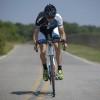
Exercise Cycling

Exercise Cycling: Cycling, also called bicycling or biking, is the use of bicycles for transport, recreation, exercise or sport. People engaged in cycling are referred to as "cyclists", "bikers", or less commonly, as "bicyclists". Apart from two-wheeled bicycles, "cycling" also includes the riding of unicycles, tricycles, quadracycles, recumbent and similar human-powered vehicles (HPVs).

Bicycles were introduced in the 19th century and now number approximately one billion worldwide. They are the principal means of transportation in many parts of the world.

Cycling is widely regarded as a very effective and efficient mode of transportation optimal for short to moderate distances.

Bicycles provide numerous benefits in comparison with motor vehicles, including the sustained physical exercise involved in cycling, easier parking, increased maneuverability, and access to roads, bike paths and rural trails. Cycling also offers a reduced consumption of fossil fuels, less air or noise pollution, and much reduced traffic congestion. These lead to less financial cost to the user as well as to society at large (negligible damage to roads, less road area required). By fitting bicycle racks on the front of buses, transit agencies can significantly increase the areas they can serve.

Among the disadvantages of cycling are the requirement of bicycles (excepting tricycles or quadracycles) to be balanced by the rider in order to remain upright, the reduced protection in crashes in comparison to motor vehicles, often longer travel time (except in densely populated areas), vulnerability to weather conditions, difficulty in transporting passengers, and the fact that a basic level of fitness is required for cycling moderate to long distances.


  • Exercise Effects on Multiple Sclerosis Quality of Life and Clinical-Motor Symptoms.

    facebook Share on Facebook
    Abstract Title:

    Exercise Effects on Multiple Sclerosis Quality of Life and Clinical-Motor Symptoms.

    Abstract Source:

    Med Sci Sports Exerc. 2019 Dec 23. Epub 2019 Dec 23. PMID: 31876670

    Abstract Author(s):

    József Tollár, Ferenc Nagy, Béla E Tóth, Katalin Török, Kinga Szita, Bence Csutorás, Mariann Moizs, Tibor Hortobágyi

    Article Affiliation:

    József Tollár

    Abstract:

    INTRODUCTION:Different therapies can improve clinical and motor symptoms of multiple sclerosis (MS) similarly but studies comparing the effects of different exercise therapies on clinical and motor outcomes are scant. We compared the effects of exergaming (EXE), balance (BAL), cycling (CYC), proprioceptive neuromuscular facilitation (PNF), and a standard care wait-listed control group (CON) on clinical and motor symptoms and quality of life (QoL) in people with MS (PwMS).

    METHODS:PwMS (n=68, 90% females; age: 47.0y, Expanded Disability Status Scale: 5 to 6) were randomized to 5 groups. Before and after the interventions (5x/week for 5 weeks) PwMS were tested for: MS-related clinical and motor symptoms (Multiple Sclerosis Impact Scale-29; MSIS-29, primary outcome), QoL (EQ-5D), symptoms of depression, gait and balance ability (Tinetti Assessment Tool, TAT), static and dynamic balance and fall risk (Berg Balance Scale (BBS), walking capacity (six-minute walk test, 6MWT), and standing posturography on a force platform.

    RESULTS:EXE, BAL, and CYC improved MSIS-29 scores similarly. EXE and CYC improved QoL and walking capacity similarly but more than BAL. Only EXE improved gait and balance scores (TAT). EXE and BAL improved fall risk and standing balance similarly but more than CYC. PNF and CON revealed no changes. EQ-5D moderated the exercise effects on MSIS-29 scores only in EXE. Changes in QoL and changes in MSIS-29 scores correlated R=0.73 only in EXE.

    CONCLUSION:In conclusion, BAL and CYC but EXE in particular, but not PNF, can improve clinical and motor symptoms and QoL in PwMS (EDSS: 5 to 6), expanding the evidence-based exercise options to reduce mobility limitations in PwMS.

  • Health benefits of cycle ergometer training for older adults over 70: a review📎

    facebook Share on Facebook
    Abstract Title:

    Health benefits of cycle ergometer training for older adults over 70: a review.

    Abstract Source:

    Eur Rev Aging Phys Act. 2015 ;12:8. Epub 2015 Nov 2. PMID: 26865872

    Abstract Author(s):

    Walid Bouaziz, Elise Schmitt, Georges Kaltenbach, Bernard Geny, Thomas Vogel

    Article Affiliation:

    Walid Bouaziz

    Abstract:

    As the number of older adults continues to increase worldwide, more attention is being paid to geriatric health care needs, and successful ageing is becoming an important topic in the medical literature. A preventive approach to the care of older adults is thus a priority in our aging societies. The purpose of this study was to update evidence for the health benefits of cycle ergometer training for older adults over 70. We searched online electronic databases up to September 2014 for original observational and intervention studies on the relationship between cycle ergometer training and health among older patients over 70. Twenty-five studies examined interventions aimed specifically at promoting cycling for older adults over 70. These studies reported a positive effect on the prevention of cardiovascular disease, and a significant improvement in metabolic responses. Improving functional status, muscle strength and cognitive performance are also well established. Overall, this review demonstrates a positive effect of cycle ergometer training with functional benefits and positive health outcomes for older adults over 70. Based on this evidence, clinicians can now encourage older adults to profit from the health benefits of cycle ergometer training to be able to pursue their daily activities independently.

  • Health benefits of electrically-assisted cycling: a systematic review📎

    facebook Share on Facebook
    Abstract Title:

    Health benefits of electrically-assisted cycling: a systematic review.

    Abstract Source:

    Int J Behav Nutr Phys Act. 2018 11 21 ;15(1):116. Epub 2018 Nov 21. PMID: 30463581

    Abstract Author(s):

    Jessica E Bourne, Sarah Sauchelli, Rachel Perry, Angie Page, Sam Leary, Clare England, Ashley R Cooper

    Article Affiliation:

    Jessica E Bourne

    Abstract:

    BACKGROUND:Electrically assisted bicycles (e-bikes) have been highlighted as a method of active travel that could overcome some of the commonly reported barriers to cycle commuting. The objective of this systematic review was to assess the health benefits associated with e-cycling.

    METHOD:A systematic literature review of studies examining physical activity, cardiorespiratory, metabolic and psychological outcomes associated with e-cycling. Where possible these outcomes were compared to those from conventional cycling and walking. Seven electronic databases, clinical trial registers, grey literature and reference lists were searched up to November 2017. Hand searching occurred until June 2018. Experimental or observational studies examining the impact of e-cycling on physical activity and/or health outcomes of interest were included. E-bikes used must have pedals and require pedalling for electric assistance to be provided.

    RESULTS:Seventeen studies (11 acute experiments, 6 longitudinal interventions) were identified involving a total of 300 participants. There was moderate evidence that e-cycling provided physical activity of at least moderate intensity, which was lower than the intensity elicited during conventional cycling, but higher than that during walking. There was also moderate evidence that e-cycling can improve cardiorespiratory fitness in physically inactive individuals. Evidence of the impact of e-cycling on metabolic and psychological health outcomes was inconclusive. Longitudinal evidence was compromised by weak study design and quality.

    CONCLUSION:E-cycling can contribute to meeting physical activity recommendations and increasing physical fitness. As such, e-bikes offer a potential alternative to conventional cycling. Future research should examine the long-term health impacts of e-cycling using rigorous research designs.

  • Health Benefits of Indoor Cycling: A Systematic Review📎

    facebook Share on Facebook
    Abstract Title:

    Health Benefits of Indoor Cycling: A Systematic Review.

    Abstract Source:

    Medicina (Kaunas). 2019 Aug 8 ;55(8). Epub 2019 Aug 8. PMID: 31443139

    Abstract Author(s):

    Manuel Chavarrias, Jorge Carlos-Vivas, Daniel Collado-Mateo, Jorge Pérez-Gómez

    Article Affiliation:

    Manuel Chavarrias

    Abstract:

    Indoor cycling is one of the most practiced activities in fitness centers for most people regardless of their physical conditioning level. Several studies have analyzed the effect of indoor cycling on several parameters related to health, such as maximal oxygen consumption, blood pressure, body composition, as well as biochemical markers such as HDL or LDL. However, no study has synthesized all health benefits associated with the indoor cycling practice in the form of a systematic review and established guidelines or recommendations. Therefore, the aim of this manuscript was to conduct a systematic review of published studies about the benefits of indoor cycling training and to establish recommendations for coaches, researchers, and practitioners.The PRISMA guidelines were followed to conduct the current systematic review. A systematic search was performed to retrieve relevant published articles until January 2019 using the following keywords: 'indoor cycling', 'indoor bicycle', and 'spinning exercise'. Information about participants, intervention, comparisons, outcomes, and study design (PICOS) was extracted.A total of 300 studies were initially identified. After the revision process, 13 of them were included. The total sample size of the studies was 372 (306 women). Results revealed that indoor cycling may improve aerobic capacity, blood pressure, lipid profile, and body composition. These enhancements may be achieved as standalone intervention or combined with other physical exercises or diet.The combination of indoor cycling and diet is recommended to improve the lipid profile, lose weight, and reduce blood pressure. Furthermore, indoor cycling alone may also enhance aerobic capacity. Given the lack of randomized controlled trials, these conclusions should be taken with caution.

  • High-Speed Cycling Intervention Improves Rate-Dependent Mobility in Older Adults📎

    facebook Share on Facebook
    Abstract Title:

    High-Speed Cycling Intervention Improves Rate-Dependent Mobility in Older Adults.

    Abstract Source:

    Med Sci Sports Exerc. 2016 Aug 6. Epub 2016 Aug 6. PMID: 27501360

    Abstract Author(s):

    Maria Bellumori, Mehmet Uygur, Christopher A Knight

    Article Affiliation:

    Maria Bellumori

    Abstract:

    PURPOSE:The aim was to determine the feasibility of a six-week speed-based exercise program that could be used to initiate new exercise behaviors and improve rapid movement in older adults approaching frailty.

    METHODS:The intervention group included 14 older adults (3 males, 11 females, mean (SD) age: 70 (7.6) years, height: 1.6 (.11) m, mass: 76.8 (12.0) kg, BMI: 27.7(4.7)). The control group included 12 older adults (6 males, 6 females, mean (SD) age: 69.2 (6.9) years, height: 1.7 (.09) m, mass: 78.2 (10.9) kg, BMI: 25.3 (2.7)). Subjects included active older adults, including regular exercisers, but none were engaged in sports or exercises with an emphasis on speed (e.g. cycling spin classes or tennis). Stationary recumbent cycling was selected to minimize fall risk and low pedaling resistance reduced musculoskeletal and cardiovascular load. Two weekly 30-minute exercise sessions consisted of interval training in which subjects pedaled at preferred cadence and performed ten 20-s fast cadence intervals separated by 40-s of active recovery at preferred cadence.

    RESULTS:Significant Group by Time interactions (p<.05) supported a 2-s improvement in the timed up and go test and a 34% improvement in rapid isometric knee extension contractions in the exercise group but not in controls. Central neural adaptations are suggested because this lower extremity exercise program also elicited significant improvements in the untrained upper extremities of the exercise group (elbow extension RFD-SF and 9-Hole Peg Test, p<.05).

    CONCLUSION:These results demonstrate that a relatively low dose of speed-based exercise can improve neuromuscular function and tests of mobility in older adults. Such a program serves as a sensible precursor to subsequent, more vigorous training or as an adjunct to a program where a velocity emphasis is lacking.

  • Improved cognition while cycling in Parkinson's disease patients and healthy adults📎

    facebook Share on Facebook
    Abstract Title:

    Improved cognition while cycling in Parkinson's disease patients and healthy adults.

    Abstract Source:

    Brain Cogn. 2017 04 ;113:23-31. Epub 2017 Jan 11. PMID: 28088064

    Abstract Author(s):

    Audrey A Hazamy, Lori J P Altmann, Elizabeth Stegemöller, Dawn Bowers, Hyo Keun Lee, Jonathan Wilson, Michael S Okun, Chris J Hass

    Article Affiliation:

    Audrey A Hazamy

    Abstract:

    Persons with Parkinson's disease (PD) are typically more susceptible than healthy adults to impaired performance when two tasks (dual task interference) are performed simultaneously. This limitation has by many experts been attributed to limitations in cognitive resources. Nearly all studies of dual task performance in PD employ walking or balance-based motor tasks, which are commonly impaired in PD. These tasks can be performed using a combination of one or two executive function tasks. The current study examined whether persons with PD would demonstrate greater dual task effects (DTEs) on cognition compared to healthy older adults (HOAs) during a concurrent cycling task. Participants with and without PD completed a battery of 12 cognitive tasks assessing visual and verbal processing in the following cognitive domains: speed of processing, controlled processing, working memory and executive function. Persons with PD exhibited impairments compared to healthy participants in select tasks (i.e., 0-back, 2-back and operation span). Further, both groups unexpectedly exhibited dual task facilitation of response times in visual tasks across cognitive domains, and improved verbal recall during an executive function task. Only one measure, 2-back, showed a speed-accuracy trade-off in the dual task. These results demonstrate that, when paired with a motor task in which they are not impaired, people with PD exhibit similar DTEs on cognitive tasks as HOAs, even when these task effects are facilitative. More generally, these findings demonstrate that pairing cognitive tasks with cycling may actually improve cognitive performance which may have therapeutic relevance to cognitive decline associated with aging and PD pathology.

  • Improvement of 10-km time-trial cycling with motivational self-talk compared with neutral self-talk.

    facebook Share on Facebook
    Abstract Title:

    Improvement of 10-km time-trial cycling with motivational self-talk compared with neutral self-talk.

    Abstract Source:

    Int J Sports Physiol Perform. 2015 Mar ;10(2):166-71. Epub 2014 Jul 8. PMID: 25010539

    Abstract Author(s):

    Martin J Barwood, Jo Corbett, Christopher R D Wagstaff, Dan McVeigh, Richard C Thelwell

    Article Affiliation:

    Martin J Barwood

    Abstract:

    PURPOSE:Unpleasant physical sensations during maximal exercise may manifest themselves as negative cognitions that impair performance, alter pacing, and are linked to increased rating of perceived exertion (RPE). This study examined whether motivational self-talk (M-ST) could reduce RPE and change pacing strategy, thereby enhancing 10-km time-trial (TT) cycling performance in contrast to neutral self-talk (N-ST).

    METHODS:Fourteen men undertook 4 TTs, TT1-TT4. After TT2, participants were matched into groups based on TT2 completion time and underwent M-ST (n=7) or N-ST (n=7) after TT3. Performance, power output, RPE, and oxygen uptake (VO2) were compared across 1-km segments using ANOVA. Confidence intervals (95%CI) were calculated for performance data.

    RESULTS:After TT3 (ie, before intervention), completion times were not different between groups (M-ST, 1120±113 s; N-ST, 1150±110 s). After M-ST, TT4 completion time was faster (1078±96 s); the N-ST remained similar (1165±111 s). The M-ST group achieved this through a higher power output and VO2 in TT4 (6th-10th km). RPE was unchanged. CI data indicated the likely true performance effect lay between13- and 71-s improvement (TT4 vs TT3).

    CONCLUSION:M-ST improved endurance performance and enabled a higher power output, whereas N-ST induced no change. The VO2 response matched the increase in power output, yet RPE was unchanged, thereby inferring a perceptual benefit through M-ST. The valence and content of self-talk are important determinants of the efficacy of this intervention. These findings are primarily discussed in the context of the psychobiological model of pacing.

  • Improvement of 10-km time-trial cycling with motivational self-talk compared with neutral self-talk.

    facebook Share on Facebook
    Abstract Title:

    Improvement of 10-km time-trial cycling with motivational self-talk compared with neutral self-talk.

    Abstract Source:

    Int J Sports Physiol Perform. 2015 Mar ;10(2):166-71. Epub 2014 Jul 8. PMID: 25010539

    Abstract Author(s):

    Martin J Barwood, Jo Corbett, Christopher R D Wagstaff, Dan McVeigh, Richard C Thelwell

    Article Affiliation:

    Martin J Barwood

    Abstract:

    PURPOSE:Unpleasant physical sensations during maximal exercise may manifest themselves as negative cognitions that impair performance, alter pacing, and are linked to increased rating of perceived exertion (RPE). This study examined whether motivational self-talk (M-ST) could reduce RPE and change pacing strategy, thereby enhancing 10-km time-trial (TT) cycling performance in contrast to neutral self-talk (N-ST).

    METHODS:Fourteen men undertook 4 TTs, TT1-TT4. After TT2, participants were matched into groups based on TT2 completion time and underwent M-ST (n=7) or N-ST (n=7) after TT3. Performance, power output, RPE, and oxygen uptake (VO2) were compared across 1-km segments using ANOVA. Confidence intervals (95%CI) were calculated for performance data.

    RESULTS:After TT3 (ie, before intervention), completion times were not different between groups (M-ST, 1120±113 s; N-ST, 1150±110 s). After M-ST, TT4 completion time was faster (1078±96 s); the N-ST remained similar (1165±111 s). The M-ST group achieved this through a higher power output and VO2 in TT4 (6th-10th km). RPE was unchanged. CI data indicated the likely true performance effect lay between13- and 71-s improvement (TT4 vs TT3).

    CONCLUSION:M-ST improved endurance performance and enabled a higher power output, whereas N-ST induced no change. The VO2 response matched the increase in power output, yet RPE was unchanged, thereby inferring a perceptual benefit through M-ST. The valence and content of self-talk are important determinants of the efficacy of this intervention. These findings are primarily discussed in the context of the psychobiological model of pacing.

  • Ingestion of Sodium Bicarbonate (NaHCO3) Following a Fatiguing Bout of Exercise Accelerates Post-Exercise Acid-Base Balance Recovery and Improves Subsequent High-Intensity Cycling Time to Exhaustion.

    facebook Share on Facebook
    Abstract Title:

    Ingestion of Sodium Bicarbonate (NaHCO3) Following a Fatiguing Bout of Exercise Accelerates Post-Exercise Acid-Base Balance Recovery and Improves Subsequent High-Intensity Cycling Time to Exhaustion.

    Abstract Source:

    Int J Sport Nutr Exerc Metab. 2017 May 22:1-25. Epub 2017 May 22. PMID: 28530505

    Abstract Author(s):

    Lewis A Gough, Steven Rimmer, Callum J Osler, Matthew F Higgins

    Article Affiliation:

    Lewis A Gough

    Abstract:

    This study evaluated the ingestion of sodium bicarbonate (NaHCO3) on post-exercise acid-base balance recovery kinetics and subsequent high-intensity cycling time to exhaustion. In a counterbalanced, crossover design, nine healthy and active males (age: 23±2 years, height: 179±5 cm, body mass: 74±9 kg, peak mean minute power (WPEAK) 256±45 W, peak oxygen uptake (V̇O2PEAK) 46±8 ml.kg(-1).min(-1)) performed a graded incremental exercise test, two familiarisation and two experimental trials. Experimental trials consisted of cycling to volitional exhaustion (TLIM1) at 100% WPEAK on two occasions (TLIM1 and TLIM2) interspersed by a 90 min passive recovery period. Using a double blind approach, 30 min into a 90 min recovery period participants ingested either 0.3 g.kg(-1) body mass sodium bicarbonate (NaHCO3) or a placebo (PLA) containing 0.1 g.kg(-1) body mass sodium chloride (NaCl) mixed with 4 ml.kg(-1) tap water and 1 ml.kg(-1) orange squash. The mean differences between TLIM2 and TLIM1 was larger for PLA compared to NaHCO3 (-53±53 vs. -20±48 s; P=0.008, d=0.7, CI=-0.3, 1.6), indicating superior subsequent exercise time to exhaustion following NaHCO3. Blood lactate [BLa(-)] was similar between treatments post TLIM1, but greater for NaHCO3 post TLIM2 and 5 min post TLIM2. Ingestion of NaHCO3 induced marked increases (P<0.01) in both blood pH (+0.07±0.02, d=2.6, CI=1.2, 3.7) and bicarbonate ion concentration [HCO3(-)] (+6.8±1.6 mmo.l(-1), d=3.4, CI=1.8, 4.7) compared to the PLA treatment, prior to TLIM2. It is likely both the acceleration of recovery, and the marked increases of acid-base after TLIM1 contributed to greater TLIM2 performancecompared to the PLA condition.

  • Intense exercise increases circulating endocannabinoid and BDNF levels in humans--possible implications for reward and depression.

    facebook Share on Facebook
    Abstract Title:

    Intense exercise increases circulating endocannabinoid and BDNF levels in humans--possible implications for reward and depression.

    Abstract Source:

    Psychoneuroendocrinology. 2012 Jun ;37(6):844-51. Epub 2011 Oct 24. PMID: 22029953

    Abstract Author(s):

    E Heyman, F-X Gamelin, M Goekint, F Piscitelli, B Roelands, E Leclair, V Di Marzo, R Meeusen

    Article Affiliation:

    E Heyman

    Abstract:

    The endocannabinoid system is known to have positive effects on depression partly through its actions on neurotrophins, such as Brain-Derived Neurotrophic Factor (BDNF). As BDNF is also considered the major candidate molecule for exercise-induced brain plasticity, we hypothesized that the endocannabinoid system represents a crucial signaling system mediating the beneficial antidepressant effects of exercise. Here we investigated, in 11 healthy trained male cyclists, the effects of an intense exercise (60 min at 55% followed by 30 min at 75% W(max)) on plasma levels of endocannabinoids (anandamide, AEA and 2-arachidonoylglycerol, 2-AG) and their possible link with serum BDNF. AEA levels increased during exercise and the 15 min recovery (P<0.001), whereas 2-AG concentrations remained stable. BDNF levels increased significantly during exercise and then decreased during the 15 min of recovery (P<0.01). Noteworthy, AEA and BDNF concentrations were positively correlated at the end of exercise and after the 15 min recovery (r>0.66, P<0.05), suggesting that AEA increment during exercise might be one of the factors involved in exercise-induced increase in peripheral BDNF levels and that AEA high levels during recovery might delay the return of BDNF to basal levels. AEA production during exercise might be triggered by cortisol since we found positive correlations between these two compounds and because corticosteroids are known to stimulate endocannabinoid biosynthesis. These findings provide evidence in humans that acute exercise represents a physiological stressor able to increase peripheral levels of AEA and that BDNF might be a mechanism by which AEA influences the neuroplastic and antidepressant effects of exercise.

  • Is mode of transport to work associated with mortality in the working-age population? Repeated census-cohort studies in New Zealand 1996, 2001 and 2006.

    facebook Share on Facebook
    Abstract Title:

    Is mode of transport to work associated with mortality in the working-age population? Repeated census-cohort studies in New Zealand 1996, 2001 and 2006.

    Abstract Source:

    Int J Epidemiol. 2020 Jan 13. Epub 2020 Jan 13. PMID: 31930316

    Abstract Author(s):

    Caroline Shaw, Tony Blakely, June Atkinson, Alistair Woodward

    Article Affiliation:

    Caroline Shaw

    Abstract:

    BACKGROUND:Increasing active transport is proposed as a means to address both health and environmental issues. However, the associations between specific modes, such as cycling, walking and public transport, and health outcomes remain unclear. We examined the association between mode of travel to work and mortality.

    METHODS:Cohort studies of the entire New Zealand working population were created using 1996, 2001 and 2006 censuses linked to mortality data. Mode of travel to work was that reported on census day, and causes of death examined were ischaemic heart disease and injury. Main analyses were Poisson regression models adjusted for socio-demographics. Sensitivity analyses included: additional adjustment for smoking in the 1996 and 2006 cohorts, and bias analysis about non-differential misclassification of cycling vs car use.

    RESULTS:Walking (5%) and cycling (3%) to work were uncommon. Compared with people reporting using motor vehicles to travel to work, those cycling had a reduced all-cause mortality (ACM) in the socio-demographic adjusted models RR 0.87 (0.77-0.98). Those walking (0.97, 0.90-1.04) and taking public transport (0.96, 0.88-1.05) had no substantive difference in ACM. No mode of transport was associated with detectable statistically significant reductions in cause-specific mortality. Sensitivity analyses found weaker associations when adjusting for smoking and stronger associations correcting for likely non-differential misclassification of cycling.

    CONCLUSIONS:This large cohort study supports an association between cycling to work and reduced ACM, but found no association for walking or public-transport use and imprecise cause-specific mortality patterns.

  • Long-term bicycle riding ameliorates the depression of the patients undergoing hemodialysis by affecting the levels of interleukin-6 and interleukin-18📎

    facebook Share on Facebook
    Abstract Title:

    Long-term bicycle riding ameliorates the depression of the patients undergoing hemodialysis by affecting the levels of interleukin-6 and interleukin-18.

    Abstract Source:

    Neuropsychiatr Dis Treat. 2017 ;13:91-100. Epub 2016 Dec 28. PMID: 28096677

    Abstract Author(s):

    Chunhui Zhao, Hui Ma, Lei Yang, Yong Xiao

    Article Affiliation:

    Chunhui Zhao

    Abstract:

    PURPOSE:Hemodialysis patients with depression have a higher risk of death and hospitalization. Although there is pharmacological management for the depression of hemodialysis patients, the adverse effect of the drug limits the use. The nonpharmacological way, bicycle riding, may be an effective way for the therapy of the depression in hemodialysis patients. However, the underlying mechanism of this relationship is still not fully explained, while interleukin-6 (IL-6) and interleukin-18 (IL-18) are associated with depression and exercise. Thus, the effects of bicycle riding on the levels of the interleukin were explored.

    PARTICIPANTS AND METHODS:One hundred and eighty-nine patients with chronic hemodialysis were selected and randomly assigned to three groups of medicine (MG, received 20-mg escitalopram daily), medicine and aerobic exercise (MAG, received 20-mg escitalopram daily and bicycle riding six times weekly), and only aerobic exercise (AG, received 20-mg placebo daily and bicycle riding six times weekly). The whole experiment lasted for 18 weeks. The quality of life (36-Item Short Form Health Survey) and depression severity according to criteria in the Diagnostic and Statistical Manual of Mental Disorders, fourth edition [DSM-IV] were measured before and at the end of this study. The serum levels of IL-6 and IL-18 were measured by an enzyme-linked immunosorbent assay kit.

    RESULTS:The quality of life was improved and depression severity was reduced significantly in the MAG and AG groups when compared with the MG group (P<0.05). Serum levels of IL-6 and IL-18 were the highest in the MG group, moderate in the MAG group and the lowest in AG group. On the other hand, the serum levels of IL-6 and IL-18 were closely associated with depression scores (P<0.05).

    CONCLUSION:Aerobic exercise improves the quality of life and ameliorates the depression severity of the patients undergoing hemodialysis by affecting the levels of IL-6 and IL-18. Bicycle riding is a potential way for the depression therapy of the patients with chronic hemodialysis.

  • Longitudinal associations between cycling to school and weight status.

    facebook Share on Facebook
    Abstract Title:

    Longitudinal associations between cycling to school and weight status.

    Abstract Source:

    Int J Pediatr Obes. 2011 Aug ;6(3-4):182-7. Epub 2011 Jun 7. PMID: 21644849

    Abstract Author(s):

    Elling Bere, Anke Oenema, Richard G Prins, Stephen Seiler, Johannes Brug

    Article Affiliation:

    Elling Bere

    Abstract:

    OBJECTIVE:The objective of the present study was to assess the longitudinal association between cycling to school and weight status in two cities where cycling to school is common - Kristiansand (Norway) and Rotterdam (The Netherlands).

    METHODS:Data from two studies ENDORSE (Rotterdam) and YOUTH IN BALANCE (Kristiansand) were used. Both studies were longitudinal with two years between time (T) 1 and T2 measurements, and with mean age at T1 of 13.2 and 13.4 years, respectively. The sample was categorized into the following groups according to responses about main mode of commuting to school at the two time points: NO cycling, STARTED cycling, STOPPED cycling and CONTINUED cycling. Measured weight and height were obtained at both time points, and weight status (overweight vs. not overweight) was calculated using international classification criteria for BMI. The two datasets were analyzed separately and together.

    RESULTS:In multilevel logistic regression models of the combined sample, adjusting for weight status at Time 1, those who stopped cycling had greater odds of being overweight at T2 (OR = 3.19; 95% CI = 1.41?7.24) while those continued cycling had lower odds of being overweight (OR = 0.44; 95% CI = 0.21?0.88), separately compared to the other three groups together. The same trend was observed in both study samples.

    CONCLUSIONS:This study shows that there are longitudinal associations between cycling to school and weight status in two cities where cycling to school is common, implying that interventions aiming at reducing overweight/obesity among adolescents might consider the promotion of sustained cycling behaviour.

  • Metabolic and Performance Effects of Yerba Mate on Well-trained Cyclists.

    facebook Share on Facebook
    Abstract Title:

    Metabolic and Performance Effects of Yerba Mate on Well-trained Cyclists.

    Abstract Source:

    Med Sci Sports Exerc. 2018 Apr ;50(4):817-826. PMID: 29117073

    Abstract Author(s):

    Jose L Areta, Ingvild Austarheim, Helle Wangensteen, Carlo Capelli

    Article Affiliation:

    Jose L Areta

    Abstract:

    INTRODUCTION:Yerba Mate (YM) is a South American plant, rich in polyphenols, saponins, and xanthines, of growing scientific interest because of its metabolic effects. YM has been shown to increase fat utilization during exercise in untrained humans, but its effects on well-trained individuals during exercise are unknown.

    METHODS:We characterized metabolic and physical performance effects of YM in 11 well-trained male cyclists. In a double-blind crossover design, participants ingested 5 g of YM or placebo (PL; maltodextrin) daily for 5 d and 1 h before experimental trials.

    RESULTS:Ergometer-based tests included a submaximal step test (SST) at 30%-80% of V˙O2max (6 × 5-min stages), followed by a cycloergometer-based time trial (TT) test to complete mechanical work (~30 min; n = 9). Before and during tests, blood and respiratory gas samples were collected. YM increased resting plasma adrenaline concentration (P = 0.002), and fat utilization by 23% at 30%-50% V˙O2max versus PL (Glass effect sizes (ES) ± 95% confidence interval (CI), 0.8 ± 0.55) correlating strongly with post-SST plasma (glycerol; r = 0.758). Treatment effects on rates of perceived exertion, heart rate, and gross efficiency were unclear during SST. Respiratory exchange ratioduring TT indicated carbohydrate dependence and did not differ between treatments (PL, 0.95 ± 0.03 (SD); YM, 0.95 ± 0.02). TT performance showed a small (ES = 0.38 ± 0.33) but significant (P = 0.0278) improvement with YM (PL, 30.1 ± 1.8 min (SD); YM, 29.4 ± 1.4 min; 2.2% ± 2% (95% CI)), with an average increase of 7-W power output (ES = 0.2 ± 0.19; P = 0.0418; 2.3% ± 2% (95% CI)) and 2.8% V˙O2 (P = 0.019). Pacing displayed lower power output after 30% of total TT workload in PL vs YM.

    CONCLUSIONS:YM increased fat utilization during submaximal exercise and improved TT performance, but performance-enhancement effect was unrelated to measures of substrate metabolism during maximal exercise.

  • Metabolic recovery from heavy exertion following banana compared to sugar beverage or water only ingestion: A randomized, crossover trial📎

    facebook Share on Facebook
    Abstract Title:

    Metabolic recovery from heavy exertion following banana compared to sugar beverage or water only ingestion: A randomized, crossover trial.

    Abstract Source:

    PLoS One. 2018 ;13(3):e0194843. Epub 2018 Mar 22. PMID: 29566095

    Abstract Author(s):

    David C Nieman, Nicholas D Gillitt, Wei Sha, Debora Esposito, Sivapriya Ramamoorthy

    Article Affiliation:

    David C Nieman

    Abstract:

    OBJECTIVES AND METHODS:Using a randomized, crossover, counterbalanced approach, cyclists (N = 20, overnight fasted state) engaged in the four 75-km time trials (2-week washout) while ingesting two types of bananas with similar carbohydrate (CHO) but different phenolic content (Cavendish, CAV; mini-yellow, MIY, 63% higher polyphenols), a 6% sugar beverage (SUG), and water only (WAT). CHO intake was set at 0.2 g/kg every 15 minutes. Blood samples were collected pre-exercise and 0 h-, 0.75 h-,1.5 h-, 3 h-, 4.5 h-, 21 h-, 45 h-post-exercise.

    RESULTS:Each of the CHO trials (CAV, MIY, SUG) compared to water was associated with higher post-exercise plasma glucose and fructose, and lower leukocyte counts, plasma 9+13 HODES, and IL-6, IL-10, and IL-1ra. OPLS-DA analysis showed that metabolic perturbation (N = 1,605 metabolites) for WAT (86.8±4.0 arbitrary units) was significantly greater and sustained than for CAV (70.4±3.9, P = 0.006), MIY (68.3±4.0, P = 0.002), and SUG (68.1±4.2, P = 0.002). VIP ranking (<3.0, N = 25 metabolites) showed that both CAV and MIY were associated with significant fold changes in metabolites including those from amino acid and xenobiotics pathways. OPLS-DA analysis of immediate post-exercise metabolite shifts showed a significant separation of CAV and MIY from both WAT and SUG (R2Y = 0.848, Q2Y = 0.409). COX-2 mRNA expression was lower in both CAV and MIY, but not SUG, versus WAT at 21-h post-exercise in THP-1 monocytes cultured in plasma samples. Analysis of immediate post-exercise samples showed a decrease in LPS-stimulated THP-1 monocyte extracellular acidification rate (ECAR) in CAV and MIY, but not SUG, compared to WAT.

    CONCLUSIONS:CHO ingestion from bananas or a sugar beverage had a comparable influence in attenuating metabolic perturbation and inflammation following 75-km cycling. Ex-vivo analysis with THP-1 monocytes supported a decrease in COX-2 mRNA expression and reduced reliance on glycolysis for ATP production following ingestion of bananas but not sugar water when compared to water alone.

    TRIAL REGISTRATION:ClinicalTrials.gov, U.S. National Institutes of Health, identifier: NCT02994628.

  • Midlife Cardiorespiratory Fitness and the Long-Term Risk of Mortality: 46 Years of Follow-Up📎

    facebook Share on Facebook
    Abstract Title:

    Midlife Cardiorespiratory Fitness and the Long-Term Risk of Mortality: 46 Years of Follow-Up.

    Abstract Source:

    J Am Coll Cardiol. 2018 Aug 28 ;72(9):987-995. PMID: 30139444

    Abstract Author(s):

    Johan S R Clausen, Jacob L Marott, Andreas Holtermann, Finn Gyntelberg, Magnus T Jensen

    Article Affiliation:

    Johan S R Clausen

    Abstract:

    BACKGROUND:A high cardiorespiratory fitness (CRF) level is recommended to promote healthy aging. However, the association between CRF and very-long-term prognosis is unclear, and reverse causation may bias results in studies with shorter follow-up.

    OBJECTIVES:This study investigated the association between CRF and mortality in middle-aged, employed men free of cardiovascular disease (CVD).

    METHODS:Participants from the Copenhagen Male Study, established in 1970 to 1971, were included and stratified into 4 age-adjusted maximal oxygen consumption (Vomax) categories: below the lower limit of normal (lowest 5%); low normal (45%); high normal (45%); and above the upper limit of normal (top 5%). Vomax was estimated by using a bicycle ergometer. Multivariable restricted mean survival time models were performed for all-cause and cardiovascular mortality using Danish national registers.

    RESULTS:A total of 5,107 men with a mean age of 48.8± 5.4 years were included in the study. During the 46 years of follow-up, 4,700 (92%) men died; 2,149 (42.1%) of the men died of CVD. Compared with below the lower limit of normal CRF, low normal CRF was associated with 2.1 years (95% confidence interval [CI]: 0.7 to 3.4; p = 0.002), high normalwith 2.9 years (95% CI: 1.5 to 4.2; p <0.001), and above upper limit of normal with 4.9 years (95% CI: 3.1 to 6.7; p < 0.001) longer mean life expectancy. Each unit increase in Vomax was associated with a 45-day (95% CI: 30 to 61; p <0.001) increase in longevity. Estimates for cardiovascular mortality were similar to all-cause mortality. Results were essentially unchanged when excluding individuals who died within the first 10 years of follow-up, suggesting a minimal role of reverse causation.

    CONCLUSIONS:CRF was significantly related to longevity over the course of 4 decades in middle-aged, employed men free of CVD. The benefits of higher midlife CRF extend well into the later part of life.

  • Mixed Flavonoid Supplementation Attenuates Postexercise Plasma Levels of 4-Hydroxynonenal and Protein Carbonyls in Endurance Athletes.

    facebook Share on Facebook
    Abstract Title:

    Mixed Flavonoid Supplementation Attenuates Postexercise Plasma Levels of 4-Hydroxynonenal and Protein Carbonyls in Endurance Athletes.

    Abstract Source:

    Int J Sport Nutr Exerc Metab. 2019 Nov 21:1-8. Epub 2019 Nov 21. PMID: 31754080

    Abstract Author(s):

    David C Nieman, Giuseppe Valacchi, Laurel M Wentz, Francesca Ferrara, Alessandra Pecorelli, Brittany Woodby, Camila A Sakaguchi, Andrew Simonson

    Article Affiliation:

    David C Nieman

    Abstract:

    This double-blinded, placebo controlled, randomized crossover trial investigated the influence of 2-week mixed flavonoid versus placebo supplementation on oxinflammation markers after a 75-km cycling time trial in 22 cyclists (42.3± 1.7 years). Blood samples were collected before and after the 2-week supplementation, and then 0 hr, 1.5 hr, and 21 hr post 75-km cycling (176 ± 5.4 min, 73.4 ±2.0% maximal oxygen consumption). The supplement provided 678-mg flavonoids with quercetin (200 mg), green tea catechins (368 mg, 180-mg epigallocatechin gallate), and anthocyanins (128 mg) from bilberry extract, with caffeine, vitamin C, and omega-3 fatty acids added as adjuvants. Blood samples were analyzed for blood leukocyte counts, oxinflammation biomarkers, including 4-hydroxynonenal, protein carbonyls, and peripheralblood mononuclear mRNA expression for cyclooxygenease-2 and glutathione peroxidase. Each of the blood biomarkers was elevated postexercise (time effects, all ps<.01), with lower plasma levels for 4-hydroxynonenal (at 21-hr postexercise) in flavonoid versus placebo (interaction effect, p = .008). Although elevated postexercise, no trial differences for the neutrophil/lymphocyte ratio (p = .539) or peripheral blood mononuclear mRNA expression for cyclooxygenease-2 (p = .322) or glutathione peroxidase (p = .839) were shown. Flavonoid supplementation prior to intensive exercise decreased plasma peroxidation and oxidative damage, as determined by 4-hydroxynonenal. Postexercise increases were similar between the flavonoid and placebo trials for peripheral blood mononuclear mRNA expression for cyclooxygenease-2 and the nuclear factor erythroid 2-related factor 2 related gene glutathione peroxidase (NFE2L2). The data support the strategy of flavonoid supplementation to mitigate postexercise oxidative stress in endurance athletes.

  • New Zealand blackcurrant extract improves cycling performance and fat oxidation in cyclists.

    facebook Share on Facebook
    Abstract Title:

    New Zealand blackcurrant extract improves cycling performance and fat oxidation in cyclists.

    Abstract Source:

    Eur J Appl Physiol. 2015 Jul 15. Epub 2015 Jul 15. PMID: 26175097

    Abstract Author(s):

    Matthew David Cook, Stephen David Myers, Sam David Blacker, Mark Elisabeth Theodorus Willems

    Article Affiliation:

    Matthew David Cook

    Abstract:

    PURPOSE:Blackcurrant intake increases peripheral blood flow in humans, potentially by anthocyanin-induced vasodilation which may affect substrate delivery and exercise performance. We examined the effects of New Zealand blackcurrant (NZBC) extract on substrate oxidation, cycling time-trial performance and plasma lactate responses following the time-trial in trained cyclists.

    METHODS:Using a randomized, double-blind, crossover design, 14 healthy men (age: 38 ± 13 years, height: 178 ± 4 cm, body mass: 77 ± 9 kg, [Formula: see text]O2max: 53 ± 6 mL kg(-1) min(-1), mean ± SD) ingested NZBC extract (300 mg day(-1) CurraNZ™ containing 105 mg anthocyanin) or placebo (PL, 300 mg microcrystalline cellulose M102) for 7 days (washout14 days). On day 7, participants performed 30 min of cycling (3 × 10 min at 45, 55 and 65 % [Formula: see text]O2max), followed by a 16.1 km time-trial with lactate sampling during a 20-min passive recovery.

    RESULTS:NZBC extract increased fat oxidation at 65 % [Formula: see text]O2max by 27 % (P < 0.05) and improved 16.1 km time-trial performance by 2.4 % (NZBC: 1678 ± 108 s, PL: 1722 ± 131 s, P < 0.05). Plasma lactate was higher with NZBC extract immediately following the time-trial (NZBC: 7.06 ± 1.73 mmol L(-1), PL: 5.92 ± 1.58 mmol L(-1), P < 0.01).

    CONCLUSIONS:Seven-day intake of New Zealand blackcurrant extract improves 16.1 km cycling time-trial performance and increases fat oxidation during moderate intensity cycling.

  • Oral L-citrulline supplementation enhances cycling time trial performance in healthy trained men: Double-blind randomized placebo-controlled 2-way crossover study📎

    facebook Share on Facebook
    Abstract Title:

    Oral L-citrulline supplementation enhances cycling time trial performance in healthy trained men: Double-blind randomized placebo-controlled 2-way crossover study.

    Abstract Source:

    J Int Soc Sports Nutr. 2016 ;13:6. Epub 2016 Feb 19. PMID: 26900386

    Abstract Author(s):

    Takashi Suzuki, Masahiko Morita, Yoshinori Kobayashi, Ayako Kamimura

    Article Affiliation:

    Takashi Suzuki

    Abstract:

    BACKGROUND:Many human studies report that nitric oxide (NO) improves sport performance. This is because NO is a potential modulator of blood flow, muscle energy metabolism, and mitochondrial respiration during exercise. L-Citrulline is an amino acid present in the body and is a potent endogenous precursor of L-arginine, which is a substrate for NO synthase. Here, we investigated the effect of oral L-citrulline supplementation on cycling time trial performance in humans.

    METHODS:A double-blind randomized placebo-controlled 2-way crossover study was employed. Twenty-two trained males consumed 2.4 g/day of L-citrulline or placebo orally for 7 days. On Day 8 they took 2.4 g of L-citrulline or placebo 1 h before a 4-km cycling time trial. Time taken to complete the 4 km cycle, along with power output/VO2 ratio (PO/VO2), plasma nitrite and nitrate (NOx) and amino acid levels, and visual analog scale (VAS) scores, was evaluated.

    RESULTS:L-Citrulline supplementation significantly increased plasma L-arginine levels and reduced completion time by 1.5 % (p < 0.05) compared with placebo. Moreover, L-citrulline significantly improved subjective feelings of muscle fatigue and concentration immediately after exercise.

    CONCLUSIONS:Oral L-citrulline supplementation reduced the time take to complete a cycle ergometer exercise trial.

    TRIAL REGISTRATION:Current Controlled Trials UMIN000014278.

  • Outdoor cycling improves clinical symptoms, cognition and objectively measured physical activity in patients with schizophrenia: A randomized controlled trial.

    facebook Share on Facebook
    Abstract Title:

    Outdoor cycling improves clinical symptoms, cognition and objectively measured physical activity in patients with schizophrenia: A randomized controlled trial.

    Abstract Source:

    J Psychiatr Res. 2019 Oct 21 ;120:144-153. Epub 2019 Oct 21. PMID: 31678749

    Abstract Author(s):

    Jehkwang Ryu, Jae Hoon Jung, Jiheon Kim, Chan-Hyung Kim, Hwa-Bock Lee, Do-Hoon Kim, Sang-Kyu Lee, Ji-Hyeon Shin, Daeyoung Roh

    Article Affiliation:

    Jehkwang Ryu

    Abstract:

    PURPOSE:The therapeutic effects of outdoor cycling (OC) and its benefits on physical activity (PA) were investigated in people with schizophrenia.

    METHODS:Sixty patients with schizophrenia were randomly assigned to 16-weeks of Outdoor Cycling (OC) (n = 30, 50% male; mean age, 38.7 ± 10.1) or Occupational Therapy (OT) (n = 30, 50% male; mean age, 39.0 ± 8.6). OC and OT involved one 90-min group session per week. OC consisted of structured exercise programs and OT addressed daily living skills. Primary outcome measurements weremental health variables, such as Brief Psychiatric Rating Scale, Beck's Depression Inventory, State and Trait Anxiety Inventory, Rosenberg Self-Esteem Scale, Global Assessment of Functioning and executive function (Wisconsin Card Sorting Test, WCST). Secondary measures were the adherence and PA. PAwas measured by responding to the Physical Activity Scale (K-PASE) and wearing a pedometer for 2 days.

    RESULTS:Repeated measures ANOVA revealed improved psychotic symptoms (p = .014), depression (p = .007), state (p = .031) and trait anxiety (p = .002) and global functions (p = .024) in the OC group compared with OT group. The OC group showed increased correct rates (p = .022) and categories completed (p = .033) in the WCST. There was no difference in total K-PASE score between groups; however, there was a significant improvement in the number of daily steps in the OC group compared with the OT group (p = .030).

    CONCLUSION:OC significantly improved mental health and executive function in individuals with schizophrenia. Further, OC significantly increased PA measured by the pedometers. These findings suggest that OC offers a safe and attrition-lowering intervention promoting mental health and PA.

    TRIAL REGISTRATION:cris.nih.go.kr identifier: KCT-0000873.

We use cookies on our website. Some of them are essential for the operation of the site, while others help us to improve this site and the user experience (tracking cookies). You can decide for yourself whether you want to allow cookies or not. Please note that if you reject them, you may not be able to use all the functionalities of the site.