CYBERMED LIFE - ORGANIC  & NATURAL LIVING
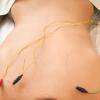
Electroacupuncture

Electroacupuncture is a form of acupuncture where a small electric current is passed between pairs of acupuncture needles. According to some acupuncturists, this practice augments the use of regular acupuncture, can restore health and well-being, and is particularly good for treating pain. There is evidence for some efficacy (when used in addition to antiemetics) in treating moderate post-chemotherapy vomiting, but not for acute vomiting or delayed nausea severity.

"Electroacupuncture is quite similar to traditional acupuncture in that the same points are stimulated during treatment. As with traditional acupuncture, needles are inserted on specific points along the body. The needles are then attached to a device that generates continuous electric pulses using small clips. These devices are used to adjust the frequency and intensity of the impulse being delivered, depending on the condition being treated. Electroacupuncture uses two needles at time so that the impulses can pass from one needle to the other. Several pairs of needles can be stimulated simultaneously, usually for no more than 30 minutes at a time."

That article adds:

"According to the principles of traditional Chinese medicine, illness is caused when chi does not flow properly throughout the body. Acupuncturists determine whether chi is weak, stagnant or otherwise out of balance, which indicates the points to be stimulated. Electroacupuncture is considered to be especially useful for conditions in which there is an accumulation of chi, such as in chronic pain syndromes, or in cases where the chi is difficult to stimulate."

Electroacupuncture is also variously termed EA, electro-acupuncture or incorporated under the generic term electrotherapy.

Electroacupuncture according to Voll (EAV) claims to measure "energy" in acupuncture points and to diagnose ailments. Some devices are registered in FDA as galvanic skin response measuring devices; they may not be used in diagnosis and treatment. Units reportedly sell for around $15,000 and are promoted for diagnosis of conditions including "parasites, food and environmental sensitivities, candida, nutritional deficiencies and much more." It is promoted for diagnosis of allergies.


  • Effect of acupuncture therapies combined with usual medical care on knee osteoarthritis. 📎

    facebook Share on Facebook
    Abstract Title:

    Effect of acupuncture therapies combined with usual medical care on knee osteoarthritis.

    Abstract Source:

    J Tradit Chin Med. 2019 Feb ;39(1):103-110. PMID: 32186030

    Abstract Author(s):

    Lele Zhang, Haixin Yuan, Lei Zhang, Jian Li, Hongmei Li

    Article Affiliation:

    Lele Zhang

    Abstract:

    OBJECTIVE:To observe the effect of acupuncture or electroacupuncture (EA) combined with usual medical care for treating knee osteoarthritis (KOA) .

    METHODS:A total of 90 patients with KOA were randomly allocated to 3 groups: usual care group (UC group, n = 30) was treated by pharmacological treatment of non-steroidal anti-inflammatory drugs (NSAIDs) and drugs for activating blood circulation (Ds-ABC), acupuncture (AP) combined with usual care group (UC group) (AP + UC group, n = 30) and EA combined with UC group (EA + UC group, n = 30). The primary outcome measurements included pain visual analogue scale/score (VAS), Western Ontario and McMaster Universities Osteoarthritis Index (WOMAC Index) and its subscales. Secondary outcome measurement was Assessment of Quality of Life instrument version of the 36-item Short Form Health Survey (AQoL-SF36).

    RESULTS:By the end of the 1st week, AP + UC group and EA + UC group exhibited statistically significant improvements in primary outcome measures, except for WOMAC stiffness, compared with the UC group (P<0.05). Moreover, the energy/fatigue domain of AQoL-SF36 in the AP + UC group showed better results than UC group (P<0.05). By the end of the 2nd week, all the primary outcome measures revealed that either the AP + UC or EA + UC group demonstrating remarkable advantages compared with the UC group (P<0.05). The social functioning and general health domains of AQoL-SF36 in the two acupuncture-intervention groups were improved significantly than UC group (P<0.05). We also found the energy/fatigue and emotional wellbeing domains of AQoL-SF36 in the EA + UC group demonstrated better results than UC group (P<0.05).

    CONCLUSION:AP or EA combined with usual care is more effective than usual care alone for the treatment of KOA, the intervention of electric current in the process of acupuncture may improve more domains of AQoL-SF36 in KOA patients.

  • Effect of electro-acupuncture, massage, mud, and sauna therapies in patient with rheumatoid arthritis. 📎

    facebook Share on Facebook
    Abstract Title:

    Effect of electro-acupuncture, massage, mud, and sauna therapies in patient with rheumatoid arthritis.

    Abstract Source:

    J Ayurveda Integr Med. 2015 Oct-Dec;6(4):295-9. PMID: 26834431

    Abstract Author(s):

    Geetha B Shetty, A Mooventhan, N Anagha

    Article Affiliation:

    Geetha B Shetty

    Abstract:

    A 48-year-old married woman diagnosed with rheumatoid arthritis (RA) in 2007, came to our hospital in July 2014 with the complaint of severe pain and swelling over multiple joints, especially over small joints, which was associated with stiffness (more in morning), deformities of fingers and toes, with disturbed sleep and poor quality of life (QOL) for the past 7 years. She received a combination of electro acupuncture (14 sessions), massage (18 sessions), mud (18 sessions), and sauna (3 sessions) (EMMS) therapies for 30-min, 45-min, 30-min, and 15-min per session, respectively for 3 weeks. During and postintervention assessment showed reduction in visual analog scale score for pain, Depression Anxiety and Stress Scales and the Pittsburgh Sleep Quality Index scores. It also showed an increase in the scores of 10-Meter Walk Test, isometric hand-grip test, and short form-36 version-2 health survey. This result suggest that, the EMMS therapy might be considered as an effective treatments in reducing pain, depression, anxiety, and stress with improvement in physical functions, quality of sleep and QOL in patient with RA. EMMS therapies were tolerated and no side effects were reported by the patient. Though the results are encouraging, further studies are required with larger sample size and advanced inflammatory markers.

  • Effect of electro-acupuncture, massage, mud, and sauna therapies in patient with rheumatoid arthritis. 📎

    facebook Share on Facebook
    Abstract Title:

    Effect of electro-acupuncture, massage, mud, and sauna therapies in patient with rheumatoid arthritis.

    Abstract Source:

    J Ayurveda Integr Med. 2015 Oct-Dec;6(4):295-9. PMID: 26834431

    Abstract Author(s):

    Geetha B Shetty, A Mooventhan, N Anagha

    Article Affiliation:

    Geetha B Shetty

    Abstract:

    A 48-year-old married woman diagnosed with rheumatoid arthritis (RA) in 2007, came to our hospital in July 2014 with the complaint of severe pain and swelling over multiple joints, especially over small joints, which was associated with stiffness (more in morning), deformities of fingers and toes, with disturbed sleep and poor quality of life (QOL) for the past 7 years. She received a combination of electro acupuncture (14 sessions), massage (18 sessions), mud (18 sessions), and sauna (3 sessions) (EMMS) therapies for 30-min, 45-min, 30-min, and 15-min per session, respectively for 3 weeks. During and postintervention assessment showed reduction in visual analog scale score for pain, Depression Anxiety and Stress Scales and the Pittsburgh Sleep Quality Index scores. It also showed an increase in the scores of 10-Meter Walk Test, isometric hand-grip test, and short form-36 version-2 health survey. This result suggest that, the EMMS therapy might be considered as an effective treatments in reducing pain, depression, anxiety, and stress with improvement in physical functions, quality of sleep and QOL in patient with RA. EMMS therapies were tolerated and no side effects were reported by the patient. Though the results are encouraging, further studies are required with larger sample size and advanced inflammatory markers.

  • Effect of electroacupuncture at Jiaji (EX-B 2) on drug craving of heroin addicts and beta-EP and Dyn-A in plasma

    facebook Share on Facebook
    Abstract Title:

    [Effect of electroacupuncture at Jiaji (EX-B 2) on drug craving of heroin addicts and beta-EP and Dyn-A in plasma].

    Abstract Source:

    Zhongguo Zhen Jiu. 2010 Nov;30(11):881-5. PMID: 21246840

    Abstract Author(s):

    Jing-Ping Mu, Li Liu, Wei Fang, Jian-Ming Cheng, Lei Zhao

    Article Affiliation:

    Department of Acupuncture and Moxibustion, Taihe Hospital Affiliated to Hubei Medical College, Shiyan 442000, China. This email address is being protected from spambots. You need JavaScript enabled to view it.

    Abstract:

    OBJECTIVE:To explore the clinical effect and mechanism of electroacupuncture at Jiaji (EX-B 2) on drug craving of heroin addicts.

    METHODS:One hundred and twenty cases of heroin addicts were randomly divided into 4 groups, 30 cases in each. In acupuncture group 1, the Jiaji (EX-B 2) points of T5-T7 and Shenshu (BL 23) were selected with electroacupuncture; in acupuncture group 2, Neiguan (PC 6), Shenmen (HT 7) and Zusanli (ST 36) etc. were selected with electroacupuncture; in simulation group, Zusanli (ST 36) and Sanyinjiao (SP 6) were selected with analog electrical stimulation, and in blank group no any therapy was applied. The changes of drug craving were evaluated by Visual Analogue Scale (VAS) and the changes of beta-EP and Dyn-A in plasma before and after treatment were tested by radioimmunoassay.

    RESULTS:The relapse rate of 77.3% (17/22) in acupuncture group 1 was lower than those of 88.5% (23/26) in acupuncture group 2, 90.5% (19/21) in simulation group and 95.7% (22/23) in blank group (all P<0.05). At the 8th and 10th week of treatment, the VAS scores in acupuncture group 1 and 2 were much lower than those in blank group and simulation group (all P<0.01); in which, it was lower in acupuncture group 1 than that in acupuncture group 2 (P<0.05), and lower in simulation group than that in blank group. After 10 weeks of treatment, compared with the status before treatment, beta-EP and Dyn-A in plasma were increased in acupuncture group 1 and 2 (P<0.05, P<0.01), Dyn-A was decreased in both simulation and blank groups (both P<0. 01) which was less obvious than those in both acupuncture groups (both P<0.01) and superior in acupuncture group 1 than that in group 2 (P<0.05).

    CONCLUSION:Electroacupuncture at Jiaji (EX-B 2) can suppress the drug craving and reduce the relapse rate, and the mechanism may be related with the content of beta-EP, especially the increase of Dyn-A in plasma.

  • Effect of electroacupuncture combined with Ginkgo biloba extract (GBE 50) on learning-memory ability and hippocampal cytokine levels in rats with dysmnesy

    facebook Share on Facebook
    Abstract Title:

    [Effect of electroacupuncture combined with Ginkgo biloba extract (GBE 50) on learning-memory ability and hippocampal cytokine levels in rats with dysmnesy].

    Abstract Source:

    Zhen Ci Yan Jiu. 2009 Oct;34(5):329-33. PMID: 20128293

    Abstract Author(s):

    Rong Shen, Ying Xu, Zhi-Xiong Zhang, Yun Li, Xing-Yu Wang

    Article Affiliation:

    The Affiliated Renji Hospital of Shanghai Jiaotong University, Shanghai 200001, China.

    Abstract:

    OBJECTIVE: To observe the effect of electroacupuncture (EA) combined with Ginkgo biloba extract (GBE 50) on learning-memory ability and hippocampal cytokine contents in aging rats for exploring its underlying mechanism in the treatment of dysmnesy. METHODS: Forty-five SD rats were randomly divided into control (n=9), model (n=8), EA (n=10), GBE 50 (n=9) and EA + GBE 50 (n=9) groups. The dysmnesy model was established by D-galactose intraperitoneal injection for 42 days. EA (3 Hz, 1 mA) was applied to "Baihui" (GV 20) and "Zusanli" (ST 36) for 20 min, once every other day for 21 days. The learning-memory ability was detected by Morris water maze tests. The levels of IL-1beta, IL-6 and TNF-alpha in hippocampus were examined by radioimmunoassay. RESULTS: Compared with control group, the mean escape latency (MEL) of the rats in model group was significantly greater on the 2nd and 3rd day training (P<0.05, P<0.01), and the percent of swimming distance (PSD) in the target quadrant was shortened significantly (P<0.01). Compared with model group, the MEL values of the rats in EA, GBE 50 and EA + GBE 50 groups were significantly shortened (P<0.05, P<0.01), and the PSD values of the later 3 groups increased considerably (P<0.01). Comparison among the EA, GBE 50 and EA + GBE 50 groups showed that the MEL of EA + GBE 50 was obviously shorter than those of EA and GBE 50 groups (P<0.05). Compared with control group, the contents of IL-1beta) and TNF-alpha in hippocampus in model group increased significantly, but IL-6 decreased markedly (P<0.05, P<0.01). In comparison with model group, the IL-1beta contents of EA, GBE 50 and EA + GBE 50 groups, and TNF-alpha of EA and EA + GBE 50 groups were reduced significantly (P<0.05, P<0.01); and the contents of IL-6 in GBE 50 and EA + GBE 50 groups increased apparently (P<0.01). No significant differences were found between model and EA groups in IL-6 levels, and between model and EA + GBE 50 groups in hippocampal TNF-a levels (P>0.05). CONCLUSION: Both EA and GBE 50 can improve the dysmnesy rats' learning-memory ability, which may be closely associated with their effects in regulating hippocampal IL-1beta, IL-6 and TNF-alpha levels to relieve the inflammatory reaction. Combined administration of EA and GBE 50 has a synergic effect.

  • Effect of electroacupuncture in patients with post-stroke motor aphasia : Neurolinguistic and neuroimaging characteristics.

    facebook Share on Facebook
    Abstract Title:

    Effect of electroacupuncture in patients with post-stroke motor aphasia : Neurolinguistic and neuroimaging characteristics.

    Abstract Source:

    Wien Klin Wochenschr. 2016 Sep 2. Epub 2016 Sep 2. PMID: 27590260

    Abstract Author(s):

    Jingling Chang, Hua Zhang, Zhongjian Tan, Juan Xiao, Shuren Li, Ying Gao

    Article Affiliation:

    Jingling Chang

    Abstract:

    BACKGROUND:In this study we investigated the neurolinguistic and neuroimaging characteristics of post-stroke motor aphasia patients. The effects of acupuncture on cortex activation by using magnetic resonance imaging (MRI) in patients with motor aphasia were also studied.

    METHODS:In this study 43 patients with motor aphasia after stroke were assessed according to Clinical Rehabilitation Research Center aphasia examination (CRRCAE) for linguistic evaluation and MRI and computed tomography (CT) were used for the analyses of brain lesions. The MRI imaging data were also examined using statistical parametric mapping (SPM8) software. Cortex activation images during acupuncture were analyzed using generalized linear model analysis.

    RESULTS:The results of MRI and CT showed diverse brain lesion regions of post-stroke motor aphasia including the cortex, subcortex and cortex together with the subcortex. The language-related brain areas are activated by acupuncture including frontal, temporal, parietal and occipital lobes as well as insula, precuneus and other wide range of brain function areas as shown by MRI.

    CONCLUSIONS:Our study showed that the brain lesion regions in post-stroke motor aphasia were not completely consistent with the classical motor speech center. By using MRI our study results suggest that the formation of cognitive language may be involved with the cortical-subcortical functional networks. Acupuncture may be useful for treatment of motor aphasia after stroke.

  • Effect of Electroacupuncture in"Zusanli"and"Kunlun"Acupoints on TLR4 Signaling Pathway of Adjuvant Arthritis Rats.

    facebook Share on Facebook
    Abstract Title:

    Effect of Electroacupuncture in"Zusanli"and"Kunlun"Acupoints on TLR4 Signaling Pathway of Adjuvant Arthritis Rats.

    Abstract Source:

    Am J Ther. 2016 Aug 29. Epub 2016 Aug 29. PMID: 27574922

    Abstract Author(s):

    Zhe-Qing Dong, Ji Zhu, De-Zhao Lu, Qin Chen, Ying-Ling Xu

    Article Affiliation:

    Zhe-Qing Dong

    Abstract:

    BACKGROUND:Rheumatoid arthritis (RA) is a chronic systemic autoimmune disease. Previous study suggested that toll-like receptor (TLR) signaling pathway contributes to the development and progression of RA. In recent years, acupuncture has become one of the most vital treatments of arthralgia. But little is known about the mechanisms of improving RA by acupuncture.

    STUDY QUESTION:The study studied the effect of electroacupuncture in"Zusanli"and"Kunlun"acupoints on the expression of TLR4, myeloid differentiation factor 88 (MYD88), and NF-κB in adjuvant arthritis rats to clarify the molecular mechanism of acupuncture of RA.

    STUDY DESIGN:A rat model of adjuvant arthritis was established with injection of 0.1 mL Freund complete adjuvant in the right hindlimb footpad. We next punctured the Zusanli and Kunlun acupoints with 0.25× 40-mm acupuncture needles to 5-mm depth. Then, we performed electroacupuncture treatment for 28 days with frequency of 2 Hz and intensity of 2 mA, once a day and 30 minutes each time.

    MEASURES AND OUTCOMES:Arthritis index and paw swelling were measured every week. FQ-PCR and western blot were used to detect the expression of TLR4, MYD88, and NF-κB.

    RESULTS:Paw swelling of rats injected with Freund complete adjuvant was more serious than that of the normal rats, which illustrated the successful establishment of adjuvant arthritis rat model. After treatment for 14 days, the paw swelling and joint symptoms score decreased, paw tissue inflammation eased in the rats of treatment group compared with the model group during the same period. After treatment for 28 days, the expression of TLR4, MYD88, and NF-κB in the ankle bone tissues decreased at both mRNA and protein levels.

    CONCLUSIONS:Stimulation with electric needle in Zusanli and Kunlun acupoints can reduce the expression of TLR4, MYD88, and NF-κB, which play an important role in treatment of adjuvant arthritis.

  • Effect of electroacupuncture of "Neiguan" (PC 6) on heart rate and plasma catecholamine contents in ventricular tachycardia rats

    facebook Share on Facebook
    Abstract Title:

    [Effect of electroacupuncture of "Neiguan" (PC 6) on heart rate and plasma catecholamine contents in ventricular tachycardia rats].

    Abstract Source:

    Zhen Ci Yan Jiu.2009 Jun;34(3):180-2, 187. PMID: 19761112

    Abstract Author(s):

    Hua Wang, Li-xia Deng, Xu-ping Wu, Ji-yang Bai

    Abstract:

    OBJECTIVE: To observe the effect of electroacupuncture (EA) of "Neiguan" (PC 6) on heart rate (HR) and plasma catecholamine (CA) levels in ventricular tachycardia (VT) rats. METHODS: A total of 50 SD rats were randomly divided into normal control, sham-operation (sham), model, EA-PC 6 and EA-LU 7 groups, with 10 cases in each. VT model was established by intravenous injection of cesium chloride (CsCl) via femoral vein. Electrocardiogram (ECG) was recorded. EA (2 Hz/15 Hz, 1 mA) was separately applied to bilateral "Neiguan" (PC 6) and "Lieque" (LU 7) for 5 minutes, followed by collecting blood samples for detecting plasma norepinephrine (NE) and epinephrine (E) levels with fluorometric method. RESULTS: In comparison with normal control group, plasma NE and E contents in model group increased apparently (P < 0.01). Compared with model group, HR and plasma NE and E contents of EA-PC 6 group reduced significantly (P < 0.01), while those of EA-LU 7 had no apparent change (P > 0.05). CONCLUSION: EA of "Neiguan" (PC 6) can downregulate heart rate and plasma CA level in VT rats, which may contribute to its effect in relieving tachycardia.

  • Effect of electroacupuncture on the inflammatory response in patients with acute pancreatitis: an exploratory study.

    facebook Share on Facebook
    Abstract Title:

    Effect of electroacupuncture on the inflammatory response in patients with acute pancreatitis: an exploratory study.

    Abstract Source:

    Acupunct Med. 2015 Apr ;33(2):115-20. Epub 2014 Dec 17. PMID: 25520280

    Abstract Author(s):

    Shi-Feng Zhu, Hui Guo, Rong-Rong Zhang, Yumei Zhang, Juan Li, Xian-Lin Zhao, Tian-Rong Chen, Mei-Hua Wan, Guang-Yuan Chen, Wen-Fu Tang

    Article Affiliation:

    Shi-Feng Zhu

    Abstract:

    OBJECTIVES:To examine the effects of electroacupuncture (EA) on inflammatory responses in patients with acute pancreatitis (AP).

    METHODS:Eighty patients with mild or severe AP were randomly allocated to a control group or an EA group. All patients were managed conservatively. In addition, the EA group received acupuncture for 30 min per day for 7 days at bilateral points ST36, LI4, TE6, ST37 and LR3. Interleukin (IL)-6, IL-10 and C-reactive protein (CRP) levels were measured on admission and on day 7. The time to re-feeding and length of stay in hospital were also recorded.

    RESULTS:A total of 58 patients provided complete data. The characteristics of the patients in the EA and control groups were similar. After 7 days the serum concentrations of IL-10 were higher in the EA group than in the control group (mild AP: 6.2±1.2 vs 5.2±0.9 pg/mL, p<0.05; severe AP: 14.9±7.8 vs 7.9±6.3 pg/mL, p<0.05). For patients with severe AP, the CRP level in the EA group was lower than in the control group (p<0.05).

    CONCLUSIONS:EA may reduce the severity of AP by inducing anti-inflammatory effects and reducing the time to re-feeding; however, it did not reduce the length of hospital stay.

    TRIAL REGISTRATION NUMBER:ChiCTR-TRC-13003572.

  • Effect of electroacupuncture on the proliferation of stem cells in the subependymal zone of the lateral ventricle of the brain in rats with hyperlipemia and cerebral ischemia

    facebook Share on Facebook
    Abstract Title:

    [Effect of electroacupuncture on the proliferation of stem cells in the subependymal zone of the lateral ventricle of the brain in rats with hyperlipemia and cerebral ischemia].

    Abstract Source:

    Zhen Ci Yan Jiu. 2010 Jun;35(3):175-81. PMID: 20848891

    Abstract Author(s):

    Xiu-jun Ren, Hui-fang Ma

    Article Affiliation:

    School of Acu-moxibustion, Beijing University of Chinese Medicine, Beijing 100029, China.

    Abstract:

    OBJECTIVE: To observe the effect of electroacupuncture (EA) and acupuncture (A) on the proliferation of stem cells in the subependymal zone (SPZ) of the lateral ventricle and the frontal lobe cortex in hyperlipemia(HL) combined with cerebral ischemia (CI) rats. METHODS: A total of 72 male SD rats were randomized into control, HL, HL+EA, CI, CI+A, HL+CI, HL+CI+EA I and HL+CI+EA II groups (n=9 /group). HL model was established by feeding the animals with high fat forage for 6 weeks and CI model was established by FeCl3-induced occlusion of the unilateral middle cerebral artery. EA was applied to "Sanyinjiao" (SP 6) and "Fenglong" (ST 40) once daily for 17 days for HL+ EA group; and acupuncture to "Baihui" (GV 20) and "Shuigou" (GV 26) once daily for 7 days for CI + A group. For HL+CI+EA I group, EA was applied to SP 6 + ST 40 first before CI, once daily for 10 days, followed by EA of SP 6+ST 40 and acupuncture of GV20+GV26 for 7 days after CI. For HL+CI+EA II group, no treatment was given before CI, then, acupuncture of GV 20 + GV 26 and EA of SP 6 + ST 40 were given once daily for 7 days after CI. The immunoactivity of Nestin and proliferation cell nuclear antigen (PONA) of SPZ was detected by immunohistochemistry. RESULTS: In comparison with normal control group, the numbers of both Nestin and PCNA immunoreaction (IR) positive cells in the dorsolateral extension and the wall of the lateral ventricle of the brain increased significantly in CI and HL+CI groups (P<0.01). Compared with CI group, the numbers of Nestin and PCNA IR positive cells in the dorsolateral extension and the wall of the lateral ventricle in CI + A group increased considerably (P<0.01). In comparison with HL+CI group, both Nestin and PCNA IR positive cell numbers in the dorsolateral extension and the wall of the lateral ventricle of the brain in HL+CI+EA I and HL+CI+EA II groups increased significantly (P<0.01), and the effect of HL+CI+EA I group was markedly superior to that of HL+CI+EA II group in upregulating the numbers of Nestin and PCNA IR positive cells in the aforementioned regions of the lateral ventricle (P<0.01). No significant differences were found between HL and control groups, and between HL+EA and HL groups in the numbers of Nestin and PCNA IR positive cells in the dorsolateral extension and the wall of the lateral ventricle of the brain (P>0.05). CONCLUSION: EA can upregulate Nestin and PCNA expression of the dorsolateral extension and the wall of the lateral ventricle of the brain on the ischemic side in rats with CI, and with HL+CI, which may contribute to its effects in promoting the proliferation and migration of neural stem cells in the brain.

  • Effect of Electroacupuncture Stimulation of Sensitized Acupoints on Bowel Dysfunction in Rats with Diarrhea-predominant Irritable Bowel Syndrome

    facebook Share on Facebook
    Abstract Title:

    [Effect of Electroacupuncture Stimulation of Sensitized Acupoints on Bowel Dysfunction in Rats with Diarrhea-predominant Irritable Bowel Syndrome].

    Abstract Source:

    Zhen Ci Yan Jiu. 2017 Oct 25 ;42(5):413-7. PMID: 29105469

    Abstract Author(s):

    Cheng-Cheng Lei, Liang Li, Hong Zhang, Jia Li, Qing Zhang, Shi-Qin Liu, Ye-Ye Tian, Hao Tian, Ling-Ling Yu

    Article Affiliation:

    Cheng-Cheng Lei

    Abstract:

    OBJECTIVE:To investigate the effect of electroacupuncture(EA)stimulation of sensitized acupoints on bowel dysfunction in diarrhea-predominant irritable bowel syndrome(D-IBS)rats.

    METHODS:Fifty SD rats were randomly divided into control, model, EA sensitized acupoint and EA non-sensitized acupoint groups, with 20 rats in the model group and 10 rats in each of the other 3 groups. The D-IBS model was established by chronic restraint stress and intragastric administration of folium sennae (0.3 g/mL, 10 mL/kg), once daily for 2 weeks, followed by two weeks' restraint stress stimulation. The sensitized acupoints were determined by locating the extravasation points of Evans Blue (EB) dye after tail-intravenous injection, and stimulated with EA (2 mA, 2 Hz) for 30 min, once daily for 7 consecutive days. For rats of the EA non-sensitized acupoint group, bilateral BL 15 were stimulated with the same parameters and same stimulation duration. The rats' bowel mobility was evaluated by Bristol stool scale (BSS), loose stools rate and diarrhea index.

    RESULTS:After modeling, the BSS, loose stool rate, and diarrhea index were significantly increased in the model group relevant to the control group (P<0.05). After the treatment, the BSS, loose stool rate, and diarrhea index on day 7 were considerably lowered in the EA-BL 25 group (P<0.05) but not in EA-BL15 group (P<0.05), suggesting a better therapeutic effect of EA of the sensitized acupoint. No significant changes were found in the abovementioned 3 indexes on day 4 after the treatment relevant to the model group (P<0.05).

    CONCLUSIONS:EA stimulation of the sensitized acupoint can improve diarrhea in D-IBS rats.

  • Effectiveness of Acupuncture and Electroacupuncture for Chronic Neck Pain: A Systematic Review and Meta-Analysis.

    facebook Share on Facebook
    Abstract Title:

    Effectiveness of Acupuncture and Electroacupuncture for Chronic Neck Pain: A Systematic Review and Meta-Analysis.

    Abstract Source:

    Am J Chin Med. 2017 Nov 9:1-23. Epub 2017 Nov 9. PMID: 29121797

    Abstract Author(s):

    See Yoon Seo, Ki-Beom Lee, Joon-Shik Shin, Jinho Lee, Me-Riong Kim, In-Hyuk Ha, Youme Ko, Yoon Jae Lee

    Article Affiliation:

    See Yoon Seo

    Abstract:

    The aim of this systematic review was to assess evidence from randomized controlled trials (RCTs) on the effectiveness and safety of acupuncture and electroacupuncture in patients with chronic neck pain. We searched nine databases including Chinese, Japanese and Korean databases through 30 July 2016. The participants were adults with chronic neck pain and were treated with acupuncture or electroacupuncture. Eligible trials were those with intervention groups receiving acupuncture and electroacupuncture with or without active control, and control groups receiving other conventional treatments such as physical therapy or medication. Outcomes included pain intensity, disability, quality of life (QoL) and adverse effects. For statistical pooling, the standardized mean difference (SMD) and its 95% confidence interval (CI) were calculated using a fixed-effects model. Sixteen RCTs were selected. The comparison of the sole acupuncture group and the active control group did not come out with a significant difference in pain (SMD 0.24, 95% CI [Formula: see text]0.27-0.75), disability (SMD 0.51, 95% CI [Formula: see text]0.01-1.02), or QoL (SMD [Formula: see text]0.37, 95% CI [Formula: see text]1.09-0.35), showing a similar effectiveness of acupuncture with active control. When acupuncture was added into the control group, the acupuncture add-on group showed significantly higher relief of pain in studies with unclear allocation concealment (SMD [Formula: see text]1.78, 95% CI [Formula: see text]2.08-[Formula: see text]1.48), but did not show significant relief of pain in studies with good allocation concealment (SMD [Formula: see text]0.07, 95% CI [Formula: see text]0.26-0.12). Significant relief of pain was observed when the sole electroacupuncture group was compared to the control group or electroacupuncture was added onto the active control group, but a lot of the results were evaluated to have low level of evidence, making it difficult to draw clear conclusions. In the result reporting adverse effects, no serious outcome of adverse event was confirmed. Acupuncture and conventional medicine for chronic neck pain have similar effectiveness on pain and disability when compared solely between the two of them. When acupuncture was added onto conventional treatment it relieved pain better, and electroacupuncture relieved pain even more. It is difficult to draw conclusion because the included studies have a high risk of bias and imprecision. Therefore better designed large-scale studies are needed in the future.

  • Effectiveness of acupuncture in individuals with tinnitus: randomized controlled trial.

    facebook Share on Facebook
    Abstract Title:

    Effectiveness of acupuncture in individuals with tinnitus: randomized controlled trial.

    Abstract Source:

    Braz J Otorhinolaryngol. 2015 Nov 14. Epub 2015 Nov 14. PMID: 26654962

    Abstract Author(s):

    Marcelo Yugi Doi, Simone Sayomi Tano, Adriane Rocha Schultz, Luciana Lozza de Moraes Marchiori

    Article Affiliation:

    Marcelo Yugi Doi

    Abstract:

    INTRODUCTION:Tinnitus is a subjective sensation of hearing a sound in the absence of an external stimulus, which significantly worsens the quality of life in 15-25% of affected individuals.

    OBJECTIVE:To assess the effectiveness of acupuncture therapy on tinnitus.

    METHODS:Randomized clinical trial with 50 participants with tinnitus, divided into two groups: 25 participants in the acupuncture group (AG) and 25 participants in the control group (CG). The AG received acupuncture treatment and the CG received no treatment. After a period of 5 weeks, they were called to perform the final evaluation and the CG received acupuncture treatment for ethical reasons.

    RESULTS:A statistically significant result was found for the primary outcome, reducing the intensity of tinnitus, with p=0.0001 and the secondary endpoint, showing improvement in quality of life, with p=0.0001.

    CONCLUSION:Chinese scalp acupuncture associated with bilateral electroacupuncture demonstrated, in the short term, a statistically significant improvement by reducing the level of tinnitus intensity, as well as improving the quality of life of individuals with tinnitus.

  • Effectiveness of acupuncture in individuals with tinnitus: randomized controlled trial📎

    facebook Share on Facebook
    Abstract Title:

    Effectiveness of acupuncture in individuals with tinnitus: randomized controlled trial.

    Abstract Source:

    Braz J Otorhinolaryngol. 2015 Nov 14. Epub 2015 Nov 14. PMID: 26654962

    Abstract Author(s):

    Marcelo Yugi Doi, Simone Sayomi Tano, Adriane Rocha Schultz, Luciana Lozza de Moraes Marchiori

    Article Affiliation:

    Marcelo Yugi Doi

    Abstract:

    INTRODUCTION:Tinnitus is a subjective sensation of hearing a sound in the absence of an external stimulus, which significantly worsens the quality of life in 15-25% of affected individuals.

    OBJECTIVE:To assess the effectiveness of acupuncture therapy on tinnitus.

    METHODS:Randomized clinical trial with 50 participants with tinnitus, divided into two groups: 25 participants in the acupuncture group (AG) and 25 participants in the control group (CG). The AG received acupuncture treatment and the CG received no treatment. After a period of 5 weeks, they were called to perform the final evaluation and the CG received acupuncture treatment for ethical reasons.

    RESULTS:A statistically significant result was found for the primary outcome, reducing the intensity of tinnitus, with p=0.0001 and the secondary endpoint, showing improvement in quality of life, with p=0.0001.

    CONCLUSION:Chinese scalp acupuncture associated with bilateral electroacupuncture demonstrated, in the short term, a statistically significant improvement by reducing the level of tinnitus intensity, as well as improving the quality of life of individuals with tinnitus.

  • Effectiveness of electroacupuncture and interferential eloctrotherapy in the management of frozen shoulder. 📎

    facebook Share on Facebook
    Abstract Title:

    Effectiveness of electroacupuncture and interferential eloctrotherapy in the management of frozen shoulder.

    Abstract Source:

    J Rehabil Med. 2008 Mar;40(3):166-70. PMID: 18292916

    Abstract Author(s):

    Gladys L Y Cheing, Eric M L So, Clare Y L Chao

    Abstract:

    OBJECTIVE: To examine whether the addition of either electroacupuncture or interferential electrotherapy to shoulder exercises would be more effective in the management of frozen shoulder. DESIGN: A double-blinded, randomized, controlled trial. METHODS: A total of 70 subjects were randomly allocated to receive either: (i) electroacupuncture plus exercise; (ii) interferential electrotherapy plus exercise; or (iii) no treatment (the control group). Subjects in groups (i) and (ii) received 10 sessions of the respective treatment, while the control group received no treatment for 4 weeks. Each subject's score on the Constant Murley Assessment and visual analogue scale were recorded at baseline, post-treatment session and subsequent follow-up sessions. RESULTS: In both the electroacupuncture and interferential electrotherapy groups, the Constant Murley Assessment score increased and the visual analogue scale score decreased significantly (both p < 0.001). No significant change was found in any outcome of the control group, and no significant difference was found between the 2 intervention groups (all p > 0.05). The observed improvement was well maintained in both intervention groups at least until the 6-month follow-up session. CONCLUSION: Either electroacupuncture or interferential electrotherapy in combination with shoulder exercises is effective in treating frozen shoulder patients. However, no significant difference was found between these types of treatment.

  • Effects of electro-acupuncture on endothelium-derived endothelin-1 and endothelial nitric oxide synthase of rats with hypoxia-induced pulmonary hypertension.

    facebook Share on Facebook
    Abstract Title:

    Effects of electro-acupuncture on endothelium-derived endothelin-1 and endothelial nitric oxide synthase of rats with hypoxia-induced pulmonary hypertension.

    Abstract Source:

    Exp Biol Med (Maywood). 2010 May;235(5):642-8. PMID: 20463305

    Abstract Author(s):

    Peng Pan, Xueyong Zhang, Hua Qian, Weidong Shi, Juan Wang, Yulong Bo, Wenzhi Li

    Article Affiliation:

    Department of Anesthesiology, Second Affiliated Hospital of Harbin Medical University, Anesthesiology Key Laboratory, Harbin Medical University, Education Department of Heilongjiang Province, Harbin 150081, China.

    Abstract:

    Pulmonary hypertension (PH) is characterized by elevated pulmonary artery pressure (PAP), pulmonary vascular remodeling and right ventricular hypertrophy, which are mainly due to endothelial dysfunction. Electro-acupuncture has shown beneficial effects on cardiovascular homeostasis, but little evidence has been obtained on pulmonary effects. The goal of the present study was to investigate whether electro-acupuncture on bladder-13 and -15 points can protect against chronic hypoxia-induced PH by regulating endothelium-derived endothelin (ET)-1 and endothelial nitric oxide synthase (eNOS). Male Wistar rats were exposed to hypoxia to induce PH. Hemodynamic analysis revealed that mean PAP was similar under normoxic conditions. Chronic hypoxia increased mean PAP to 37 +/- 3 mmHg, and electro-acupuncture attenuated it to 29 +/- 3 mmHg. Absolute right ventricular weight was ameliorated by electro-acupuncture from 0.288 +/- 0.048 g to 0.228 +/- 0.029 g under hypoxic conditions. Hypoxia-induced right ventricular hypertrophy index decreased from 0.477 +/- 0.069 to 0.378 +/- 0.053 with electro-acupuncture treatment. Histological examination revealed that hypoxic rats showed increased medial pulmonary artery wall thickness as well as muscularization. However, these alternations by chronic hypoxia were attenuated by electro-acupuncture. There was no difference in eNOS or ET-1 between groups under normoxic conditions. Electro-acupuncture treatment significantly improved the circulating eNOS concentration (365.36 +/- 31.51 pg/mL) compared with only hypoxia exposure (247.60 +/- 30.64 pg/mL). In lung homogenate, levels of eNOS under hypoxia increased from 684.96 +/- 117.90 to 869.86 +/- 197.61 pg/mg by electro-acupuncture treatment. Levels of ET-1 changed oppositely to eNOS in response to electro-acupuncture (ET-1 in plasma, 29.44 +/- 2.09 versus 20.70 +/- 2.37 pg/mL; ET-1 in lung homogenate, 120.51 +/- 3.03 versus 110.60 +/- 4.04 pg/mg). In conclusion, these results indicated that treatment with electro-acupuncture can protect against hypoxia-induced PH, possibly by regulating the balance of endothelium-derived vasoconstrictors and vasodilators.

  • Effects of electroacupuncture and simple acupuncture on changes of IL-1, IL-4, IL-6 and IL-10 in peripheral blood and joint fluid in patients with rheumatoid arthritis

    facebook Share on Facebook
    Abstract Title:

    [Effects of electroacupuncture and simple acupuncture on changes of IL-1, IL-4, IL-6 and IL-10 in peripheral blood and joint fluid in patients with rheumatoid arthritis].

    Abstract Source:

    Zhongguo Zhen Jiu. 2010 Oct;30(10):840-4. PMID: 21058483

    Abstract Author(s):

    Ba-Si Ouyang, Jian-Li Che, Jie Gao, Yin Zhang, Jun Li, Hai-Zhou Yang, Tian-Yan Hu, Yuan-Jian Wu, Man Yang

    Article Affiliation:

    Department of Acupuncture and Moxibustion, Suzhou municipal Hospital of TCM, Suzhou 215003, Jiangsu Province, China. This email address is being protected from spambots. You need JavaScript enabled to view it.

    Abstract:

    OBJECTIVE:To explore the mechanism of electroacupuncture on rheumatoid arthritis (RA).

    METHODS:In a randomized and controlled trial, sixty-three cases with RA were randomly divided into an electroacupuncture group (n = 32) and a simple acupuncture group (n = 31). Baihui (GV 20), Fengchi (GB 20), Quchi (LI 11), Waiguan (TE 5), Guanyuan (CV 4) and Zusanli (ST 36) were selected by coordination method combined whole and local acupoints. The electroacupuncture group was treated with electroacupuncture at the local acupoints near painful joints, continuous wave, retaining needle for 30 minutes, and then electroacupuncture at Back-shu acupoints, retaining needle for 15 minutes, and the simple acupuncture group was treated with the same acupoints selection and acupuncture manipulation without electroacupuncture apparatus. They were all treated once every other day for 20 days as one course. After 3 courses, changes of interleukins in peripheral blood and joint fluid of patients were observed.

    RESULTS:Both of electroacupuncture and simple acupuncture had significant effect on IL-1, IL-4, IL-6 and IL-10 in peripheral blood and joint fluid of patients with RA ( P<0.01, P<0.05). But after electroacupuncture, the absolute value and improvement value of decreasing IL-1 in peripheral blood and joint fluid were super than those of simple acupuncture (all P<0.05), and of IL-4 in joint fluid was super than that after simple acupuncture (P<0.05), and of IL-6 and the absolute value of decreasing IL-10 were almost the same after both treatment (all P>0.05), and after electroacupuncture, the improvement value of IL-10 in peripheral blood and joint fluid were super than those after simple acupuncture (both P<0.05).

    CONCLUSION:Electroacupuncture can effectively decrease the proinflammatory cytokine of IL-1 and IL-6 and increase the inhibition cytokine of IL-4 and IL-10 and improve the internal environment of occurrence and progression of RA.

  • Effects of Electroacupuncture at Governor Vessel Acupoints on Neurotrophin-3 in Rats with Experimental Spinal Cord Injury. 📎

    facebook Share on Facebook
    Abstract Title:

    Effects of Electroacupuncture at Governor Vessel Acupoints on Neurotrophin-3 in Rats with Experimental Spinal Cord Injury.

    Abstract Source:

    Neural Plast. 2016 ;2016:2371875. Epub 2016 Aug 11. PMID: 27597902

    Abstract Author(s):

    Yu-Ping Mo, Hai-Jiang Yao, Wei Lv, Liang-Yu Song, Hong-Tao Song, Xiao-Chen Yuan, Ying-Qiu Mao, Quan-Kai Jing, Su-Hua Shi, Zhi-Gang Li

    Article Affiliation:

    Yu-Ping Mo

    Abstract:

    In an effort to explore new, noninvasive treatment options for spinal cord injuries (SCI), this study investigated the effects of electroacupuncture (EA) for SCI rat models. SCI was induced by a modified Allen's weight-drop method. We investigated the response of EA at Dazhui (GV 14) and Mingmen (GV 4) acupoints to understand the effects and mechanisms of EA in neuroprotection and neuronal function recovery after SCI. BBB testing was used to detect motor function of rats' hind limbs among groups, and EA was shown to promote the recovery of SCI rats' motor function. Nissl staining showed a restored neural morphology and an increase in the quantity of neurons after EA. Also, the antiapoptosis role was exposed by TUNEL staining. Western blotting analysis was used to determine the protein expression of neurotrophin-3 (NT-3) in spinal cord tissue. Compared to the sham group, the expression levels of NT-3 were significantly decreased and EA was shown to upregulate the expression of NT-3. The present study suggests that the role of EA in neuroprotection and dorsal neuronal function recovery after SCI in rats, especially EA stimulation at GV 14 and GV 4, can greatly promote neuronal function recovery, which may result from upregulating the expression of NT-3.

  • Effects of electroacupuncture at shu-points of the five zang-organs on electrophysiologic function of sciatic nerve in the rabbit of Guillain-Barre syndrome

    facebook Share on Facebook

    Abstract Title:

    [Effects of electroacupuncture at shu-points of the five zang-organs on electrophysiologic function of sciatic nerve in the rabbit of Guillain-Barre syndrome].

    Abstract Source:

    Zhongguo Zhen Jiu. 2008 Jun;28(6):433-5. PMID: 18630543

    Abstract Author(s):

    Hong-Feng Wang, Gui-Rong Dong

    Article Affiliation:

    Changchun University of TCM, Changchun 130117, China. This email address is being protected from spambots. You need JavaScript enabled to view it.

    Abstract:

    OBJECTIVE: To probe into the mechanism of electroacupuncture at shu-points of the five zang-organs for treatment of Guillain-Barre syndrome (GBS). METHODS: Eighty healthy giant-ear white rabbits were randomly divided into 4 groups, a blank group, a model group, an electroacupuncture (EA) group and an immunoglobulin group, 20 rabbits in each group. The internationally recognized P 2 immune rabbit model was used in the study. The EA group were treated with EA at shu-points of the five zang-organs and the immunoglobulin group with intravenous injection of immunoglobulin 80 mg/kg/day. The sciatic nerve movement conduction velocity (MCV) and F wave incidence rate were investigated respectively at the 7th and 14th days of treatment in the rabbits of GBS. RESULTS: The sciatic nerve MCV significantly reduced in the model group, and it significantly increased (P<0.01) and F wave abnormal cases was significantly reduced (P<0.05) after treatment for 14 days in the EA group as compared with those in the model group. CONCLUSION: EA at shu-points of the five zang-organs can increase the sciatic nerve MCV and decrease the abnormal F wave incidence rate of the sciatic nerve in the rabbit of GBS.

  • Effects of electroacupuncture combined with behavior therapy on intelligence and behavior of children of autism

    facebook Share on Facebook
    Abstract Title:

    [Effects of electroacupuncture combined with behavior therapy on intelligence and behavior of children of autism].

    Abstract Source:

    Zhongguo Zhen Jiu. 2007 Sep;27(9):660-2. PMID: 17926617

    Abstract Author(s):

    Chun-nan Wang, Yan Liu, Xiao-hong Wei, Li-xia Li

    Abstract:

    OBJECTIVE: To find out an effective therapy for autism. METHODS: Sixty children of autism were randomly divided into an electroacupuncture (EA) plus behavior therapy group and a behavior therapy group, 30 cases in each group. The patients in the two groups were treated with routine behavior, with EA at Baihui (GV 20), Sishencong (EX-HN 1), Shenting (GV 24), Benshen (GB 13), Yintang (EX-HN 3), Naohu (GV 17), Naokong (GB 19), Neiguan (PC 6) and scalp acupuncture at Speech Areas I, II, III added for the EA plus behavior therapy group. Their therapeutic effects were observed, and the picture and vocabulary scale (PPVT) and behavior ability were detected. RESULTS: The total effective rate was 86.7% in the EA plus behavior therapy group which was better than 56.7% of the behavior therapy group, and had significant enhancement in sensation, association, body, and ability of self-care (P<0.05) and was better than the behavior therapy group in sensation, body and self-care factors, with no significantly improvement in the scores of PPVT in the two groups (P>0.05). CONCLUSION: EA combined with behavior therapy can significantly improve clinical symptoms of autism, but does not improve intelligence.

We use cookies on our website. Some of them are essential for the operation of the site, while others help us to improve this site and the user experience (tracking cookies). You can decide for yourself whether you want to allow cookies or not. Please note that if you reject them, you may not be able to use all the functionalities of the site.