CYBERMED LIFE - ORGANIC  & NATURAL LIVING
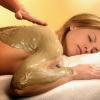
Mud therapy

Mud therapy: A mud bath is a bath of mud, commonly from areas where hot spring water can combine with volcanic ash. Mud baths have existed for thousands of years, and can be found now in high-end spas in many countries of the world.

Mud baths come from many sources:

  • lakes (e.g. Lake Techirghiol)
  • saltwater sea (e.g. Dead Sea in Jordan and Israel)
  • hot springs (e.g. Calistoga, Napa Valley, California)
  • mud volcano (e.g. Tiga Island, Malaysia, El Totumo, Colombia)

Mud baths in the United States are mostly found at the resorts in California and Miami Beach, Florida. The mud is a combination of local volcanic ash, imported Canadian peat and naturally heated mineral waters. Historically, the mud bath treatment has been used for centuries in Eastern and Western European spas as a way to relieve arthritis.

In Romania, Lake Techirghiol is famous for treatments with mud baths. The lake's hypersaline environment is due to the successive evaporation of sea water that remained in its basin after a tectono-erosive phase exhaustion created a fluvial-marine firth and the lake's connection to the sea closed. The accumulation of salts in the water is also a result of a semiarid climate with higher temperatures in summer, leading to pronounced evaporation. The lake's higher salinity (83.6 g/l in 1970, and 63.6 gl/l in 1980), in spite of a decrease over time, has been a bottleneck in the selection of the lake animal and plant species.

In Italy, in Lido delle Nazioni at Ferrara offers mud bath therapies. It is claimed that the treatment, which is founded on contact with bromine salt water, has anti-inflammatory, detoxifying, analgesic, relaxing and revitalizing properties.

Mud is an important element of nature. It contains important minerals which have positive effects on human health. Mud can absorb toxins from human body therefore is very useful in preventing many diseases. It is also known for its healing properties. It also helps in cooling and relaxing body as it can hold moisture for a long time. 

Benefits of Mud therapy

  1. It relaxes muscles and improves blood circulationIt maintains metabolism rendering positive impact on digestion
  2. It is useful in conditions of inflammation/ swelling and relieves pain
  3. It is a good hair conditioner and is good for skin
  4. It is useful in condition of stiff joints

Why use mud therapy?

Out of the five constituent elements of this universe mud (earth) has a pivotal role to play in our well being. The dark color of mud helps in absorbing different colors and conveying them to the the body, giving it therapeutic properties. Also, its shape and consistency may be modified with ease, just by changing the water content, which makes it easy to use. A mud pack is advantageous over a cold compress (cold water therapy) as it retains the coolness over a longer period of time. Therefore, it is recommended whenever a prolonged cold application is required. Lastly, it is easily available and a cost effective treatment option.

Types of Mud

Mud found in different parts of the world has different properties. Mud composition varies with the place of origin. Firstly, mineral constituents of mud varies with the kind of rocks found in the region and the process of soil formation. Secondly, mud property is influenced by kind of flora and fauna of the region. Therefore, it is essential to learn about properties of mud before utilizing it benefits. It is important to note that before using any type of mud it should be dried, powdered and sieved to remove any type of impurities such as stones, grass, etc.

Black mud: Dark cotton soil having some greasiness is suitable for mud therapy as it is rich in minerals and also retains water for long time. It should always be free from contamination and any kind of pollution.

Mud from Dead Sea: Cleopatra and Queen Sheeba used it for enhancing beauty, black mud of Dead sea has beautifying and therapeutic powers. It is contains more than 20 kinds of salts and minerals including Magnesium, Calcium, Potassium Bromide, Silicates, Natural Tar and organic elements. While these beneficial minerals are useful for  healing any kind of skin disorders, the presence of silicates make its masks very beneficial for softening and cleansing skin. The mud enhances blood circulation and leaves the skin with a glow. 


Moor Mud: It is mud produced over thousands of years from organic residue of flowers, grasses and herbs. This residue transformed over several years to fine paste which contains fulvic acids, vitamins, amino acids, plant hormones, humic acids  in a form which could be easily absorbed by human body. The mud has chelatic properties which enables its top layer to filter out impurities/pollutants and preserve purity of the mud. This mud has therapeutic properties and is useful in detoxification, healing, beautification, nourishing human body. The mud has anti-inflammatory and anti-aging effects. It is also useful in conditions such as Arthritis and recovery from injury in sports. 

  • Oxidative stress, hemoglobin content, superoxide dismutase and catalase activity influenced by sulphur baths and mud packs in patients with osteoarthritis.

    facebook Share on Facebook
    Abstract Title:

    Oxidative stress, hemoglobin content, superoxide dismutase and catalase activity influenced by sulphur baths and mud packs in patients with osteoarthritis.

    Abstract Source:

    Vojnosanit Pregl. 2010 Jul;67(7):573-8. PMID: 20707053

    Abstract Author(s):

    Aleksandar Jokić, Nikola Sremcević, Zeki Karagülle, Tatjana Pekmezović, Vukosava Davidović

    Article Affiliation:

    Specialized Hospital for Rehabilitation, Banja Koviljaca Spa, Serbia. This email address is being protected from spambots. You need JavaScript enabled to view it.

    Abstract:

    BACKGROUND/AIM: It is weel-known that sulphur baths and mud paks demonstrate beneficial effects on patients suffering from degenerative knee and hip osteoarthritis (OA) through the increased activity of protective antioxidant enzymes. The aim of this study was to assess lipid peroxidation level, i.e., malondialdehyde concetration, in individuals with knee and/or hip osteoarthritis (OA), as well as to determine the influence of sulphur baths and mud packs application on the activity of superoxide dismutase (SOD) and catalase (CAT) in order to minimize or eliminate excessive free radical species production (oxidative stress). METHODS: Thirty one patiens with knee and/or hip OA of both sexes were included in the study. All OA patients received mud pack and sulphur bath for 20 minutes a day, for 6 consecutive days a week, over 3 weeks. Blood lipid peroxidation, i.e., malondialdehyde concentration, superoxide dismutase and catalase activity were measured spectrophotometrically, before, on day 5 during the treatment and at the end of spa cure. Healthy volunteers (n=31) were the controls. RESULTS: The sulphur baths and mud packs treatment of OA patients caused a significant decrease in plasma malondialdehyde concentration compared to the controls (p<0.001). The mean SOD activity before the terapy was 1836.24 U/gHb, on day 5 it rose to 1942.15 U/gHb and after the spa cure dropped to 1745.98 U/gHb. Catalase activity before the therapy was 20.56 kU/gHb and at the end of the terapy decreased to 16.16 kU/gHb. The difference in catalase activity before and after the therapy was significant (p<0.001), and also significant as compared to control (p<0.001). At the end of the treatment significant increase of hemoglobin level and significant decrease of pain intensity were noticed. CONCLUSION: A combined 3-week treatment by sulphur bath and mud packs led to a significant decrease of lipid peroxidation in plasma, as well as pain intensity in the patients with OA. These changes were associated with changes in plasma activity of SOD and CAT and a significant increase of hemoglobin level suggesting their role in beneficial effect of spa therapy in the patients with OA.

  • Psoriasis and mud bath therapy: clinical-experimental study

    facebook Share on Facebook
    Abstract Title:

    [Psoriasis and mud bath therapy: clinical-experimental study].

    Abstract Source:

    Clin Ter. 2005 Jul-Aug;156(4):145-9. PMID: 16342515

    Abstract Author(s):

    M Costantino, E Lampa

    Abstract:

    OBJECTIVE: The psoriasis is chronic disease characterized from an acceleration of the kinetic of the cells of epidermis. To front of the empirical evidence of the benefits of the thermal therapy in the psoriasis, the experimentals-clinics studies is insufficient. The aim of research it has been that of quantify the benefits of the mud-bath therapy with mineral water in the psoriasis. PATIENT AND METHODS: The study has been channel on a champion of 30 subjects of which 19 of male sex and 11 of female sex with middle equal age to 56 years +/- 5.3 affected from psoriasis. The subjects of the examined champion have been divided to random in 2 groups: A and B. The group A has been treated with drugs used for psoriasis for 12 days; the B group has been treated, always for 12 consecutive days, with mud-bath therapy (FBT) with mineral water obtained from the mineral sources (chlorinate-sulphureous-bicarbonate) of the Spa of Stabia in Castellammare (NA). To the beginning and at the end of the advised treatments has been valued the prurient symptomatology and the PASI (Psoriasis and Severity Index). RESULTS: The data highlight an significant (P<0.05) reduction is of the prurient symptomatology and of the PASI in both the groups considered. CONCLUSIONS: The results of this first step of investigations seems to highlight that the FBT treatment, to the same way of the drugs anti-psoriasis, results useful in the ameliorate the quality of life of these patients.

  • Short- and long-term effects of mud-bath treatment on hand osteoarthritis: a randomized clinical trial.

    facebook Share on Facebook
    Abstract Title:

    Short- and long-term effects of mud-bath treatment on hand osteoarthritis: a randomized clinical trial.

    Abstract Source:

    Int J Biometeorol. 2014 Jan ;58(1):79-86. Epub 2013 Jan 14. PMID: 23314489

    Abstract Author(s):

    Antonella Fioravanti, Sara Tenti, Chiara Giannitti, Nicola Angelo Fortunati, Mauro Galeazzi

    Article Affiliation:

    Antonella Fioravanti

    Abstract:

    The aim of this study was to evaluate both the short-term and the long-term effectiveness of spa therapy in patients with primary hand osteoarthritis (OA). This was a prospective randomized, single blind controlled trial. Sixty outpatients with primary bilateral hand OA were included in the study and randomized to one of two groups. One group (n = 30) was treated with 12 daily local mud packs and generalized thermal baths with a sulfate-calcium-magnesium-fluorides mineral water added to usual treatment. The control group (n = 30) continued regular outpatient care routine (exercise, NSAIDs and/or analgesics). Each patient was examined at baseline, after 2 weeks, and after 3, 6, 9 and 12 months. Primary outcome measures were global spontaneous hand pain on a visual analogue scale (VAS) and the functional index for hand osteoarthritis (FIHOA) score; secondary outcomes were health assessment questionnaire (HAQ), duration of morning stiffness, medical outcomes study 36-item short form (SF-36) and symptomatic drugs consumption. Our results demonstrated that the efficacy of spa therapy was significant in all the assessed parameters, both at the end of therapy and after 3 months; the values of FIHOA, HAQ and drugs consumption continued to be significantly better after 6 months in comparison with baseline. There were no significant modifications of the parameters throughout the follow-up in the control group. Differences between the two groups were significant for all parameters at the 15th day and at 3 months follow-up; regarding FIHOA, HAQ, and symptomatic drugs consumption, the difference between the two groups persisted and was significant at 6month follow-up. Tolerability of spa therapy seemed to be good. In conclusion, our results confirm that the beneficial effects of spa therapy in patients with hand OAlast over time.

  • Short- and long-term effects of mud-bath treatment on hand osteoarthritis: a randomized clinical trial.

    facebook Share on Facebook
    Abstract Title:

    Short- and long-term effects of mud-bath treatment on hand osteoarthritis: a randomized clinical trial.

    Abstract Source:

    Int J Biometeorol. 2014 Jan ;58(1):79-86. Epub 2013 Jan 14. PMID: 23314489

    Abstract Author(s):

    Antonella Fioravanti, Sara Tenti, Chiara Giannitti, Nicola Angelo Fortunati, Mauro Galeazzi

    Article Affiliation:

    Antonella Fioravanti

    Abstract:

    The aim of this study was to evaluate both the short-term and the long-term effectiveness of spa therapy in patients with primary hand osteoarthritis (OA). This was a prospective randomized, single blind controlled trial. Sixty outpatients with primary bilateral hand OA were included in the study and randomized to one of two groups. One group (n = 30) was treated with 12 daily local mud packs and generalized thermal baths with a sulfate-calcium-magnesium-fluorides mineral water added to usual treatment. The control group (n = 30) continued regular outpatient care routine (exercise, NSAIDs and/or analgesics). Each patient was examined at baseline, after 2 weeks, and after 3, 6, 9 and 12 months. Primary outcome measures were global spontaneous hand pain on a visual analogue scale (VAS) and the functional index for hand osteoarthritis (FIHOA) score; secondary outcomes were health assessment questionnaire (HAQ), duration of morning stiffness, medical outcomes study 36-item short form (SF-36) and symptomatic drugs consumption. Our results demonstrated that the efficacy of spa therapy was significant in all the assessed parameters, both at the end of therapy and after 3 months; the values of FIHOA, HAQ and drugs consumption continued to be significantly better after 6 months in comparison with baseline. There were no significant modifications of the parameters throughout the follow-up in the control group. Differences between the two groups were significant for all parameters at the 15th day and at 3 months follow-up; regarding FIHOA, HAQ, and symptomatic drugs consumption, the difference between the two groups persisted and was significant at 6month follow-up. Tolerability of spa therapy seemed to be good. In conclusion, our results confirm that the beneficial effects of spa therapy in patients with hand OAlast over time.

  • Spa therapy for gonarthrosis: a prospective study.

    facebook Share on Facebook
    Abstract Title:

    Spa therapy for gonarthrosis: a prospective study.

    Abstract Source:

    Rheumatol Int. 1995;15(2):65-8. PMID: 7481482

    Abstract Author(s):

    I Wigler, O Elkayam, D Paran, M Yaron

    Article Affiliation:

    Department of Rheumatology, Tel Aviv Sourasky Medical Center, Tel Aviv University Sackler Faculty of Medicine, Israel.

    Abstract:

    The objective of this study was to evaluate the effect of spa therapy on clinical parameters of patients with gonarthrosis. Patients with gonarthrosis (n = 33) underwent a 2-week spa therapy using three treatment regimes and a 20-week follow-up as follows: group I (n = 11) had mineral water baths and hot native mineral mud packs, group II (n = 12) had mineral water baths and rinsed mineral-free mud packs and group III (n = 10) had tap water baths and mineral-free mud packs. The patients and the assessing rheumatologist were blinded to the difference in the treatment protocols. A significant improvement in the index of severity of the knee (ISK), as well as night pain scores, was achieved in group I. Improvement in physical findings and a reduction in pain ratings on a visual analogue scale (VAS) did not reach statistical significance. Analgesic consumption was significantly decreased in both groups I and III for up to 12 weeks. Global improvement assessed by patients and physician was observed in all three groups up to 16 weeks but persisted to the end of the follow-up period in group I only. Patients with gonarthrosis seemed to benefit from spa therapy under all three regimes. However, for two parameters (night pain and ISK) the combination of mineral water baths and mud packs (group I) appeared to be superior.

  • Spa therapy for gonarthrosis: a prospective study.

    facebook Share on Facebook
    Abstract Title:

    Spa therapy for gonarthrosis: a prospective study.

    Abstract Source:

    Rheumatol Int. 1995;15(2):65-8. PMID: 7481482

    Abstract Author(s):

    I Wigler, O Elkayam, D Paran, M Yaron

    Article Affiliation:

    Department of Rheumatology, Tel Aviv Sourasky Medical Center, Tel Aviv University Sackler Faculty of Medicine, Israel.

    Abstract:

    The objective of this study was to evaluate the effect of spa therapy on clinical parameters of patients with gonarthrosis. Patients with gonarthrosis (n = 33) underwent a 2-week spa therapy using three treatment regimes and a 20-week follow-up as follows: group I (n = 11) had mineral water baths and hot native mineral mud packs, group II (n = 12) had mineral water baths and rinsed mineral-free mud packs and group III (n = 10) had tap water baths and mineral-free mud packs. The patients and the assessing rheumatologist were blinded to the difference in the treatment protocols. A significant improvement in the index of severity of the knee (ISK), as well as night pain scores, was achieved in group I. Improvement in physical findings and a reduction in pain ratings on a visual analogue scale (VAS) did not reach statistical significance. Analgesic consumption was significantly decreased in both groups I and III for up to 12 weeks. Global improvement assessed by patients and physician was observed in all three groups up to 16 weeks but persisted to the end of the follow-up period in group I only. Patients with gonarthrosis seemed to benefit from spa therapy under all three regimes. However, for two parameters (night pain and ISK) the combination of mineral water baths and mud packs (group I) appeared to be superior.

  • Spa therapy in rheumatology. Indications based on the clinical guidelines of the French National Authority for health and the European League Against Rheumatism, and the results of 19 randomized clinical trials

    facebook Share on Facebook
    Abstract Title:

    [Spa therapy in rheumatology. Indications based on the clinical guidelines of the French National Authority for health and the European League Against Rheumatism, and the results of 19 randomized clinical trials].

    Abstract Source:

    Bull Acad Natl Med. 2009 Jun;193(6):1345-56; discussion 1356-8. PMID: 20120164

    Abstract Author(s):

    Alain Françon, Romain Forestier

    Article Affiliation:

    Centre de recherches rhumatologiques et thermales, 73100 Aix les Bains. This email address is being protected from spambots. You need JavaScript enabled to view it.

    Abstract:

    The objective of this work was to update the rheumatologic indications of spa therapy, based on clinical practice guidelines published by the French National Authority for Health (HAS) and the European League Against Rheumatism (EULAR), and on the results of randomized clinical trials (RCT)

    METHODOLOGY: We first examined the indications for which spa therapy is mentioned and/or recommended in HAS and EULAR guidelines. We then identified RCTs in spa therapy and rheumatology by using the key words spa therapy, balneology, balneotherapy, hydrotherapy, mud therapy and mineral water in the Pubmed, Pascal and Embase databases. Only RCTs including a statistical analysis of between-group outcomes were retained We also examined the possible contribution of RCTs not listed in the bibliography of the guidelines.

    RESULTS: RECOMMENDATIONS: spa therapy is recommended by HAS for chronic lower back pain, rank B and for stabilized rheumatoid arthritis, rank C. In ankylosing spondylitis, EULAR classifies spa therapy along with physiotherapy, rank A. In fibromyalgia, EULAR recommends hot-water balneology, an important component of spa therapy, rank B, based on five RCTs, of which three were carried out in thermal springs. Nineteen RCTs that comprised a statistical comparison of between-group outcomes were identified Sixteen studies indicated a persistent improvement (at least twelve weeks) in pain, analgesic and non-steroidal antiinflammatory drug consumption, functional capacity and/or quality of life, in the following indications: chronic lower back pain, knee osteoarthritis, hand osteoarthritis, fibromyalgia, ankylosing spondylitis andrheumatoidarthritis (PR).

    CONCLUSION: Spa therapy, or hot-water balneology, appears to be indicated for chronic low back pain, stabilized rheumatoid arthritis, ankylosing spondylitis and fibromyalgia. RCT findings suggest that patients with knee and hand osteoarthritis might also benefit.

  • The effect of mud therapy on pain relief in patients with knee osteoarthritis: a meta-analysis of randomized controlled trials. 📎

    facebook Share on Facebook
    Abstract Title:

    The effect of mud therapy on pain relief in patients with knee osteoarthritis: a meta-analysis of randomized controlled trials.

    Abstract Source:

    J Int Med Res. 2013 Oct ;41(5):1418-25. Epub 2013 Sep 5. PMID: 24008567

    Abstract Author(s):

    Hua Liu, Chao Zeng, Shu-guang Gao, Tuo Yang, Wei Luo, Yu-sheng Li, Yi-lin Xiong, Jin-peng Sun, Guang-hua Lei

    Article Affiliation:

    Hua Liu

    Abstract:

    OBJECTIVES:A meta-analysis was conducted to examine the effect of mud therapy on pain relief in patients with knee osteoarthritis (OA).

    METHODS:A detailed search of PubMed®/MEDLINE® was undertaken to identify randomized controlled trials and prospective comparative studies published before 9 March 2013 that compared mud therapy with control group treatments in patients with knee OA.

    RESULTS:A quantitative meta-analysis of seven studies (410 patients) was performed. There was a significant difference between the groups in the visual analogue scale pain score (standardized mean difference [SMD] -0.73) and Western Ontario and McMaster Universities Osteoarthritis Index pain score (SMD -0.30), with differences in favour of mud therapy.

    CONCLUSIONS:Mud therapy is a favourable option for pain relief in patients with knee OA. Additional high-quality randomized controlled trials need to be conducted to explore this issue further and to confirm this conclusion.

  • The effect of physical therapy on beta-endorphin levels.

    facebook Share on Facebook
    Abstract Title:

    The effect of physical therapy on beta-endorphin levels.

    Abstract Source:

    Eur J Appl Physiol. 2007 Jul;100(4):371-82. Epub 2007 May 5. PMID: 17483960

    Abstract Author(s):

    Tamás Bender, György Nagy, István Barna, Ildikó Tefner, Eva Kádas, Pál Géher

    Article Affiliation:

    Polyclinic of Hospitaller Brothers of St. John of God, Budapest, Hungary. This email address is being protected from spambots. You need JavaScript enabled to view it.

    Abstract:

    Beta-endorphin (betaE) is an important reliever of pain. Various stressors and certain modalities of physiotherapy are potent inducers of the release of endogenous betaE to the blood stream. Most forms of exercise also increase blood betaE level, especially when exercise intensity involves reaching the anaerobic threshold and is associated with the elevation of serum lactate level. Age, gender, and mental activity during exercise also may influence betaE levels. Publications on the potential stimulating effect of manual therapy and massage on betaE release are controversial. Sauna, mud bath, and thermal water increase betaE levels through conveying heat to the tissues. The majority of the techniques for electrical stimulation have a similar effect, which is exerted both centrally and--to a lesser extent--peripherally. However, the parameters of electrotherapy have not yet been standardised. The efficacy of analgesia and the improvement of general well-being do not necessarily correlate with betaE level. Although in addition to blood, increased brain and cerebrospinal fluid betaE levels are also associated with pain, the majority of studies have concerned blood betaE levels. In general, various modalities of physical therapy might influence endorphin levels in the serum or in the cerebrospinal fluid--this is usually manifested by elevation with potential mitigation of pain. However, a causal relationship between the elevation of blood, cerebrospinal fluid or brain betaE levels and the onset of the analgesic action cannot be demonstrated with certainty.

  • The effect of physical therapy on beta-endorphin levels.

    facebook Share on Facebook
    Abstract Title:

    The effect of physical therapy on beta-endorphin levels.

    Abstract Source:

    Eur J Appl Physiol. 2007 Jul;100(4):371-82. Epub 2007 May 5. PMID: 17483960

    Abstract Author(s):

    Tamás Bender, György Nagy, István Barna, Ildikó Tefner, Eva Kádas, Pál Géher

    Article Affiliation:

    Polyclinic of Hospitaller Brothers of St. John of God, Budapest, Hungary. This email address is being protected from spambots. You need JavaScript enabled to view it.

    Abstract:

    Beta-endorphin (betaE) is an important reliever of pain. Various stressors and certain modalities of physiotherapy are potent inducers of the release of endogenous betaE to the blood stream. Most forms of exercise also increase blood betaE level, especially when exercise intensity involves reaching the anaerobic threshold and is associated with the elevation of serum lactate level. Age, gender, and mental activity during exercise also may influence betaE levels. Publications on the potential stimulating effect of manual therapy and massage on betaE release are controversial. Sauna, mud bath, and thermal water increase betaE levels through conveying heat to the tissues. The majority of the techniques for electrical stimulation have a similar effect, which is exerted both centrally and--to a lesser extent--peripherally. However, the parameters of electrotherapy have not yet been standardised. The efficacy of analgesia and the improvement of general well-being do not necessarily correlate with betaE level. Although in addition to blood, increased brain and cerebrospinal fluid betaE levels are also associated with pain, the majority of studies have concerned blood betaE levels. In general, various modalities of physical therapy might influence endorphin levels in the serum or in the cerebrospinal fluid--this is usually manifested by elevation with potential mitigation of pain. However, a causal relationship between the elevation of blood, cerebrospinal fluid or brain betaE levels and the onset of the analgesic action cannot be demonstrated with certainty.

  • The effect of physical therapy on beta-endorphin levels.

    facebook Share on Facebook
    Abstract Title:

    The effect of physical therapy on beta-endorphin levels.

    Abstract Source:

    Eur J Appl Physiol. 2007 Jul;100(4):371-82. Epub 2007 May 5. PMID: 17483960

    Abstract Author(s):

    Tamás Bender, György Nagy, István Barna, Ildikó Tefner, Eva Kádas, Pál Géher

    Article Affiliation:

    Polyclinic of Hospitaller Brothers of St. John of God, Budapest, Hungary. This email address is being protected from spambots. You need JavaScript enabled to view it.

    Abstract:

    Beta-endorphin (betaE) is an important reliever of pain. Various stressors and certain modalities of physiotherapy are potent inducers of the release of endogenous betaE to the blood stream. Most forms of exercise also increase blood betaE level, especially when exercise intensity involves reaching the anaerobic threshold and is associated with the elevation of serum lactate level. Age, gender, and mental activity during exercise also may influence betaE levels. Publications on the potential stimulating effect of manual therapy and massage on betaE release are controversial. Sauna, mud bath, and thermal water increase betaE levels through conveying heat to the tissues. The majority of the techniques for electrical stimulation have a similar effect, which is exerted both centrally and--to a lesser extent--peripherally. However, the parameters of electrotherapy have not yet been standardised. The efficacy of analgesia and the improvement of general well-being do not necessarily correlate with betaE level. Although in addition to blood, increased brain and cerebrospinal fluid betaE levels are also associated with pain, the majority of studies have concerned blood betaE levels. In general, various modalities of physical therapy might influence endorphin levels in the serum or in the cerebrospinal fluid--this is usually manifested by elevation with potential mitigation of pain. However, a causal relationship between the elevation of blood, cerebrospinal fluid or brain betaE levels and the onset of the analgesic action cannot be demonstrated with certainty.

  • The efficacy of a topical gel prepared using Lake Urmia mud in patients with knee osteoarthritis.

    facebook Share on Facebook
    Abstract Title:

    The efficacy of a topical gel prepared using Lake Urmia mud in patients with knee osteoarthritis.

    Abstract Source:

    J Altern Complement Med. 2009 Nov;15(11):1239-42. PMID: 19922256

    Abstract Author(s):

    Nemati Mahboob, Kolahi Sousan, Azarmi Shirzad, Ghorbanihaghjo Amir, Varshoi Mohammad, Mokhtari Reza, Vatankhah Amir Mansour, Valizadeh Hadi

    Abstract:

    OBJECTIVES: Osteoarthritis (OA) is characterized by progressive cartilage degradation and secondary inflammation of the synovial membrane. Studies have shown that mud therapy may influence serum levels of several cytokines involved in the pathogenesis of OA and chondrocyte metabolism. The main targets of our research were to make use of Lake Urmia mud for topical gel formulation, evaluation of the possible therapeutic effects of this gel on symptoms of patients with knee OA and the evaluation of serum tumor necrosis factor-alpha (TNF-alpha) level after mud therapy in comparison with the application of a placebo. METHODS: Fifty (50) patients suffering from knee OA participated in this study and randomized into two groups: case group and control group. Patients in the case group received mud therapy and the placebo was applied to patients in the control group. Three (3) parameters including pain, morning stiffness, and joint functionality were assessed in all patients. Visual analogue scale and Western Ontario McMaster Osteoarthritis index (WOMAC) were the employed scales for pain assessment. Functional capacity was evaluated by using WOMAC functional capacity and WOMAC global index. All the mentioned steps were done before and after treatment. Blood samples, in both groups, were collected for measuring tumor necrosis factor (TNF)-alpha serum level. RESULTS: All the differences (for three parameters), in the case group, were statistically significant. TNF-alpha serum level reduction in both groups were detected: 19.41% in the case group and 1.76% in the control group. CONCLUSIONS: Mud therapy using formulated gel is an effective method in knee OA treatment and pain reduction. Further studies may be needed for the evaluation of possible synergism between pharmacological treatment and mud therapy.

  • The efficacy of balneotherapy and mud-pack therapy in patients with knee osteoarthritis.

    facebook Share on Facebook
    Abstract Title:

    The efficacy of balneotherapy and mud-pack therapy in patients with knee osteoarthritis.

    Abstract Source:

    Joint Bone Spine. 2007 Jan;74(1):60-5. Epub 2006 Nov 29. PMID: 17223602

    Abstract Author(s):

    Deniz Evcik, Vural Kavuncu, Abdurrahman Yeter, Ilknur Yigit

    Abstract:

    OBJECTIVES: Knee osteoarthritis (OA) is a common chronic degenerative disorder. There are various treatment modalities. This study was planned to investigate the efficacy of balneotherapy, mud-pack therapy in patients with knee OA.

    METHODS: A total of 80 patients with knee OA were included. Their ages ranged between 39-78. The patients were separated in to three groups. Group I (n=25) received balneotherapy, group II (n=29) received mud-pack therapy and group III (n=26) was hot-pack therapy group. The therapies were applied for 20 min duration, once a day, five times per week and a total of 10 session. Patients were assessed according to pain, functional capacity and quality of life parameters. Pain was assessed by using Visual Analogue Scale (VAS) and Western Ontario McMaster Osteoarthritis Index (WOMAC) pain scale (0-4 likert scale). Functional capacity was assessed by using WOMAC functional capacity and WOMAC global index. Quality of life was evaluated by Nottingham Health Profile (NHP) self-administered questionnaire. Also physician's global assessment and the maximum distance that patient can walk without pain, were evaluated. The assessment parameters were evaluated before and after three months.

    RESULTS: There were statistically significant improvement in VAS and WOMAC pain scores in group I (p<0.001), group II and III (p<0.05). The WOMAC functional and global index also decreased in group I (p<0.05), group II (p<0.001) and hot-pack group (p<0.05). Quality of life results were significantly improved in balneotherapy and mud-pack therapy groups (p<0.05). No difference was observed in hot-pack therapy group (p>0.05). The maximum distance was improved both in group I and II (p<0.05) but not in group III. Also physician's global assessment was found to be improved in all groups (p<0.05).

    CONCLUSIONS: Balneotherapy and mud-pack therapy were effective in treating patients with knee OA.

  • The efficacy of Brazilian black mud treatment in chronic experimental arthritis.

    facebook Share on Facebook
    Abstract Title:

    The efficacy of Brazilian black mud treatment in chronic experimental arthritis.

    Abstract Source:

    Rheumatol Int. 2007 Nov;28(1):39-45. Epub 2007 Jun 12. PMID: 17562044

    Abstract Author(s):

    Zélia Maria Nogueira Britschka, Walcy Rosolia Teodoro, Ana Paula Pereira Velosa, Suzana Beatriz Veríssimo de Mello

    Article Affiliation:

    Department of Internal Medicine, Rheumatology Division, Faculdade de Medicina da Universidade de São Paulo, Av. Dr. Arnaldo, 455, São Paulo 0124-6903, SP, Brazil.

    Abstract:

    Studies have demonstrated the beneficial effects of fangotherapy on relieve of pain improving function of rheumatic patients. Herein, we investigated the effect of Brazilian black mud in protect articular damage in chronic arthritis induced in rats. Mud was daily applied (40 degrees C/30 min) during the course of arthritis and was compared with warm water and no treated groups. At 21th day after arthritis induction synovial fluid and membrane were analyzed regarding cellular influx, hyperplasia and vascular proliferation. Cartilage structure, cell count, proteoglycan and collagen amount were also analyzed by three pathologists blinded to the treatment. Mud treatment diminished leukocyte migration into the synovial membrane and articular cavity when compared with both control groups. Regarding cartilage, an increase in collagen, number of chondrocytes and more conserved tissue structure was observed in mud-treated animals. These results demonstrate a protective effect of Brazilian mud on this model of arthritis, suggesting that this therapy may be useful as a complementary approach to treat articular diseases.

  • The influence of peloids from volcanic deposits in Azerbaijan on the dynamics of sugar content in blood and urine and the wound healing in patients at the early stages of diabetic gangrene of the lower extremities

    facebook Share on Facebook
    Abstract Title:

    [The influence of peloids from volcanic deposits in Azerbaijan on the dynamics of sugar content in blood and urine and the wound healing in patients at the early stages of diabetic gangrene of the lower extremities].

    Abstract Source:

    Vopr Kurortol Fizioter Lech Fiz Kult. 2009 Nov-Dec(6):42-3. PMID: 20050166

    Abstract Author(s):

    M Ia Nasirov, F M Efendieva, D A Ismaĭlova

    Abstract:

    The treatment of diabetic patients with pyonecrotic lesions in the lower extremities requires prolonged reflexo-segmental balneophysiotherapy to normalize functions of the nerve centres. Curative volcanic mud solutions (15-24 g/l) enriched with organic and nonorganic biologically active compounds from volcanic deposits in Azerbaijan were used for the first time to treat such patients. Peloids were applied to the lumbar region (location of sympathetic nerve nodes) and the lower legs above and beneath the affected sites. The patients were subjected to 12-15 seances of peloidotherapy (at 40-41 degrees Celsius) each lasting 20-30 minutes. The treatment was preceded by wound sanation using the standard procedure and a course of antibiotic therapy based on individual antibiotocograms. A total of 86 daibetic patients with leg gangrene underwent rheovasographic thermovision examination that revealed enhanced blood supply to the affected extremities under the action of the applied peloids. Peloidotherapy resulted in the normalization of blood and urine glucose levels in 53 (63%) of the patients. Simultaneously, the doses of medicamentous therapy could be lowered. Wound and ulcer healing was completed in the majority of the patients (86%) by the end of balneophysiotherapy when fresh granulation tissue began to develop and signs of oedema to disappear. These patients no longer needed amputation.

  • Water-retentive and anti-inflammatory properties of organic and inorganic substances from Korean sea mud.

    facebook Share on Facebook
    Abstract Title:

    Water-retentive and anti-inflammatory properties of organic and inorganic substances from Korean sea mud.

    Abstract Source:

    Nat Prod Commun. 2010 Mar;5(3):395-8. PMID: 20420315

    Abstract Author(s):

    Jung-Hyun Kim, Jeongmi Lee, Hyang-Bok Lee, Jeong Hyun Shin, Eun-Ki Kim

    Article Affiliation:

    Department of Biological Engineering, Inha University, Incheon, Korea.

    Abstract:

    Sea mud has been popularly used as an effective base in cosmetic preparations although its biologically-active materials and mechanisms on skin have not yet been fully determined. We isolated humic substances as the major organic substance of the sea mud from a tidal flat in Korea, and investigated their water-retentive properties. Among the three isolated humic substances, humic acid (HA) showed the highest water retentive property (approximately 50 % mass increase from water uptake). Based on the observations that mud pack therapy has been traditionally used to soothe UV-irradiated skin, we examined the antiinflammatory property of the sea mud on UVB-irradiated human keratinocytes (HaCaT cells) by measuring PGE2 levels produced by keratinocytes in the presence of either the total water or methanol extracts of the mud. The water extract showed higher inhibition of PGE2 production from HaCaT cells (30% inhibition) than the methanol extract at 200 ppm (microg/g). We further fractionated the water extract to determine the major components responsible for its anti-inflammatory effect. It was found that the minerals in the mud inhibited PGE2 production by 83 % at 200 ppm, which is comparable with the inhibitory effect of 1 microM indomethacin. No mud extract showed cytotoxicity at the tested concentrations. The mineral compositions of the mineral extract were determined by ICP-MS, revealing that the sea mud consisted of more than 19 different mineral components, rich in Na+, Mg2+, and Zn2+. These results imply that the anti-inflammatory effect of the sea mud is largely due to the minerals in the mud. Our research suggests the potential use of the organic and inorganic substances from the sea mud in various skin products as safe biological substances for skin protective purposes.
