CYBERMED LIFE - ORGANIC  & NATURAL LIVING
Dietary Modification - High Protein

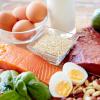
High Protein or a high-protein diet is often recommended by bodybuilders and nutritionists to help efforts to build muscle and lose fat. It should not be confused with low-carbohydrate diets, such as the Atkins Diet, which are not food-energy–controlled and which often contain large amounts of fat.

While adequate protein is required for building skeletal muscle and other tissues, there is ongoing debate regarding the use and necessity of high-protein diets in anaerobic exercise, in particular for weight training and bodybuilding.

Extreme protein intake (in excess of 200 g per day), coupled with inadequate intake of other calorie sources (fat or carbohydrates), can cause a form of metabolic disturbance and death commonly known as rabbit starvation. Even when consuming other calorie sources, consuming more than 285 g of protein per day (for an 80 kg person) may be unsafe.

Relatively little evidence has been gathered regarding the effect of more moderate long-term high intake of protein on the development of chronic diseases. Increased load on the kidney is a result of an increase in reabsorption of NaCl. This causes a decrease in the sensitivity of tubuloglomerular feedback, which, in turn, results in an increased glomerular filtration rate. This increases pressure in glomerular capillaries. When added to any additional renal disease, it may cause permanent kidney damage.

As is apparent from the list below, many high-protein foods (indeed, most low-carb foods with protein) are fairly low in fiber. This can lead to discomfort if additional roughage is not added to the diet. A 2017 review paper in the New England Journal of Medicine suggests that high protein diet may contribute to life-long risk of kidney damage including chronic kidney disease.


  • Dietary Modification - High Protein

  • Glucose tolerance, lipids, and GLP-1 secretion in JCR:LA-cp rats fed a high protein fiber diet📎

    Abstract Title:

    Glucose tolerance, lipids, and GLP-1 secretion in JCR:LA-cp rats fed a high protein fiber diet.

    Abstract Source:

    Obesity (Silver Spring). 2008 Jan;16(1):40-6. PMID: 18223610

    Abstract Author(s):

    Raylene A Reimer, James C Russell

    Article Affiliation:

    Faculties of Kinesiology and Medicine, Department of Biochemistry and Molecular Biology, University of Calgary, Calgary, Alberta, Canada. This email address is being protected from spambots. You need JavaScript enabled to view it.

    Abstract:

    BACKGROUND:We have shown that individually, dietary fiber and protein increase secretion of the anorexigenic and insulinotropic hormone, glucagon-like peptide-1 (GLP-1).

    OBJECTIVE:Our objective was to combine, in one diet, high levels of fiber and protein to maximize GLP-1 secretion, improve glucose tolerance, and reduce weight gain.

    METHODS AND PROCEDURES:Lean (+/?) and obese (cp/cp) male James C Russell corpulent (JCR:LA-cp) rats lacking a functional leptin receptor were fed one of four experimental diets (control, high protein (HP), high fiber (HF, prebiotic fiber inulin), or combination (CB)) for 3 weeks. An oral glucose tolerance test (OGTT) was performed to evaluate plasma GLP-1, insulin and glucose. Plasma lipids and intestinal proglucagon mRNA expression were determined.

    RESULTS:Energy intake was lower with the HF diet in lean and obese rats. Weight gain did not differ between diets. Higher colonic proglucagon mRNA in lean rats fed a CB diet was associated with higher GLP-1 secretion during OGTT. The HP diet significantly reduced plasma glucose area under the curve (AUC) during OGTT in obese rats, which reflected both an increased GLP-1 AUC and higher fasting insulin. Diets containing inulin resulted in the lowest plasma triglyceride and total cholesterol levels.

    DISCUSSION:Overall, combining HP with HF in the diet increased GLP-1 secretion in response to oral glucose, but did not improve glucose tolerance or lipid profiles more than the HF diet alone did. We also suggest that glycemic and insulinemic response to prebiotics differ among rat models and future research work should examine their role in improving glucose tolerance in diet-induced vs. genetic obesity with overt hyperleptinemia.

  • High Protein

    facebook Share on Facebook

    High Protein or a high-protein diet is often recommended by bodybuilders and nutritionists to help efforts to build muscle and lose fat. It should not be confused with low-carbohydrate diets, such as the Atkins Diet, which are not food-energy–controlled and which often contain large amounts of fat.

We use cookies on our website. Some of them are essential for the operation of the site, while others help us to improve this site and the user experience (tracking cookies). You can decide for yourself whether you want to allow cookies or not. Please note that if you reject them, you may not be able to use all the functionalities of the site.